Leave Your Message
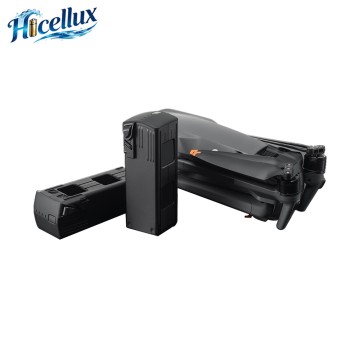
The global commercial and industrial unmanned aerial vehicle (UAV) market has experienced exponential growth over the past decade. Drones have evolved from simple recreational devices into highly sophisticated, heavy-duty industrial instruments. Today, they are deployed in critical missions ranging from high-voltage power line inspections, wind turbine maintenance, and oil pipeline surveys to precision agriculture and search-and-rescue operations. At the heart of this technological revolution is the energy storage system. The performance, safety, and reliability of the drone depend heavily on its battery pack. Bitel Battery has emerged as an industry leader, engineering cutting-edge power solutions designed to meet the rigorous demands of modern drone operations.
Industry Trend Insight: The shift toward autonomous beyond visual line of sight (BVLOS) flights requires batteries that offer not just longer flight times, but intelligent communication protocols (BMS) that report health status in real time to prevent mission-critical failures.
Inspecting utility grids requires drones to fly in close proximity to high-voltage transmission lines. These environments are characterized by intense electromagnetic interference (EMI) and strong magnetic fields. A standard battery pack can suffer from telemetry dropouts or BMS malfunction under such conditions. Bitel batteries are engineered with advanced electromagnetic shielding and high-integrity BMS circuits that ensure continuous, stable power delivery and uninterrupted communication with the flight controller, even when flying adjacent to active 500kV power lines.
Wind turbines are usually located in coastal or mountainous areas with unpredictable, high-velocity winds. Drones inspecting these structures must constantly adjust their motor speeds to maintain stability, demanding high-current discharge bursts (C-ratings) from the battery. Bitel's high-rate discharge cells provide the necessary instantaneous power without suffering from significant voltage drops, ensuring the drone maintains its position and captures high-resolution data without risking thermal runaway.
Agricultural drones carry heavy liquid payloads, meaning they operate under maximum load conditions for the entirety of their flights. For these applications, energy density and cycle life are paramount. Bitel's customized battery packs utilize high-nickel chemistry to maximize energy-to-weight ratios. This allows agricultural operators to cover more hectares per flight. Furthermore, our fast-charging capabilities ensure that battery packs can be cycled rapidly in the field, minimizing operator downtime.
Designing power systems for industrial UAVs involves a delicate balance of weight, energy capacity, safety, and thermal management. Unlike consumer electronics, industrial drones operate under extreme environmental conditions—from freezing high-altitude inspection runs to hot desert solar farm mapping. The battery must perform consistently throughout these temperature ranges while maintaining cell balance and preventing degradation.
As the commercial drone industry moves toward longer flight times and larger carrying capacities, battery technology must adapt. The future lies in solid-state battery chemistry, which promises to double current energy densities while eliminating the flammable liquid electrolytes found in traditional LiPo cells. Bitel is actively researching and developing next-generation solid-state architectures to ensure our clients remain at the absolute cutting edge of aerial mapping, delivery, and inspection capabilities.
We provide one-on-one customized services and cost-effective solutions for our clients.
Compared to our competitors, we offer faster shipping times and more flexible delivery options.
Our company is committed to helping customers improve efficiency and increase profits.
We welcome your inquiries and look forward to building long-term, mutually beneficial partnerships with clients worldwide.




API 6D, API 607, CE, ISO9001, ISO14001, ISO18001, TS. (If you need our certificates, please contact us)
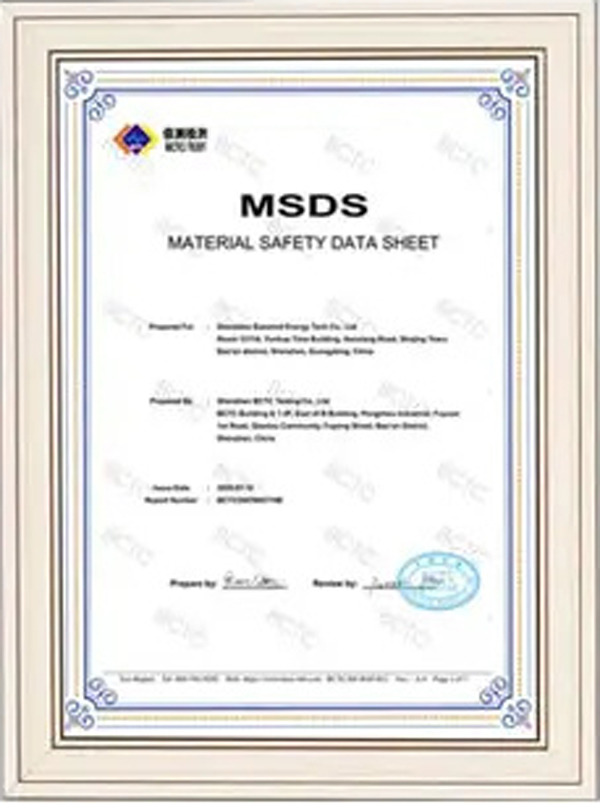
MSDS
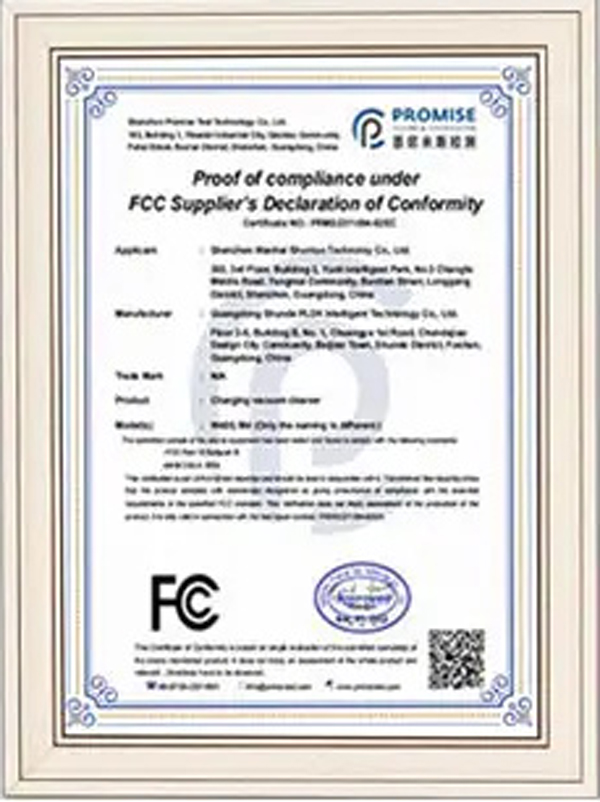
FCC
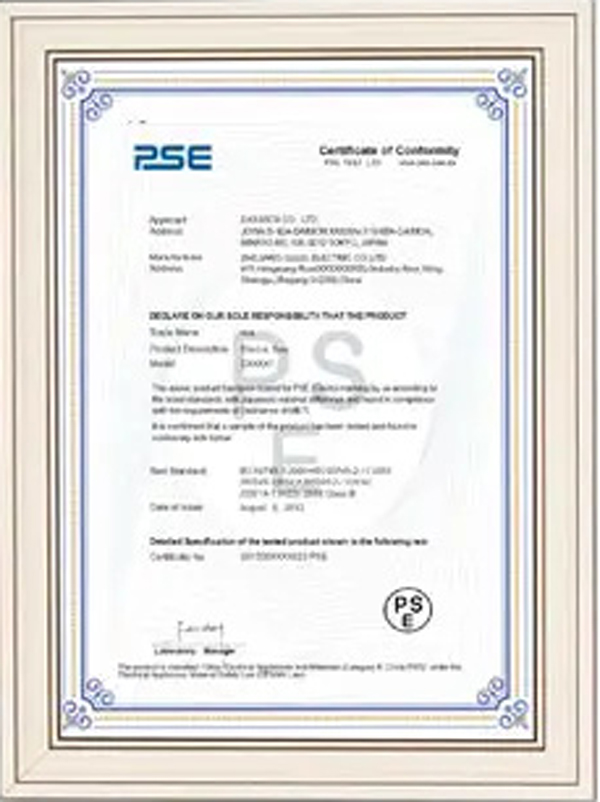
PSE
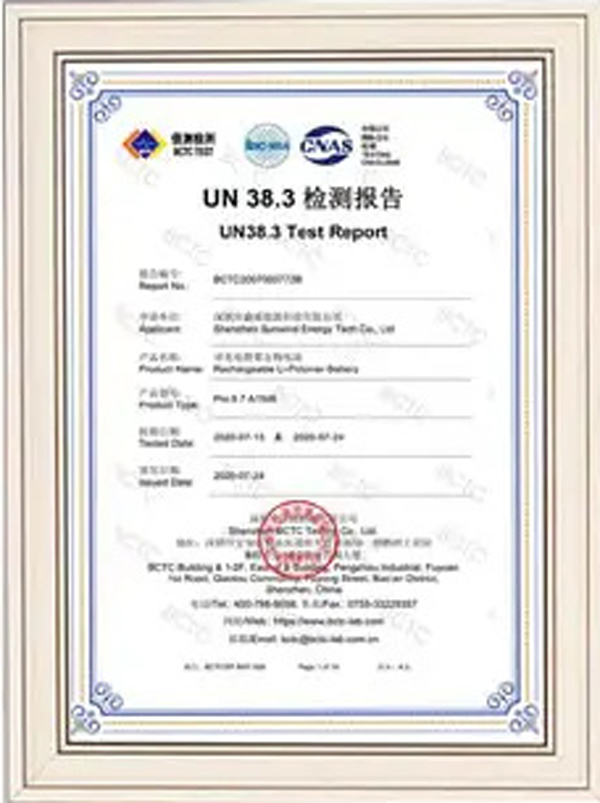
UN 38.3
DGM
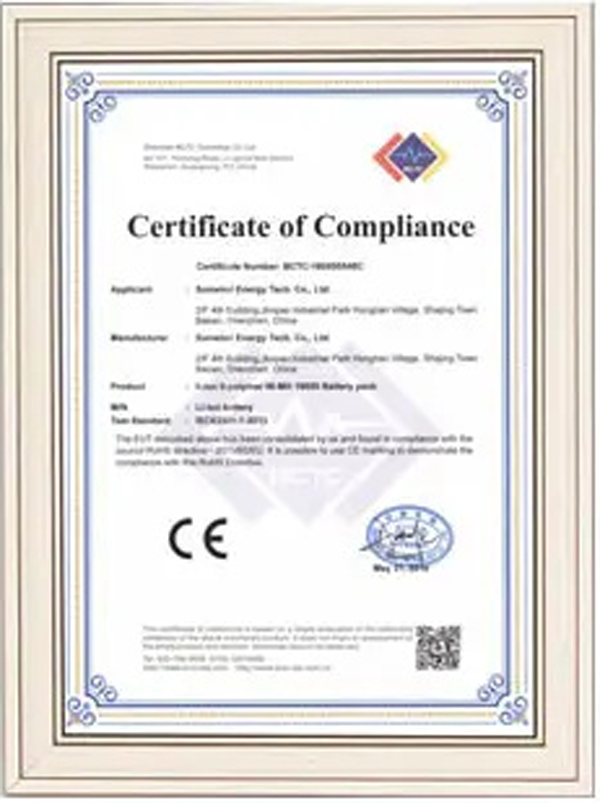
CE
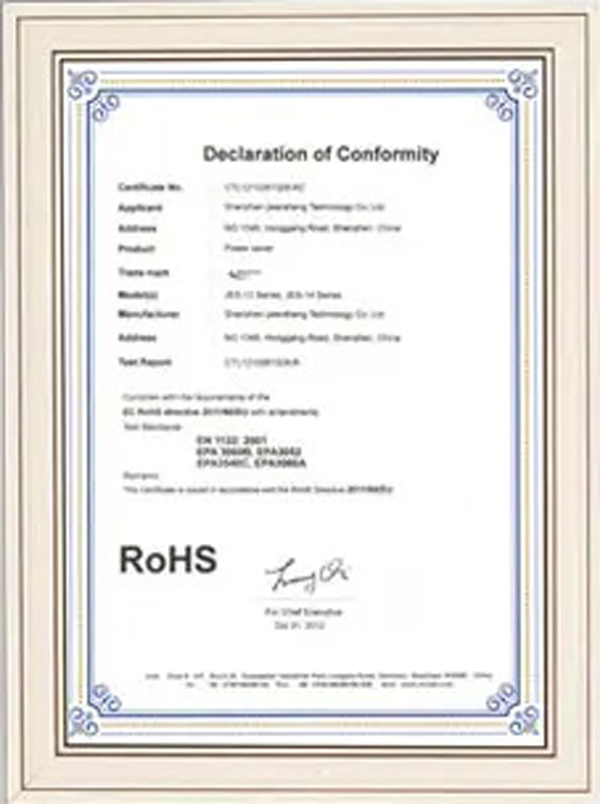
RoHS
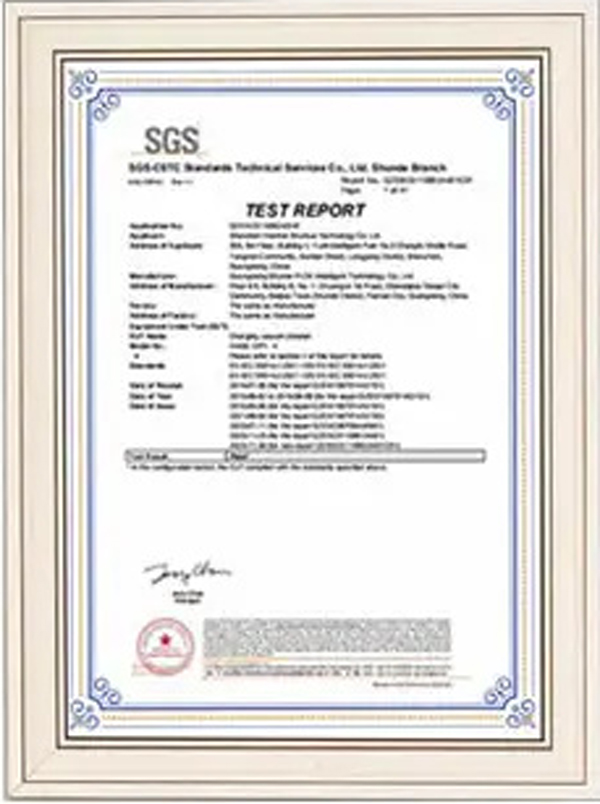
Quality Standard