When it comes to global buyers picking the top Li Phosphate Battery in 2026, it's really more than just a chemistry call. It’s about considering supply chains, safety, and how long the battery will last. Lithium iron phosphate cells keep catching people’s eyes because they’re known for good thermal stability, a long cycle life, and less reliance on tricky metals like nickel and cobalt. But honestly, what’s “best” really depends on what you’re using it for. A battery for a warehouse forklift? That’s different from one installed in a solar setup near the coast. Different demands, different priorities, you know?
Battery expert Dr. Jeff Dahn once said, “There is no free lunch in battery technology.” That’s a pretty solid point. Sure, a large prismatic Li Phosphate battery might be easier to assemble and pack a decent punch in energy, but if one cell goes bad, you could end up paying more to replace it. Cylindrical cells? They handle heat better and can be more flexible in design, but they do mean more connections to keep track of. Pouch cells? They can be lighter and save weight, but might need sturdier support so they don’t get damaged.
And here’s the thing — real-world buying experiences tend to reveal the stuff you don’t see in ads. Sure, a supplier might boast about 6,000 cycles, but what about the temperature conditions, how deeply you’re discharging the battery, or the charging speed? Always ask for third-party test reports, check if their cell batches are traceable, and look into warranty details and how their BMS communicates. Also, don’t forget to check how they perform at 0°C — not just comfy room temp. Little details like that really make a difference.
There’s no one perfect format or solution either. Big names like CATL, EVE Energy, BYD, and CALB are pretty reputable for cell solutions, but even the biggest brands need project-specific validation. When you’re buying globally, it’s smart to compare the total costs, shipping options, after-sales service, recycling plans, and whether the product meets regional certification standards. Honestly, sometimes the final choice might seem less flashy than you hoped, and that’s okay. What truly matters is that the Li Phosphate Battery works steady, safe, and predictable long after that shiny brochure is tucked away in a drawer.

What Is a Lithium Phosphate Battery?
A lithium phosphate battery usually means a lithium iron phosphate (LiFePO4, or LFP) battery. Its cathode uses lithium iron phosphate rather than nickel-rich chemistry. During charging, lithium ions move into the graphite anode. During discharge, they return and release electrical energy. This chemistry has a stable crystal structure, which helps reduce thermal instability when correctly designed and managed. It is not fireproof. That distinction matters.
In practical installations, LFP packs suit storage cabinets, electric utility equipment, boats, and low-emission transport. Buyers often notice steady voltage, long cycle life, and less capacity loss from frequent partial charging. A 12-volt pack may feel heavier than a comparable high-energy pack. LFP stores less energy per kilogram. Cold mornings can also reduce charging acceptance. A heated enclosure or temperature-aware charger may be necessary.
For global purchasing, inspect the cell format, rated capacity, continuous current, operating temperature, enclosure rating, and battery management system. Ask for independent test reports, traceable production records, transport documentation, and clear warranty conditions. Loose terminals, uneven cell voltages, or an inaccurate charge display deserve immediate attention. I would not select a battery from cycle-life claims alone. Test conditions can make impressive numbers look ordinary. Installation quality is easy to underestimate. Cable sizing, ventilation, fusing, and compatible charging settings strongly influence real service life. Local electrical rules and recycling arrangements should be verified before shipment.
How Lithium Iron Phosphate Chemistry Works
For global buyers, lithium iron phosphate (LiFePO4) batteries are gaining attention because their chemistry favors safety, durability, and predictable operating costs. Inside each cell, lithium ions move between a graphite anode and an iron-phosphate cathode through an electrolyte. During charging, ions return to the graphite layer. During discharge, they move back and release electrical energy.
The cathode structure is highly stable. It resists oxygen release at elevated temperatures better than many nickel-rich chemistries. This reduces thermal runaway risks, although it does not remove them. Proper protection circuits, cell balancing, and thermal design remain essential. LiFePO4 cells usually provide about 3.2–3.3 volts nominally. Their lower voltage and energy density can require larger, heavier packs.
The data is persuasive. The International Energy Agency reported that LFP batteries represented more than 40% of electric-car batteries deployed globally in 2023. BloombergNEF’s 2024 battery-price survey placed average pack prices near $115 per kWh, while LFP packs were reported at approximately $83 per kWh. These figures explain their appeal for buses, solar storage, and commercial vehicles. Cycle life can exceed 3,000 cycles under suitable conditions. Real results vary. Heat, incomplete charging controls, and poor installation can shorten that promise. Global buyers should examine tested capacity, operating temperature, warranty conditions, and independent safety certification—not chemistry labels alone.
Key Types of LiFePO4 Batteries for Global Applications
2026 Best Li Phosphate Battery Type for Global Buyers?
Key Types of LiFePO4 Batteries for Global Applications
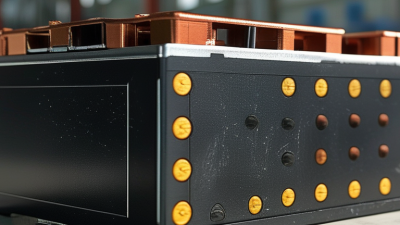
A Lithium Phosphate Battery can support homes, vehicles, industrial equipment, and backup systems. The best type depends on space, load, service access, and climate. Prismatic cells offer a flat, rigid structure and efficient cabinet packing. They suit energy storage systems where stable installation matters. Cylindrical cells provide strong mechanical protection and flexible module design. They are useful for portable equipment and compact power units. Pouch cells are lightweight and space efficient, but they need careful compression and protection.
Battery capacity alone does not determine quality. A reliable system needs a suitable battery management system, balanced cells, temperature sensors, and tested connections. For global applications, buyers should check operating temperature, charging limits, transport documentation, and after-sales support. In a warehouse, a loose terminal can create more trouble than a slightly smaller capacity. Small details matter.
Rack-mounted LiFePO4 batteries fit commercial backup rooms and solar storage projects. Low-profile modules work better in limited cabinets or mobile platforms. High-rate versions can support motors and short power surges, while standard-rate models often suit steady loads. No format is perfect. Prismatic batteries may be heavy, and pouch designs can be less forgiving when poorly installed. Buyers should compare verified test reports, warranty conditions, cycle testing methods, and local installation skills before choosing a type. Guessing from a product photo is risky.
How to Compare LiFePO4 Battery Performance and Safety
For global buyers, comparing a Lithium Ion Phosphate Battery requires more than checking the nameplate capacity. BloombergNEF’s 2024 Battery Price Survey reported average lithium-ion pack prices near 115 dollars per kWh, while LFP packs were about 30% cheaper than nickel-based alternatives. This cost advantage matters, but only when measured against usable energy, installation, and replacement costs.
Look beyond laboratory claims.
Ask for cycle-life results at a stated depth of discharge, temperature, and charging rate. A battery rated for 6,000 cycles at 25°C and 0.5C may perform differently in a hot warehouse at 1C. Check capacity retention, internal resistance, low-temperature charging limits, and battery-management-system protections. Small details matter.
Safety needs independent evidence. The IEA’s Global EV Outlook 2024 reported that LFP chemistry represented nearly 40% of electric-car battery deployment in 2023, reflecting growing confidence in its thermal stability and lower material risk. However, LFP is not fireproof. Require test documentation aligned with IEC 62619, UL 1973, and UN 38.3, where applicable. Review overcharge, short-circuit, crush, vibration, and thermal tests. A clear failure report is more useful than a perfect brochure. I have seen buyers compare only cycle numbers, then overlook cold-weather charging and service access. That is an avoidable mistake.
Selecting the Right Battery Capacity, Voltage, and Form Factor
2026 Best Li Phosphate Battery Type for Global Buyers?
Choosing a LiFePO4 battery starts with the load, not the advertised capacity. Estimate daily energy use in watt-hours, then add a practical reserve of 20–30%. A 12.8V battery suits many small systems, while 25.6V or 51.2V designs reduce current in larger installations. Lower current can mean thinner cables and less heat. Still, voltage must match the inverter, charger, and protection system. Never assume compatibility from connector shape alone.
Capacity also depends on discharge limits, temperature, and battery age. A 100Ah label does not guarantee 1,280Wh of usable energy. Check the rated depth of discharge, continuous current, peak current, and charging temperature range. For boats, cabinets, or mobile equipment, form factor matters just as much. Prismatic cells can fit rigid enclosures, while compact packs may suit limited spaces. Measure twice. I have seen buyers choose a powerful battery that simply could not fit through the installation hatch. That mistake is expensive and avoidable.
Tips: Request test data, not only marketing figures. Confirm the battery management system, cell balancing, enclosure rating, terminals, and warranty conditions. Compare usable energy at your expected load. Ask whether capacity testing follows a recognized standard. Keep ventilation, cable length, and ambient temperature in your calculation. One detail is often missed: winter performance can fall sharply, especially during charging. A heated enclosure or low-temperature cutoff may be necessary. The “best” battery is rarely the largest one; it is the safest unit that matches real demand, space, and operating conditions.
Global Standards, Certifications, and Import Requirements
In 2026, global buyers should evaluate a Lithium Iron Phosphate Battery beyond price and capacity. Safety records, traceable testing, and import readiness matter more. The battery should match the destination market, application, and transport method. A warehouse installation differs from a vehicle pack.
Common technical references include UN 38.3 for transport testing and IEC 62619 for industrial lithium batteries. IEC 62133-2 may apply to certain portable applications. These standards are not automatically legal approval everywhere. Buyers should request current test reports, the UN 38.3 test summary, safety data sheets, and clear product specifications. Check the testing laboratory’s scope. A certificate alone is not enough.
Import preparation needs accurate invoices, packing lists, battery chemistry details, and tariff classification. Transport packages may require hazard labels, protective terminals, and declared watt-hour ratings. Some destinations also require conformity marking, local registration, recycling arrangements, or additional customs documents. Requirements can change. Verify them with the destination authority and a qualified freight specialist before shipment. One small mismatch between the label and invoice can delay a pallet at the port. No checklist is perfect. Recheck voltage, capacity, cell configuration, and country-specific language before signing the purchase order.
How to Choose a Reliable LiFePO4 Battery Supplier
How to Choose a Reliable LiFePO4 Battery Supplier
Global buyers should assess more than price when selecting a Lithium Ferro Phosphate Battery supplier. Ask for cell specifications, BMS protection details, capacity test conditions, and production traceability. A reliable supplier should explain whether testing occurs at 25°C, under which discharge rate, and after how many cycles. Vague numbers deserve caution.
Request recent inspection reports and samples from the same production line. Check terminal torque, enclosure strength, cable quality, and battery weight. Small details matter. A strong supplier also provides clear warranty terms, replacement procedures, and technical support across time zones. Relevant safety and transport certifications should be verifiable, not simply displayed as scanned images. Product documentation may look polished, yet practical testing can reveal uneven voltage or weak connectors.
Tips: Compare at least three suppliers using identical questions. Ask for a video of the testing process. Confirm lead times in writing. Review how rejected cells are handled. Do not rely only on a sample; inspect a production batch when possible. Some buyers focus heavily on cycle life and overlook cold-weather performance, which can reduce usable capacity. That mistake is easy to make. A supplier willing to discuss limitations, failed tests, and corrective actions usually appears more trustworthy than one promising perfect results.
14.4V 5200mAh Tefal Vacuum Battery: Insights from Grand View Research’s Vacuum Cleaner Market Report
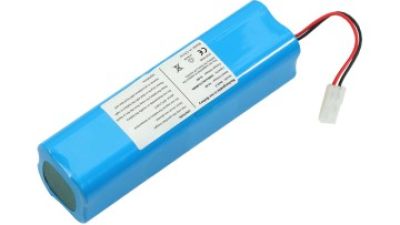
The 14.4V 5200mAh vacuum battery delivers a rated capacity of 74.88Wh, providing stable and dependable power for everyday cordless cleaning. In line with key trends highlighted in the vacuum cleaner market report, reliable battery performance is increasingly important for convenient household maintenance. Built-in over-temperature protection helps safeguard the motor during extended use, while an intelligent protection circuit helps prevent overcharging, short circuits, and excessive discharge. Designed to match compatible Ver2 vacuum cleaner specifications, this replacement battery supports seamless installation without modifications.
Ideal for daily dust removal and floor care, the battery performs consistently on hardwood and tile surfaces. Its dependable output helps users maintain smooth cleaning routines across common household environments, whether handling quick touch-ups or regular floor maintenance. Quality assurance is supported by CE, RoHS, and UN38.3 certifications, together with a 12–15 month warranty from an experienced Chinese manufacturing supplier. The combination of stable capacity, integrated safety features, and verified compatibility makes it a practical power solution for compatible cordless vacuum cleaners.
FAQS
: It usually means a lithium iron phosphate battery, often called LFP. Its lithium ions move between a graphite anode and a phosphate-based cathode. The chemistry is stable, but it is not fireproof.
They can support homes, storage cabinets, boats, utility equipment, and low-emission transport. They also suit backup systems and mobile platforms. The application decides the best format.
These batteries usually provide steady voltage and long cycle life. They tolerate frequent partial charging better than some alternatives. Capacity loss may be slower.
They store less energy per kilogram than some high-energy batteries. A 12-volt pack may feel noticeably heavy. Cold mornings can reduce charging acceptance.
Prismatic cells have a flat, rigid shape for efficient cabinet packing. Cylindrical cells offer mechanical protection and flexible module designs. Pouch cells save space but need careful compression and protection.
No. Capacity alone says little about complete system quality. A dependable pack also needs balanced cells, sensors, and a suitable management system. Small details matter.
Check rated capacity, continuous current, temperature limits, enclosure rating, and cell format. Request independent test reports and traceable production records. Transport papers and warranty terms also deserve attention.
Cable sizing, fusing, ventilation, and charging settings strongly influence service life. Loose terminals and uneven cell voltages require immediate attention. Installation is easy to underestimate.
Not always. Test conditions can make impressive numbers look ordinary. Compare the testing method, not only the headline figure. I would not choose a battery from one number alone.
Verify local electrical rules, recycling arrangements, temperature needs, and service support. A heated enclosure may help in cold climates. Guessing from a product photo is risky.
Conclusion
A Li Phosphate Battery, commonly based on lithium iron phosphate chemistry, is valued for its strong thermal stability, long service life, and dependable performance. This article explains how LiFePO4 cells operate and reviews key battery types for global applications, including cylindrical, prismatic, and pouch formats. It also outlines how buyers can compare energy density, cycle life, charging speed, operating temperature, protection functions, and overall safety when evaluating different solutions.
Choosing the right battery requires matching capacity, voltage, and form factor to the intended equipment or energy system. Global buyers should also verify relevant standards, testing reports, certifications, labeling, packaging, and import documentation before placing an order. Finally, selecting a reliable supplier involves checking manufacturing quality, consistency between batches, technical support, warranty terms, communication, and delivery capability. A careful evaluation of both technical specifications and supplier reliability can help buyers achieve a safe, efficient, and cost-effective LiFePO4 battery solution.