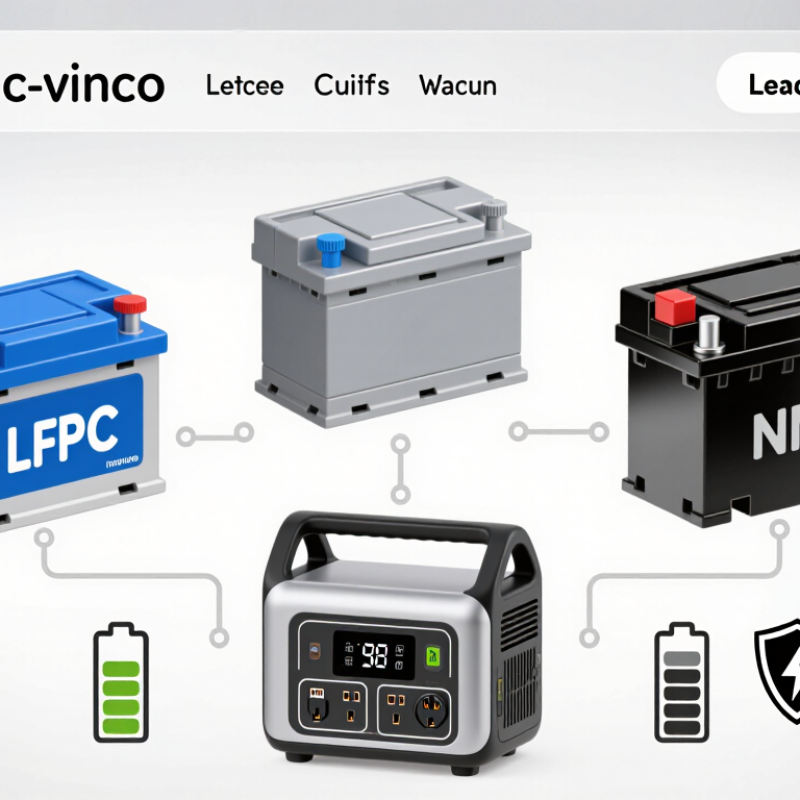
At first glance, a portable power station doesn't seem like much—just a handle, a screen, and a bunch of outlets sitting there on the shelf. But the battery inside? That's where the real story is. It determines how heavy the thing is, how long it'll last, how it charges, and honestly, whether it's worth the price. So when you're comparing power station batteries, you'll mostly run into three chemistries: lithium iron phosphate (LFP), nickel manganese cobalt (NMC), and, if you're looking at older or budget models, lead-acid. Each one has its own trade-offs, naturally. LFP tends to last longer in terms of charge cycles, while NMC gives you more energy in a smaller, lighter package. But honestly, the label alone doesn't tell you everything.
So the IEA just put out this 2024 report, Batteries and Secure Energy Transitions, and the headline is pretty big: to hit net-zero, global battery storage capacity has to grow sixfold by 2030. Now, that's specifically about grid-scale storage—not your little portable power banks. Still, it really drives home why battery chemistry, durability, and supply chains are so important. Fatih Birol, the IEA's executive director, calls batteries a key technology for cleaning up energy, and honestly, this report backs that up. Honestly, when you're shopping for a battery, it's tempting to just focus on the chemistry—like, "oh, this one's LiFePO4, must be good." But the real buying lesson is more practical than that. You need to dig into the manufacturer's cycle-life conditions, usable watt-hours, warranty, and charging limits. Those numbers tell you way more than the chemistry name ever will.
Let’s be honest—real-world usage doesn’t look like a spec sheet. You might have a station sitting around for weeks doing nothing, and then one outage hits and suddenly it’s powering a fridge around the clock. That’s why the little things matter. You want clear battery specs, test data you can actually trust, and maybe a raised eyebrow at any claim that just says “long life” without backing it up. So where do the main battery types fit? That’s what this guide digs into. One caveat though: cycle-life numbers aren’t always calculated the same way, so it’s worth digging into the fine print before you buy.
How Power Station Battery Chemistries Are Classified for 2026 Buyers
Power station batteries are best classified by cell chemistry, because chemistry affects weight, usable capacity, cycle life, and care. Lithium iron phosphate (LFP) is known for long cycle life and strong thermal stability. It can be heavier for a given capacity. Nickel manganese cobalt (NMC) often offers higher energy density and a lighter unit. Cycle life and heat management still depend on cell design and controls. Lead-acid is familiar and may cost less, but it is bulky and less convenient for frequent deep cycling. Sodium-ion is emerging, so check product specifications rather than assuming it is widely available. Chemistry is only one part of the comparison.
Tips: Compare usable watt-hours, continuous output, warranty terms, and cycle-test conditions. Check whether cycle claims are measured to 80% capacity, and at what temperature. “Hp Battery” may appear in a search or listing, but the phrase alone does not identify a battery chemistry.
Match the chemistry to the task: occasional home backup, daily off-grid use, or portable power for a campsite. Ask how the unit handles cold charging, heat, and storage. These conditions affect performance. A chemistry label is not a guarantee; cell quality, battery management, and testing also matter. Product data can be uneven, so a little skepticism is useful.
2026 Top Power Station Battery Types for Buyers
How power station battery chemistries are classified: compare indicative cycle-life ranges before capacity typically falls to about 80% of its original level.
LFP generally offers longer cycle life than NMC or lead-acid, but actual results depend on the battery design, depth of discharge, temperature, and charging conditions. These ranges are indicative, not guaranteed specifications; compare the cycle-life rating in each product’s documentation.
LFP Batteries: 2,000–6,000 Cycles to 80% Capacity
LFP batteries are often rated for about 2,000 to 6,000 charge cycles before reaching 80% of their original capacity. That range is useful, but it is not a promise for every power station. Cycle counts usually refer to equivalent full cycles, so two half-discharges may count as one. Testing temperature, charging limits, and discharge depth can all affect the result. Small details matter.
For a buyer, the upper end is best treated as a favorable test outcome, not a guaranteed lifespan. A battery rated at 80% capacity still works, but stores less energy per charge. A 1,000-watt-hour unit would hold about 800 watt-hours at that threshold, before system losses. Frequent use in a hot shed, long periods at full charge, or repeated deep discharges may shorten service life. Real use is messier. Compare cycle ratings alongside the test conditions, and consider how often the station will power your actual devices. A fridge running overnight creates a different pattern from occasional phone charging. The published figure helps set expectations, but it cannot predict every household’s results.
2026 Top Power Station Battery Types for Buyers - LFP Batteries: 2,000–6,000 Cycles to 80% Capacity
Figures are indicative ranges, not guarantees. Actual performance depends on cell design, temperature, charge and discharge rates, depth of discharge, and battery-management settings. Energy-density figures are approximate cell-level values; cycle-life figures depend on the stated test conditions.
| Battery chemistry |
Indicative cycle life |
Typical energy density |
Key characteristics |
Buyer considerations |
| Lithium iron phosphate (LFP) |
About 2,000–6,000 cycles to 80% capacity, depending on cell and test conditions |
Approximately 90–160 Wh/kg at cell level |
Long cycle life and strong thermal stability; generally heavier than nickel-based lithium-ion cells |
A common choice for frequent cycling and longer service life; check the product’s warranty and usable capacity |
| Nickel manganese cobalt (NMC) |
Often about 500–1,500 cycles to 80%; specifications vary by cell and operating conditions |
Approximately 150–250 Wh/kg at cell level |
Higher energy density can support a lighter, more compact battery; thermal management is important |
Consider when portability and compact size are priorities; compare the stated cycle-test conditions |
| Nickel cobalt aluminum (NCA) |
Commonly around 500–1,500 cycles to 80%, with substantial variation by design and use |
Approximately 180–260 Wh/kg at cell level |
High energy density; requires appropriate battery-management and thermal-protection systems |
Review safety protections, operating-temperature limits, and warranty terms for the complete power station |
| Lead-acid |
Often about 200–500 cycles at roughly 50% depth of discharge; deeper discharge generally reduces life |
Approximately 30–50 Wh/kg at cell level |
Mature and widely understood technology, but heavy and typically less cycle-efficient than lithium-ion options |
May suit stationary or budget-sensitive uses; account for weight and the recommended discharge limit |
| Sodium-ion |
Product-specific; published specifications vary, so no single range is representative across products |
Varies by cell design and is generally below high-energy nickel-based lithium-ion cells |
An emerging rechargeable chemistry with distinct material and performance trade-offs |
Check independently verifiable capacity, cycle-life test conditions, availability, and warranty for the specific product |
NMC Batteries: 150–250 Wh/kg Cell-Level Energy Density
NMC cells commonly fall within the 150–250 Wh/kg cell-level range, but the upper figure is not a promise for a finished power station. Nitta and colleagues’ review in Materials Today (2015) describes commercial lithium-ion cell energy densities reaching roughly 250 Wh/kg. Actual results vary with the NMC formulation, cell design, and manufacturer’s test conditions. Cell-level figures exclude the casing, wiring, cooling, and protection systems added to a complete unit. Numbers need context.
For buyers comparing portable power stations, higher cell energy density can mean less battery weight for a given capacity. It does not automatically mean longer service life or safer operation. Check the product’s usable watt-hours, continuous output, cycle-life test conditions, and temperature limits. The U.S. Department of Energy’s Battery500 program set a 500 Wh/kg cell target, highlighting the gap between next-generation goals and today’s typical commercial specifications. That target is not a current NMC benchmark. For Pax Battery planning, treat 150–250 Wh/kg as a screening range, then verify the actual cell and pack specifications. It is easy to overvalue one number. Cell chemistry alone cannot settle the buying decision.
Lead-Acid and Sodium-Ion: 300–500 Cycles vs. 100–160 Wh/kg
Lead-acid batteries are often rated for roughly 300–500 cycles, but that figure depends on discharge depth, temperature, and maintenance. Repeatedly draining a battery close to empty can shorten its service life. It may suit a stationary backup unit, where weight matters less than purchase cost. Heavy, though. Check whether the cycle rating assumes shallow or deep discharges.
Sodium-ion figures of 100–160 Wh/kg describe specific energy, not cycle life. That difference matters: cycles estimate repeated use, while watt-hours per kilogram indicate how much energy a battery stores for its weight. For buyers comparing a Pos Battery setup, a lighter sodium-ion pack may be easier to move between a car and a campsite. Still, the stated range can refer to cells rather than the complete power station. I would not treat either number as a guaranteed real-world result.
Look for test conditions in the product specifications: usable capacity, discharge limits, and operating temperature. A cold garage or frequent full discharges may change performance. The figures are useful starting points, not a clean head-to-head comparison. A compact unit can feel convenient until its usable energy falls short during a long outage.
Compare Usable Capacity, Depth of Discharge, and Cycle-Life Ratings
In 2026, compare power-station batteries by energy you can actually use, not just the capacity printed on the casing.
A 1,000 Wh unit with an 80% usable-capacity limit supplies about 800 Wh before conversion losses. Depth of discharge (DoD) describes how much stored energy is drawn: 80% DoD means 800 Wh used from a 1,000 Wh battery. Leave room for reserve. Cold weather, high loads, and inverter losses can reduce delivered energy, too.
Lithium iron phosphate (LFP) batteries commonly carry higher cycle-life ratings than nickel-manganese-cobalt (NMC) batteries, while NMC designs often prioritize compact size and lighter weight. Lead-acid batteries generally offer fewer cycles and less usable capacity at deep discharge.
The U.S. Department of Energy’s 2022 Grid Energy Storage Technology Cost and Performance Assessment reports lithium-ion cycle-life estimates spanning roughly 2,000–10,000 cycles, depending on system and assumptions. That is not a direct promise for a portable unit. Check the maker’s test conditions: DoD, temperature, and the capacity remaining at end of life.
Look for a rating such as “3,000 cycles to 80% capacity,” not just “3,000 cycles.” Small print matters. Ratings are imperfect comparisons; even careful buyers can miss how fast a battery ages when stored full in a hot vehicle.
Choose a Chemistry by Runtime, Weight, Safety, and Budget
Runtime depends more on usable watt-hours than chemistry alone. A 500 Wh station may run a 40 W lamp for roughly ten hours in theory, but inverter losses reduce that time. Check the rated capacity and output limits against your actual devices. A small Pda Battery, for example, needs little energy, while a heating appliance can drain the same station quickly. Measure your typical load if possible.
Lithium iron phosphate batteries often suit frequent use: they tend to offer long cycle life and good thermal stability, but can weigh more than some other lithium-ion options. Nickel-manganese-cobalt designs may pack more energy into a lighter unit, which helps on hikes or in a car. Their lifespan and safety depend on design, controls, and use. Chemistry is only part of the story. Look for clear temperature limits and built-in battery protection.
Budget changes the trade-off. Lead-acid units may cost less upfront, yet their weight and usable capacity can make them less convenient to carry. Compare price per usable watt-hour, warranty terms, and replacement expectations—not just the sticker price. A practical choice may still be imperfect: extra capacity adds weight, while a lighter unit may need recharging sooner. Check the specification sheet, then test the station with your own devices before relying on it for a long trip.
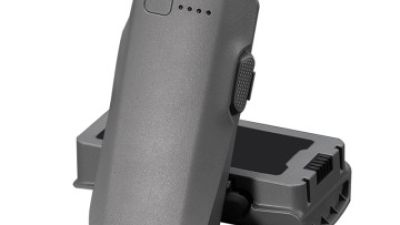
DJI Neo 2 Replacement Battery: Buyer Priorities Informed by Drone Industry Insights’ Drone Market Report 2025
For owners of compact camera drones, replacement-battery priorities increasingly center on dependable flight time, safe operation, and hassle-free fit. Industry market analysis points to a practical buyer mindset: reliable performance matters more than headline claims, especially for aerial photography and flight training, where interruptions can disrupt a session. This battery provides a rated capacity of 7.16V, 1606mAh, and 11.50Wh to support stable power across flight modes. Its intelligent power management system is designed to use energy efficiently, while a built-in protection circuit helps guard against overcharging, short circuits, and excessive discharge.
Compatibility is another key consideration when choosing a replacement. Made to meet the relevant device specifications, the battery installs without modifications, making it a convenient option for routine replacement or keeping a spare ready. It is engineered for consistent operation in high-altitude and variable-temperature environments. CE, RoHS, and UN38.3 certifications provide added assurance, and a 12–15-month warranty offers support after purchase. For buyers comparing options, these practical features help balance dependable everyday use, safety, and straightforward integration.
Conclusion
Choosing the right Powerstation Battery begins with understanding how each chemistry balances lifespan, energy density, usable capacity, and cost. Lithium iron phosphate (LFP) batteries are often valued for longevity, with many rated for roughly 2,000–6,000 cycles before reaching 80% of their original capacity. Nickel manganese cobalt (NMC) batteries can offer higher cell-level energy density, around 150–250 Wh/kg, which may help reduce weight when portability matters. Lead-acid batteries are generally heavier and may deliver around 300–500 cycles, while sodium-ion options typically offer about 100–160 Wh/kg at the cell level, with performance varying by design.
When comparing models, look beyond advertised capacity: depth of discharge and the amount of energy actually available affect real-world runtime and cycle life. Match the chemistry to your priorities—long service life, lighter weight, safety considerations, or a lower upfront budget—and consider how often and where you expect to use the power station.