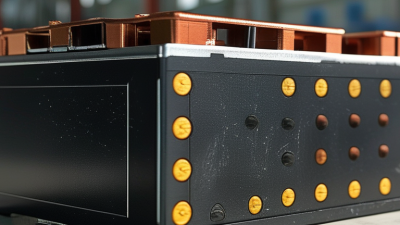
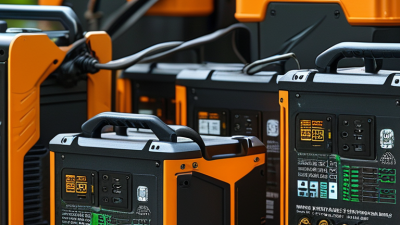
Hey, have you noticed how the demand for Lithium Battery Packs is really skyrocketing around the world lately? These battery systems are pretty amazing—they pack a punch with their energy density and efficiency. For folks or companies out there looking to up their game, adding a Lithium Battery Pack can genuinely boost performance and help with sustainability efforts.
Big industry players like Tesla and Panasonic are really leading the charge here, pushing innovation and making these packs more mainstream. But, a heads-up — not all battery suppliers are created equal. Some offer better quality and safety standards than others, so it’s worth doing your homework.
As more people start considering these batteries, it’s super important to think about your specific needs and any potential hiccups along the way. Knowing where your batteries come from and how long they last is key. At the end of the day, choosing a Lithium Battery Pack should really match your long-term goals and values—it's about finding the right fit for you or your business.
Key Advantages of Lithium Battery Packs for International Customers
Lithium battery packs offer numerous advantages that attract global buyers. These packs are lighter and more compact than traditional batteries. This translates into enhanced portability for various applications. For instance, electric vehicles benefit greatly from this feature. A lighter battery can improve overall vehicle efficiency and driving range.
Durability is another key factor. Lithium batteries have a longer lifespan, often outlasting other battery types. This can result in lower replacement costs over time. The ability to withstand a greater number of charge cycles without significant degradation is impressive. However, potential buyers should note that improper charging can affect longevity.
Furthermore, lithium battery packs have a higher energy density. This means they store more energy in a smaller space. It is a crucial benefit for devices requiring compact designs. But on the downside, this energy density can lead to safety concerns if not managed properly. Overall, the advantages for international customers are compelling, but awareness of the challenges is essential.
Enhanced Energy Density: Maximizing Performance in Lithium Battery Packs
Enhanced energy density remains a critical factor in lithium battery packs. It directly influences performance and efficiency. Recent studies indicate that lithium-ion battery packs can achieve energy densities of over 250 Wh/kg. This figure continues to rise as advancements in technology are achieved. Increased energy density translates into longer usage times for devices, reducing the frequency of recharging.
Additionally, the compact nature of lithium-ion technology is noteworthy. With smaller size and weight, these battery packs are ideal for portable applications. For electric vehicles (EVs), an energy density of around 300 Wh/kg is expected to enhance driving distance significantly. However, exploring these improvements reveals trade-offs in other areas. Thermal management becomes essential as higher energy densities could lead to overheating issues.
Despite the advantages, the manufacturing process still faces challenges. There are concerns about sourcing raw materials sustainably. According to a report, meeting future demand might strain lithium resources. Rethinking usage and recycling could mitigate some risks. Overall, while the benefits of lithium-ion battery packs are evident, areas for improvement must be addressed for long-term success.
Cost-Effectiveness: Long-Term Savings with Lithium Battery Technology
Lithium battery technology offers notable cost-effectiveness for global buyers. A recent report from the International Energy Agency highlights that lithium-ion battery prices have fallen by over 85% since 2010. This rapid decrease in cost contributes to long-term savings on energy storage solutions, making lithium batteries an attractive choice.
Investing in Portable Lithium Battery Packs can further enhance economic benefits. These packs often feature a longer lifecycle compared to traditional batteries. On average, users experience a lifespan of approximately 10 to 15 years with lithium technologies. This durability translates into fewer replacements, reducing overall expenses significantly.
However, buyers must also consider the initial investment. Although higher than some alternatives, the efficiency gains merit consideration. According to BloombergNEF, lithium batteries can achieve up to 95% efficiency. This not only maximizes energy use but also lowers operational costs. Ultimately, understanding the complete financial picture is essential in making informed purchasing decisions in the evolving energy landscape.
Environmental Impact: Eco-Friendly Aspects of Lithium Batteries
The environmental impact of lithium batteries is crucial for global buyers. As the demand for energy storage grows, so does the need for sustainable solutions. Lithium batteries provide eco-friendly advantages, contributing to lower carbon footprints. They are often more efficient than traditional batteries, leading to reduced energy waste.
One key aspect is their recyclability. Many components of lithium batteries can be reused, minimizing landfill waste. However, proper recycling processes must be in place to harness these benefits fully. Not all facilities are equipped to handle lithium battery recycling safely. Buyers should ensure they choose manufacturers with strong recycling programs.
Additionally, lithium batteries enable a shift toward renewable energy sources. They store energy produced by solar and wind systems effectively. This transition is vital for combating climate change. However, it is essential to continue researching their long-term environmental effects. Monitoring the battery lifecycle can provide insight into sustainable practices.
To maximize benefits, buyers should review suppliers' sustainability efforts. Look for companies that prioritize eco-friendly production methods. Check if they have certifications demonstrating their commitment to reducing environmental impact. Awareness is key; understanding lithium's full lifecycle will help address any shortcomings in eco-friendliness.
Top Lithium Battery Pack Benefits for Global Buyers
The chart above illustrates the key benefits of lithium battery packs for global buyers, scored from 0 to 100. These benefits include long cycle life, high energy density, rapid charging capabilities, lightweight and compact design, and low self-discharge rates, highlighting their eco-friendly aspects and the positive impact on environmental sustainability.
Safety Features: Ensuring Reliability in Lithium Battery Applications
Safety is a critical aspect when evaluating lithium battery packs. The reliability of these packs influences their widespread adoption. As reported by the World Economic Forum, lithium batteries are expected to power 60% of the global electric vehicle market by 2030. However, ensuring safety in battery applications remains a challenge.
Lithium batteries carry inherent risks, including thermal runaway and short-circuiting. Proper engineering solutions play a vital role in mitigating these risks. Features such as battery management systems (BMS) monitor voltage and temperature. According to a study by the Institute of Electrical and Electronics Engineers (IEEE), effective BMS can reduce incidents of failure by up to 70%. This data underscores the importance of advanced systems in enhancing safety.
Additionally, proper packaging and insulation techniques contribute to safety. Safe manufacturing processes can prevent dangerous leaks and protect against physical damage. Yet, some manufacturers may overlook critical safety certifications to cut costs. This can lead to unreliable products finding their way to the market. Regular audits and compliance checks are essential to maintain industry standards and consumer trust.
Versatility of Use: Applications Across Industries for Lithium Batteries
Lithium batteries have become a cornerstone in various industries. Their versatility allows them to power everything from smartphones to electric vehicles. Many manufacturers are now integrating these battery technologies in their devices, enhancing performance and efficiency. In agriculture, for instance, lithium batteries are used in drones for crop monitoring. This creates a sustainable approach by minimizing waste and improving yields.
In renewable energy, lithium batteries play a crucial role. They store energy generated from solar panels, ensuring a steady power supply. This is vital for homeowners and businesses alike. Yet, challenges remain, such as recycling and disposal. As demand grows, so does the responsibility to manage battery waste effectively. This highlight's the need for innovation in recycling processes.
Moreover, the global shift towards electric transportation underscores the significance of lithium batteries. Public transportation systems and individual electric vehicles rely heavily on these power sources. Battery Pack Vacuums, designed for lightweight efficiency, contribute to the evolving landscape. Future innovations are necessary to improve energy density and reduce costs. Balancing advancements with safe practices is critical for sustainability.
Future Trends: Innovations Shaping the Lithium Battery Market
The lithium battery market is undergoing significant transformations driven by innovative trends. According to a report by Allied Market Research, the global lithium-ion battery market is expected to reach $129 billion by 2027, growing at a CAGR of 13.4%. Such rapid growth highlights the rising demand across various sectors such as electric vehicles (EVs), renewable energy storage, and consumer electronics. These applications are pushing manufacturers to enhance battery efficiency, longevity, and safety.
In terms of innovation, solid-state batteries are at the forefront. These batteries promise increased energy density and improved safety profiles compared to traditional lithium-ion batteries. A study by IDTechEx suggests that solid-state technology could replace conventional lithium-ion systems within the next decade. However, challenges remain. Manufacturing processes need optimization, and cost-effective solutions are still being developed. Moreover, environmental concerns surrounding lithium extraction and recycling are critical issues that the industry must address for sustainable growth.
Another trend shaping the market is the integration of artificial intelligence (AI) in battery management systems. This technology enhances performance monitoring and predictive maintenance. Studies indicate that AI can improve charging cycles and lifespan, making batteries more reliable over time. Nevertheless, the reliance on advanced technology introduces complexity and potential vulnerabilities that warrant consideration. This evolving landscape reveals both opportunities and challenges, emphasizing the need for ongoing research and development in lithium battery technology.
Top Lithium Battery Pack Benefits for Global Buyers
| Benefit |
Description |
Market Impact |
Future Trends |
| High Energy Density |
Lithium batteries offer superior energy storage capacity, allowing for longer usage times in devices. |
Increase in demand for portable electronics and electric vehicles. |
Advancements in solid-state battery technology. |
| Fast Charging |
Many lithium batteries can be charged to 80% capacity in a short timeframe. |
Demand for quick-turnaround charging in consumer electronics and EVs. |
Emerging fast-charging technologies and infrastructure. |
| Long Lifespan |
Lithium battery packs typically last longer than their competitors, reducing the need for frequent replacements. |
Lower total cost of ownership for users. |
Development of batteries with enhanced life cycles. |
| Environmental Advantages |
Lithium batteries can be recycled, and their lower emissions contribute to sustainability efforts. |
Alignment with global sustainability goals. |
Integration of sustainable practices in battery production. |
| Scalability |
Flexible design allows lithium batteries to be used in a range of applications from small devices to large energy storage systems. |
Ability to cater to both consumer and industrial markets. |
Increasing reliance on battery storage systems for renewable energy. |
Ultimate Guide to Choosing the Best 7.6V 2540mAh Replacement Battery for Your Sunmi P2 Device
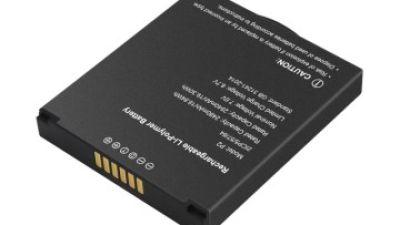
When it comes to selecting a replacement battery for your Sunmi P2 device, the 7.6V 2540mAh battery stands out as an optimal choice due to its remarkable specifications and features. With a real capacity of 19.30Wh, this battery delivers stable and reliable performance, crucial for environments where uninterrupted power is essential. Industry reports indicate that battery reliability directly impacts transaction efficiency; thus, having a consistent discharge rate ensures your device operates smoothly during payment processing and retail transactions.
One notable feature of this battery is its built-in smart protection circuit, designed to prevent overcharging, short circuits, and over-discharging. This enhances not only the longevity of the battery but also the device's overall safety during use. Moreover, this battery is 100% compatible with Sunmi specifications, requiring no modifications for installation, which simplifies the replacement process for users. The CE, RoHS, and UN38.3 certifications provide additional assurance of its safety and environmental standards, along with a generous 12 to 15-month warranty.
In high-frequency transaction settings, such as payment processing and retail operations, having a reliable power source is vital. Studies have demonstrated that businesses utilizing devices with stable battery performance experience lower downtime and greater customer satisfaction. By choosing the 7.6V 2540mAh battery, users can expect consistent power delivery that supports operational efficiency and high transaction throughput.
FAQS
: Lithium battery packs are lighter and more compact than traditional batteries, enhancing portability in various applications.
A lighter battery improves vehicle efficiency and extends the driving range, benefiting overall performance.
Lithium batteries typically outlast other types, leading to lower replacement costs over time with proper care.
Yes, improper charging can significantly degrade the lifespan of lithium batteries, requiring careful management.
While high energy density is beneficial, it poses safety risks if not handled properly during use.
They help lower carbon footprints and reduce energy waste, supporting eco-friendly energy storage solutions.
Many components are recyclable, but proper recycling processes are essential to minimize landfill waste.
It's vital to choose manufacturers with effective recycling programs, as not all facilities can safely process lithium batteries.
They efficiently store energy from solar and wind systems, crucial for sustainable energy transitions.
It helps identify and improve sustainable practices, ensuring the long-term environmental effects are well understood.
Conclusion
Lithium Battery Packs offer significant advantages for global buyers, making them a popular choice across various industries. One of the key benefits is their enhanced energy density, which maximizes performance while maintaining a compact size. This efficiency translates into cost-effectiveness, as consumers enjoy long-term savings by reducing the need for frequent replacements. Additionally, the eco-friendly aspects of Lithium Battery technology contribute positively to environmental sustainability.
Safety features integrated into Lithium Battery Packs ensure reliability in diverse applications, from electric vehicles to renewable energy systems. The versatility of these battery packs allows them to be used across multiple sectors, adapting to the evolving needs of consumers. Lastly, future trends indicate ongoing innovations that will further enhance the performance and appeal of Lithium Battery Packs, solidifying their role in the global market.