In the rapidly evolving world of drones, selecting the right drone battery is crucial for peak flight performance. A comprehensive report from Drone Industry Insights notes that battery technology accounts for nearly 30% of drone manufacturers’ R&D budget. This shows the critical role that battery performance plays in the industry.
The optimal drone battery enhances not just flight time but also reliability and safety. According to statistics from the Association for Unmanned Vehicle Systems International (AUVSI), a high-quality lithium polymer (LiPo) battery can increase flight duration by up to 40%. However, choosing the best battery is not as straightforward as it seems. Factors such as weight, capacity, and discharge rates must be carefully weighed.
Additionally, while many drone users prioritize performance, it's essential not to overlook the importance of longevity and safety. Reports indicate that poor battery choices can lead to overheating and even crashes, prompting the need for thorough research. As the market becomes saturated, consumers need to differentiate between premium and substandard options. This makes understanding drone battery specifications more important than ever.
Types of Drone Batteries and Their Characteristics
Drones rely heavily on their batteries for optimal performance. Understanding the different types of drone batteries is crucial. Lithium Polymer (LiPo) batteries dominate the market due to their high energy density and lightweight nature. Reports indicate that they can provide up to 100-150 Wh/kg, which translates to longer flight times. However, they require careful handling and storage. Mishandling can lead to puffing, a sign of internal damage.
Nickel Metal Hydride (NiMH) batteries offer a more stable alternative. They are less prone to fire hazards compared to LiPo batteries but come with lower energy densities, typically around 60-90 Wh/kg. This limitation results in shorter flight times. Users often overlook that while NiMH batteries are safer, they may not meet the demands of high-performance drones.
Understanding the characteristics of each battery type is essential for performance optimization. A study by the Journal of Unmanned Vehicle Systems highlighted that flight time and responsiveness can drastically vary based on battery selection. It's a balance of power, weight, and safety. As advancements continue, drone enthusiasts must stay informed about evolving technologies and practices.
Factors Influencing Drone Battery Performance
When choosing a drone battery, several factors come into play. The battery's capacity is crucial. A higher capacity typically means longer flight times. However, heavier batteries may affect maneuverability.
Voltage also plays a significant role in performance. It affects the drone's overall power output. Higher voltage batteries often lead to more powerful flights. But they may require compatible drones to avoid damage.
Tips: Always check your drone's specifications before purchasing a battery. Ensure it can handle the voltage without risk. Consider how often you fly. Frequent flyers may benefit from carrying multiple, lighter batteries for ease.
Another important aspect is the type of battery chemistry. Lithium polymer (LiPo) batteries are popular for their lightweight and high energy density. However, they can be risky and require careful handling. Balancing safety with performance is key.
Tips: Store batteries in a cool, dry place. Regularly check for any damage or swelling. Proper maintenance can prolong battery life and ensure safe flights.
Choosing the Right Battery Capacity for Your Drone
Choosing the right battery capacity for your drone is crucial for optimal flight performance. The battery determines how long your drone can stay airborne. A higher capacity battery means longer flight times. However, weight is a significant factor. A heavy battery can affect maneuverability and stability.
Understanding the mAh rating of a battery is essential. Higher mAh ratings provide more power but can add weight. You need to find balance. If your drone feels sluggish during flight, the battery may be too heavy. Testing different capacities can help identify the sweet spot for your specific model.
Sometimes, inexperienced users overlook the importance of battery maintenance. If a battery isn’t charged properly or stored correctly, its lifespan can diminish. Regular check-ups on battery health are vital. Users should consider environmental factors too. Temperature can significantly affect performance. Drones may not perform well in extreme heat or cold. Finding the perfect battery involves trial and error. Adjusting for various conditions may be necessary for the best results.
Drone Battery Capacities and Flight Times
This chart illustrates the relationship between drone battery capacity and estimated flight time. As the capacity increases, the flight time also extends, providing insights into selecting the optimal battery for enhanced performance.
Voltage and Its Impact on Flight Time and Power
When considering drone battery performance, voltage plays a crucial role in determining flight time and power. Higher voltage batteries can provide increased power, leading to better flight performance. However, this doesn't always mean longer flight times. The interplay between voltage and battery capacity can be complex.
Many novice drone enthusiasts often overlook this complexity. They may assume that a higher voltage battery will always enhance their flying experience. In reality, factors like weight, drone efficiency, and power requirements significantly influence overall performance. A heavy battery, even with high voltage, may reduce flight time rather than extend it.
Understanding your drone's specific needs is essential. It’s important to analyze not just voltage, but also how it matches with your drone's design and intended use. Experimenting with different batteries can lead to valuable insights. You might find yourself making unexpected changes to improve performance. Balancing these elements can maximize your flight potential while preventing frustrating experiences in the air.
Battery Maintenance Tips for Extended Lifespan
Proper battery maintenance is crucial for maximizing flight performance in drones. According to industry studies, batteries can degrade significantly if not cared for properly. Lithium polymer (LiPo) batteries, which power most drones, require specific handling to maintain their efficiency. Overcharging or draining them too low can shorten their lifespan. Statistics reveal that nearly 30% of drone users do not adhere to recommended charging practices, leading to premature battery failure.
To extend your battery's lifespan, consider regular checks on its voltage. A healthy battery typically shows a voltage between 3.7 and 4.2 volts per cell. Keeping the battery at 50% charge during storage can also help maintain its health. It’s important to use a proper storage bag to prevent any thermal incidents. Physical wear and tear can go unnoticed but impact battery performance. Routine inspections can identify potential issues before they become critical. Neglecting these steps often results in diminished flight times and reduced performance.
Lastly, keep your battery clean and free from debris. Dirt and moisture can affect performance and safety. Even minor neglect can lead to serious consequences when flying. Understanding the intricacies of battery maintenance can empower drone enthusiasts to optimize their flying experience. Users must remain vigilant about these practices to avoid unnecessary setbacks.
What is the Best Drone Battery for Optimal Flight Performance? - Battery Maintenance Tips for Extended Lifespan
| Battery Type |
Voltage (V) |
Capacity (mAh) |
Flight Time (minutes) |
Charging Time (hours) |
Lifespan (cycles) |
| LiPo |
11.1 |
2200 |
15 |
1.5 |
300 |
| Li-Ion |
7.4 |
3000 |
25 |
2 |
500 |
| NiMH |
6.0 |
2500 |
10 |
1 |
200 |
Comparing LiPo, Li-ion, and NiMH Battery Types
When it comes to drone batteries, the type you choose vastly impacts flight performance. Three popular battery types are LiPo, Li-ion, and NiMH. Each has unique properties that cater to different flying needs.
LiPo batteries are renowned for their high energy density and superior discharge rates. This type can deliver a significant power boost, enabling drones to perform acrobatics and carry heavier payloads. Reports indicate that LiPo batteries can achieve discharge rates of 25C or higher, which translates to more immediate power supply. However, their sensitivity to overcharging and physical damage makes them less forgiving in terms of durability.
Li-ion batteries, while heavier, offer better longevity and stability. They typically last longer in terms of charge cycles, capable of about 500-1,000 cycles compared to the 300 cycles of typical LiPo batteries. This makes them a reliable choice for long-duration flights. Yet, the discharge rates are lower, averaging around 1C to 3C. This limitation can restrict performance in demanding flight scenarios. NiMH batteries stand as a less common choice due to their heavier weight and lower energy density. They have good safety features and can withstand a bit of rough handling. However, the trade-off comes in the form of shorter runtimes.
The right battery often hinges on specific flying needs and conditions. Pilots must weigh the risks and rewards of each battery type. It's crucial to consider both performance and durability when making a choice.
Future Trends in Drone Battery Technology and Innovations
As drone technology advances, battery innovations play a pivotal role. Future trends indicate a shift toward lighter, more efficient batteries. This change directly affects flight performance and operational efficiency. Smaller drones seek longer flight times without increasing weight.
Solid-state batteries are emerging as a safer alternative. They promise higher energy density and improved thermal stability. Researchers are exploring ways to integrate these batteries into existing drone models. However, production costs remain a challenge. Meeting performance expectations while keeping costs manageable is crucial.
Another trend is the exploration of renewable energy sources. Solar panels integrated into drone designs are being tested. This could extend flight time significantly. Yet, weather conditions may impact effectiveness. Balancing innovation with practicality is an ongoing conversation. The future of drone battery technology is bright, but it requires careful consideration.
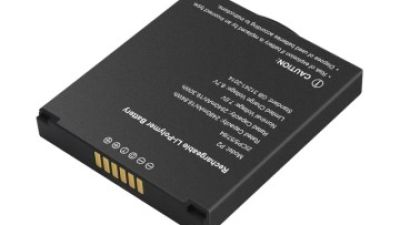
Essential Guide to Choosing the Right 7.6V 2540mAh Sunmi P2 Replacement Battery for Optimal Performance
When it comes to selecting the right battery for your device, the 7.6V 2540mAh replacement battery stands out due to its impressive performance features tailored for the most demanding applications. Offering a real capacity of 19.30Wh, this battery ensures stable and reliable performance essential for high-frequency transaction environments. Whether utilized for payment processing or retail transactions, it guarantees consistent power, which is critical for maintaining operational efficiency.
One of the key advantages of this replacement battery is its built-in smart protection circuit. This feature safeguards against common issues such as overcharging, short circuits, and over-discharging, enhancing the longevity and safety of your device. Moreover, the battery's compatibility with device specifications means that users can confidently integrate it without any modifications. CE, RoHS, and UN38.3 certifications offer added reassurance of its quality and safety standards, making it a reliable choice for those seeking prolonged use and peace of mind. With a 12-15 month warranty included, this battery is designed to support your device's performance while minimizing downtime.
FAQS
: Battery capacity is crucial for flight time. Higher capacity usually leads to longer flights, but may add weight.
Voltage impacts overall power output. Higher voltage can create more powerful flights but needs compatible drones.
Common types are LiPo, Li-ion, and NiMH. Each has unique traits for different flying needs.
LiPo batteries offer high energy density. They provide powerful boosts, ideal for acrobatics and heavy payloads.
Li-ion batteries are heavier but last longer. They have more charge cycles but lower discharge rates, limiting performance.
NiMH batteries are safer and can endure rough handling. However, they have shorter runtimes and lower energy density.
Store batteries in a cool, dry place. Regularly check for damage or swelling to prolong battery life.
Overcharging LiPo batteries can be risky. It may lead to damage or failure during operation, which requires careful handling.
Conclusion
In the quest for optimal flight performance, selecting the right drone battery is crucial. Various types of drone batteries, including LiPo, Li-ion, and NiMH, each possess distinct characteristics that influence flight duration and power output. Factors such as battery capacity, voltage, and proper maintenance play a significant role in enhancing a drone's performance. Higher voltage can increase flight time, but it is essential to choose a capacity that matches the drone's specifications.
Additionally, maintaining your battery through proper charging practices and storage can greatly extend its lifespan. As technology evolves, future trends in drone battery innovations promise to improve efficiency and power, potentially revolutionizing the capabilities of drones. Understanding these aspects can help enthusiasts make informed decisions in selecting the best drone battery for their needs, ensuring an enjoyable and efficient flying experience.