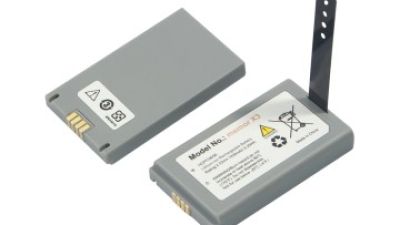
In the world of retail and service businesses, having a reliable Pos Machine Battery really makes all the difference. It’s what keeps transactions smooth and customers happy. Honestly, I know a lot of buyers out there get pretty overwhelmed trying to figure out which battery is the best fit. That’s exactly why I put together this quick guide — to help you make sense of the different options out there on the market.
Picking the right battery isn’t always straightforward — there are so many things to consider like capacity, compatibility, and how long it’ll last. Brands like Epson and Sam4s have a bunch of options, but not every battery performs well in real-world use. I’ve read plenty of reports from folks saying some models just don’t live up to expectations. Knowing what others have experienced can really help you make smarter choices.
And let’s not forget about the price differences around the world — what seems cheap in one place might not be worth it quality-wise. It’s super tempting to go for the lowest price, but investing in a good quality Pos Machine Battery that actually fits your needs can save you a lot of headaches later on. Trust me, a little extra spent now can prevent you from regrets down the line, especially when it keeps your business running smoothly and keeps your customers happy.
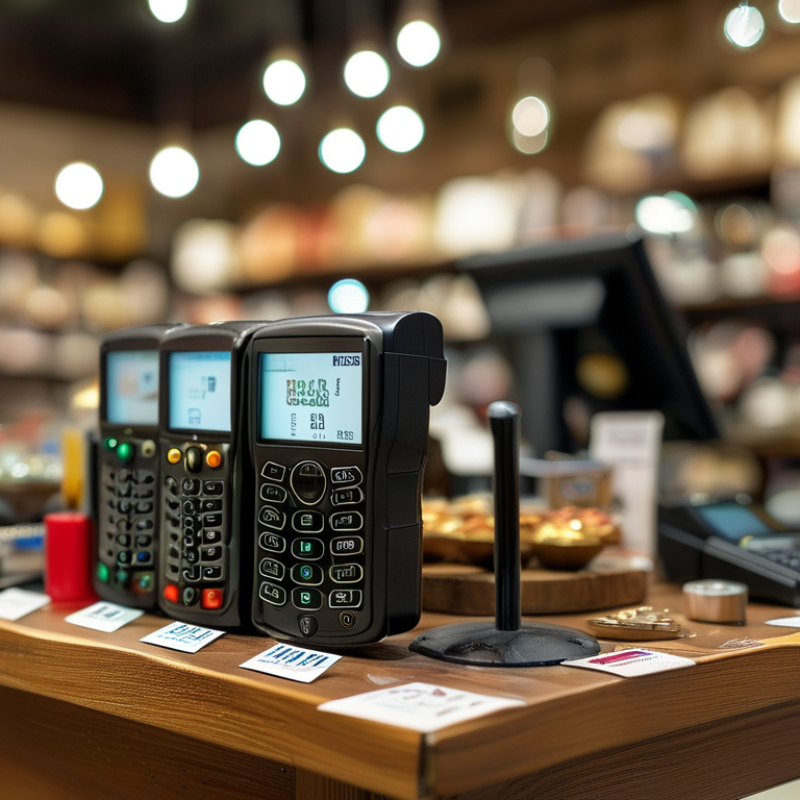
Best Pos Machine Battery Options for Global Buyers
The POS (Point of Sale) machine battery market has evolved significantly over the past few years. With the expansion of mobile commerce, reliable battery options are essential. Many global buyers seek batteries that provide longevity and rapid charging capabilities. Data from industry reports indicate that an estimated 40% of retail operators consider battery life a critical factor before making purchases.
When selecting a battery for POS machines, it’s important to consider capacity and performance metrics. Many batteries range from 2000 to 4000 mAh. Higher capacity means longer operational time, which is crucial for busy retail environments. However, durability must also be assessed. A battery that lasts long but fails prematurely can lead to frustration and financial loss. Some studies show that up to 38% of retailers experience issues related to battery performance, highlighting the need for careful consideration.
Moreover, environmental impact is becoming a focal point. Sustainable options are increasingly in demand, with reports indicating that over 60% of buyers are willing to invest in greener technology. While functional performance is vital, the societal shift towards eco-friendly alternatives cannot be overlooked. Balancing performance, longevity, and sustainability is challenging yet essential in making an informed decision. This complexity amplifies the importance of thorough research and understanding the specific needs of each business.
Understanding POS Machine Battery Types and Specifications
When selecting a POS machine battery, it's crucial to understand the different types available.
Lithium-ion batteries are common due to their high energy density and long lifespan. They charge quickly and provide reliable performance for busy retail environments. However, they might be more expensive upfront. Consider how often you will need to recharge the battery. Frequent charging can lead to reduced battery efficiency over time.
Another option is nickel-metal hydride batteries. They tend to be more affordable. While they may not last as long as lithium-ion, they are often easier to replace. Their lower energy density may require more frequent recharges. Assessing the total cost of ownership is essential. A cheaper battery may lead to higher long-term costs, especially if it needs frequent replacement.
Some models offer user-replaceable batteries. This feature can reduce downtime. In high-pressure situations, quick battery swaps can make a significant difference.
Always check for compatibility with your POS system. The specifications, including voltage and capacity, should match perfectly. In the end, understanding your specific needs will lead to a more informed decision in choosing the right POS machine battery.
Key Features to Consider When Selecting a POS Machine Battery
When selecting a POS machine battery, several key features are crucial for performance. Battery capacity is one of the most important factors. A battery rated at 5000mAh or higher typically offers longer operational life, especially for high-volume transactions. According to industry reports, a reliable POS machine battery can maintain its charge for up to 12 hours on a full charge. This is critical for businesses needing uninterrupted service.
Another essential feature is the battery's recharge time. A quick charge feature can significantly improve the efficiency of daily operations. Data shows that batteries with rapid charging capabilities can be charged up to 80% in just one hour. This feature is increasingly important for companies working in fast-paced environments.
Durability also matters. A battery's lifespan is often measured in charge cycles. Higher quality batteries deliver more cycles before replacement is needed. Current standards indicate that a good POS machine battery should last at least 300-500 charge cycles. Choosing a battery based on these metrics can enhance the overall operational reliability and reduce future costs, which are critical factors for any business aiming for sustained success.
Comparative Analysis of Popular POS Machine Battery Brands
In the ever-evolving world of POS machines, battery performance significantly impacts usability. A recent industry report indicates that nearly 70% of users prioritize battery life when selecting a POS system. Brands vary greatly in their efficiency, with some models offering up to 14 hours of operation under continuous use, while others fall short at around 6 hours. This discrepancy can affect transaction speed and customer satisfaction in retail and service sectors.
When analyzing various battery brands, one must consider capacity and recharge cycles. Studies show that high-capacity lithium-ion batteries tend to maintain performance better over time. Surprisingly, many users overlook the importance of battery maintenance. A poorly maintained battery can lead to rapid degradation, reducing overall efficiency. Data suggests that improper charging habits can decrease battery lifespan by up to 40%, a crucial consideration for frequent users.
Despite the advancements in battery technology, challenges remain. Many products on the market struggle with compatibility issues across different POS machines. Users may have to deal with discrepancies in voltage and connector types. This can result in added costs and frustrations. It is vital to conduct thorough research before making a purchase. Understanding the specific needs of a business will lead to more informed decisions.
Best Pos Machine Battery Options for Global Buyers
| Battery Type |
Capacity (mAh) |
Voltage (V) |
Average Lifespan (Cycles) |
Weight (g) |
Price ($) |
| Lithium-ion |
4000 |
3.7 |
500 |
150 |
35 |
| NiMH |
2500 |
1.2 |
300 |
200 |
25 |
| Lead Acid |
5000 |
12 |
200 |
300 |
40 |
| Li-Polymer |
3000 |
3.7 |
600 |
100 |
30 |
Cost-Effectiveness of Different POS Machine Battery Options
When choosing a battery for a POS machine, cost-effectiveness is crucial. A recent industry report indicates that the average cost of a battery for retail POS systems ranges from $30 to $200. Factors such as battery lifespan, recharge cycles, and maintenance significantly impact overall expenses. Short-term savings on cheaper batteries can lead to higher replacement costs in the long run.
Many retailers overlook the total cost of ownership when selecting a Retail Pos Battery. Inconsistent performance due to low-quality batteries can disrupt operations. Businesses can experience downtime of up to 5% annually, translating to potential revenue losses. Investing in a reliable battery can mitigate these risks. Higher-quality batteries typically offer better longevity and stability, ensuring a smoother operation.
The market for batteries in POS systems has seen rapid growth. According to a recent report by MarketWatch, the global POS battery market is expected to expand significantly in the next five years. This growth opens doors for buyers to explore diverse options, but they must weigh their choices carefully. For businesses with high transaction volumes, the right retail POS battery can prove to be a game-changer.
How Battery Capacity Affects POS Machine Performance
When considering the performance of POS machines, battery capacity plays a crucial role. A robust battery ensures that devices run longer during transactions. For businesses, reliability in battery life means fewer disruptions. Customers expect seamless service, and a strong battery helps maintain that experience.
However, not all batteries are equal. Some may offer high capacity but fail to deliver consistent performance. Testing different batteries can sometimes lead to disappointment. What feels powerful at first may not last through the day. Regularly monitoring battery life is essential to catch any drops in performance early. This is especially true for Handheld Pos Battery options, where portability meets power needs.
Choosing the right battery also involves understanding your specific needs. High-capacity batteries may be necessary for busy locations, but they can also add weight. Finding a balance between power and portability is key. Business owners should assess their typical transaction volume. Are they prepared for a day of busy sales? Reflecting on these questions will lead to better choices in battery selection.
User Reviews and Ratings for Leading POS Machine Batteries
When selecting a POS machine battery, user reviews provide invaluable insights. Many buyers emphasize the importance of battery longevity. A reliable battery should last for multiple hours, even with continuous use. Often, users express frustration when batteries fail to meet their expectations. They share experiences of short life spans and the inconvenience caused during peak business hours.
Another common theme in reviews is charging speed. Fast charging can dramatically reduce downtime for business operations. Users have pointed out that some batteries charge quickly but do not maintain consistent performance. This feedback highlights the need for buyers to carefully consider reliability, not just charging times. The experiences shared by users can help others make informed decisions.
While many batteries receive high ratings, not all perform equally well under different conditions. Factors such as temperature and frequency of use may impact functionality. Understanding how these variables affect battery performance is crucial. It's clear that thorough research, coupled with reviews, can lead to better choices for both new and experienced buyers. Making an informed decision is essential for ensuring smooth business operations.
Best POS Machine Battery Options for Global Buyers
Tips for Maintaining and Extending the Life of POS Machine Batteries
Maintaining the health and lifespan of POS machine batteries is crucial for any business involved in retail or event services. Industry reports indicate that battery-related issues account for nearly 20% of interruptions in transaction processes. Therefore, understanding how to extend battery life can prove beneficial. One effective strategy involves optimizing usage patterns. Keeping the machine off when not in use reduces unnecessary battery drain. Additionally, operating in moderate temperature environments can enhance battery performance, as extreme temperatures can lead to rapid degradation.
Regularly monitoring the battery's health is essential. Tools and software provide insights into battery life and usage statistics. These systems identify when a battery reaches a critical charge level. According to expert research, batteries with a consistent charge cycle generally last longer than those that frequently drop to zero. Another key aspect is ensuring proper storage. If a POS machine is not in constant use, storing it with a partial charge (around 50%) is preferable. This method helps prevent deep discharge, which can permanently damage cells.
Consider also the age of your Logistics Pos Battery. As with most technology, older batteries may not hold a charge as effectively. In fact, studies suggest that batteries older than two years can lose up to 30% of their initial capacity. Awareness of these factors is vital for optimizing performance and minimizing downtime. Implementing these strategies can help redefine the way businesses approach battery management for POS machines.
Assessing the Impact of Battery Performance on Datalogic Memor X3 Efficiency with 3.7V 1430mAh Replacement Solutions
The efficiency of data collection and scanning operations in demanding business environments largely hinges on the performance of mobile devices, particularly the batteries that power them. A robust solution for enhancing the operation of data collection devices, such as tablets and scanners, is a high-capacity battery designed with real-world applications in mind. Featuring a 3.7V output and a capacity of 1430mAh, this battery offers a substantial 5.29Wh real capacity, ensuring stable and reliable performance essential for continuous use.
In environments where efficiency and reliability are paramount, this battery stands out with its built-in smart protection circuit, which safeguards against overcharging, short circuits, and over-discharge. Safety is further bolstered by over-temperature protection, making it a safe choice for various applications. Its compatibility with existing devices obviates the need for modifications, thereby simplifying the transition to this reliable power source. Moreover, with certifications like CE, RoHS, and UN38.3, along with a generous warranty of 12-15 months, users can trust in the durability and performance of this battery, making it an ideal replacement solution for seamless data collection and warehouse scanning tasks.
FAQS
: Lithium-ion and nickel-metal hydride batteries are the most common options.
They have high energy density, long lifespan, and charge quickly.
Yes, they are often more affordable but might require more frequent recharges.
Users emphasize reliability and life span. Many expect batteries to last several hours.
Fast charging reduces downtime, but reliability is more critical than just speed.
No, only some models offer user-replaceable batteries, which can reduce downtime.
Temperature and frequency of use significantly impact how batteries function in practice.
Always check the specifications, like voltage and capacity, before making a purchase.
While they might save money upfront, they can lead to higher long-term costs if frequently replaced.
Buyer experiences help identify common issues, including lifespan and performance under different conditions.
Conclusion
When selecting a POS machine battery, it's essential to understand the different types and specifications available in the market. Key features to consider include battery capacity, lifespan, and compatibility with various POS systems. A comparative analysis of popular brands highlights the variations in performance and cost-effectiveness, helping global buyers make informed decisions.
The capacity of a POS machine battery significantly impacts the device's performance, determining how long it can operate without recharging. User reviews and ratings further assist in identifying reliable options. To extend the life of your POS machine battery, following maintenance tips such as proper charging practices and storage conditions is crucial. By considering these factors, buyers can ensure they choose the best battery suited to their needs.