In the fast-evolving world of logistics, efficient procurement of Stacker Batteries has become vital. Industry expert John Anderson, CEO of PowerMax Solutions, emphasizes, “Making informed choices is key to maximizing the life of your Stacker Battery.” This highlights the need for both knowledge and strategy in the procurement process.
Understanding battery specifications, compatibility, and maintenance is critical. Stacker Batteries come in different shapes and sizes, designed for various applications. Knowing your equipment and its requirements can prevent costly mistakes. The market is flooded with options, but not all are reliable. Some suppliers may offer low prices but at the cost of quality.
Moreover, it is essential to reflect on how often we revise our procurement strategies. Are we still relying on outdated metrics or past experiences? Ensuring efficiency also means questioning our current suppliers. Regular assessments of battery performance can lead to better purchasing decisions. The goal should be to strike a balance between cost and reliability in Stacker Battery procurement, ensuring long-term value for your operations.

Understanding Stacker Batteries and Their Importance in Operations
Stacker batteries play a critical role in modern operations, particularly in industries relying on material handling equipment. These batteries power stackers, enabling them to lift and move heavy loads efficiently within warehouses and distribution centers. Understanding their specific requirements is essential for maintaining optimal performance.
Effective procurement of stacker batteries hinges on understanding their unique characteristics. A deep knowledge of different battery types helps in selecting the right model for your operational needs. Factors such as weight capacity, charging time, and lifespan should be considered. It’s common to overlook the importance of regular maintenance, which can lead to performance drops or even equipment failures.
The procurement process can be challenging, particularly when balancing cost with quality. Many organizations struggle to find suppliers that offer reliable products. It's important to seek guidance from industry experts or conduct thorough research before making a purchase. This can help in avoiding costly mistakes and ensure that the chosen battery integrates well with existing operations.
Key Factors to Consider When Sourcing Stacker Batteries
When sourcing stacker batteries, several key factors demand attention to ensure an efficient procurement process. Understanding battery chemistry is crucial. Lithium-ion batteries are popular due to their higher energy density and longer life span. In fact, a recent report from the International Energy Agency noted that lithium-ion batteries have an energy efficiency of up to 95%, significantly outperforming traditional lead-acid options.
Cost is another critical factor. The initial investment in high-quality stacker batteries may seem steep. Yet, considering the potential savings on maintenance and energy, this could lead to reduced operational costs over time. According to a market analysis from Global Market Insights, the total lifetime cost of ownership is a vital consideration. Failing to evaluate this can lead to unexpected expenses in the future.
Additionally, sourcing from reliable suppliers enhances procurement efficiency. Assessing supplier reputation through industry reviews and certifications is essential. Some suppliers may offer attractive prices but lack reliability or quality assurance. Inadequate research can lead to poor battery performance, affecting your operations negatively. Always look for suppliers with a proven track record. Moreover, testing the batteries before bulk procurement can prevent long-term issues, ensuring that the investment aligns with business needs.
Strategies for Evaluating Battery Specifications and Performance
When ensuring efficient procurement of stacker batteries, evaluating specifications and performance is crucial. According to a report by Grand View Research, the global battery market is expected to reach $120 billion by 2025. This growth emphasizes the need for informed decisions on battery selection.
Battery specifications can vary significantly. Common metrics include capacity, voltage, and discharge rates. Understanding these parameters is essential. For instance, a battery with a higher capacity may not always outperform a lower-capacity one if its discharge rate is inadequate for your needs. Be wary of claims on performance; sometimes, these numbers don't reflect real-world usage.
Tip: Always cross-reference specifications with independent testing data. Verification can reveal discrepancies in performance claims.
Performance is not just about numbers. Quality assurance matters. Look for batteries that have undergone rigorous testing, such as UL certification. This certification indicates compliance with safety and performance standards. Additionally, consider environmental factors; temperature can affect performance. A battery performing well at room temperature may fail in extreme conditions.
Tip: Review user testimonials and case studies. Practical experiences often provide insight beyond technical specifications.
In the quest for effective battery procurement, scrutinizing specifications and performance metrics pays off. Focus on real-world usage to identify what’s best for your operation.
Best Practices for Supplier Assessment and Selection
When selecting a supplier for stacker batteries, thorough assessment is crucial. Understanding the capabilities and reliability of potential suppliers can save costs and ensure quality. Start by establishing clear criteria that align with your operational needs. Focus on experience in the industry and the types of batteries they provide.
One effective tip is to request detailed documentation. This should include quality certifications and performance data. Look at the supplier's track record in meeting delivery schedules. If they frequently miss deadlines, they may not be the right partner. Additionally, check for customer testimonials. These insights can reveal potential red flags.
Another tip is to perform site visits when possible. Observing the supplier's operations can offer clarity on their processes and quality control measures. Engaging with their team can help you gauge their expertise in stacker batteries. Sometimes, initial assessments may overlook key issues. Reflecting on the supplier's flexibility in modifying products is also essential. This adaptability can be critical as your needs evolve.
Best Stacker Battery Tips for Efficient Procurement
Effective Inventory Management for Stacker Batteries
Effective inventory management is crucial for stacker batteries. An organized system helps prevent shortages and overstock issues. Track battery levels regularly to avoid unexpected downtime in operations. Utilize technology, like inventory management software, to monitor usage patterns effectively. This can provide insights into reorder points and optimal stock levels.
Consider implementing a first-in, first-out (FIFO) approach. This strategy ensures older batteries are used first, reducing waste from expired inventory. Regular audits can reveal discrepancies in your stock. Addressing these issues promptly prevents larger financial losses in the long run. Remember, not all suppliers have the same reliability; evaluate their performance periodically.
Training staff on proper battery handling and storage is often overlooked. Knowledgeable personnel can prevent damage and extend battery life. Encourage open communication within your team to discuss inventory challenges. Regular meetings can foster a culture of proactive problem-solving. Recognizing weaknesses in inventory management can lead to stronger processes and improved efficiency.
Cost Considerations in Stacker Battery Procurement
When procuring stacker batteries, cost considerations can significantly impact overall efficiency. According to a survey by the International Battery Association, nearly 30% of companies cite budget constraints as a key barrier to implementing advanced battery solutions. This statistic highlights the importance of carefully evaluating procurement strategies.
Understanding total cost of ownership (TCO) is crucial. TCO encompasses not just the initial purchase price but also maintenance, charging, and lifespan. Industry reports indicate that high-quality batteries may have a 20% higher upfront cost but can deliver 40% more cycles, resulting in lower long-term expenses. Organizations must weigh these figures against their operational needs and budget limitations.
Additionally, procurement decisions should consider market fluctuations. In recent years, prices for raw materials such as lithium and cobalt have shown volatility. A report from the Global Battery Alliance noted that these fluctuations could cause a 15% to 25% variation in battery costs over just a few months. Organizations should build flexibility into their procurement plans to adapt to these changes. A proactive approach can enhance budget efficiency while securing reliable battery performance.
Steps for Ensuring Sustainable and Eco-Friendly Battery Choices
When selecting batteries, sustainability is a priority. Research shows that around 300 million batteries are disposed of annually, contributing significantly to landfill waste. This necessitates a shift toward eco-friendly alternatives. Many manufacturers now offer rechargeable batteries, which are not only cost-effective but help decrease the environmental impact.
Choosing batteries made from recycled materials is crucial. According to industry studies, batteries recycled properly can save up to 65% of the energy used in production. However, only about 5% of batteries are recycled. This highlights the need for improved recycling infrastructure and consumer awareness. Embracing sustainable practices in procurement can lead to significant reductions in carbon footprints.
It's essential to remain informed about battery technology advancements. New materials are being explored, like sodium-ion. These options could prove to be more sustainable alternatives compared to traditional lithium-ion batteries. Evaluating the lifecycle impact of batteries remains vital. Understanding both the benefits and limitations of current technologies is necessary for responsible procurement decisions.
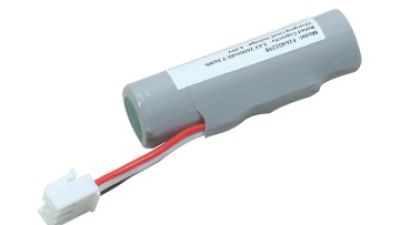
Revitalize Your Ingenico Move2500: The Ultimate Guide to 3.7V 2600mAh Replacement Battery F26402298
Revitalizing your Ingenico Move2500 with a new replacement battery is essential for maintaining its performance, especially in high-frequency transaction environments. The 3.7V 2600mAh battery is designed to provide stable and reliable power, with a real capacity of 9.62Wh that ensures uninterrupted operation during crucial payment processing tasks. With fast charging support, this battery allows for minimal downtime, which is vital for retail operations that rely on constant transaction capabilities.
Moreover, safety is a key feature of this replacement battery. It includes a built-in smart protection circuit that safeguards against overcharging, short circuits, and over-discharging, thus prolonging its lifespan and enhancing reliability. Fully compatible with Ingenico device specifications, this replacement battery requires no modifications, making it an effortless upgrade for your payment processing device. Certified under CE, RoHS, and UN38.3 regulations, it also comes with a 12-15 month warranty, providing peace of mind for users who depend on their devices daily.
Ideal for models such as IWL220, IWL250, and IWL255, this battery is specifically tailored to meet the demands of retail transactions, guaranteeing consistent power and optimal performance when it matters most. By choosing this replacement battery, you can ensure that your Ingenico Move2500 remains a dependable tool in your payment processing arsenal.
FAQS
: Important metrics include capacity, voltage, and discharge rates. Each impacts performance differently.
Cross-reference specifications with independent testing data. This helps to uncover discrepancies.
Quality assurance, like UL certification, ensures safety and performance. It’s crucial for reliability.
Conditions like temperature influence battery efficiency. A battery may fail under extreme heat or cold.
Implement a first-in, first-out (FIFO) approach. This ensures older batteries are used first, minimizing expiry waste.
Trained personnel help prevent damage and extend battery lifespan. Knowledge is key to efficient inventory.
TCO includes purchase price, maintenance, charging, and lifespan. Evaluate these for informed decisions.
Prices for raw materials can vary greatly. This can lead to significant changes in battery costs.
Build flexibility into procurement plans. This can help secure consistent and reliable battery performance.
Discrepancies in stock can occur. Regular audits and open team communication can address these issues effectively.
Conclusion
Efficient procurement of stacker batteries is essential for optimizing operational performance in various industries. Understanding the fundamental role of stacker batteries can help businesses make informed decisions. When sourcing these batteries, it's crucial to consider key factors such as specifications, performance metrics, and supplier credibility. Evaluating these aspects ensures that organizations select reliable suppliers and the right products.
Additionally, effective inventory management practices are vital for maintaining an adequate supply of stacker batteries while minimizing costs. Companies should also focus on sustainable options for battery procurement, as eco-friendly choices contribute positively to both operations and the environment. By following these guidelines, businesses can enhance their stacker battery procurement strategies, leading to improved efficiency and long-term benefits.