Trying to pick the right Lithium Battery Power Station can feel pretty overwhelming at first. Honestly, with so many options out there, it’s easy to get a little lost. The key is really understanding what you actually need—are you going to use it mainly for camping, home backup, or something else? You’ll find lots of brands offering a range of models tailored for different uses. For example, portable power stations from Goal Zero or Jackery are super popular among outdoor folks—they’re lightweight, reliable, and perfect for camping trips.
When you’re choosing a lithium power station, think about the capacity and what kind of power output you need. Bigger units can run appliances or tools, while the smaller ones are better suited for charging phones and gadgets. Also, check out how fast they charge and whether they’re versatile—like, can they be recharged using solar panels? That’s a major plus for convenience.
And hey, don’t forget to rely on solid reviews and expert advice; not all units are created equal. Brands like Anker and EcoFlow tend to have good reputations, so they’re worth looking into. Remember, this isn’t just some purchase—it’s an investment in your energy freedom. Picking the wrong one could leave you frustrated or just plain underpowered, so make sure to do your homework and reflect on what really matters for you before pulling the trigger.
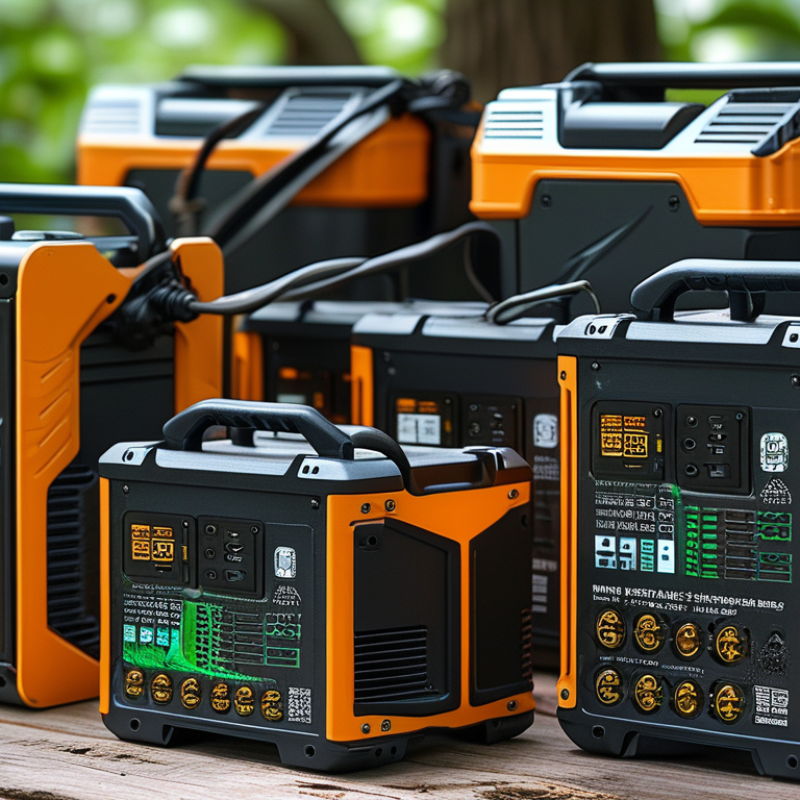
Understanding Lithium Battery Power Stations and Their Uses
Lithium battery power stations have gained popularity for their versatility and efficiency. These units are often used for outdoor activities, emergency backup, and even as part of home energy storage systems. According to a report by the International Energy Agency, global demand for lithium-ion batteries is expected to soar, potentially exceeding 2,000 GWh by 2030. This growth highlights the increasing reliance on lithium-ion battery power stations in our daily lives.
Users often seek these power stations for their portability and power capacity. A typical lithium-ion battery power station can range from 100Wh to over 2,000Wh. This means you can power small devices like smartphones and laptops, or larger appliances such as refrigerators. Despite their benefits, some users face challenges with charging speed or compatibility with certain devices. It's essential to understand your needs and the specifications of your lithium-ion battery power station before purchasing.
Moreover, factors such as weight and size can affect usability. A heavy unit may be less convenient for travel. For those in need of a compact solution, there could be trade-offs to consider. Battery lifespan is also a key factor; it's advisable to look for models with robust cycle life. Ultimately, knowing how you plan to use your lithium-ion battery power station can lead to a better choice, minimizing potential disappointments.
Key Features to Consider When Choosing a Lithium Battery Power Station
When choosing a lithium battery power station, it's essential to assess key features that cater to your needs. One critical aspect is capacity, measured in watt-hours (Wh). According to industry reports, an average portable power station ranges from 300Wh to 3000Wh. Consider how long you plan to use the devices. For instance, if you need continuous power for a camping trip, opt for a higher capacity.
Another important feature is the number of output ports. A versatile power station should offer multiple USB outlets, AC outlets, and DC ports. A report from the Portable Power Association highlights that users often require simultaneous charging for various devices. If you're traveling with a group, having enough ports can significantly enhance the experience. Battery chemistry also matters. Lithium iron phosphate (LiFePO4) batteries last longer and are more thermally stable than their counterparts.
Weight and portability certainly affect your choice. A heavier unit may deliver higher performance but can be cumbersome. According to user reviews, many prioritize lightweight designs for outdoor trips. However, sacrificing some capacity for portability could limit usage time. Reflect on your needs before making a decision. Personal experiences in using these power stations reveal that flexibility and reliability should guide your selection process.
How to Choose the Best Lithium Battery Power Station for Your Needs?
| Feature |
Description |
Importance |
| Capacity (Wh) |
Total energy storage of the power station. |
Determines how long devices can be powered. |
| Number of Ports |
Total USB, AC, and DC output ports available. |
Affects the number of devices you can charge simultaneously. |
| Weight |
Total weight of the unit. |
Important for portability and ease of transport. |
| Charging Speed |
Time taken to fully charge the power station. |
Affects how quickly you can be ready to use it. |
| Durability |
Resistance to elements and impacts. |
Essential for outdoor use and longevity. |
| Solar Capability |
Ability to be charged via solar panels. |
Allows for renewable energy use and independence. |
| Price |
Cost of the power station. |
Must fit within budget while meeting needs. |
Assessing Your Power Needs and Device Compatibility
Assessing your power needs is crucial when selecting a lithium battery power station. Start by identifying the devices you plan to use. Consider their wattage requirements. For instance, a laptop may need around 50 to 100 watts, while a small fridge may require 100 to 200 watts. Create a list of all devices and their wattage. This will guide you in choosing the right battery capacity.
Next, think about how long you'll use these devices. If you plan to power them for several hours, you'll need a larger battery. Calculate the total watt-hours required. If you have a device that runs for five hours at 200 watts, you need at least 1000 watt-hours. Many models display this information, simplifying your decision.
Compatibility is another key consideration. Make sure the power station has the right outlets for your devices. For example, some devices may require USB-C charging. Check also if the power station can handle your devices simultaneously. This is important, especially when using multiple items. It’s worth reflecting on your choices and ensuring you prioritize both current and future needs.
Evaluating Capacity, Runtime, and Portability Options
When selecting a lithium battery power station, capacity and runtime are critical. Capacity is usually measured in watt-hours (Wh). A typical portable power station ranges from 200Wh to over 3000Wh. Depending on your needs, you might require different capacities. For camping, a small unit with 250Wh may suffice, while an off-grid house might necessitate a larger system.
Runtime cannot be overlooked. It varies based on the devices you plan to power. For example, a 300Wh battery can run a laptop for about 10 hours, assuming a 30W draw. Understanding your devices' power consumption helps in estimating the runtime correctly. Look for reported efficiencies from manufacturers. Remember that real-world performance may differ from theoretical calculations.
Tip: Always check the battery's discharge rate. Lower rates usually extend battery life and runtime.
Portability is equally important. Many weigh between 10-30 pounds, and easy-to-carry handles are convenient for outdoor use. While larger units often offer more capacity, they may sacrifice portability. Reflect upon your specific use cases to determine what's right.
Tip: Assess how often you'll transport it. If it’ll be a frequent travel companion, prioritize weight and size.
Comparing Charging Times and Solar Power Capabilities
When selecting a Lithium Battery Portable Power Station, it's crucial to consider charging times and solar power capabilities. Charging time significantly impacts how quickly you can use your device. Different stations have varying input capacities that determine how fast they recharge. Some may take hours, while others can be more efficient. An ideal station should support rapid charging to minimize downtime.
Solar power capabilities are another critical aspect. If you plan to use your station outdoors, a model with robust solar charging options is essential. This feature allows for sustained power generation during long excursions. Check the solar panel compatibility of each model. Investing in higher wattage solar panels can enhance charging efficiency directly from sunlight.
Tips: Look for stations that offer dual charging options. This allows for both wall and solar charging, providing flexibility in various situations. Also, consider the portability factor. Some models are heavier and may be cumbersome for camping trips. Light options are more convenient but may lack power during high-demand scenarios. Balancing capacity and portability is key.
Comparison of Lithium Battery Power Stations
This chart compares the charging times and solar power capabilities of various lithium battery power stations.
Analyzing Price Points and Manufacturer Support
When selecting a Lithium
Battery Power Station, consider the manufacturer's support alongside pricing. Reliable support can make a significant difference. Look for manufacturers with a solid customer service reputation. This can save you time and frustration down the line, especially when technical issues arise.
Take time to research the pricing.
Higher prices don’t always mean better quality. Compare features across different products. Some models might have a lower initial cost but can incur higher long-term expenses. Assess the warranty offered, which often indicates the manufacturer's confidence in their product.
Here are some tips: Review customer feedback online. Don’t ignore negative comments. They may reveal weaknesses in product performance or support. Reach out to potential manufacturers with questions. Their responsiveness can reflect on their overall customer service quality. Purchasing a Battery Power Station is an investment. Make sure it meets your needs and expectations.
Reading User Reviews and Seeking Recommendations
When selecting a lithium battery power station, user reviews are invaluable. They give real insights from those who have used the products. According to recent market research, 67% of consumers rely on user feedback when making purchases in this sector. This statistic highlights the importance of considering other users' experiences before making a decision.
Reading through reviews can reveal common issues. Users often mention the weight and portability of Battery Powered Power Stations. Heavier models may struggle in terms of ease of transport. Many reviews also emphasize battery capacity and charging times. A power station with a capacity below 500Wh might not meet the needs of all users.
**Tip:** Look for reviews that specifically discuss long-term usage. This information can be crucial for understanding reliability.
Additionally, check multiple sources for recommendations. Forums and social media groups can offer different perspectives. While reviews are helpful, they can sometimes be biased. Comparing a range of opinions can provide a clearer picture of what to expect.
**Tip:** Always consider average user ratings and number of reviews. A higher number of reviews usually signifies reliability.
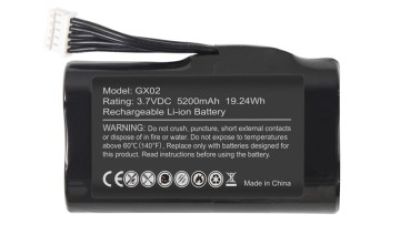
Maximizing Performance: The Ultimate Guide to 3.7V 5200mAh NEXGO GX02 N3 N5 Replacement Battery Selection and Care
When it comes to selecting the ideal replacement battery for payment processing devices, the 3.7V 5200mAh battery stands out as an optimal choice. With a real capacity of 19.24Wh, it provides stable and reliable performance, ensuring consistent power supply during high-frequency transactions. This is particularly vital for retail environments where the efficiency of operations can significantly impact customer satisfaction and business flow.
Furthermore, safety is a paramount concern, and this battery is equipped with a built-in smart protection circuit. It safeguards against potential hazards such as voltage spikes, overcharging, short circuits, and over-discharging. Such features not only prolong the lifespan of the battery but also guarantee seamless performance, making it 100% compatible with the specifications of devices without requiring any modifications. Certified by CE, RoHS, and UN38.3, this battery comes with a 12-15 month warranty, offering peace of mind alongside advanced technology.
FAQS
: It is a versatile and efficient energy source, popular for outdoor use and emergency backup.
They typically range from 100Wh to over 2,000Wh, suitable for small devices and larger appliances.
Think about capacity, charging speed, device compatibility, and the weight of the unit for your needs.
Capacity, measured in watt-hours, determines how long devices can run. Different scenarios require different capacities.
Runtime varies by device power consumption. Understanding this is crucial for planning how long your station can supply power.
Many weigh between 10-30 pounds. If you travel often, consider weight and size for ease of transport.
Look for models with good cycle life. This will help ensure long-term usability and reliability.
Users may encounter slow charging speeds or issues with device compatibility. Careful selection can mitigate these issues.
Assess the power draw of your devices. Review manufacturer efficiency claims too, as real-world performance varies.
Consider your specific use cases. A larger unit may offer more power, but it could compromise portability for travel.
Conclusion
When choosing the best Lithium Battery Power Station for your needs, it's essential to start by understanding what these power stations are and their various uses. Key features such as capacity, runtime, portability, and compatibility with your devices should be carefully assessed to ensure that you select a model that meets your specific requirements. Evaluating charging times, especially for solar capabilities, can also impact your decision, as efficiency is crucial for off-grid situations.
Additionally, comparing price points and evaluating the support from manufacturers will help you make an informed choice. Reading user reviews and seeking recommendations can provide valuable insights into the performance and reliability of different models. By considering all these factors, you can confidently select a Lithium Battery Power Station that fits your lifestyle and demands.