When you're trying to pick the best Lithium Ion Battery Cells, having some expertise really comes in handy. Dr. Emily Carter, a seasoned pro in battery tech at VoltTech, points out, "Choosing the right battery cell can make all the difference in how well it performs and how long it lasts." So, yeah, it’s pretty clear that knowing what you need is super important.
Different gadgets and applications have their own quirks when it comes to Lithium Ion Battery Cells. For example, high-drain devices need cells that can discharge quickly, while energy storage systems really benefit from cells that last through many charge cycles. Just grabbing any random cell without checking its specs? That’s a surefire way to end up frustrated when it underperforms. Picking batteries without paying attention to their details can definitely trip you up.
A lot of folks underestimate how important specs are—like capacity or voltage. Skipping that part can lead to wasting time and money on the wrong stuff. It’s honestly a good idea to chat with some industry pros to make smarter choices. Remember, every decision you make affects the end-user experience—so, taking the time to pick wisely? Totally worth it for a smoother, more successful outcome.

Understanding Lithium Ion Battery Cells and Their Applications
Lithium-ion battery cells play a crucial role in various applications, from consumer electronics to electric vehicles. These cells are known for their high energy density, lightweight nature, and low self-discharge rates. Research suggests that lithium-ion batteries can deliver 200-250 watt-hours per kilogram, making them a top choice for mobile devices and renewable energy storage.
When selecting the right lithium-ion cells, it's essential to understand their applications. For example, cells designed for electric vehicles often prioritize longevity and quick charging capabilities. In contrast, cells for portable electronics focus on compact size and weight. Reports indicate that the global lithium-ion battery market is expected to reach $129.3 billion by 2027, primarily driven by the demand for electric vehicle batteries. However, not all cells offer the same quality, and users must navigate specifications carefully.
It's crucial to consider factors like cycle life and temperature tolerance. Some batteries may not perform well in extreme temperatures. A study highlighted that a drop in temperature can reduce the efficiency of lithium-ion cells by up to 20%. This variability can impact user experience, requiring careful thought about environmental conditions during usage. The data emphasizes that understanding these nuances is essential for making informed decisions on battery cell selection.
Key Factors Influencing Lithium Ion Battery Performance
When selecting Lithium Battery Cells, several factors directly affect performance. Capacity is essential; it determines how much energy the battery can store. A higher capacity often leads to longer runtime but may increase size and weight. Consider the application. For lightweight devices, smaller, lighter cells may be preferable, even if they're lower in capacity.
Another crucial factor is discharge rate. Cells with a high discharge rate perform well in power-intensive applications, like electric vehicles. However, higher discharge rates can risk overheating. Balance is key.
Tips: Check the cell's cycle life. Cells with longer lifespans may save money over time. Look for data sheets; they provide detailed performance metrics. Always ensure that the cells meet safety standards.
Temperature tolerance is another aspect to weigh. Batteries perform worst in extreme heat or cold. Using them in inappropriate temperatures could reduce lifespan drastically.
Tips: Test the batteries in your specific environment before committing. Remember, environmental conditions matter significantly. Taking time to understand these factors will impact your selection of lithium battery cells.
Evaluating Battery Capacity and Voltage Requirements
When selecting lithium ion battery cells, evaluating battery capacity and voltage requirements is critical.
Battery capacity, typically expressed in milliampere-hours (mAh), determines how long a battery can supply power.
For instance, a battery with a capacity of 2000mAh can power a device drawing 200mA for up to 10 hours.
This is an essential factor for applications ranging from consumer electronics to electric vehicles.
Reports indicate that the demand for higher capacity cells is rising, driven by the need for longer-lasting energy solutions.
Voltage requirements should align with the device's needs. Most consumer devices operate within 3.7V to 4.2V.
However, specific applications may require higher or lower voltages. Understanding the voltage specifics helps prevent damage.
Over-voltage can lead to overheating or even failure, while under-voltage may result in poor performance. A mismatch here could mean wasted resources or safety hazards.
It’s worth noting that available capacity does not always meet expectations.
Real-world usage shows disparities between rated capacity and measured performance.
Environmental factors and usage patterns contribute to these variances.
Therefore, continually monitoring battery performance is essential.
It’s crucial to reassess your battery needs over time, considering both capacity and voltage.
For those exploring options, an Aa Lithium Ion Battery offers versatility.
However, remain cautious of manufacturers' claims and seek verified data to make informed decisions.
Assessing Cycle Life and Durability of Battery Cells
When selecting lithium-ion battery cells, assessing their cycle life and durability is essential. Cycle life refers to how many charge and discharge cycles a battery can endure before its capacity significantly declines. A cell with a higher cycle life generally offers better longevity and can save costs over time. Understanding this metric helps in choosing the right battery for your application, whether it’s for an electric vehicle or renewable energy storage.
Durability is also crucial. It encompasses the battery's ability to withstand different conditions, such as temperature fluctuations and mechanical stresses. Some cells may perform well under ideal conditions but fail when exposed to harsher environments. Exploring real-world testing data and user experiences can help gauge a cell's reliability. It’s important to read multiple reviews and case studies. Not all specifications and claims are created equal. Real-world performance often varies.
Battery technology is evolving, but no cell is perfect. Users sometimes overlook how environmental factors can affect overall performance. The promise of high-capacity batteries often comes with trade-offs. Understanding these nuances can enhance decision-making and ensure that the chosen lithium-ion cells meet specific needs effectively.
Identifying Safety Standards and Certifications for Batteries
When selecting lithium-ion battery cells, safety should be your top priority. Understanding safety standards can help you make the right choice. Look for certifications like UL, IEC, or CE. These ensure that the battery meets rigorous safety requirements. A certified Lfp Lithium Ion Battery is typically more reliable and suitable for consumer use.
Tips: Always check the certification labels on the battery packaging. This small step can prevent potential safety issues. Some batteries may look similar but lack proper certifications. Reliable suppliers provide clear information on safety credentials.
Not all batteries are created equal. It’s important to research their performance in various scenarios. Review user feedback about real-world usage and safety incidents. Some batteries may not perform well under high temperatures or heavy loads. Reflect on what features matter for your specific needs. This careful consideration can promote overall safety and efficiency.
Comparing Costs and Value of Different Lithium Ion Battery Options
When comparing costs and values of lithium-ion battery cells, it’s essential to consider various factors. The price range can vary significantly based on capacity and chemistry. Reports estimate that the average cost of lithium-ion batteries has dropped by more than 80% since 2010, making electric vehicle (EV) batteries more accessible. The growth rate in the industry suggests prices will continue to decline, with projections stating costs could fall below $100 per kWh by 2025.
However, while affordable options exist, understanding your specific needs is vital. Higher energy density batteries may come at a premium, but they offer better performance for applications requiring longevity and power. A recent study revealed that high-quality cells can yield an efficiency of about 90%, compared to cheaper variants that often only reach around 80%. This performance gap can greatly impact long-term savings.
**Tips:** Always analyze the total cost of ownership, not just the initial price. Reassess your power needs regularly to avoid under or over-specifying batteries. If durability and lifespan are primary concerns, invest in batteries known for reliability, even if they are pricier upfront. Make sure to keep abreast of industry advancements, as new technologies can lead to more efficient and cost-effective options emerging quickly.
Researching Reputable Brands and Manufacturers in the Market
When selecting lithium-ion battery cells, brand reputation is vital. Researching manufacturers ensures you choose reliable products. The industry shows that around 70% of battery performance depends on the quality of the cells. Not all brands meet these standards, and finding those that do requires thorough research.
Look for manufacturers with industry certifications. ISO 9001 and ISO 14001 are common indicators of quality and environmental management. According to a recent report, certified manufacturers have a 30% lower defect rate. This data highlights the need for brands that prioritize quality assurance. The market also reveals that Nmc Lithium Ion Battery cells are known for their balanced performance and longevity, making them a popular choice among consumers.
Explore user reviews and expert analyses, as they provide insights into brand reliability. Reviews often highlight real-world performance challenges, like thermal management or cycle life. Be wary of brands that lack customer feedback. Engaging with forums and communities can provide crucial information. Sometimes, even well-known brands can disappoint. Thus, a careful examination of user experiences is essential for making an informed decision.
Battery Capacity Comparison of Various Lithium Ion Cell Types
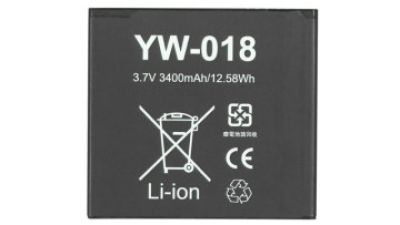
Essential Guide to Choosing the Right Replacement Battery: 3.7V 3400mAh PAX YW-018 D230
Choosing the right replacement battery for devices such as the PAX YW-018 D230 is crucial for ensuring uninterrupted operation and maintaining efficiency in high-frequency transaction environments. With a voltage of 3.7V and a capacity of 3400mAh, this battery provides a real capacity of 12.58Wh, which is essential for delivering stable and reliable performance. According to industry reports, a battery’s capacity directly impacts its performance under load, highlighting the importance of selecting a battery that meets or exceeds OEM specifications.
The swift charging capabilities of this battery play a significant role in enhancing operational efficiency. In busy retail or payment processing scenarios, where downtime can lead to a loss of revenue, having a rechargeable battery that supports fast charging can minimize interruptions. Research indicates that efficient charging systems can reduce downtime by up to 25%, thereby improving customer satisfaction and overall business performance.
Moreover, safety is paramount when selecting a replacement battery. This battery comes equipped with built-in smart protection circuits to prevent overcharging, short circuits, and over-discharging, which are critical factors in ensuring longevity and reliability. Certified with CE, RoHS, and UN38.3 standards, this battery also carries a warranty of 12-15 months, providing peace of mind for users. Such credentials are vital in a market where product reliability directly correlates with operational success.
FAQS
: They are used in consumer electronics, electric vehicles, and renewable energy storage.
Their high energy density, lightweight design, and low self-discharge rates.
Different applications require different battery characteristics, like size, weight, and longevity.
A lower temperature can reduce their efficiency by up to 20%.
Research for quality certifications, like ISO 9001. They indicate better product reliability.
It matters a lot; about 70% of battery performance depends on cell quality.
They provide insights into real-world performance and can highlight issues like thermal management.
Yes, even reputable brands can disappoint; user experiences are crucial to investigate.
The market is expected to grow significantly, driven by electric vehicle demand.
No, quality varies significantly; careful consideration of specifications is necessary.
Conclusion
When choosing the best Lithium Ion Battery Cells for your needs, it's essential to understand their various applications and performance factors. Key aspects include evaluating the battery’s capacity and voltage requirements, as well as assessing the cycle life and durability of the cells. Additionally, it is crucial to identify safety standards and certifications, ensuring that the batteries meet regulatory requirements for safe use.
Aside from performance, comparing costs and the overall value of different Lithium Ion Battery options is vital for making an informed choice. Researching reputable brands and manufacturers can also help ensure that you select high-quality products. By considering these factors systematically, you can find the most suitable Lithium Ion Battery Cells that align with your specific requirements and ensure optimal performance for your applications.