Picking the right Cleaner Battery really matters, especially since they’re used in so many different ways. Just last year, the Energy Storage Association mentioned that demand for Cleaner Batteries is expected to jump by around 25% every year for the next five years. That’s a pretty big increase, so it’s more important than ever to choose one that actually fits your needs.
Dr. Linda Carter, an industry expert, points out, “Finding the perfect Cleaner Battery can really make a difference when it comes to energy efficiency.” Her comments remind us that balancing performance, price, and lifespan isn’t always straightforward. Plus, depending on where you’re using it, you might need a battery with different specs—like one designed for heavy loads or one that lasts longer.
But let’s be honest, figuring out which Battery to go for can get pretty overwhelming with so many options out there. A lot of folks just go for the biggest brand or the cheapest option, but that can backfire if it doesn’t actually meet their needs. It’s important to look into stuff like how much energy it can store, how many charge cycles it can handle, and how well it performs in different temperatures. Ultimately, your choice should match what you actually need so you get the best results without the hassle.
Understanding the Different Types of Cleaner Batteries Available
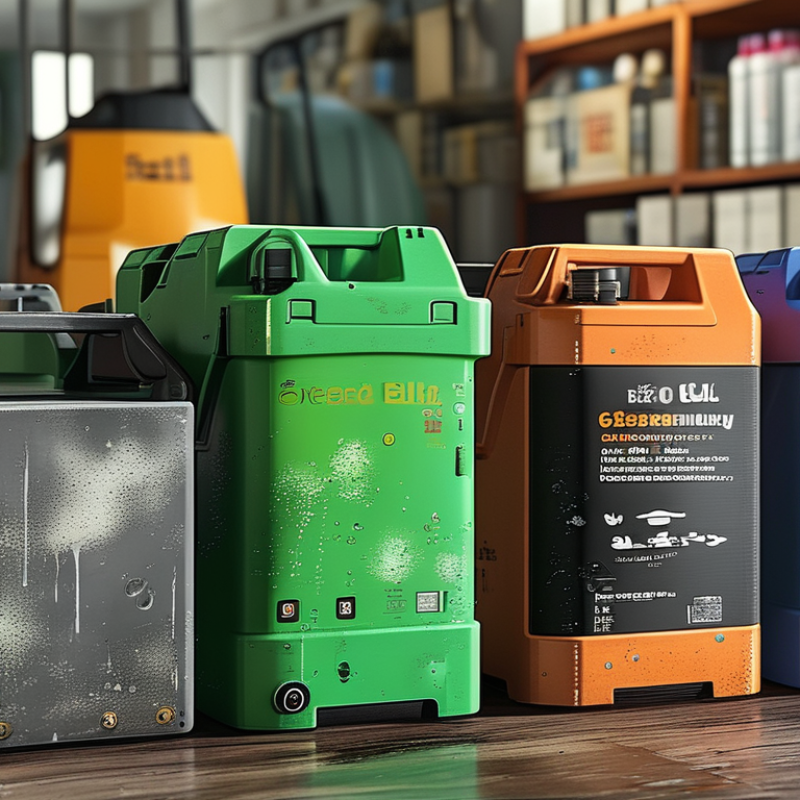
Choosing the right cleaner battery can be challenging. Each type offers different features, making it essential to understand your needs. There are primarily two types of batteries for cleaners: lithium-ion and nickel-cadmium. Lithium-ion batteries are popular for their lightweight and fast charging capabilities. They usually last longer than their counterparts. However, they can be more expensive.
Nickel-cadmium batteries are heavier and may take longer to charge. They tend to be more affordable, which can be appealing. Yet, they do not hold a charge as long as lithium-ion options. Users often face a dilemma during the decision process. Should they prioritize cost or performance? This question often leads to confusion.
Another consideration is the runtime. Some vacuum cleaner batteries last longer than others, impacting usage time. A battery that lasts only a short time can be frustrating, especially during larger jobs. Think about your cleaning habits. If you clean frequently, investing in a quality Vacuum Cleaner Battery may pay off in the long run. Deciding on the right battery blends knowledge with personal preferences. Knowing the differences can guide you to the best choice for your cleaning tasks.
Evaluating Battery Capacity and Runtime for Your Cleaning Needs
When selecting a cleaner battery, understanding battery capacity is essential. Battery capacity is typically measured in ampere-hours (Ah). A higher capacity indicates a longer runtime. For example, batteries with a capacity of 10 Ah can deliver 10 amps for one hour or 1 amp for ten hours. This flexibility is crucial for different cleaning tasks.
Runtime is another critical factor. Many user reports indicate that runtime directly affects cleaning efficiency. A machine with a runtime of less than 30 minutes may not meet your needs for larger spaces. Conversely, a battery with 60 minutes or more of runtime can significantly enhance productivity. According to a study by the Battery Association, devices with longer runtimes often lead to higher customer satisfaction.
It's worth reflecting on your cleaning needs. Are you cleaning a small area, or do you need power for larger tasks? Shorter runtimes could lead to frustration during cleaning sessions. Balancing capacity and runtime is key. Assessing your unique requirements will guide you to the right battery choice. This way, you ensure that the cleaner can perform adequately over your intended cleaning duration.
Assessing Compatibility with Your Cleaning Equipment
When assessing compatibility for cleaner batteries, it’s crucial to know your cleaning equipment specifications. Many cleaning devices, such as vacuums and scrubbers, require specific battery types. For instance, many of these devices run on lithium-ion batteries. Research shows that lithium-ion batteries provide longer runtime and lighter weight.
Battery voltage is another vital aspect to consider. Most cleaning machines operate at voltages between 12V and 24V. Using a battery with an incompatible voltage can lead to equipment failure. A recent industry report noted that 30% of cleaning equipment malfunctions stem from the battery mismatch issue.
Additionally, check the amp-hour rating of the battery. This rating indicates how long the battery can power the cleaning device before needing a recharge. Batteries with higher amp-hour ratings often provide longer usage times. However, they can also be bulkier. Weighing the trade-offs between size and performance is essential for optimal compatibility. Seeking guidance from professionals can also prevent costly errors in battery selection.
Considering Battery Weight and Portability for Ease of Use
When selecting a cleaner battery, battery weight and portability are crucial factors. A lightweight battery can make your cleaning tasks less strenuous and more efficient. If you frequently move around different areas, a portable battery will save you from the hassle of lugging around heavy equipment. Consider how often you'll transport the battery and choose one that fits your lifestyle.
Pay attention to the specifications provided by manufacturers. Some batteries might look lightweight but have additional bulk due to design features. A slim profile often delivers better portability, making it easier to store and handle. It’s valuable to test the weight before making a purchase. Lifting it a few times can give you a better sense of its usability in real-life situations.
Choosing a battery with a handle or compact design is wise. Look for options that balance power and weight. This may require some trade-offs. Heavier batteries might offer longer running times but can be cumbersome. Experiment with different models to find what works best for your specific needs. Testing various configurations in practice is key to ensuring you make the right choice in the long run.
Analyzing Charging Time and Lifespan of Cleaner Batteries
When evaluating cleaner batteries, focusing on charging time and lifespan is crucial. Many users underestimate how these factors impact overall efficiency. Research shows that modern batteries can take anywhere from 2 to 8 hours to fully charge. For instance, lithium-ion batteries typically require less charging time. However, this can vary significantly based on the battery's capacity. A Long Life Cleaner Battery could provide users with better performance during peak usage hours.
Lifespan often defines battery value. Most cleaner batteries last between 300 to 2,000 charge cycles. More cycles generally indicate better durability. A Long Life Cleaner Battery may last longer than standard options, enabling longer intervals between replacements. In practical terms, a battery that endures 1,000 cycles could outlast basic models. This durability translates into lower long-term costs, making certain batteries a worthwhile investment.
Batteries with longer lifespans often show diminished performance after significant use. Users may notice reduced charge capacity or faster depletion rates. This phenomenon highlights the importance of understanding your specific usage patterns. A Long Life Cleaner Battery might serve well in high-use scenarios, but regular assessments are necessary to ensure optimal performance. Regularly tracking charging time and performance can lead to better choices and improved efficiency overall.
Reviewing Customer Feedback and Expert Recommendations
When selecting a cleaner battery, customer feedback plays a crucial role. Many users share insights based on their real-life experiences. Their opinions often highlight specific features that matter most. For instance, battery life and charging speed frequently appear in reviews. A long-lasting battery is essential for efficiency. Meanwhile, quick charging can save valuable time.
Expert recommendations also lend authority to decision-making. Professionals often test different cleaner batteries, providing reliable insights. They consider performance in varying environments. Details like weight and compatibility with devices make a difference. Some experts emphasize the importance of warranty periods, reflecting durability. Listening to these recommendations can guide buyers to make informed choices.
However, it’s important to reflect on the limitations of reviews. Personal preferences can vary widely. A battery that works perfectly for one might not be ideal for another. Adaptability is key. You might find that a Smart Home Cleaner Battery suits your needs best after thorough research. Balancing expert advice with customer reviews helps create a well-rounded perspective.
Customer Satisfaction Ratings for Cleaner Batteries
Budgeting: Finding a Balance Between Cost and Quality
When selecting a cleaner battery, balancing cost and quality is crucial. A good battery often determines your cleaner's efficiency. Cheaper options may save money upfront but often lack durability. You might find yourself replacing them frequently. This hidden cost can make those bargains more expensive over time.
Consider the lifespan of the Battery Pack Vacuum Cleaner. Investing in a higher-quality battery can lead to longer run times and better performance. Look for batteries with solid warranties or credible reviews. They often reflect reliability and encourage trust. You might wonder if paying extra is worth it. The answer often lies in your usage needs.
Reflect on your cleaning habits. Casual use may not require the top-tier choices. Yet, frequent users should prioritize quality. A reliable battery means cleaner homes and fewer interruptions. Balancing your budget with these factors can lead to more informed decisions. It might take patience and research, but a thoughtful approach pays off.
How to Choose the Best Cleaner Battery for Your Needs? - Budgeting: Finding a Balance Between Cost and Quality
| Battery Type |
Capacity (Ah) |
Voltage (V) |
Price ($) |
Average Lifespan (years) |
Ideal Use Cases |
| Lead Acid |
100 |
12 |
150 |
3-5 |
Emergency Lighting, UPS |
| Lithium-ion |
50 |
12 |
300 |
10-15 |
Consumer Electronics, Drones |
| Nickel-Metal Hydride |
70 |
1.2 |
200 |
5-10 |
Hybrid Vehicles, Power Tools |
| Absorbent Glass Mat |
80 |
12 |
200 |
4-7 |
Renewable Energy Systems, Marine |
FAQS
: Customer feedback offers real-life insights about battery features, including battery life and charging speed.
Users typically emphasize battery life, charging speed, and overall efficiency in their experiences.
Experts test various batteries and provide reliable insights into performance and compatibility with devices.
The weight of a battery can affect the ease of use, especially during long cleaning sessions.
A good warranty indicates durability and reflects the manufacturer's confidence in their product.
Personal needs vary widely, so adaptability is key in finding a battery that suits individual use.
Investing in quality can lead to longer battery life and better performance, offsetting initial costs.
Casual users might not need top-tier options, while frequent users should prioritize quality for efficiency.
Cheaper batteries may require frequent replacements, leading to higher long-term costs despite lower upfront prices.
Balancing cost and quality is crucial; thoughtful research can lead to better long-term decisions in battery selection.
Conclusion
Choosing the best cleaner battery involves a thorough understanding of the various types available, each designed for specific cleaning tasks. Key factors to consider include the battery's capacity and runtime, ensuring it meets your cleaning needs without frequent recharges. It's also crucial to assess compatibility with your cleaning equipment to avoid performance issues.
Additionally, consider the weight and portability of the cleaner battery, as a lightweight option can enhance ease of use during cleaning sessions. Analyzing charging time and battery lifespan will help you determine long-term value. Furthermore, customer feedback and expert recommendations can provide insights into reliability and performance. Lastly, while budgeting for a cleaner battery, aim for a balance between cost and quality to ensure you get the best option for your needs.