inquiry
Leave Your Message
0%

Picking the right Forklift Battery? Honestly, it’s way more than just matching the voltage. It can change how your lifts perform, how you plan shifts, when you charge, and what your operating costs look like down the road. You might find a battery that looks great on paper, but then it struggles with repeated lifting in a cold warehouse—or just can’t keep up in a busy multi-shift setup. So yeah, the little things really count. Honestly, it kind of comes down to a bunch of things—how heavy the pallets are, how far you're traveling, what the aisles are like, and how much time you've actually got to charge. All of that plays a role.

First off, you’ll want to start with what the forklift manufacturer actually requires—voltage, battery size, connector type, and the approved weight range. Once you’ve got that down, it’s time to compare the main battery options: chemistry, usable capacity, charging needs, and how long they’re likely to last. Lead-acid batteries can be a solid fit if you have a set charging schedule and a maintenance routine you’re comfortable with. Lithium-ion, on the other hand, is great for opportunity charging, but you’ll need to double-check compatibility, charger settings, and battery management features before committing. Before you commit, dig into the exact model documentation—guessing here can get pricey. Think about ventilation, washdown exposure, temperature, and whether your team can realistically stick to the required care routines. Also, don't just look at the sticker price; the total cost is what really matters. Factor in energy use, maintenance, downtime, and how you'll handle replacement down the road when you're comparing options.

Honestly, the right forklift battery isn't the one with the flashiest spec sheet—it’s the one that actually fits your day-to-day operation. You can't just rely on marketing. A quick trial, some real duty-cycle numbers, and talking to a supplier who knows their stuff will usually surface issues before you commit. And even then, no matter how carefully you calculate, something’s bound to slip through. So check back in when your shifts change, load patterns shift, or charging spots become harder to come by. A good battery isn’t just about the machine—it has to match the rhythm of your site, too.
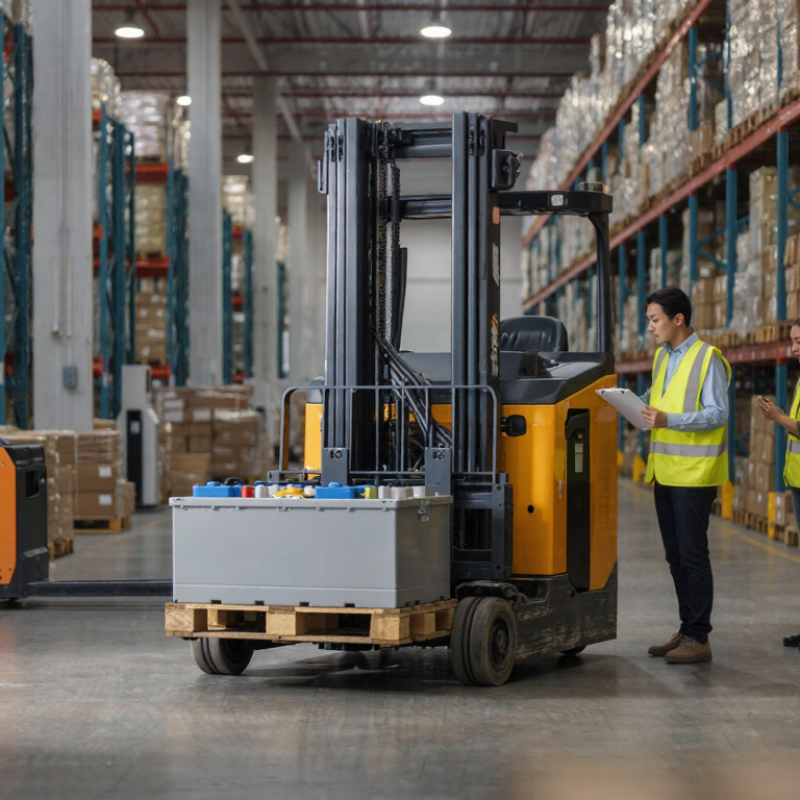
How to Choose the Right Forklift Battery?

Assess Your Forklift’s Power Requirements and Duty Cycle

The right battery starts with the forklift’s actual work, not its nameplate alone. Check the required voltage and capacity against the truck’s specifications. Then map a typical shift: travel distance, lift height, load weight, and hours under power. A truck moving pallets across a smooth floor draws differently from one climbing ramps or running attachments. Small details count. Repeated high lifts and long travel periods can increase energy demand. Base your estimate on busy, representative days, not an unusually quiet shift.

Duty cycle describes how hard and how long the forklift operates between charging opportunities. Record working time, idle periods, breaks, and available charging windows. An eight-hour shift with frequent pauses may place different demands on a battery than continuous operation. Note the environment, too: cold areas, hot rooms, and dusty work zones can affect operating conditions. For multiple shifts, compare expected use with the battery’s usable capacity and follow the forklift maker’s charging guidance. No estimate is perfect; operators may forget short tasks or extra trips. Review a few real shifts, then adjust the estimate before choosing a battery.

Compare the Main Types of Forklift Batteries

Lead-acid batteries remain common in forklifts because their purchase cost is often lower. They need regular watering, charging, and time to cool after use. Check electrolyte levels during scheduled maintenance; dry cells can lose capacity. This routine takes attention. It also means a charging area and spare batteries may be needed for multi-shift work.

Lithium Forklift Batteries can charge faster and often support opportunity charging during breaks. They generally need less routine maintenance, but their upfront cost is higher. Confirm the battery and charger are compatible with the truck. A warehouse running one shift may not benefit as much from rapid charging as a busy, multi-shift operation.

Compare more than the purchase price. Estimate daily operating hours, charging access, maintenance capacity, and the cost of replacing batteries over time. A lead-acid unit may suit a facility with long charging windows and staff who can maintain it. Lithium-ion may fit tighter schedules and limited battery-change space. Actual results vary with load, temperature, and charging habits. It is easy to focus on advertised cycle life; real usage conditions matter more. Ask for documented performance data for your duty cycle, and check the warranty terms carefully.

Check Battery Capacity, Voltage, and Physical Fit

Match battery capacity to the truck’s actual workload, not the longest shift on paper. Record lift cycles, travel distance, attachments, and charging breaks; heavy loads and frequent acceleration can drain a pack faster. IEC 60254-1 specifies capacity-test conditions for lead-acid traction batteries. Compare amp-hour ratings only when discharge rates and test conditions match. A 600 Ah rating alone tells little if the competing battery was tested differently. Check the plate. For voltage, follow the truck’s specification exactly. IEC 60254-1 uses a nominal 2 volts per lead-acid cell, so a 24-volt pack has 12 cells. A higher voltage is not a safe shortcut to more power.

Fit matters, too. Measure the compartment’s length, width, and height, then verify connector type, cable reach, hold-down clearance, and battery mass against the truck manual. Battery mass may contribute to truck stability; a pack that fits the opening can still be too light or too heavy. Leave room for safe cable routing, not just the battery case. Small detail, big consequences. I would recheck measurements before ordering, because compartments and connectors can vary even within similar truck models. Capacity figures can also look reassuring while failing to reflect a cold warehouse or a demanding multi-shift routine. That deserves a closer look.

Match Charging Needs to Your Workplace Schedule

Choose a forklift battery around your actual shift pattern, not its advertised runtime. Record operating hours, lift intensity, breaks, and the time available for charging. A lead-acid battery commonly needs a long, uninterrupted charge and cooling period. Lithium-ion options may support opportunity charging, but only when the battery and charger are designed for it.

Short breaks matter.

MHI’s 2024 Annual Industry Report says 55% of surveyed supply-chain professionals planned to increase investment in robotics and automation over the following five years. More automated operations can make downtime harder to absorb, so map charging windows against shift changes and peak picking periods. Check charger capacity and electrical supply too; several trucks charging together can strain a site’s setup. A spreadsheet helps, though real shift data is better. I would also allow a buffer: actual workloads rarely follow a neat schedule. Treat “Hp Battery” as a search term, not a chemistry specification. Compare the battery’s usable capacity, approved charging profile, and support requirements before deciding. A cheap charging window can become an expensive bottleneck.

Evaluate Battery Maintenance and Operating Conditions

Forklift battery choice depends on daily care as much as rated capacity. A clean battery room, suitable charging equipment, and trained operators can prevent avoidable downtime. Small habits matter. Check cables and connectors for heat, looseness, or corrosion during routine inspections. For flooded lead-acid batteries, follow the maker’s watering and charging instructions; topping up at the wrong time can cause problems. Lithium batteries have different care requirements, so do not assume one routine fits every chemistry.

Look closely at operating conditions. How many shifts run each day? Does the truck work in a cold loading bay, a hot warehouse, or dusty aisles? Long shifts and frequent lifting can drain a battery faster than a simple hours-per-day estimate suggests. Record actual run time and charging breaks for several weeks. It is not perfect data, but it beats guessing. Confirm that the battery, charger, and forklift are compatible before changing equipment or charging routines. A Pax Battery option should be judged against these same practical requirements, not just its advertised capacity.

Maintenance capacity is easy to underestimate. If staff cannot reliably manage watering, cleaning, and scheduled charging, a battery requiring those tasks may create missed checks. Yet a low-maintenance design still needs inspection and correct charging. Review service access, charging space, ventilation needs, and the time available between shifts. A battery that suits one site may be inconvenient at another. Revisit the choice when duty cycles or work areas change.

How to Choose the Right Forklift Battery? - Evaluate Battery Maintenance and Operating Conditions

Evaluation Factor Flooded Lead-Acid Lithium-Ion (LFP) What to Consider
Routine maintenance Requires scheduled electrolyte-level checks and watering with distilled or deionized water, plus terminal and battery-compartment inspections. Usually requires no electrolyte watering. Follow the battery maker’s inspection, cleaning, and monitoring instructions. Account for staff time, maintenance procedures, and the ability to perform tasks consistently and safely.
Charging pattern Typically charged through a full charge cycle and then allowed to cool before use. Frequent partial charging can shorten battery life. Often supports opportunity charging during breaks, provided the battery and charger are designed for it. Map shift length, break times, charger access, and whether a battery change is needed between shifts.
Typical recharge planning A full charge commonly takes around 8 hours, followed by a cooling period; actual time depends on capacity and charger output. Charging time varies by capacity, charger, and starting state of charge; opportunity charging may reduce the need for a full recharge window. Use the battery and charger specifications to plan charging. Do not assume the same charge time for every installation.
Multi-shift operation May require a spare battery and a suitable battery-changing area when trucks must operate across multiple shifts. Can be suitable for multi-shift work when charging opportunities, battery capacity, and charger availability match the duty cycle. Estimate actual energy use per shift and confirm the selected system can meet demand without disrupting operations.
Work environment Charging can release hydrogen gas, so a properly designed, ventilated charging area and appropriate safety procedures are essential. Does not require lead-acid watering, but charging still needs to follow the battery maker’s ventilation, temperature, and safety requirements. Assess indoor ventilation, charging-room layout, fire protection, and site-specific safety rules before installation.
Cold or hot conditions Low temperatures can reduce available capacity; high temperatures can accelerate battery deterioration. Performance and permitted charging temperatures depend on the battery design. Some systems restrict charging at low temperatures. Check the specified operating and charging temperature ranges, especially for cold storage, outdoor use, or hot facilities.
Space and equipment Needs access for inspection and watering, as well as suitable charging and, where needed, battery-changing equipment. May reduce battery-handling requirements, but requires a compatible charger and battery-management system. Review truck compatibility, charger capacity, electrical supply, floor space, and any battery-handling equipment.
Best-fit operating profile Can suit predictable, single-shift operations with planned charging, maintenance capacity, and space for battery handling. Can suit intensive or multi-shift operations where reduced routine maintenance and flexible charging are valuable. Compare total operating costs and downtime—not just purchase price—over the expected service period.
Selection checks Confirm voltage, capacity, compartment dimensions, watering access, charger settings, and ventilation arrangements. Confirm voltage, capacity, truck and charger compatibility, charging limits, temperature limits, and system protections. Ask a qualified supplier to validate the battery against the truck specifications and measured duty cycle.

Note: Runtime, charging time, service life, and maintenance needs vary with battery capacity, truck load, usage, temperature, charger setup, and operating practices. Verify all limits in the equipment documentation.

Compare Total Ownership Costs Before Making a Selection

How to Choose the Right Forklift Battery?

Compare Total Ownership Costs Before Making a Selection

A forklift battery’s purchase price tells only part of the story. Compare energy use, charging equipment, maintenance, expected service life, and replacement costs. A Pos Battery option may appear affordable upfront, but check how well it suits your truck’s duty cycle. A warehouse running multiple shifts has different needs from a site with occasional, short tasks. Downtime costs money. Include the cost of spare batteries, charging space, and any labor needed for battery changes.

Look at the daily routine. Note how many hours each truck operates, when breaks occur, and whether charging access is reliable. Some battery types may support brief opportunity charging; others require longer charging periods. Confirm charger compatibility and review maintenance requirements, such as watering where applicable. Ask suppliers for clear assumptions behind lifespan and warranty estimates. Those figures can vary with temperature, charging habits, and workload. Small details matter. And estimates are not guarantees.

Tips: Compare costs over the same ownership period, such as five years, and use your actual operating hours. Include electricity, service, replacement, and downtime in the calculation. Check whether the battery fits the truck and charging area. If your records are incomplete, track energy use and maintenance for a few weeks before deciding. That extra step can change the result.

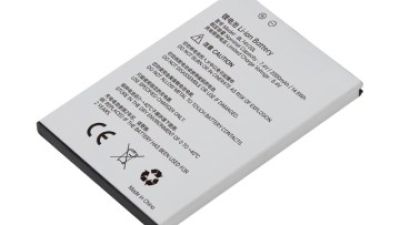
Choosing a Reliable 7.4V 2000mAh Replacement Battery for NewLand N900 and SP600

Choosing a reliable 7.4V 2000mAh replacement battery is essential for keeping payment terminals ready for busy retail environments. With a capacity of 14.80Wh, this battery delivers steady power for payment processing and everyday transactions. Its dependable output helps terminals operate smoothly during periods of frequent use, reducing interruptions when staff need to serve customers.

Designed to fit compatible payment terminal specifications, the battery can be installed without device modifications. A built-in protection circuit helps guard against overcharging, short circuits, and excessive discharge, supporting safer, more dependable operation. These features make it a practical replacement option for compatible handheld payment devices used at counters or on the sales floor.

The battery is suitable for retail and other transaction-focused settings where consistent power matters. It is CE, RoHS, and UN38.3 certified and comes with a 12–15 month warranty. Supplied by a factory based in China, it offers a balance of capacity, compatibility, and protection for businesses seeking reliable replacement power for their payment terminals.

FAQS

What are the main differences between lead-acid and lithium-ion forklift batteries?

Lead-acid batteries often cost less upfront but need watering, regular charging, and cooling time. Lithium-ion batteries usually need less routine maintenance and may charge faster. Upfront cost is higher.

Which battery type suits a single-shift warehouse?

Lead-acid may work well when the truck has a long charging window and staff can maintain it. Rapid charging may offer little benefit for one shift. It depends on actual use.

When might lithium-ion be a better fit?

It may suit tight schedules, multiple shifts, or sites with little room for spare batteries. Opportunity charging can help during breaks. Check compatibility first.

What information should we record before choosing a battery?

Track daily operating hours, lifting intensity, breaks, shift changes, and available charging time. Peak picking periods matter too. A spreadsheet helps, but real shift records are better.

Can a forklift battery charge during short breaks?

Some lithium-ion systems support opportunity charging when the battery and charger are designed for it. Lead-acid batteries generally need a longer, uninterrupted charge and cooling period. Short breaks matter.

What should we check about chargers and electrical supply?

Confirm the charger matches the battery’s approved charging profile. Check electrical capacity if several trucks may charge together. The site setup can become a bottleneck.

How should we compare battery costs?

Look beyond the purchase price. Estimate maintenance, charging access, operating hours, and replacement costs over time. The cheapest option upfront may not stay cheapest.

Can advertised cycle life predict real battery performance?

Not reliably on its own. Loads, temperature, and charging habits affect results, so request performance data for your duty cycle. Read the warranty terms carefully; estimates can still miss real-world surprises.

Conclusion

Choosing the right Forklift Battery begins with understanding how your forklift is used. Consider its power requirements, the length and intensity of each shift, and the amount of lifting it handles. Compare available battery types based on their performance, charging characteristics, and suitability for your workplace. Then confirm that the battery’s capacity and voltage meet the equipment’s specifications and that its size and weight fit the battery compartment.

Your charging schedule and operating conditions matter too. Check whether the workplace can support the charging time and routine care required, and account for temperature, ventilation, and daily use. Finally, compare the total cost of ownership rather than focusing only on the initial purchase price. Include charging, maintenance, expected service life, and any operational downtime. Weighing these factors together can help you select a dependable battery that fits both your forklift and your work schedule.


Charlotte

Charlotte

Charlotte is a dedicated marketing professional with a deep understanding of the technology sector, particularly in the design and R&D of a diverse array of high-quality battery products. With expertise in POS batteries, PDA batteries, laptop batteries, vacuum cleaner batteries, drone batteries, as......
Previous China Top Terminal Battery Manufacturers and Suppliers