Picking the right Li Phosphate Battery can seem pretty overwhelming, right? Whether you're looking into electric vehicles or trying to store renewable energy, it's a key decision. And, honestly, the demand for lithium-ion batteries—especially Li Phosphate ones—is on the rise. I read somewhere that the global market was worth around $36 billion in 2021, and Li Phosphate batteries are only getting more popular because they’re safer and handle heat better.
That said, I know a lot of folks struggle with figuring out which battery is best for them. It’s not just about price—you’ve got to consider stuff like how much energy it packs, how quickly it discharges, and how long it lasts overall. Big names like A123 Systems and BYD are leading the way with some pretty advanced tech, but honestly, many of us don’t really know the differences between brands or what makes one better than the other.
Making a smart choice can be tricky, and it’s easy to feel a bit lost. The key is to really think about what you need and compare your options carefully. Rush into it, and you might end up regretting it later. Honestly, the world of Li Phosphate batteries is pretty complex, but once you get the hang of it, understanding the ins and outs can really give you the confidence to pick what's best for you.
Factors to Consider When Selecting a Li Phosphate Battery
When selecting a Lithium Phosphate Battery, several factors come into play.
Battery capacity is essential for meeting your power needs. It determines how long your devices will run before needing a recharge. Assessing your energy consumption patterns can help you select the appropriate capacity.
A common oversight is underestimating battery usage, which leads to unexpected downtime.
Another factor to consider is the battery’s cycle life. This indicates how many charge-discharge cycles a battery can undergo before its performance diminishes. A longer cycle life is generally better for efficiency and cost-effectiveness. However, keep in mind that higher quality often comes at a premium price.
Temperature range is also critical. The Lithium Phosphate Battery performs optimally within a certain temperature range. Operating in extreme conditions can reduce efficiency and lifespan. Evaluate where and how you will use the battery. This consideration often surprises users who do not account for environmental factors.
Balancing these aspects requires careful thought but can greatly enhance your overall satisfaction with the battery choice.
Understanding the Different Applications of Li Phosphate Batteries
Li phosphate batteries are increasingly popular due to their unique properties. These batteries excel in various applications, offering benefits such as
safety, thermal stability, and longevity. They are commonly used in
electric vehicles, solar energy storage, and portable electronics.
Understanding these applications is key to making an informed decision.
In electric vehicles, Li phosphate batteries provide high energy density and
fast charging capabilities. Their safer chemistry minimizes risks related to overheating. Additionally, in solar energy systems,
these batteries store surplus energy efficiently. This allows users to maximize energy usage while reducing waste. Portable devices benefit from their
lightweight and compact nature, providing reliable power for longer periods.
However, there are areas to consider carefully. The energy density of Li phosphate batteries may not match other lithium-ion types. They might be bulkier for some applications.
It is essential to evaluate your specific power needs and space constraints. These considerations will help guide your choice,
ensuring the battery fits your requirements effectively.
Comparing Capacity and Voltage Ratings for Your Needs
When choosing a lithium phosphate battery, capacity and voltage are critical factors. Capacity, measured in amp-hours (Ah), indicates how much energy the battery can store. A higher capacity allows for longer usage, which is essential for applications like electric vehicles or solar systems. However, it’s important to match the capacity with your specific needs. Overestimating your requirements can lead to unnecessary costs.
Voltage ratings also play a significant role. Most lithium phosphate batteries operate at a nominal voltage of 3.2V per cell. If you need higher voltage, connecting cells in series is common. Confirm that your devices can handle the expected voltage. Incompatible voltage can cause performance issues.
Remember that both capacity and voltage affect the overall performance and longevity of your Hp Battery. Monitoring how often you discharge the battery can help improve its lifespan. It’s a balancing act. What works for one user may not fit another's needs. Analyze your usage patterns before making a decision.
Evaluating the Lifespan and Cycle Life of Li Phosphate Batteries
When selecting a lithium phosphate battery, understanding its
lifespan and cycle life is essential.
Lithium iron phosphate (LiFePO4) batteries are known for their durability. Research indicates that these batteries can achieve over
2000 charge cycles while maintaining up to 80% of their initial capacity.
This endurance sets them apart from traditional lithium-ion batteries, which typically last around 500 to 1500 cycles.
For those needing reliable energy storage, the long cycle life of LiFePO4 batteries can be a game-changer.
The lifespan of a LiFePO4 battery can be influenced by several factors. Temperature, depth of discharge,
and charging rates can all affect longevity. For instance, operating a battery at extreme temperatures can accelerate degradation.
Monitoring these variables is crucial for ensuring optimal performance. Interestingly, studies show that many users misjudge these factors,
leading to premature battery failure. A Pax Battery, designed with robust thermal management, can alleviate some of these issues.
It is important to evaluate how you plan to use the battery, as misuse can drastically reduce its effectiveness.
Moreover, while the upfront cost of LiFePO4 batteries might be higher, the long-term savings are worth considering.
Their longer cycle life often leads to lower replacement frequency. However, it is vital to weigh the initial financial commitment
against potential future savings. Many users overlook this, often focusing more on the immediate rather than the long-term benefits.
Balancing expectations and real-life performance remains a challenge in the battery industry.
Analyzing Size and Weight Considerations for Your Setup
When choosing a Li Phosphate battery, size and weight are crucial factors. A bulky battery can be cumbersome. It may not fit well in your space. Meanwhile, a lightweight option is easier to handle. Careful measurements save you from blending issues later. You want a battery that fits your setup flawlessly.
Consider the application of the battery. If you need it for portable devices, opt for compact models. For stationary uses, heavier batteries could be appropriate. Make a list of your requirements. It helps narrow down the choices. Reflect on how often and where you'll use the battery. These aspects influence size and weight significantly.
Tips: Always check weight specifications. Sometimes, advertised weights can be misleading. Don’t forget to account for additional components, too. Balance is key. Strive for a battery that is powerful yet manageable. A well-sized battery maximizes efficiency and minimizes hassle. Remember, comfort in handling matters, especially during installation and transport.
How to Choose the Right Li Phosphate Battery For Your Needs?
| Battery Type |
Size (mm) |
Weight (kg) |
Capacity (Ah) |
Voltage (V) |
Use Case |
| LiFePO4 12V 100Ah |
330 x 170 x 220 |
12.5 |
100 |
12 |
Solar/Off-grid |
| LiFePO4 24V 200Ah |
520 x 270 x 220 |
25 |
200 |
24 |
Electric Vehicle |
| LiFePO4 12V 50Ah |
300 x 175 x 230 |
8.5 |
50 |
12 |
Backup Power |
| LiFePO4 36V 100Ah |
600 x 300 x 230 |
30 |
100 |
36 |
Marine Applications |
| LiFePO4 48V 80Ah |
600 x 250 x 200 |
28 |
80 |
48 |
Home Energy Storage |
Budgeting for Your Li Phosphate Battery Purchase
Budgeting for a lithium iron phosphate (LiFePO4) battery purchase involves several key considerations. First, evaluate your specific energy needs. Identify how much power your applications require. For instance, a typical solar energy system might need batteries capable of delivering 5-10 kWh daily. Understanding this requirement helps narrow your options.
Next, pricing trends in the industry can guide your budget. According to a recent market report, the average cost of LiFePO4 batteries is about $500 to $700 per kWh. This is a significant investment compared to other battery types. Additional costs may include installation and maintenance. Securing a comprehensive budget can help avoid unexpected expenses.
Consider lifespan and warranty too. LiFePO4 batteries often last from 2000 to 5000 cycles. This longevity can justify the initial investment. A battery that lasts longer reduces total cost over time. However, not all manufacturers offer equal warranties. Evaluate the terms thoroughly to avoid future financial surprises. In the end, aligning your expectations with realistic options is crucial to making the best purchasing decision.
Exploring Safety Features and Certifications for Li Phosphate Batteries
When selecting a lithium phosphate battery, safety features are critical. These batteries come with built-in mechanisms that prevent overheating and overcharging. According to a 2022 report by the Energy Storage Association, Li phosphate batteries have a lower risk of thermal runaway. This quality significantly reduces fire hazards, making them a safer choice for various applications.
Certifications play a vital role in ensuring a battery's reliability. Look for batteries that comply with global standards, like UL or CE certifications. These certifications validate that the battery meets safety and performance guidelines. Data from the Battery Systems Institute indicate that certified batteries demonstrate higher stability and consistent performance.
However, not all batteries pass these tests. Some may lack necessary certifications or features. This gap can lead to potential risks. Consumers should research and inquire about safety ratings before making a decision. Understanding these aspects helps in selecting the right Pos Battery for individual needs. Making informed choices ensures safety and longevity in battery performance.
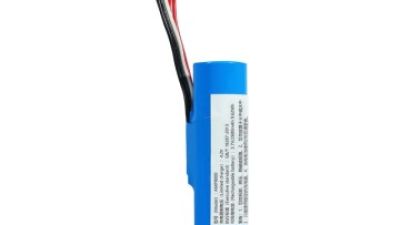
Essential Guide to Choosing the Right 3.7V 2600mAh Replacement Battery for Your NEWPOS AMP9000 Device
When it comes to powering your NEWPOS AMP9000 device, selecting the right replacement battery is crucial for maintaining optimal performance. The 3.7V 2600mAh replacement battery stands out as an excellent choice, providing a real capacity of 9.62Wh to ensure that your device operates smoothly during demanding tasks. This battery is designed specifically for high-frequency transaction environments, making it ideal for payment processing and retail operations. With its robust capacity, users can expect reliable performance even during peak usage times.
Safety and compatibility are paramount when choosing a replacement battery. This battery is equipped with smart protection against voltage spikes and features a built-in protection circuit that guards against overcharging, short circuits, and over-discharging. It is fully compatible with the specifications of the NEWPOS device, requiring no modifications for installation. Furthermore, with certifications such as CE, RoHS, and UN38.3, along with a warranty of 12-15 months, users can feel confident in the reliability and safety of their power source.
FAQS
: You should consider capacity, voltage, size, and weight. Each impacts performance and suitability for your needs.
Battery capacity is measured in amp-hours (Ah). Higher capacity allows for longer usage in devices like electric vehicles or solar systems.
Most operate at a nominal voltage of 3.2V per cell. Ensure your devices can handle this voltage to avoid issues.
Overestimating requirements may result in unnecessary costs. Tailor capacity to your actual needs for efficiency.
A bulky battery may not fit your space well. Compact models are better for portable needs, while heavier ones work for stationary setups.
Always verify weight details. Actual weights can differ from advertised ones. Consider components for a complete picture.
Typical costs range from $500 to $700 per kWh. Factor in installation and maintenance costs to avoid surprises.
These batteries usually last from 2000 to 5000 cycles. Longevity can justify higher initial investments.
Warranties differ significantly. Understanding the terms can prevent future financial issues and ensure you get value for your investment.
Reflect on your actual energy needs. Understand what you can realistically afford to avoid disappointment.
Conclusion
When choosing the right Li Phosphate Battery for your needs, several key factors should be considered. Firstly, it's essential to understand the different applications of these batteries, as they can vary significantly in their suitability for specific uses. Capacity and voltage ratings are critical in ensuring that the battery meets the demands of your setup. Additionally, evaluating the lifespan and cycle life is crucial for determining long-term viability and performance.
Size and weight considerations also play a significant role, especially for portable applications. Budgeting appropriately for your purchase will help you find the best balance between features and cost. Lastly, exploring safety features and certifications associated with Li Phosphate Batteries is vital for ensuring reliable and safe operation. By considering these factors, you can make an informed decision that aligns with your specific requirements and enhances your overall experience.