The role of a Pos Machine Battery really can’t be overstated when it comes to modern retail and service settings. I had a chat with John Smith, an expert in battery tech over at TechPower Solutions, and he put it pretty plainly: "A reliable Pos Machine Battery keeps everything running smoothly, making transactions seamless and customers happier." That really highlights just how crucial a good quality battery is for point-of-sale systems.
Basically, the Pos Machine Battery powers the devices that handle all those transactions we rely on every day. If it’s working well, sales go through without a hitch. But imagine you're in a busy restaurant — orders piling up, staff rushing around — and suddenly, the Pos Machine Battery dies. Things can quickly turn into chaos: long wait times for customers, stressed-out staff scrambling to keep up. In these environments, dependability is everything.
Of course, it’s not all smooth sailing. Battery life can be all over the place, which really affects how efficient things run. Unfortunately, some businesses overlook regular maintenance or forget to check their batteries often. That can lead to unexpected downtime — not exactly ideal. Understanding how these batteries work, and how to keep them in shape, is super important if we want better performance and happier customers all around.
What is a Pos Machine Battery?
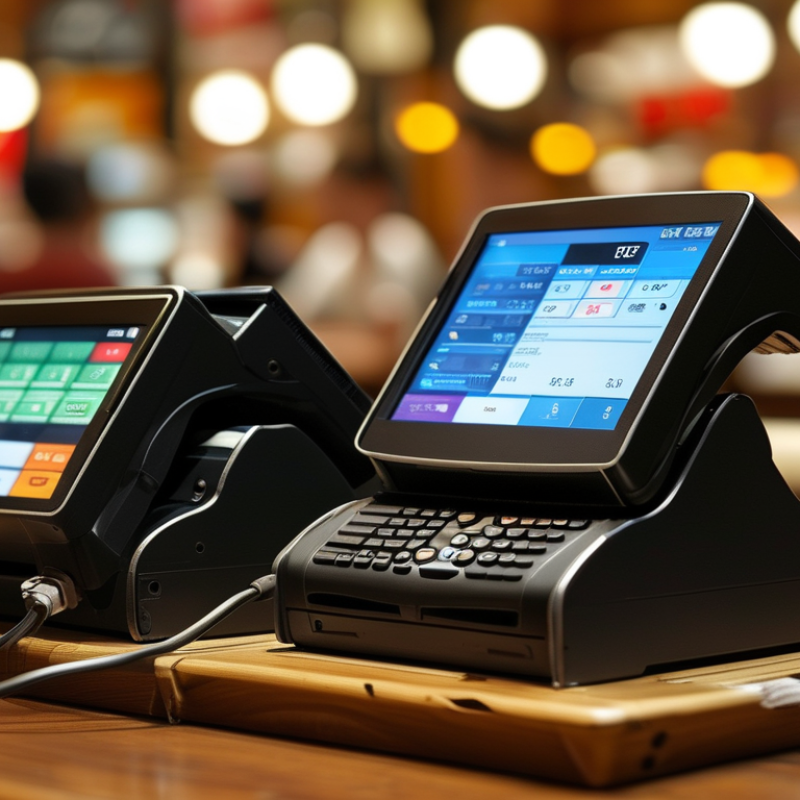
A Pos machine battery is a crucial component for modern point-of-sale (POS) systems. This battery powers the device, ensuring it runs smoothly during transactions. Many businesses rely on these machines daily, making battery reliability essential.
Typically, a Pos Battery is rechargeable and designed to last through extended work hours. It connects seamlessly to the POS system, providing energy for the screen and card readers. Often, users overlook the importance of regularly checking battery health. Poor management of battery maintenance can lead to unexpected shutdowns during critical sales periods.
Understanding the different types of Pos batteries is vital. Some are lithium-ion, known for their longevity. Others may use less efficient technologies that drain faster. It's important to reflect on how often the battery gets charged. Neglecting this can affect overall system performance. Making a habit of monitoring battery charge levels will enhance efficiency.
Components of a Pos Machine Battery
A POS machine battery is crucial for keeping point-of-sale systems operational. These systems rely on batteries for power, especially when outlets are not available. Understanding the components of a POS machine battery helps users maximize their efficiency.
The core components include the battery cells, the battery management system (BMS), and charging circuitry. Battery cells provide the actual power. They come in various types, such as lithium-ion or nickel-metal hydride. The BMS monitors the battery's health, ensuring it operates within safe parameters. Charging circuitry manages how the battery is charged, preventing overcharging.
Tips: Regularly check battery health indicators. Signs of aging may include decreased runtime. Replace old batteries to avoid downtime.
Remember, compatibility matters. Always ensure that the batteries used fit the model specifications. Using mismatched components can lead to poor performance. It's a common mistake that can be overlooked.
Tips: Avoid extreme temperatures for your battery. Both heat and cold can diminish its lifespan. Always store and operate your POS equipment within recommended ranges.
How a Pos Machine Battery Operates
A POS machine battery is crucial for retail and hospitality. These batteries power point-of-sale systems, ensuring smooth transactions. Understanding how they operate is essential for any business relying on them.
The battery works primarily through rechargeable lithium-ion technology. It converts electrical energy into chemical energy. When charged, it stores energy for later use. According to industry reports, about 25% of POS systems face downtime due to battery failure. This data highlights the importance of maintaining battery health. Regular checks can prevent unexpected outages.
Many factors affect battery performance. Temperature fluctuations and heavy usage can lead to quicker degradation. For optimal performance, businesses should monitor their POS systems closely. The battery's lifespan averages 2-3 years, depending on usage. Understanding these nuances can help reduce operational risks. Battery maintenance is often overlooked but can save money in the long run.
Types of Pos Machine Batteries Available
When it comes to Point of Sale (POS) machines, the type of battery used can significantly impact operations. There are several types of POS machine batteries available. Each type has unique features and advantages that can cater to different business needs.
Lithium-ion batteries are the most common choice. They are lightweight and offer a high energy density. This means they can power a POS machine for long hours. Businesses with high transaction volumes benefit greatly from this efficiency. Another option is alkaline batteries, which are readily available and often less expensive. However, they tend to have a shorter lifespan compared to lithium-ion options. Businesses must weigh these differences based on their usage patterns.
Moreover, lead-acid batteries are a durable but heavier choice. They're often used for stationary POS systems. These batteries can provide reliable performance over time, but their weight can be a drawback for mobile setups. In choosing a Retail Pos Battery, it’s crucial to consider factors like duration, cost, and portability. The wrong choice can lead to unexpected downtime and loss of revenue. Hence, properly understanding these battery types is vital for every retailer looking to optimize their POS machine performance.
Advantages of Using a Pos Machine Battery
A POS machine battery is essential for mobile payment systems. These batteries enable businesses to operate effectively without being tethered to a power source. Their portability facilitates transactions in various settings, from retail stores to outdoor events. The convenience of a fully charged battery means faster service and customer satisfaction.
One significant advantage of using a POS machine battery is the enhanced mobility it offers. Employees can engage with customers anywhere, providing better service. A reliable battery can endure a day's worth of transactions without needing a recharge. However, it’s important to monitor battery life closely to avoid unexpected downtime.
Another benefit is reduced dependence on wired connections. This setup minimizes clutter and enhances the workspace's overall organization. Additionally, a battery-powered POS is typically simpler to set up, streamlining operations. Still, businesses must consider battery maintenance and replacement costs as an ongoing part of their operations. Balancing convenience with functionality can be challenging but is essential for success.
Performance Comparison of POS Machine Batteries
This chart illustrates the average lifespan of various POS machine batteries, showcasing how different models perform in terms of continuous usage hours. Utilizing a battery with a longer lifespan can enhance operational efficiency and minimize downtime.
Common Issues and Troubleshooting Tips
When dealing with a Handheld Pos Battery, understanding common issues can save time and frustration. One frequent problem is a battery that drains quickly. This can occur due to constant usage or outdated technology. Users should check battery health regularly. Sometimes, the battery may need a replacement. It’s crucial to know that a malfunctioning battery can impact transaction efficiency.
Another issue is the device not charging properly. Make sure the charging port is clean and free from debris. Loose connections can lead to inconsistent charging. Additionally, software updates can sometimes fix charging issues. Users should stay informed about their device’s firmware. It’s not uncommon for batteries to exhibit symptoms of wear after extensive use. Monitoring the battery cycle can extend its lifespan.
Finally, overheating is a significant concern during prolonged use. If the handheld POS battery becomes too hot, it could fail. Keeping the device in a ventilated area helps maintain a safe temperature. Regular maintenance checks can uncover hidden problems. Observing these issues ensures smooth operation and enhances reliability. Always prioritize the care of your handheld POS battery for optimal performance.
Best Practices for Battery Maintenance and Care
Proper maintenance of a POS machine battery is crucial for its longevity. Regularly check the battery level. If it drops below a certain percentage, recharge the battery immediately. This can help prevent damage and extends its lifespan. If the battery is not charged regularly, it may develop memory issues, leading to reduced efficiency.
Cleaning the battery contacts is another important step. Dust and grime can affect the connection. Use a soft, dry cloth to wipe the terminals. Pay attention to corrosion, which can lead to power issues. Inspect the POS device for any signs of wear and tear. A secure fit between the battery and the device is essential.
Think about temperature control as well. Extreme heat or cold can negatively impact battery performance. Store batteries in a cool, dry place. Having a spare Logistics Pos Battery available can save time during peak hours. Regular checks and proper care can help you avoid unexpected shutdowns. A little effort goes a long way in maintaining a reliable POS system.
What is a Pos Machine Battery and How Does It Work? - Best Practices for Battery Maintenance and Care
| Battery Type |
Capacity (mAh) |
Voltage (V) |
Average Lifespan |
Maintenance Tips |
| Lithium-ion |
2000 |
3.7 |
2-3 years |
Avoid deep discharges; store in a cool place. |
| NiMH |
1800 |
1.2 |
3-5 years |
Perform regular full discharge cycles; avoid high heat. |
| Lead-Acid |
12000 |
12 |
3-5 years |
Regularly check fluid levels; keep fully charged. |
| Li-polymer |
1500 |
3.7 |
2-3 years |
Avoid physical damage; keep at moderate temperatures. |
FAQS
: The main components are battery cells, a battery management system (BMS), and charging circuitry.
It mainly uses rechargeable lithium-ion technology. It converts electrical energy into chemical energy.
Look for decreased runtime. Regular health checks can indicate when it’s time to replace the battery.
Recharge it immediately if the level drops. Frequent failure to charge can lead to memory issues.
Extreme temperatures can diminish lifespan. It’s best to operate and store within recommended temperature ranges.
Regularly check the battery level, clean contacts, and look for signs of wear and tear.
Using mismatched batteries can reduce performance. It's a common mistake that can lead to unexpected issues.
The average lifespan is about 2-3 years. Factors like usage can affect this duration significantly.
Conclusion
A Pos Machine Battery is an essential component of point-of-sale systems, providing the necessary power for mobile payment processing. These batteries typically consist of lithium-ion or lithium-polymer cells, which offer efficient energy storage and longevity. Understanding how a Pos Machine Battery operates involves recognizing its charging mechanisms and energy management systems, which ensure that devices remain functional throughout business operations.
There are various types of Pos Machine Batteries available, each with unique advantages such as portability and capacity. Proper maintenance and care are critical, as they can enhance battery lifespan and performance. Common issues include rapid discharging and failure to charge, but these can often be resolved with troubleshooting tips. Implementing best practices for battery maintenance, such as regular checks and optimal charging habits, can further optimize the use of Pos Machine Batteries in retail environments.