As interest in electric vehicles keeps climbing, the traction batteries market is really poised for some major growth by 2026. If you look at reports from sources like BloombergNEF, it’s pretty clear that the global traction battery scene could be worth over $160 billion in just a few years. Thanks to tech breakthroughs and a bigger push towards sustainability, the key players are all trying to innovate faster than ever. That said, all this rapid change isn’t without its hurdles—manufacturers are definitely feeling the pressure.
Dr. Laura Chen, a well-known battery expert at the Advanced Energy Research Institute, put it simply: “The future of traction batteries is all about making them more efficient and eco-friendly.” Her words really drive home that the industry needs to balance better performance with environmental concerns. But let’s be honest—there are still a lot of uncertainties ahead. New tech has to find that sweet spot between cost and innovation, which means companies have to stay nimble and keep reassessing their plans.
For businesses hoping to stay competitive, choosing the right traction batteries is more important than ever. Things like energy density, how long they last, and their environmental footprint all matter big time. Buyers and stakeholders need to really weigh their options, because making the wrong choice could mean missing out on valuable market opportunities. All in all, the journey towards better traction batteries is definitely exciting but watch out—there are bound to be some bumps along the way.
Overview of Traction Batteries and Their Importance
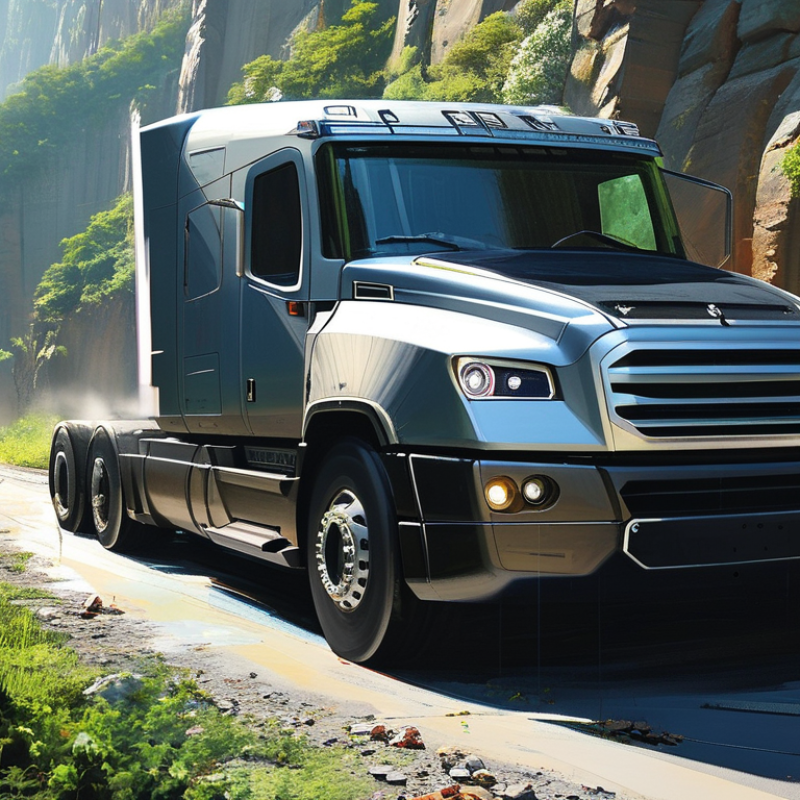
Traction batteries are pivotal for electric vehicles (EVs), forklifts, and various industrial applications. These batteries store and deliver energy efficiently, crucial for vehicle performance and operational productivity. Reports from industry experts indicate that the traction battery market will reach approximately $45 billion by 2026, driven by the increasing demand for cleaner energy solutions.
The importance of traction batteries cannot be overstated. They not only enable longer driving ranges for electric vehicles but also improve performance and reduce emissions in industrial machinery. Advanced technologies in battery chemistry are enhancing energy density and lifespan. However, challenges remain, including recycling and sourcing sustainable materials.
Consider the following: Aim for batteries with high cycle life. This can save costs and reduce environmental impact over time. Ensure regular maintenance to maximize battery life and performance. Monitor temperature and charging practices closely. These actions can prevent premature degradation, ensuring reliability in critical applications.
Key Technologies Driving Traction Battery Development
The future of tractIon Batteries is influenced by several key technologies. One prominent area is the development of solid-state batteries, which promise to enhance energy density and safety. These batteries replace liquid electrolytes with solid materials, reducing risks of leaks and fires. As researchers refine this technology, the potential for smaller, lighter batteries increases.
Another significant advancement comes from improved battery management systems. These systems analyze performance data in real-time. They help optimize charging cycles and prolong battery lifespan. Enhanced algorithms are crucial for managing the complexities of Ion Batteries in electric vehicles. This leads to better efficiency and performance.
However, challenges remain. The scalability of solid-state production is still being explored. Integrating new technologies into existing systems can also be a slow process. Stakeholders must balance innovation with practicality, ensuring that developments are sustainable. The path to 2026 demands collaboration and commitment to improvement across the industry.
Leading Brands and Manufacturers in Traction Battery Market
The traction battery market is evolving rapidly. Industry leaders indicate that global demand is projected to reach 140 GWh by 2026. This surge emphasizes the importance of reliable battery solutions. Data from recent reports shows that the growing electric vehicle (EV) segment significantly influences this demand.
Companies involved in traction battery manufacturing are not homogeneous. They are innovating towards higher energy density and faster charging technologies. Research highlights that lithium-ion batteries will dominate, representing nearly 75% of the market. However, companies are exploring solid-state batteries. These alternatives promise better safety and longevity.
Challenges persist in the sector. Supply chain issues and raw material costs are significant hurdles. The need for recycling and sustainability initiatives is pressing. As demand increases, manufacturers must adapt. They face ongoing scrutiny regarding environmental impacts. Balancing innovation with responsible practices remains a critical focus.
Performance Metrics: Capacity, Lifespan, and Charge Times
When considering traction batteries for 2026, performance metrics are essential. Capacity is a primary factor. Higher capacity means longer usage time. Many batteries are pushing beyond 300 amp-hours. However, larger capacity can lead to increased weight. This could impact vehicle efficiency, especially in electric vehicles. Balancing capacity and weight is critical for optimal performance.
Lifespan is another key metric. Most Lithium Batteries now last around 5 to 10 years with proper maintenance. Yet, degradation can occur due to extreme temperatures. Users often neglect climate impacts on battery health. Regular monitoring helps extend the life of lithium batteries significantly.
Charge times also deserve attention. Faster charging options are becoming more common. Some models now offer 80% charge in under an hour. Speed must be balanced with longevity. Overcharging can lead to reduced battery lifespan. Users should aim for a consistent charging routine to maximize performance.
Environmental Impact and Sustainability Considerations
As we approach 2026, the traction battery landscape is evolving. Sustainability remains a critical concern, particularly given the environmental impact of battery production and disposal. According to a recent report from the International Energy Agency, battery manufacturing is expected to contribute over 3% of global carbon emissions by the end of 2025. This emphasizes the urgency in developing greener production methods.
The materials sourced for batteries often raise ethical and environmental questions. For instance, lithium extraction can lead to significant water depletion in local communities. Reports indicate that the demand for lithium may triple by 2025, intensifying these concerns. Recycling practices need enhancement to ensure that
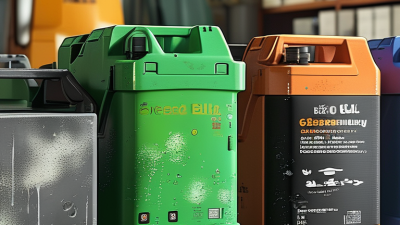
"Batteries Corroded"
are minimized in landfills. Without a robust recycling framework, toxic components can leach into ecosystems, causing long-term damage.
Future innovations might introduce alternative materials with lower ecological footprints. Researchers are exploring sodium-ion batteries, which could reduce reliance on scarce minerals. However, transitioning to these technologies presents challenges. Developing an efficient supply chain for new materials remains essential. Engaging more stakeholders in this process might lead to breakthroughs, but vigilance in addressing environmental risks is vital.
Future Trends in Traction Battery Technology for 2026
The traction battery market is evolving rapidly. As we approach 2026, several key trends will shape the landscape. A report from the International Energy Agency (IEA) predicts that global demand for lithium batteries will surge by 30% annually. This is significant for industries relying on efficient energy storage.
One emerging trend is the focus on sustainability. Companies are investing in recycling technologies to reclaim lithium and other materials. According to the Global Battery Alliance, recycled materials could account for 25% of battery production by 2026. However, challenges remain in standardizing these processes across the industry.
Advancements in battery chemistry are also crucial. Solid-state batteries are gaining traction, potentially doubling energy density compared to traditional lithium-ion batteries. Yet, usability in traction applications remains uncertain. Addressing safety and manufacturing scalability is critical for this technology. As the race for efficient energy storage continues, the landscape will be influenced by both innovative breakthroughs and existing limitations.
Regulatory Standards and Safety Protocols for Traction Batteries
As the demand for electric vehicles rises, understanding regulatory standards and safety protocols for traction batteries becomes essential. Various agencies outline regulations to ensure safety and performance. These standards address components like battery chemistry, thermal management, and recycling protocols. Compliance with these guidelines helps manufacturers produce reliable and efficient batteries.
Safety protocols are critical in minimizing risks associated with battery use. High temperatures can lead to thermal runaway incidents; thus, effective cooling systems are necessary. Additionally, the design must ensure robust protection against physical impacts. Regular inspections and testing for leakage are vital in maintaining safety. While advancements are being made, continuous reflection on these protocols is important. Manufacturers must remain vigilant and adapt to new safety findings and technology.
New battery technologies may improve energy density, but they can introduce unforeseen challenges. Stakeholders should discuss potential risks openly. Developing a culture of accountability will ensure that safety remains a priority. Navigating these regulations and safety frameworks requires expertise and diligence. Education on compliance will enhance consumer trust and promote safer battery solutions.
FAQS
: The growing electric vehicle segment significantly influences the rising demand for traction batteries.
Lithium-ion batteries currently dominate this market, making up about 75% of the total.
Yes, companies are looking into solid-state batteries, which offer improved safety and longer lifespan.
Major hurdles include supply chain issues, high raw material costs, and environmental scrutiny.
Many are investing in recycling technologies to reclaim lithium and other materials for reuse.
Demand is expected to grow by 30% annually, as reported by the International Energy Agency.
By 2026, recycled materials may account for around 25% of total battery production, highlighting future sustainability efforts.
Advancements in battery chemistry are critical, especially for developing solid-state batteries with higher energy density.
There are concerns about their safety and manufacturing scalability, which need to be addressed.
They need to balance innovation with responsible and sustainable practices to minimize environmental impact.
Conclusion
Traction batteries play a crucial role in powering electric vehicles and various industrial applications, making their development increasingly vital in today's energy landscape. Key technologies driving advancements in traction batteries include improvements in energy density, charging efficiency, and overall safety. Performance metrics such as capacity, lifespan, and charge times are essential for consumers and industries, highlighting the importance of selecting the right battery for specific applications.
As environmental concerns grow, sustainability considerations in traction battery production and disposal are becoming paramount. Future trends indicate a shift towards more efficient battery technologies, enhanced recyclability, and the development of regulatory standards to ensure safety and effectiveness. Understanding these aspects will be essential for stakeholders as they prepare for the evolving traction battery market in 2026 and beyond.