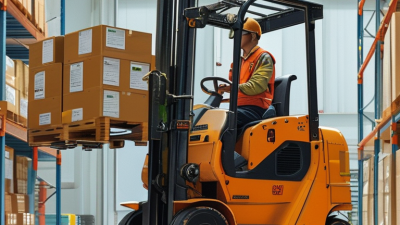
Traction batteries aren’t just about storing energy—they’re really what makes things move. Think forklifts, electric cars, airport gear, automated guided vehicles, and warehouse trucks—they all rely on these batteries to do their thing. Picking the right chemistry isn’t just about tech specs; it actually impacts how quickly they lift, how fast they charge, safety, how long they last, and overall operating costs.
According to the International Energy Agency, almost 14 million electric cars were sold globally in 2023, making up about 18% of new car sales. Meanwhile, BloombergNEF’s 2024 Battery Price Survey reports that the average cost for a lithium-ion pack hit around 115 dollars per kilowatt-hour—down about 20%. All these numbers? They’re part of why we’re seeing more interest in lithium-ion traction systems. That said, lead-acid batteries are still pretty popular for forklifts since they’re cheaper upfront and familiar to most maintenance crews. On the other hand, lithium iron phosphate batteries last longer through more charge cycles and handle heat better. Nickle-manganese-cobalt (NMC) batteries pack a punch with high energy density, but they come with higher material costs and some thermal management challenges.
Here’s the thing—those details really matter. For example, a forklift used in cold storage might run out of usable range faster than one used on a factory floor. Or a delivery van might need batteries that promise higher energy density rather than just easy swaps. Basically, choosing a battery isn’t just about the chemistry—it’s about the *operation* itself.
Fatih Birol, the head of the International Energy Agency, called batteries a “key technology for the clean energy transition,” and that totally makes sense. But, honestly, that doesn’t answer all the tough questions about which batteries to pick. Just because one looks cheaper doesn’t mean it’ll save you money over its entire lifetime. This guide aims to compare the top types based on their performance, charging habits, durability, safety, and overall costs of ownership. Of course, it’s not perfect—different manufacturers test and report data in their own ways, so some discrepancies are to be expected. And in real-world use, duty cycles can shake up the rankings a bit—that’s just part of the game.
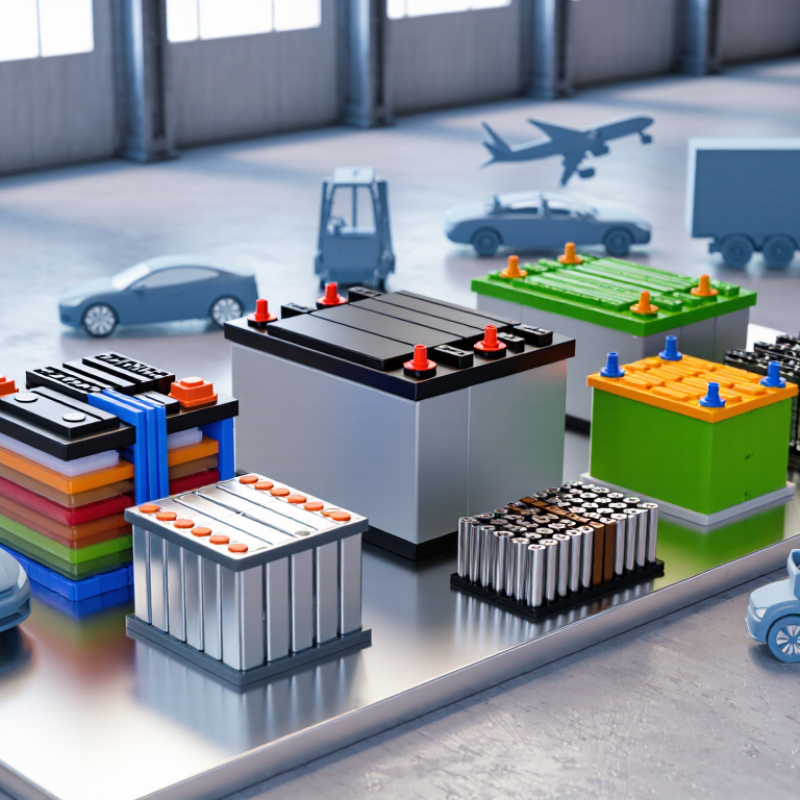
Traction Batteries: Definition, Purpose, and Main Applications
What Are the Top Types of TractIon Batteries?
Traction batteries are rechargeable power systems designed to move electric vehicles and industrial equipment. Unlike starter batteries, they deliver steady energy for longer working periods. Their purpose is practical: powering forklifts, warehouse vehicles, electric carts, floor scrubbers, and some marine equipment.
Lead-acid batteries remain common because they are proven, affordable, and widely serviceable. They need regular charging, ventilation, and electrolyte checks. Their steel cases feel heavy during battery changes.
Lithium-ion batteries offer lower weight, faster charging, and useful energy efficiency. Ion Batteries also support opportunity charging during short work breaks. However, they require compatible charging systems and careful temperature management.
Nickel-metal hydride batteries can provide dependable cycling in selected electric vehicles and industrial systems. They tolerate frequent use, although their weight and cost may limit adoption. Choosing a battery depends on duty cycles, vehicle weight, charging access, operating temperature, and maintenance capacity. A busy warehouse may value fast charging more than the lowest purchase price. An outdoor utility cart may need stronger cold-weather performance. No chemistry is perfect. Battery life also depends on charging habits, storage conditions, and operator training. In practice, reviewing measured energy use is more reliable than choosing by specifications alone.
How Lead-Acid Traction Batteries Work
Lead-acid traction batteries remain common in forklifts, pallet trucks, and other electric work vehicles. Their design is heavy, practical, and well understood. Inside each battery cell, lead-based plates sit in an electrolyte made from sulfuric acid and water. A typical pack connects several cells to provide the required voltage. During discharge, chemical reactions move electrons through the vehicle’s electrical system. The plates gradually change composition, while the electrolyte becomes less concentrated. Charging reverses this process and restores much of the battery’s stored energy.
The process creates heat, gas, and gradual water loss. Ventilation is essential, especially in enclosed charging areas. Trained workers should check electrolyte levels, terminals, cable condition, and charging temperature. They should also use suitable protective equipment and follow the battery maker’s technical instructions. Overfilling can cause spills, while underfilling may expose the plates and shorten service life. The design is not glamorous. Yet its repairability and predictable behavior still matter. Lithium Batteries usually offer lighter weight, faster charging, and higher energy efficiency. However, they may require different controls, training, and purchasing decisions. In real workplaces, the best choice depends on shift length, charging access, floor conditions, and maintenance discipline. Records sometimes reveal an uncomfortable truth: poor charging habits can damage even a well-designed battery. A careful inspection often explains weak performance better than age alone.
How Lithium-Ion Traction Batteries Work
Lithium-ion traction batteries store energy through reversible movement of lithium ions. During acceleration, ions travel from the negative electrode to the positive electrode through an electrolyte. Electrons move through the external circuit and power the motor. A separator keeps the electrodes apart while allowing ion movement. This small internal distance matters greatly.
During charging, the process reverses. The battery management system monitors voltage, temperature, and current across individual cells. It can reduce charging power when a cell becomes too hot or unbalanced. In a working pack, hundreds of cells must behave almost like one unit. That is difficult. Heat from a steep hill, cold air, or rapid charging can change their performance.
Technicians inspect charging records, cell differences, cable connections, and cooling paths. A swollen case, unusual smell, or rising temperature requires immediate attention. A note reading “Batteries Corroded” should never be ignored, although corrosion usually affects terminals and connections rather than sealed cell interiors. Moisture can increase resistance and create local heating. Clean connections matter.
Lithium-ion systems are efficient, but they are not maintenance-free. Some explanations make battery behavior sound perfectly predictable. It is not. Age, vibration, charging habits, and uneven cell wear all interact. I may be simplifying the chemistry here, because real packs contain several control layers. Still, the core principle remains clear: controlled ion movement becomes useful mechanical power.
The Role of Nickel-Based Traction Batteries
What Are the Top Types of Traction Batteries?
The Role of Nickel-Based Traction Batteries
Traction batteries power forklifts, hybrid vehicles, electric buses, and industrial equipment. Common types include lead-acid, lithium-ion, nickel-metal hydride, and nickel-cadmium batteries. Nickel-based systems remain relevant where durability, temperature tolerance, and stable output matter more than maximum energy density.
Nickel-metal hydride batteries use a nickel oxyhydroxide positive electrode and a hydrogen-absorbing alloy negative electrode. They tolerate repeated cycling and resist thermal stress better than many older designs. The U.S. Department of Energy reports typical NiMH specific energy near 60–120 Wh/kg. That is lower than many modern lithium-ion packs. Still, it can suit hybrid vehicles with frequent charge and discharge events.
Nickel also appears in lithium-ion cathodes, including nickel-manganese-cobalt and nickel-cobalt-aluminum chemistries. The International Energy Agency reported global electric-vehicle battery demand above 750 GWh in 2023. This scale has increased attention on nickel supply, processing quality, and battery recycling. Battery manufacturers often raise nickel content to improve energy density, but this can increase sensitivity to heat, overcharging, and mechanical damage. Small design choices matter.
Field experience shows that battery life depends heavily on temperature control, charging habits, and maintenance records. A well-managed nickel-based battery may outperform a cheaper alternative in demanding service. However, energy density alone is not a complete purchasing measure. This point is easy to miss. Another weakness remains: published performance figures often reflect laboratory conditions, not dusty warehouses or winter loading yards.
Comparing Traction Battery Types by Performance and Cost
Traction batteries power forklifts, pallet trucks, automated vehicles, and other industrial equipment. Lead-acid batteries remain attractive because their purchase cost is low. They are widely understood, repairable, and easy to source. However, they need regular watering, ventilation, and long charging periods. Their performance can decline sharply when operators use them during cold shifts or deep discharge cycles.
Lithium-ion batteries usually cost more initially, but their operating cost can be lower. They support opportunity charging during short breaks and deliver steadier voltage throughout a shift. They also require less routine maintenance than lead-acid systems. Temperature control and battery management remain important. Lithium D Batteries are different from industrial traction packs, despite the similar name. They are generally designed for portable equipment, not high-current fleet applications.
Nickel-metal hydride batteries offer reliable cycling and tolerate some harsh conditions, but their energy density and cost may limit adoption. A proper comparison should measure runtime, charging time, usable capacity, service labor, and replacement intervals. The cheapest battery may become expensive after repeated maintenance and downtime. That matters. In one fleet assessment, operators focused on purchase price and overlooked lost production during charging. The result challenged their original choice. Still, lithium-ion is not automatically best; heavy workloads, poor charging discipline, and cold storage can weaken its advantage. Test the duty cycle before choosing.
What Are the Top Types of Traction Batteries? – Comparing Traction Battery Types by Performance and Cost
| Battery Type |
Typical Applications |
Nominal Cell Voltage |
Recommended Depth of Discharge |
Typical Cycle Life |
Energy Density |
Round-Trip Efficiency |
Typical Recharge Time |
Maintenance Requirements |
Upfront Cost |
Lifecycle Cost |
Overall Performance Profile |
| Flooded Lead-Acid |
Forklifts, pallet trucks, floor-cleaning machines, warehouse vehicles and low-speed electric vehicles |
2.0 V |
70–80% |
1,200–1,500 cycles |
30–40 Wh/kg |
75–85% |
6–10 hours |
Regular watering, ventilation, electrolyte checks and equalization charging |
Low |
Low to medium |
Well-established and economical, but heavy, slower to charge and maintenance-intensive |
| AGM Lead-Acid |
Compact industrial vehicles, access equipment, mobility vehicles and standby-supported traction systems |
2.0 V |
50–70% |
500–1,000 cycles |
30–40 Wh/kg |
75–85% |
6–10 hours |
Sealed and maintenance-free under normal use; requires suitable charging control |
Medium |
Medium to high |
Spill-resistant and easy to install, but generally less tolerant of deep cycling than flooded batteries |
| Gel Lead-Acid |
Electric mobility equipment, medical vehicles, aerial work platforms and applications needing low gas emission |
2.0 V |
50–70% |
700–1,200 cycles |
30–40 Wh/kg |
75–85% |
8–12 hours |
Sealed and maintenance-free; requires a charger designed for gel batteries |
Medium |
Medium to high |
Good resistance to vibration and deep discharge, but charging is slower and heat-sensitive |
| Lithium Iron Phosphate (LFP) |
Electric forklifts, automated guided vehicles, warehouse equipment, electric buses and commercial vehicles |
3.2 V |
80–90% |
2,500–7,000 cycles |
90–160 Wh/kg |
90–98% |
1–3 hours with fast charging |
Minimal routine maintenance; requires a battery management system and thermal protections |
High |
Low to medium |
Long service life, high efficiency, opportunity-charging capability and lower weight; higher initial investment |
| Nickel-Metal Hydride (NiMH) |
Selected hybrid and specialized electric mobility applications where durability and safety are priorities |
1.2 V |
60–80% |
500–2,000 cycles |
60–120 Wh/kg |
65–85% |
2–6 hours |
Low routine maintenance; requires monitoring for heat and overcharging |
Medium to high |
Medium to high |
Reliable and safer than some high-energy chemistries, but has higher self-discharge and lower efficiency than LFP |
| Nickel-Cadmium (NiCd) |
Specialized industrial vehicles, rail systems, aviation support equipment and operation in harsh temperatures |
1.2 V |
70–80% |
1,500–3,000 cycles |
40–60 Wh/kg |
60–80% |
4–8 hours |
Periodic capacity checks; cadmium handling and disposal are regulated in many regions |
High |
High |
Excellent low-temperature performance and durability, but environmental restrictions and high cost limit adoption |
Data note: Values are typical engineering ranges for traction applications and can vary according to cell design, operating temperature, discharge rate, charging profile, maintenance practices and battery management settings. Lifecycle cost reflects expected total ownership cost rather than purchase price alone.
Choosing the Right Traction Battery for Different Vehicles
Choosing a traction battery starts with the vehicle’s working pattern, not its advertised voltage. Lead-acid batteries suit forklifts, floor scrubbers, and low-cost utility carts. They tolerate simple charging systems, but require ventilation, watering, and longer charging periods. Nickel-metal hydride batteries offer strong durability and thermal stability. They remain practical for some hybrid vehicles, especially where repeated charge and discharge cycles are expected.
Lithium-ion batteries fit electric buses, delivery vans, warehouse vehicles, and passenger cars needing fast charging. Their higher energy density reduces weight and creates more usable space. According to the IEA Global EV Outlook 2024, nearly 14 million electric cars were sold worldwide in 2023. Electric cars exceeded 18% of new car sales, increasing demand for efficient traction systems. However, lithium-ion systems need battery management, temperature control, and carefully matched chargers.
Duty cycle matters most.
A vehicle covering short indoor routes may benefit from lead-acid’s lower purchase cost. A delivery van operating multiple shifts may need lithium-ion to reduce downtime. Cold climates can also reduce available capacity, while heavy loads increase current demand and heat. In field inspections, operators often underestimate these effects. I have seen a battery selected by voltage alone fail during the afternoon shift. That mistake is easy to repeat.
The U.S. Department of Energy’s Vehicle Technologies Office identifies energy density, cycle life, safety, and cost as key battery-selection factors. Buyers should compare daily energy use, charging access, maintenance capacity, payload, and replacement timing. No battery is perfect. A cheaper pack may become expensive when labor and idle hours are included.
Conclusion
Traction Batteries are rechargeable power sources designed to deliver sustained energy for moving industrial and electric vehicles, including forklifts, warehouse equipment, cleaning machines, and electric transport vehicles. Their performance depends on chemistry, capacity, charging requirements, operating conditions, and maintenance needs. Lead-acid traction batteries remain a practical option because they are durable, widely available, and relatively affordable. They work through a reversible chemical reaction between lead plates and an electrolyte, although they are heavier and require longer charging and careful upkeep.
Lithium-ion traction batteries store energy through the movement of lithium ions between electrodes, providing high efficiency, rapid charging, lower maintenance, and a longer service life. Nickel-based batteries can offer reliable performance and strong resistance to demanding conditions, but their higher cost may limit their use. When comparing traction battery types, users should consider energy density, charging speed, lifespan, safety, total operating cost, and environmental conditions. The right choice depends on the vehicle’s workload, operating schedule, available charging facilities, budget, and required balance between performance and durability.