Leave Your Message
Engineered to support heavy-duty printing cycles, providing consistent voltage and long-lasting lifespan for commercial mobile printers.
Understanding the critical role of advanced battery technology in the evolution of modern commercial logistics and automated warehousing.
The modern logistics, retail, and manufacturing sectors are experiencing an unprecedented acceleration in automation. Central to this transformation is the deployment of commercial barcode and label mobile printers. These portable devices allow workers to generate tracking labels, receipts, barcodes, and shipping documents directly at the point of action—whether on the warehouse floor, in a retail aisle, or during last-mile delivery. However, the operational efficiency of these printers is fundamentally dependent on their power source. A mobile printer is only as reliable as its battery pack.
In high-demand industrial environments, printers must operate continuously across extended shifts. The demand for robust, high-capacity, and thermally stable power solutions like the Castles Battery series has surged. Unlike standard consumer-grade batteries, commercial mobile printer batteries must withstand rapid charging cycles, deep discharges, extreme temperature fluctuations, and constant mechanical vibration without compromising energy density or safety.
In a standard distribution center, a single minute of downtime due to a dead barcode printer battery can delay the shipping of dozens of packages, causing a ripple effect throughout the entire logistics chain. Furthermore, thermal print heads require high peak currents to melt ink or activate thermal paper coating. If a battery's internal resistance is too high or its voltage drops prematurely, print quality degrades, leading to unscannable barcodes and manual data entry errors. The integration of premium lithium-ion cell technology ensures that the voltage output remains flat and consistent, guaranteeing crisp, high-density print output from the first label to the last.
Exploring the technical innovations that set commercial replacement batteries apart in terms of safety, longevity, and efficiency.
Integrated circuits prevent overcharging, over-discharging, short circuits, and thermal runaway, ensuring safe operation in harsh environments.
Utilizing only high-density, Grade-A lithium cells that guarantee stable capacity retention even after 500+ charge-discharge cycles.
Vibration-resistant, flame-retardant ABS+PC housing protects internal components from drops, impacts, and environmental dust.
From sub-zero cold chains to fast-paced retail environments, see how specialized battery packs power modern industries.
In cold chain environments, batteries face extreme challenges. Temperatures inside cold storage facilities often plunge to -20°C or lower. Standard lithium-ion batteries lose up to 50% of their effective capacity under these conditions due to slowed chemical reactions. Advanced replacement batteries designed for commercial mobile printers utilize specialized low-temperature electrolyte formulations and optimized internal resistance. This allows workers to print inventory labels continuously inside freezers without having to step outside to swap batteries, significantly increasing operational throughput.
During peak shopping seasons, fulfillment centers run 24/7. Mobile barcode printers are mounted on carts or carried by pickers who print hundreds of shipping labels per hour. In these scenarios, battery longevity is paramount. Batteries engineered with high energy density and support for fast-charging cradles allow warehouses to adopt a "charge during breaks" routine, eliminating the need for large standby battery inventories and reducing the total cost of ownership (TCO) for enterprise clients.
In healthcare settings, mobile printers are used at the bedside to print patient wristbands, specimen tube labels, and medication tracking codes. The batteries powering these devices must comply with strict medical safety standards. They need to feature hermetically sealed enclosures that can withstand frequent sanitization with harsh chemical disinfectants without compromising the integrity of the casing or the internal cells. Reliable power ensures that critical patient data is printed clearly, reducing the risk of medical identification errors.
Last-mile delivery couriers operate in unpredictable outdoor environments. Rain, dust, drop impacts, and heat inside delivery trucks can quickly damage standard batteries. Heavy-duty mobile printer batteries feature ruggedized construction, gold-plated connectors to prevent corrosion, and optimized thermal dissipation. This ensures that couriers can print delivery receipts and return labels reliably throughout their entire route, regardless of weather conditions.



Driven by innovation, integrity, and a customer-first philosophy to power global industries.
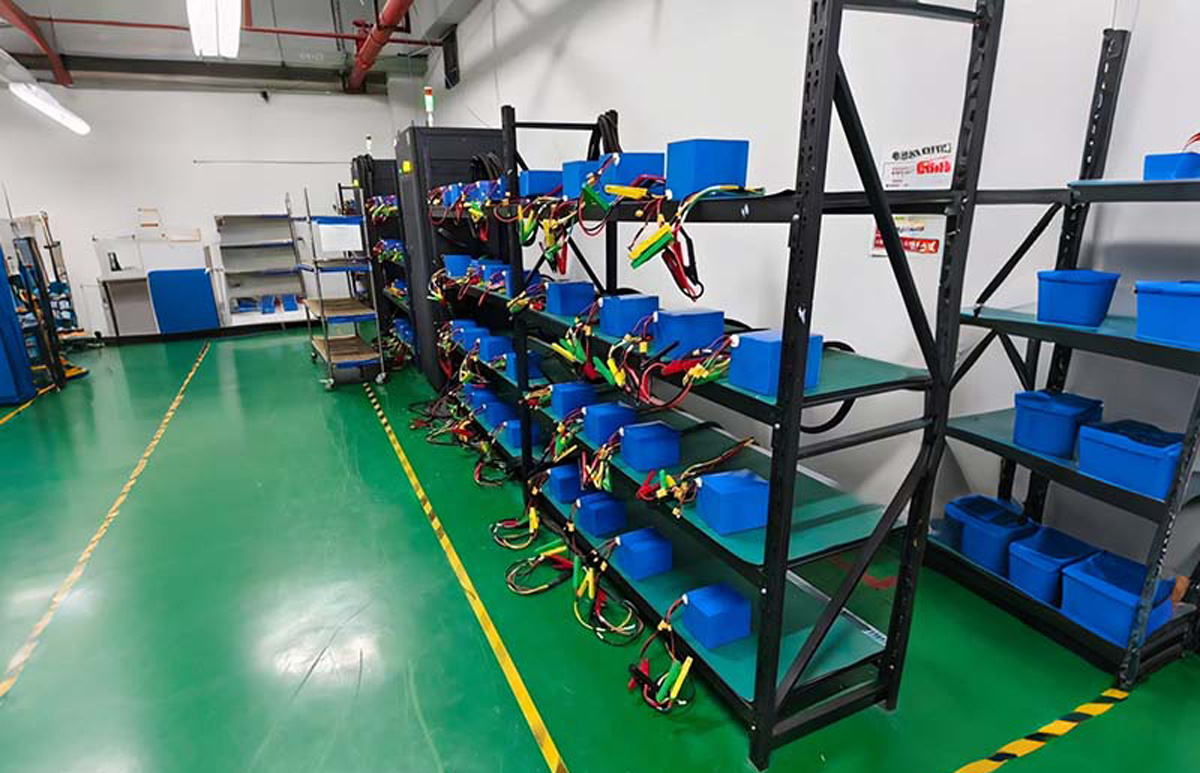

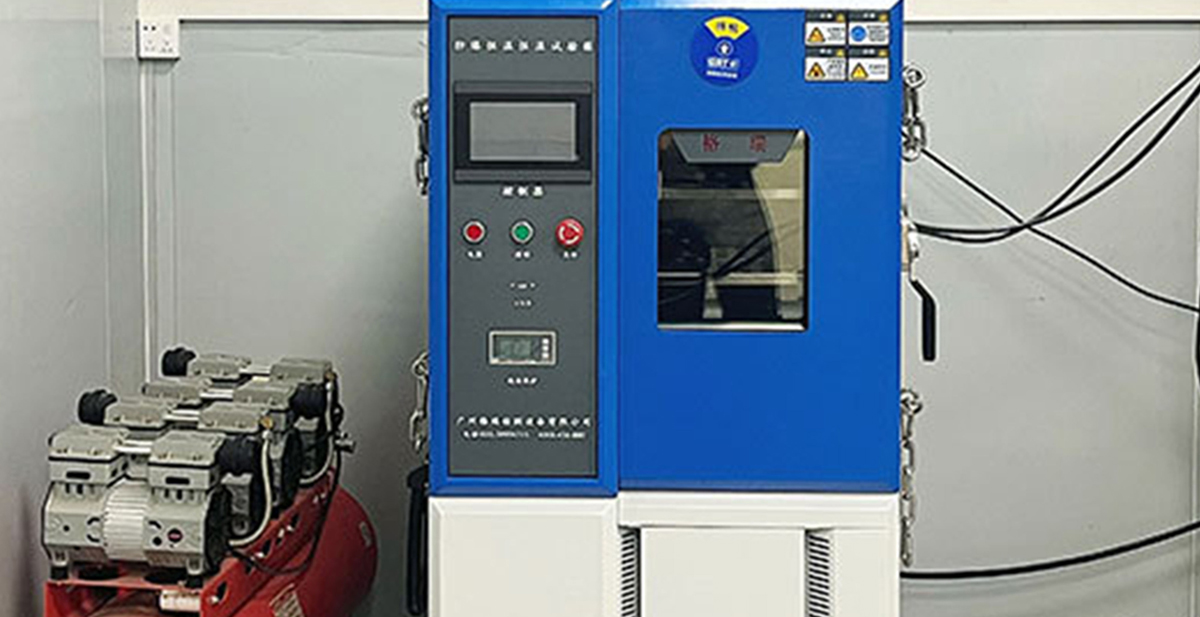
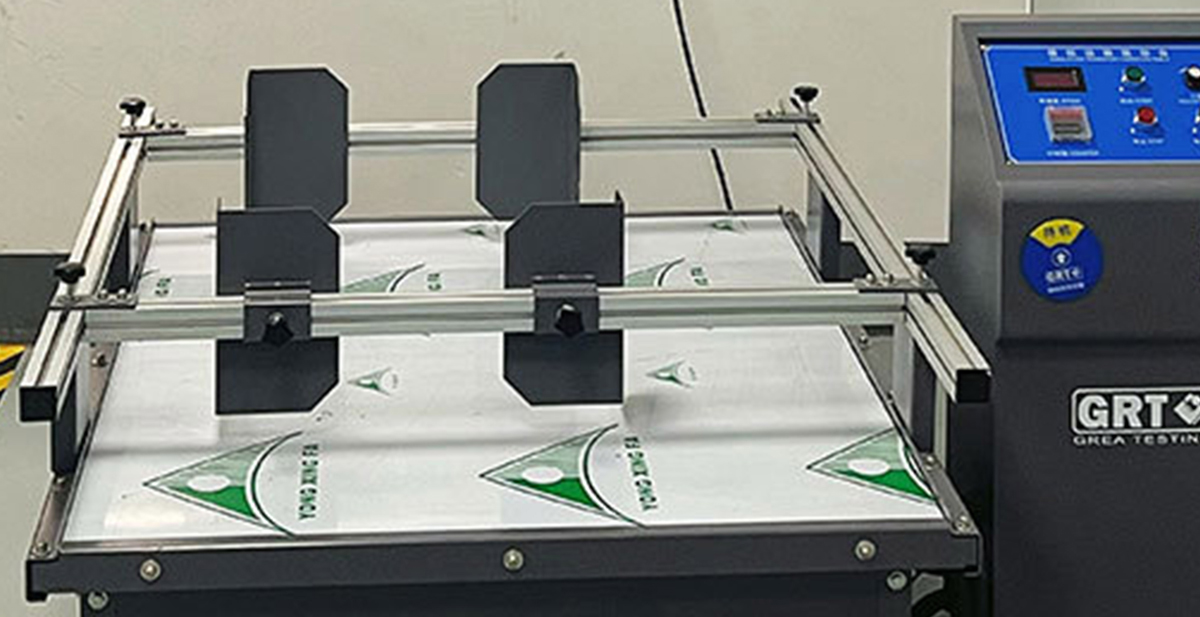
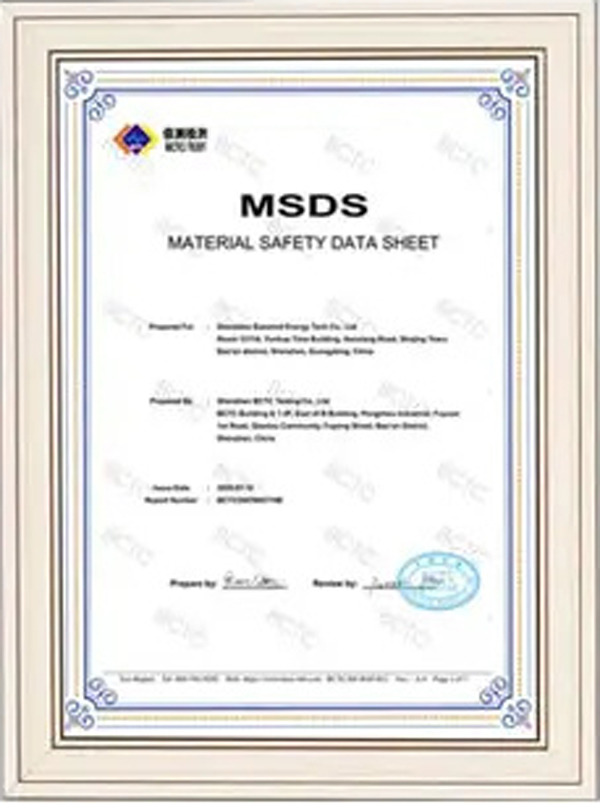
MSDS
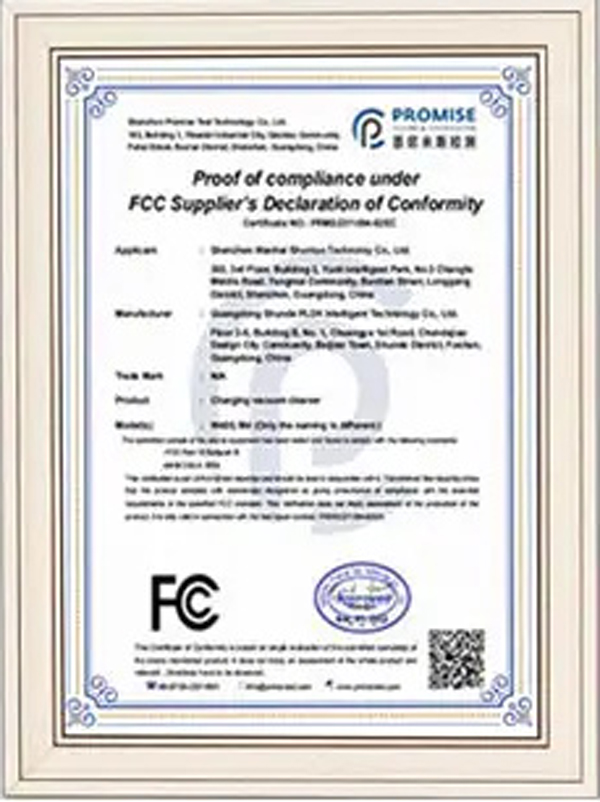
FCC

PSE

UN 38.3
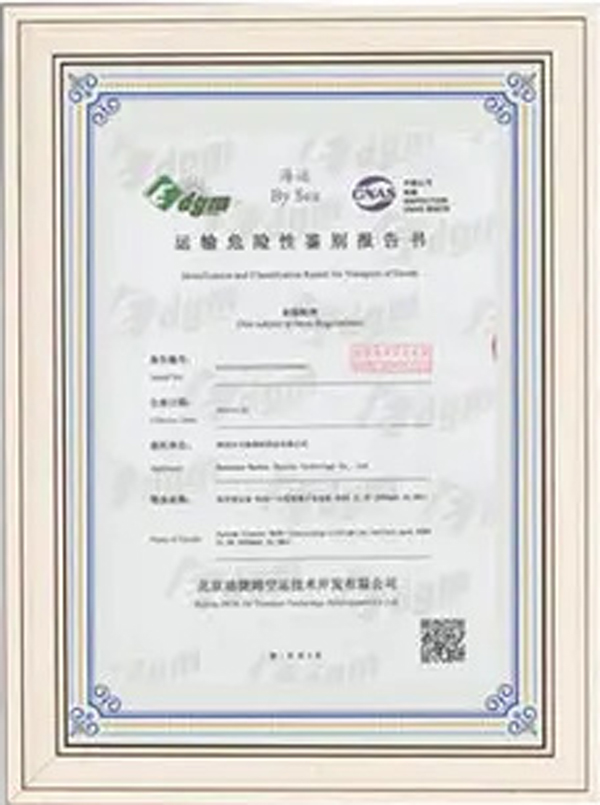
DGM

CE

RoHS
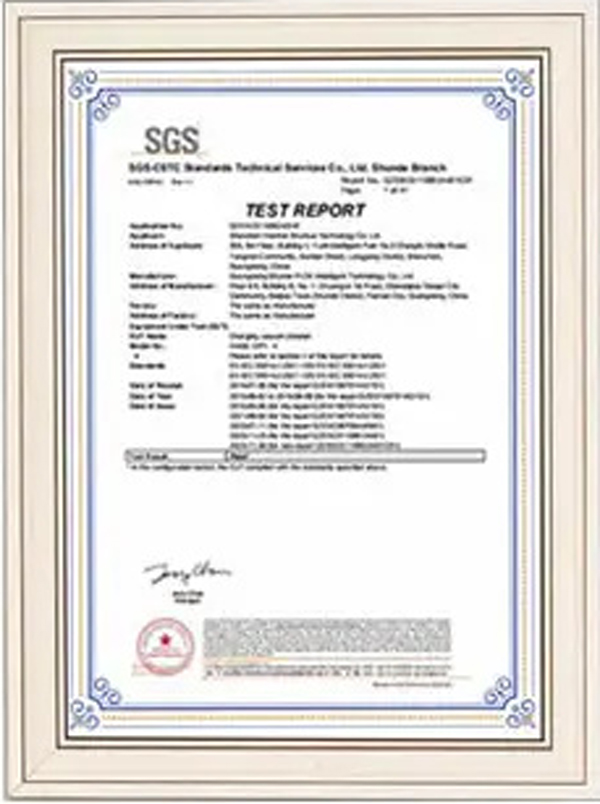
Quality Standard
How next-generation battery technologies are shaping the future of industrial printing equipment.
The next generation of replacement batteries is moving beyond simple power storage. Integration of smart BMS chips allows batteries to communicate directly with host devices using standard protocols like SMBus or I2C. This enables real-time tracking of state-of-charge (SoC), state-of-health (SoH), cycle counts, and internal temperatures. Fleet managers can monitor the battery health of thousands of mobile printers across multiple locations via cloud dashboards, scheduling preventative replacements before a failure occurs on the warehouse floor.
To meet the demands of increasingly compact mobile printers without sacrificing operating time, cell manufacturers are adopting high-silicon anode technology. By replacing traditional graphite anodes with silicon-composite materials, the energy density of the cells can be increased by up to 20-30%. This allows for lighter, smaller battery packs that can power heavy-duty thermal print heads for multiple consecutive shifts on a single charge.
Environmental sustainability is becoming a key purchasing criterion for enterprise clients. Leading manufacturers are focusing on sustainable battery chemistry, reducing cobalt content, and designing battery packs that are easier to disassemble for recycling. Implementing closed-loop recycling programs ensures that critical materials like lithium, nickel, and copper are recovered and reused in new battery production, minimizing the ecological footprint of industrial operations.
Explore our full catalog of high-performance replacement batteries designed for leading commercial barcode and label mobile printers.