Leave Your Message
Engineered to handle burst-suction torque demands, prolonged runtime protocols, and high-frequency charging dock duty cycles.
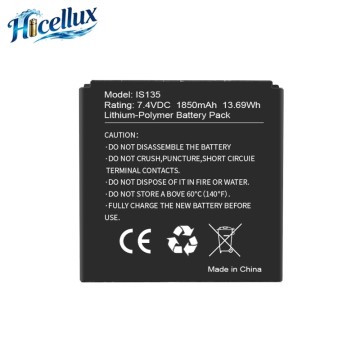
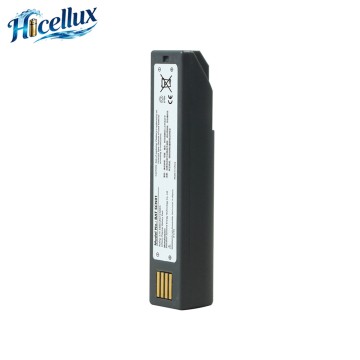

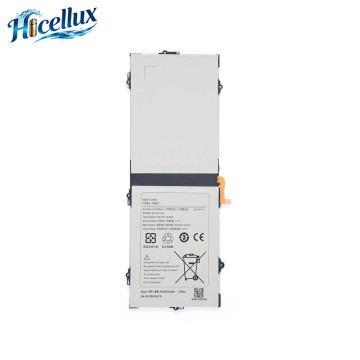
The global intelligent cleaning device ecosystem—spanning robotic floor vacuums, cordless multi-cyclonic stick cleaners, handheld wet/dry spot washers, and autonomous commercial scrubbers—is undergoing a rapid technological transition. Contemporary consumers and commercial facility managers demand higher suction power, which frequently exceeds 25,000 to 30,000 Pascals (Pa), longer unbroken cleaning sweeps across 200+ square meter layouts, and intelligent self-maintenance capabilities such as automatic hot-water mop washing and high-speed debris extraction docks. These sophisticated features require battery architectures capable of meeting dual operating criteria: continuous baseline current delivery for navigation computing and high-amperage surge discharges to drive brushless direct current (BLDC) motors rotating at up to 130,000 RPM.
Within this rigorous operational environment, the Castles Battery platform tailored for smart home cleaning and vacuum devices serves as a benchmark of reliability and electro-chemical stability. While conventional consumer battery packs degrade rapidly under high current drains and unmanaged thermal spikes, Castles battery engineering combines ultra-low internal impedance cells with multi-tier digital Battery Management Systems (BMS). This infrastructure minimizes I²R thermal dissipation during continuous turbo suction modes, stabilizes voltage discharge plateaus, and ensures that robotic cleaning appliances maintain relentless peak cleaning torque from the first square meter to the final docking cycle.
Optimized low-impedance electrode coatings support continuous 10C–15C discharge rates, eliminating thermal throttling when multi-surface vacuums encounter deep-pile carpeting or heavy debris corridors.
Designed for AI autonomous robot vacuums that routinely return to base docks for micro-charges, self-emptying, and mop re-hydration without suffering memory degradation or rapid plating of the anode.
Real-time edge sensing monitors temperature thresholds, over-current anomalies, cell voltage balances, and short-circuit triggers across nano-second response loops for absolute household protection.
Developing energy storage modules for portable and autonomous cleaning devices involves distinct electro-mechanical obstacles that traditional consumer batteries cannot resolve. Vacuum cleaners inherently suffer from harsh vibrating environments generated by high-velocity fan impellers, abrupt inertial shifts during obstacle avoidance maneuvers, and substantial thermal accumulation trapped within tightly sealed, IP-rated moisture-resistant housings. When moisture from wet-and-dry vacuum rollers or mop wash cycles enters contact with degraded seals, traditional battery electronics face catastrophic failures.
Castles vacuum battery solutions solve these challenges through hermetically sealed sonic welded pack casings, anti-vibration cell spacing rings, and moisture-repellent conformal PCB coatings. Furthermore, the chemistry formulation utilizes advanced high-nickel ternary cathode matrices or stabilized lithium iron phosphate blends, reducing internal chemical stress during frequent charge-discharge transitions while mitigating thermal runaway risks under extreme motor stall scenarios.
Explore how tailored Castles energy platforms power modern automated cleaning equipment across residential, light commercial, and industrial facilities.
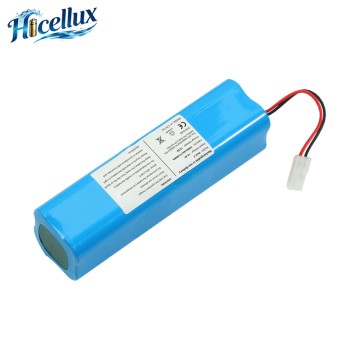
Powering continuous LiDAR scanning, simultaneous localization and mapping (vSLAM), dual-spinning pressurization mop units, and automated carpet boost sensors. Delivers stable 14.4V to 14.8V platforms running up to 180 minutes of runtime per charge cycle.
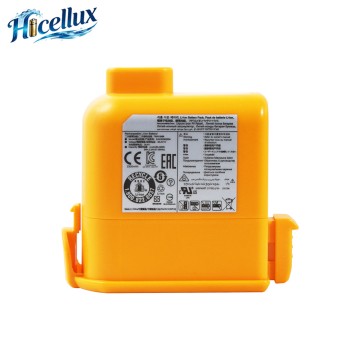
Delivering high instantaneous burst power for 6-cell, 7-cell, and 8-cell series (21.6V, 25.2V, 29.6V) configurations. Supports variable throttle triggers from eco-modes (15–20W) up to maximum hyper-boost filtration draws (450W–600W).
Meeting heavy industrial demands with higher capacity multi-parallel arrays. Features robust mechanical brackets, dual-temperature sensor cutoffs, and IPX7 level resistance against detergent splashback and humid cleaning environments.
The operational longevity of a cordless vacuum cleaner relies directly on how the onboard Battery Management System synchronizes with the motor control unit (MCU). During high-torque operations—such as when a roller brush becomes obstructed by hair or carpet fibers—the current drawn by the motor spikes within milliseconds. Standard battery protection boards frequently initiate a complete cutoff, leaving the user with an abrupt shutdown and an unhandled system error.
In contrast, the Castles Battery BMS infrastructure communicates dynamic status feedback via I2C, SMBus, or CAN bus protocols. The smart battery signals impending current ceilings, prompting the cleaner’s CPU to pulse the roller motor in attempt to free the obstruction before executing a graceful safety shutdown. This integrated digital handshake preserves cell health, prevents blown thermal fuses, and substantially improves user satisfaction in premium smart appliances.
We provide one-on-one customized services and cost-effective solutions for our clients.
Compared to our competitors, we offer faster shipping times and more flexible delivery options.
Our company is committed to helping customers improve efficiency and increase profits.
We welcome your inquiries and look forward to building long-term, mutually beneficial partnerships with clients worldwide.



Driving continuous innovation in lithium battery packaging and clean-energy automation systems.
To become the world's most trusted innovator and manufacturer of high-reliability specialized battery packs for smart robotics, industrial automation, and consumer intelligent cleaning devices.
Empowering worldwide hardware innovators with precision battery engineering, rapid prototype turnaround, uncompromised quality assurance, and sustainable energy architectures.

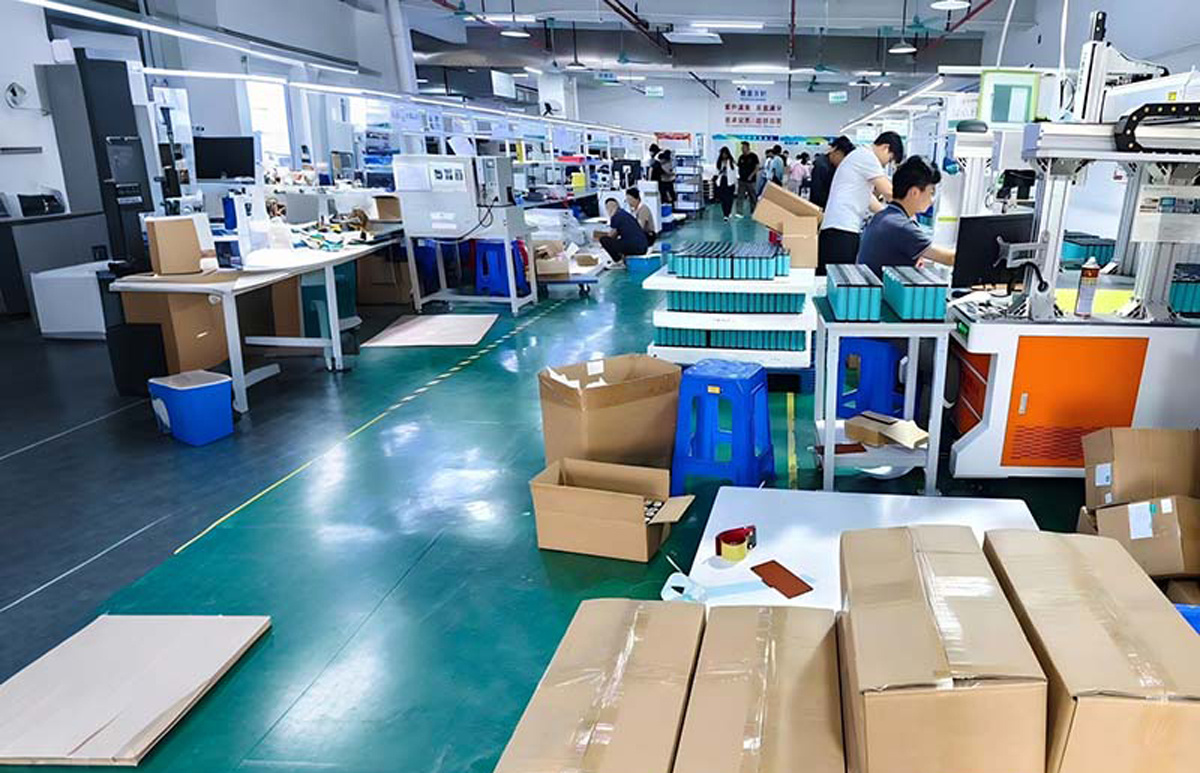
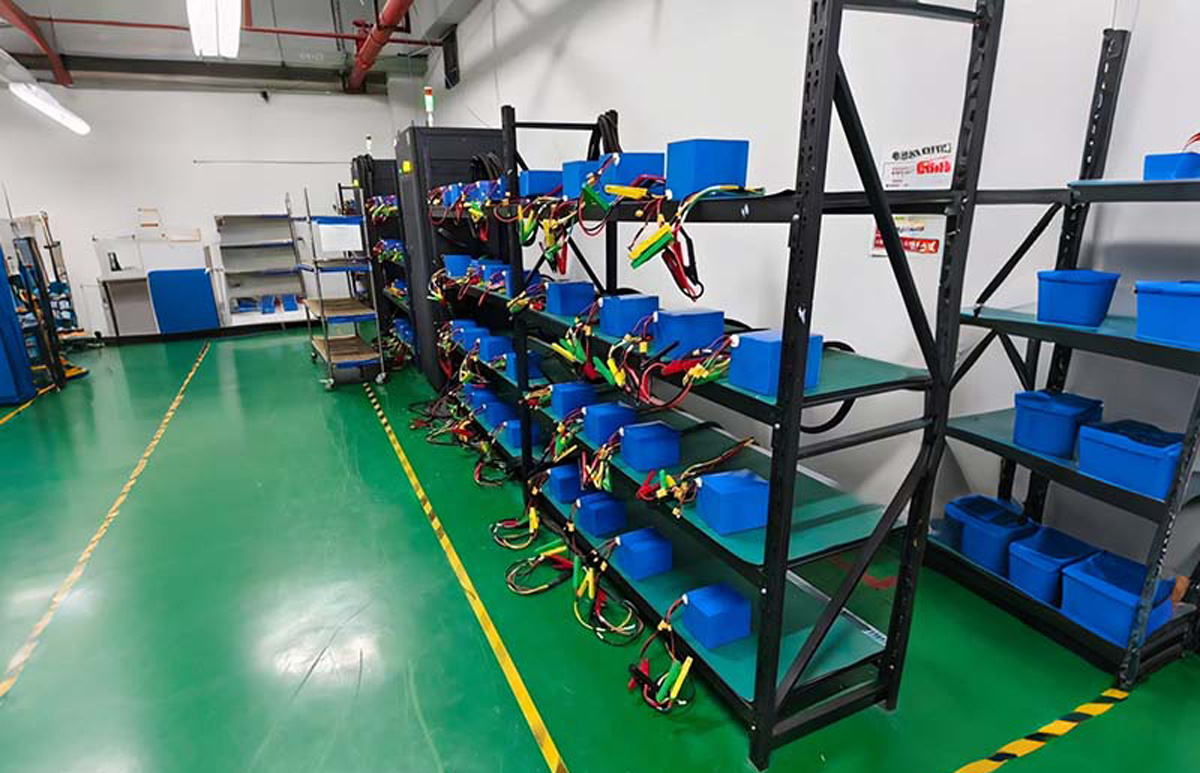
State-of-the-art battery assembly lines delivering high yield rates and zero-defect quality standards.
Integrating world-class chemical research, mechanical design, firmware coding, and international distribution.

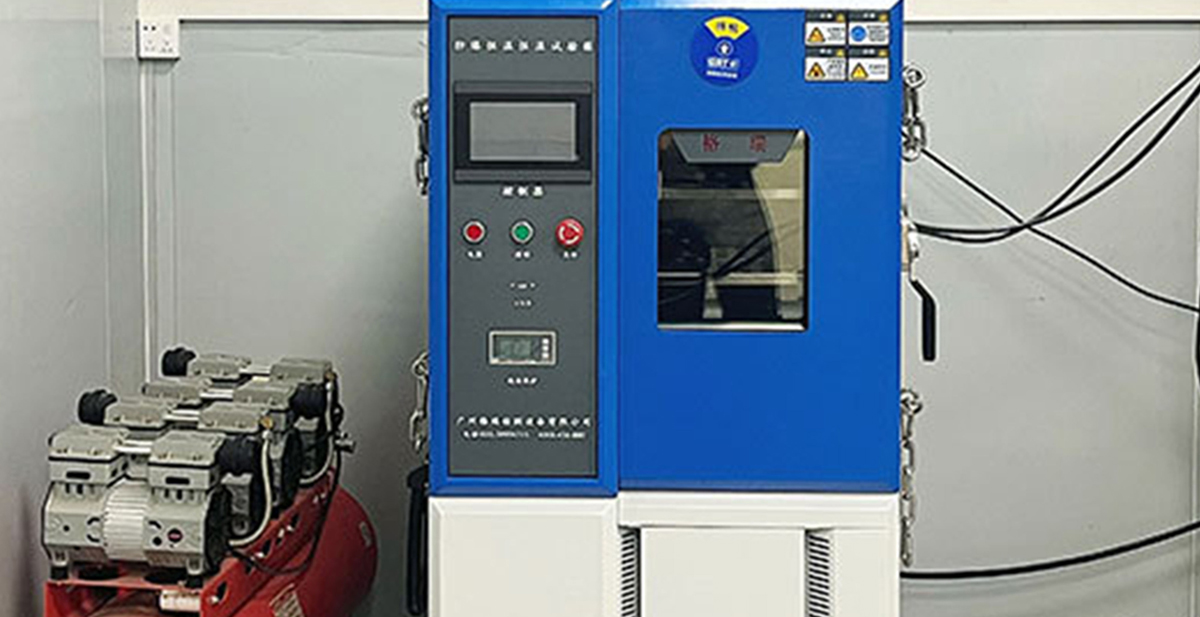
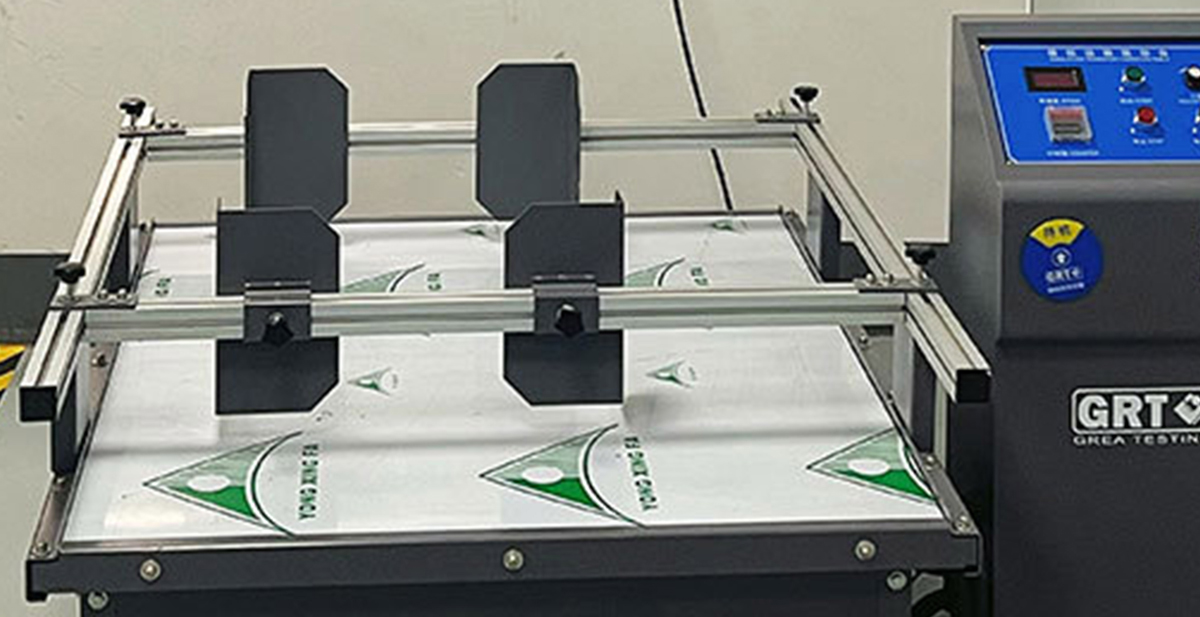

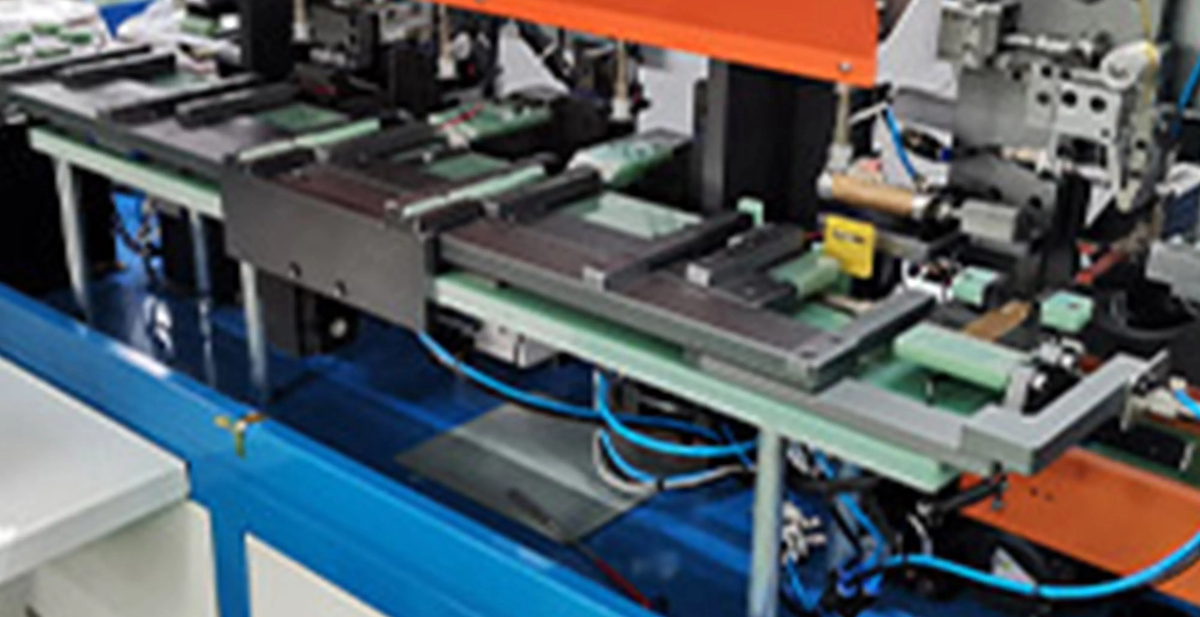
The consumer electronics market is experiencing strict regulatory transitions regarding circularity and right-to-repair frameworks, especially within the European Union (EU) and North America. Upcoming battery passport directives and eco-design mandates will require smart appliance manufacturers to incorporate easily removable, repairable, and recyclable battery modules. Consequently, permanent glue-in pouch batteries are increasingly abandoned in favor of modular, snap-in mechanical packs using standardized cylindrical 18650 and 21700 cell formats.
Castles battery engineering is leading this transformation through modular cell-cage designs that facilitate seamless disassembly and non-destructive serviceability. By implementing state-of-the-art silicon-doped carbon anodes, future iterations of Castles battery cells achieve gravimetric energy densities exceeding 280 Wh/kg. This leap allows robotic vacuums to achieve up to 3.5 hours of continuous autonomous cleaning without increasing the appliance's chassis height or compromising internal dustbin volume.
Simultaneously, the convergence of AI edge algorithms in smart home bases enables predictive health monitoring. Smart bases can schedule intelligent trickling cycles, equalize thermal zones during accelerated fast-charging sequences, and notify homeowners of replacement timelines before unrecoverable capacity loss occurs, ensuring the ultimate blend of household convenience, economic efficiency, and environmental sustainability.
API 6D,API 607,CE, ISO9001, ISO14001,ISO18001, TS.(If you need our certificates, please contact)
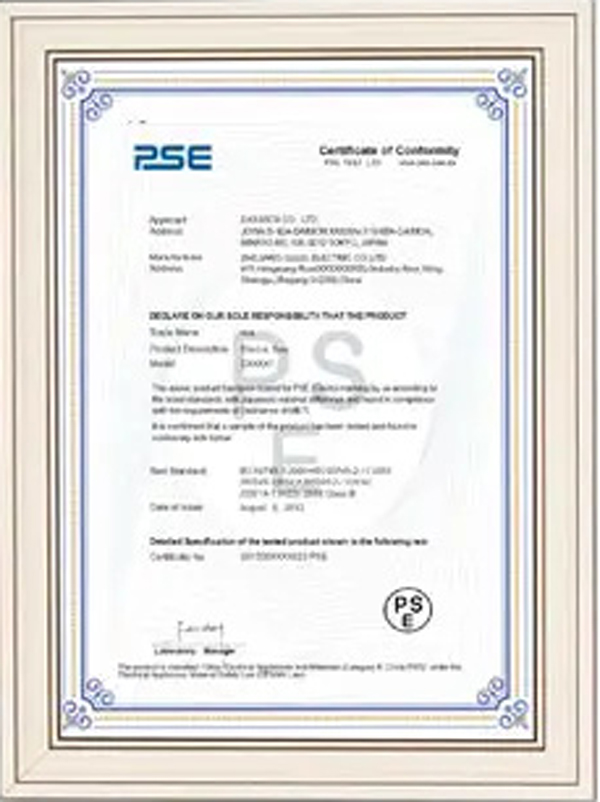
PSE
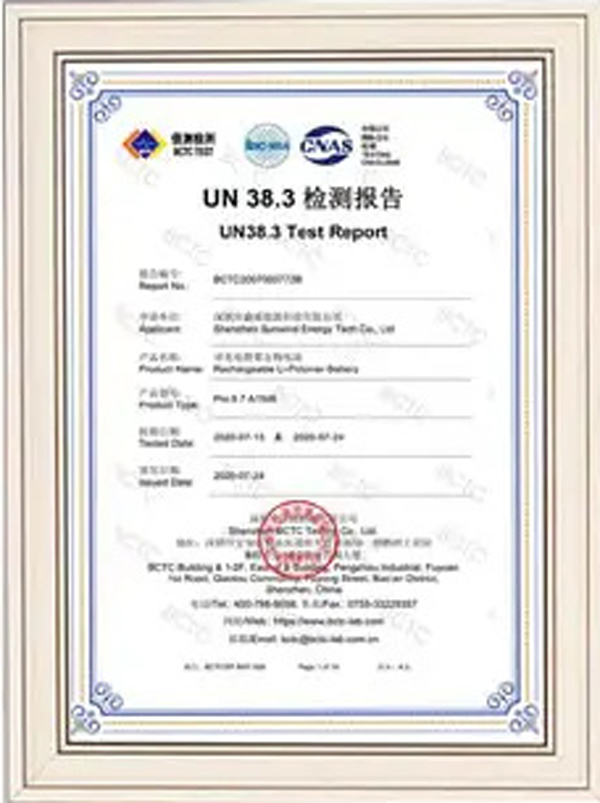
UN 38.3
DGM
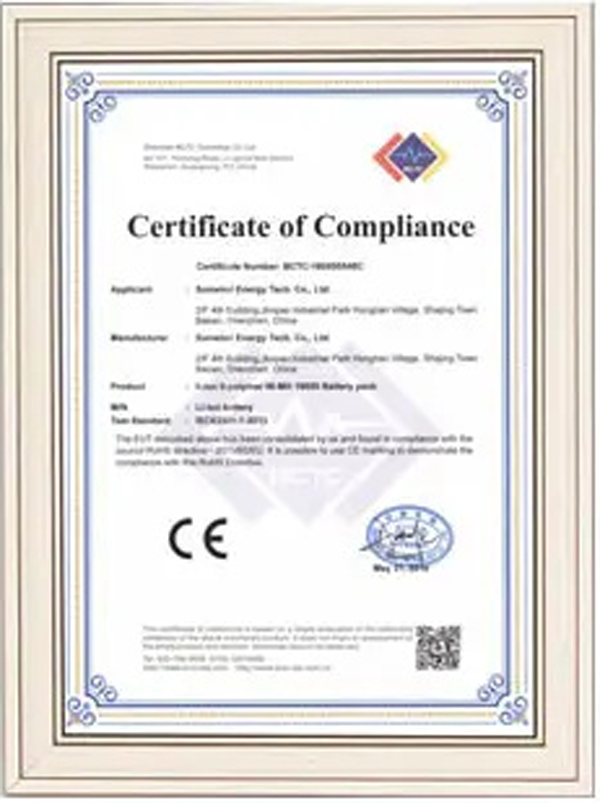
CE
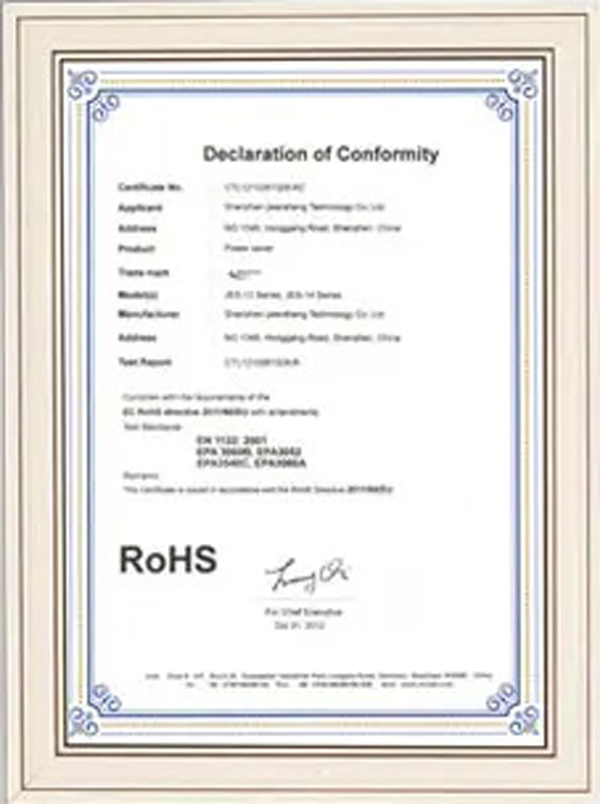
RoHS
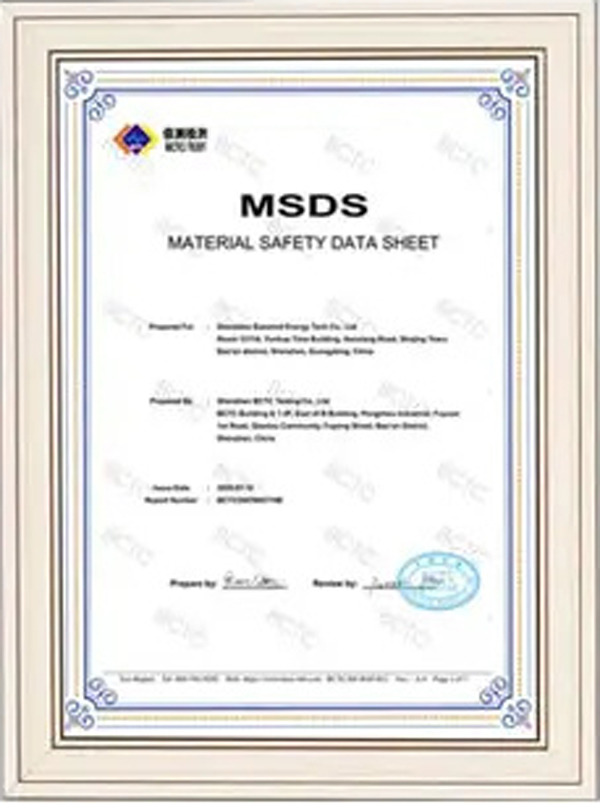
MSDS
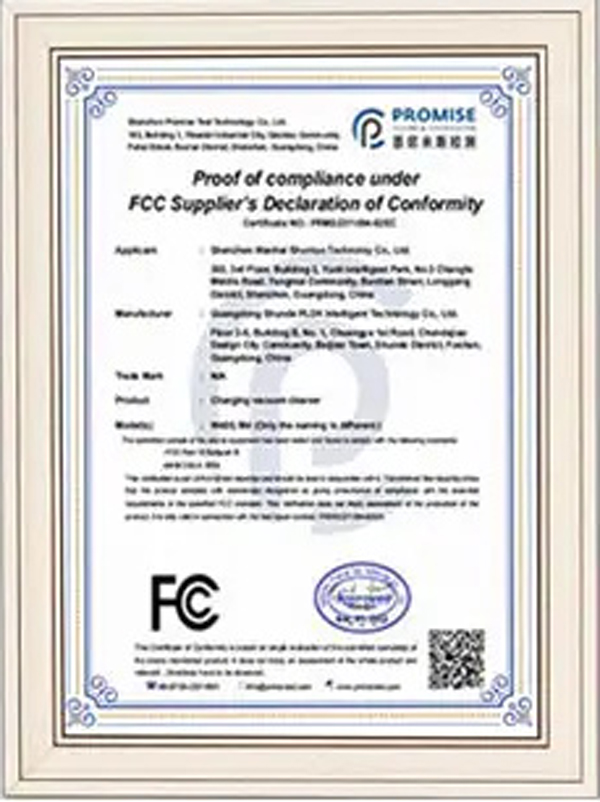
FCC
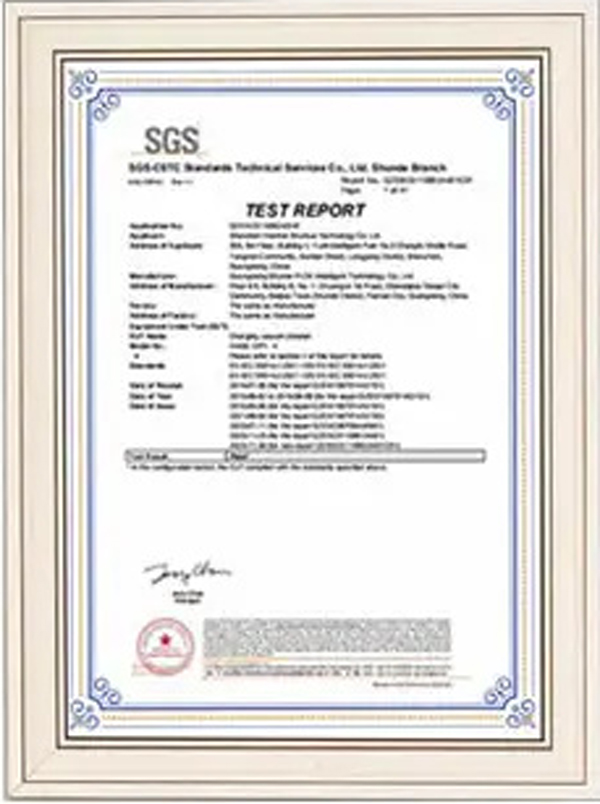
ISO9001
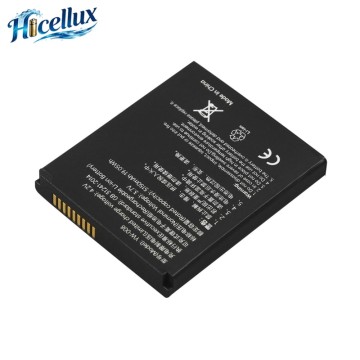
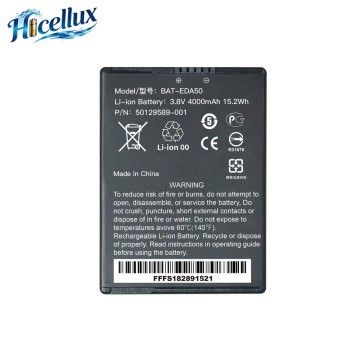
Browse our verified high-density replacement battery modules designed for smart home vacuum cleaners, handheld floor scrubbers, and intelligent telemetry devices.