
Leave Your Message
High-capacity, reliable power solutions engineered to meet OEM specifications for commercial label and barcode systems.
In the era of hyper-connected supply chains and rapid e-commerce expansion, the demand for mobile efficiency has reached unprecedented heights. Commercial barcode and label mobile printers serve as the vital link between physical inventory and digital management systems. From warehousing floors and logistics fleets to retail checkout lines and healthcare facilities, these portable printing devices enable real-time tracking, accurate labeling, and seamless transaction processing. However, the operational efficacy of these devices depends entirely on one critical component: the reliability of their power source.
As enterprises scale up their operations, the need for robust, high-capacity battery solutions—such as premium replacement batteries designed for Dell and other major commercial hardware ecosystems—has become paramount. In multi-shift industrial environments, printer downtime is not merely an inconvenience; it represents lost productivity, delayed shipments, and potential service-level agreement (SLA) penalties. Consequently, businesses are shifting their focus from cheap, uncertified power packs toward high-performance, intelligent battery systems that guarantee longevity, rapid charging cycles, and uncompromising safety standards.
Modern commercial mobile printers require consistent voltage delivery to ensure crisp, legible barcode printing. Standard legacy batteries often suffer from voltage drops under high-load thermal printing cycles. Premium replacement cells mitigate this by utilizing high-density Lithium-ion configurations, providing stable energy output even during continuous, high-volume label runs.
Industrial environments demand hardware that can endure rigorous, uninterrupted usage. Warehouse operators, package delivery personnel, and field service technicians require mobile printers that can survive full shifts without needing a recharge. To meet these demands, replacement batteries must feature advanced cell balancing and low internal resistance. By maintaining a flat discharge curve, these batteries ensure that the mobile printer operates at peak thermal efficiency from the first label printed to the last, preventing faded barcodes that can lead to scanning errors downstream in the distribution network.
Exploring how high-performance battery packs drive efficiency across diverse commercial sectors.
Inside modern fulfillment centers, workers travel miles daily, scanning inventory and printing tracking labels on the fly. A mobile printer equipped with a sub-par battery pack slows down operations, forcing frequent trips to charging docks. By deploying high-capacity replacement batteries (such as 10.8V 4400mAh or 7.4V 2600mAh configurations), logistics companies can ensure that mobile printers remain active throughout 10- to 12-hour shifts. This continuous operation is essential for cross-docking, inventory put-away, and pick-and-pack workflows, where system latency directly impacts shipping throughput.
Couriers and field service engineers operate in highly variable environmental conditions. Whether delivering packages in sub-zero winter temperatures or working in high-heat industrial plants, their mobile printers must function reliably. Premium replacement batteries are engineered with wide temperature tolerance ranges, preventing premature shutdown or capacity loss due to thermal stress. This resilience ensures that delivery receipts, return labels, and service invoices can be printed instantly, improving customer satisfaction and maintaining digital chain-of-custody tracking.
In retail, queue-busting and outdoor pop-up sales rely heavily on mobile POS (mPOS) systems and portable receipt printers. Devices like Sunmi, PAX, and Newland terminals require stable, low-voltage power to run both the printing mechanism and secure cellular/Wi-Fi communication modules. The integration of high-performance replacement batteries ensures that transactions are processed swiftly, labels are printed instantly, and the terminal's wireless connection remains stable, preventing dropped transactions during peak sales hours.
In clinical settings, mobile printers are used at the patient’s bedside to print specimen labels, wristbands, and medication tags. Accuracy is non-negotiable; a faded barcode due to low battery voltage can lead to dangerous identification errors. Healthcare-grade mobile printer batteries must support precise voltage regulation and withstand frequent sterilization protocols. Reliable battery replacements ensure that nurses and technicians can perform their rounds without interruption, upholding strict patient safety standards.
Your Trusted Partner in Customized Industrial Battery Solutions
We provide one-on-one customized services and cost-effective solutions for our clients. Compared to our competitors, we offer faster shipping times and more flexible delivery options. Our company is committed to helping customers improve efficiency and increase profits. We welcome your inquiries and look forward to building long-term, mutually beneficial partnerships with clients worldwide.



Driving innovation and integrity in global energy solutions.

To lead the mobile power industry by developing sustainable, highly efficient battery technologies that empower global commerce, smart logistics, and industrial automation.
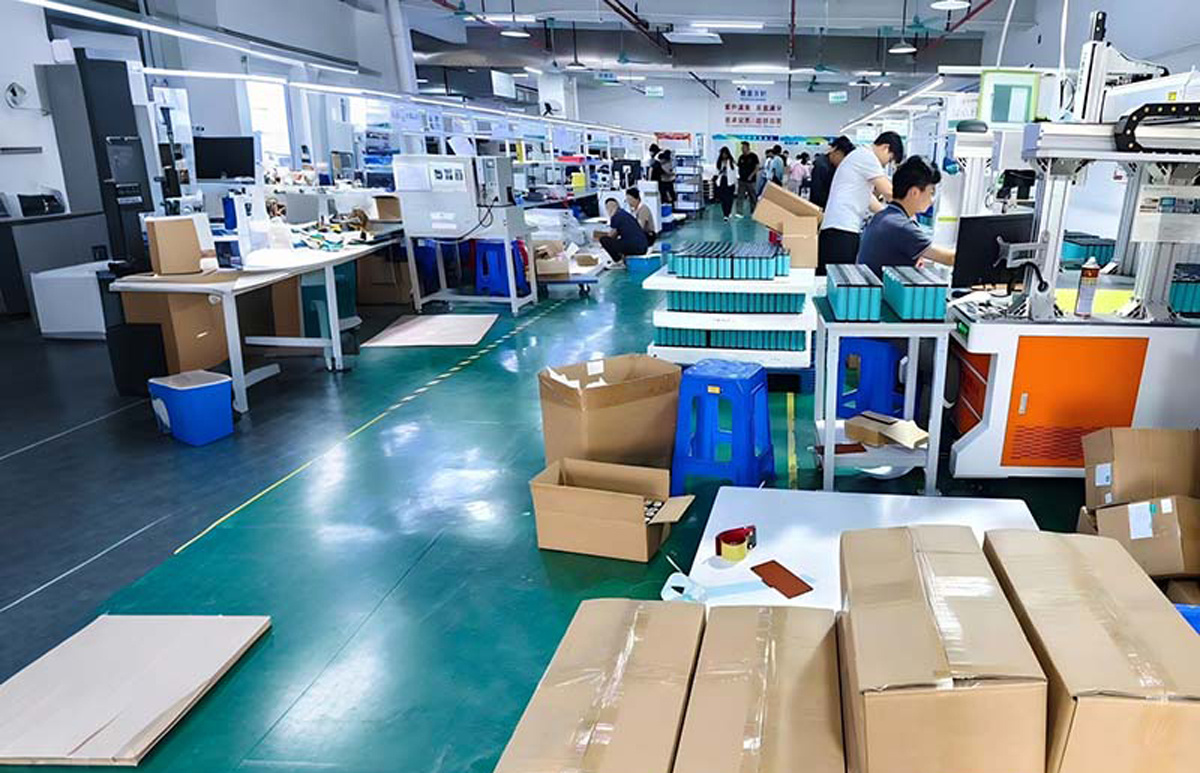
To deliver robust, certified, and cost-effective replacement battery solutions that maximize operational uptime and enhance profitability for enterprises worldwide.
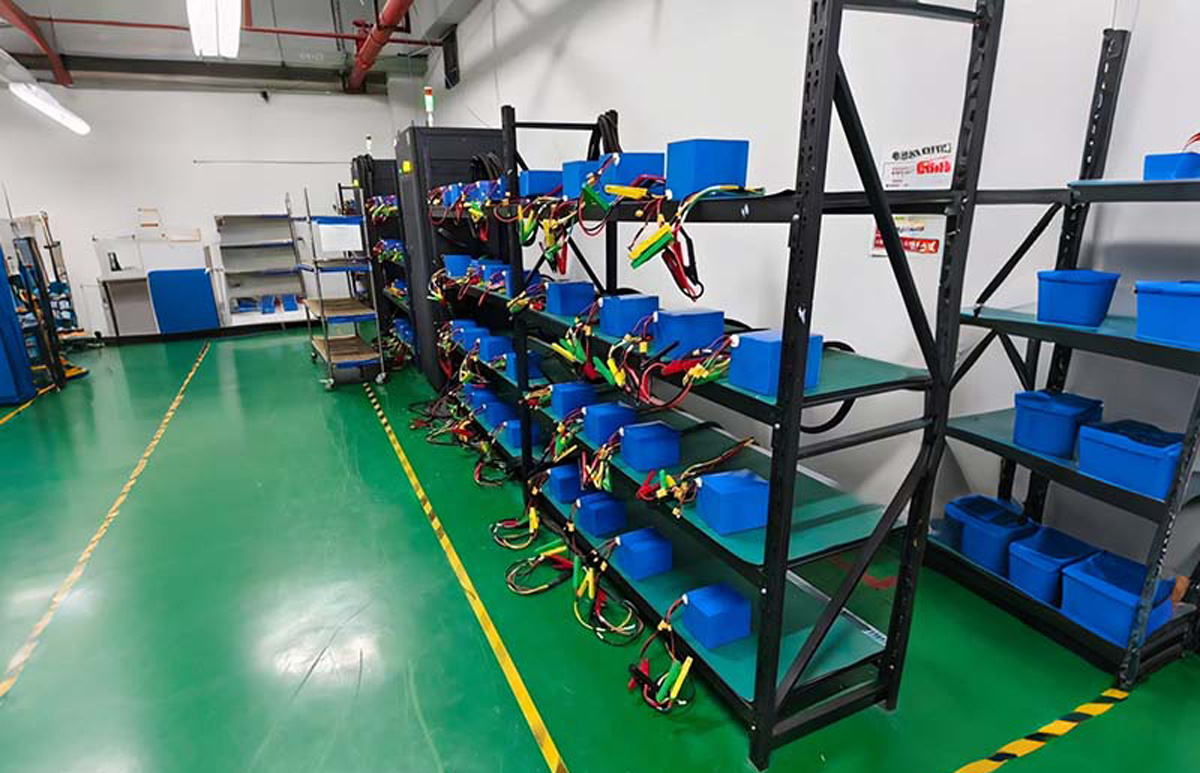
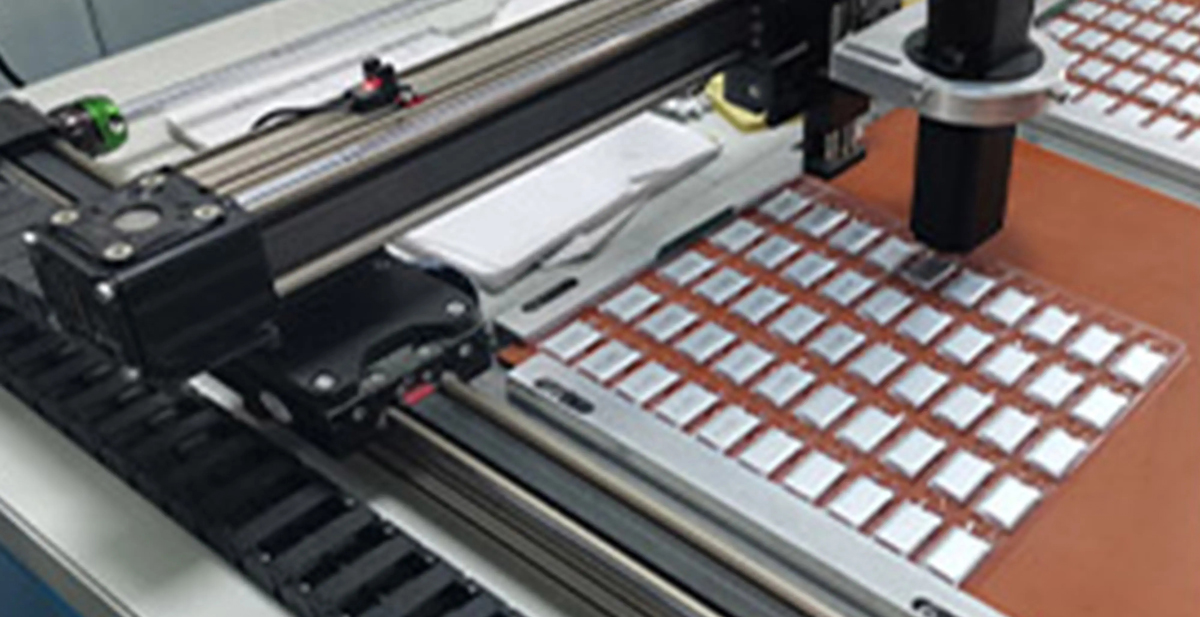
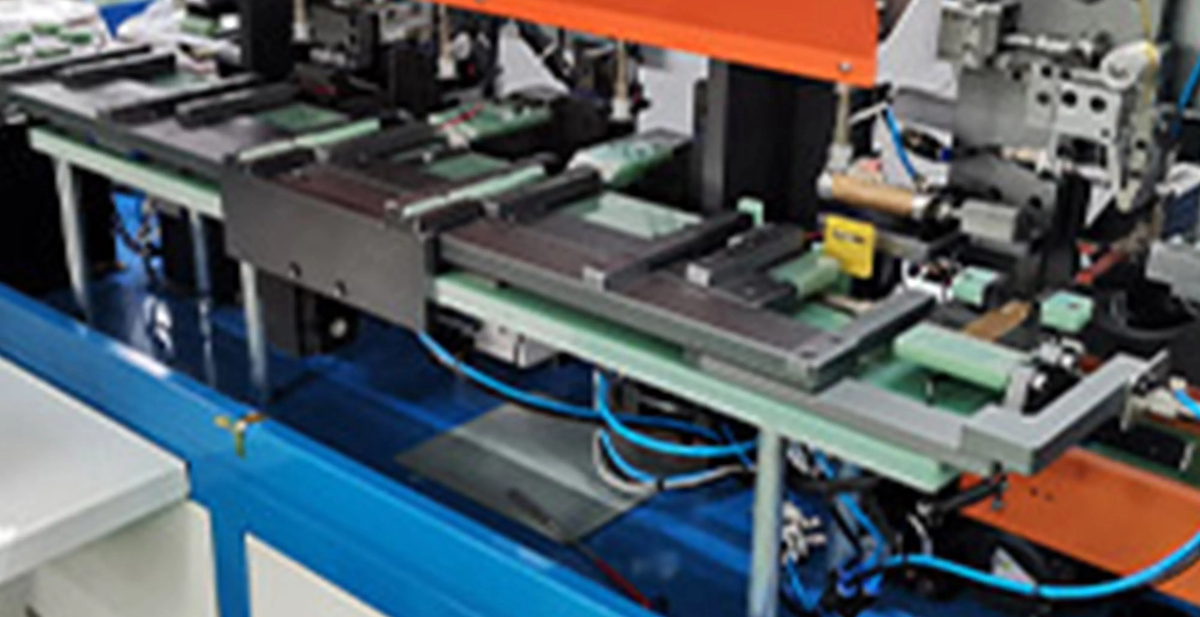
Inside our state-of-the-art manufacturing facility.
Dedicated professionals committed to technological excellence.
Our team is a professional and experienced group that has been deeply involved in the battery industry for over a decade. We have accumulated profound industry knowledge and are always committed to technological innovation and quality improvement. We have built a strong and integrated capability covering R&D, production, marketing and after-sales service, making us a reliable partner in the battery field.
In terms of R&D and production, we have a team of senior engineers and technical experts with rich experience in battery technology research and product development. Equipped with advanced production equipment and strict quality control systems, we can independently complete the whole process from product design, technology research to mass production, ensuring stable product quality and high performance that meet market demands.
In marketing and after-sales service, we have a professional team with keen market insight and efficient execution. We have established a comprehensive marketing network to accurately grasp market trends and provide customized solutions for customers. Meanwhile, our after-sales team responds quickly to customer needs, providing timely technical support and service guarantee, winning wide recognition and trust from customers. With our all-round strength, we are committed to promoting the development of the battery industry and creating greater value for our partners.

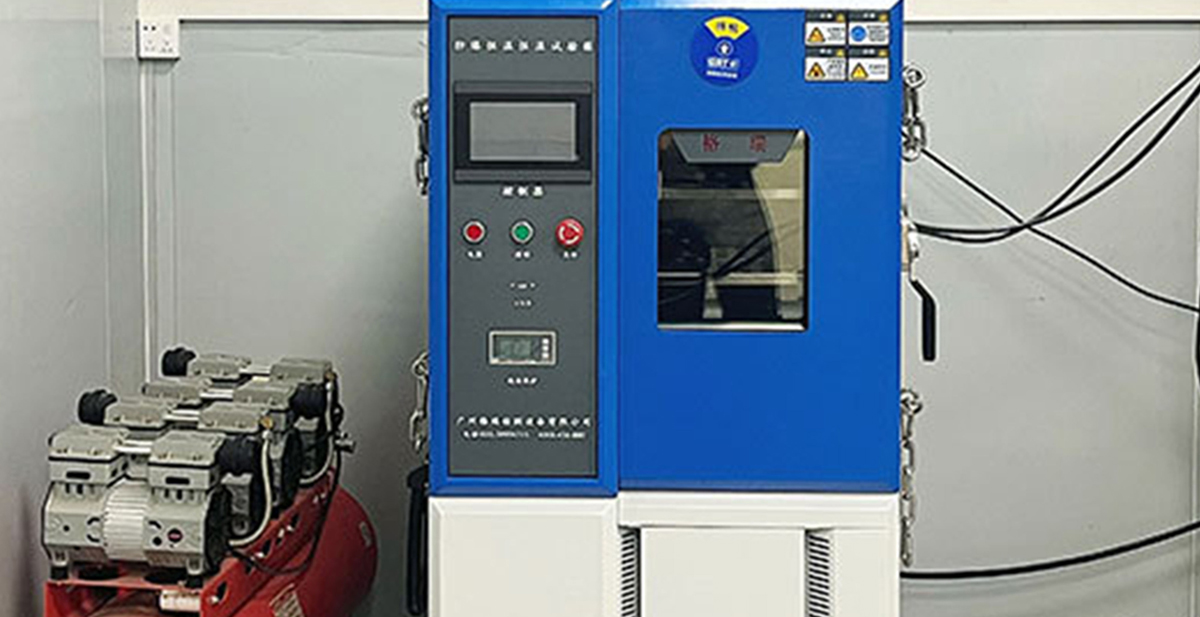
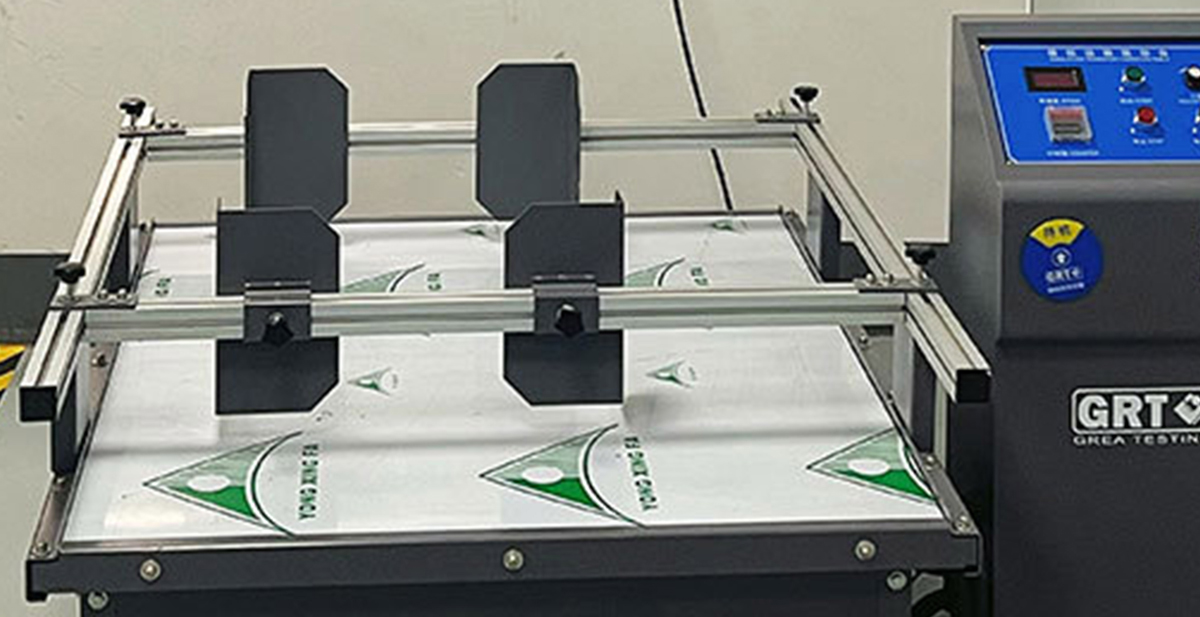
Understanding the engineering behind industrial-grade power solutions.
To ensure maximum safety and efficiency, commercial battery packs must incorporate a sophisticated Battery Management System (BMS). The BMS acts as the brain of the battery, continuously monitoring vital parameters such as cell voltage, temperature, and current flow. This real-time oversight protects both the battery and the host printer from critical failures, including over-charging, over-discharging, short-circuits, and thermal runaway.
Over-charge Protection: Prevents the battery from exceeding its maximum safe voltage during charging, extending cycle life.
Over-discharge Protection: Cuts off power before the cells drop to a critically low voltage state, preventing permanent capacity loss.
Thermal Monitoring: Integrated thermistors communicate with the host device to pause operation if temperatures exceed safe limits.
Cell Balancing: Ensures that all cells within a multi-cell pack charge and discharge at uniform rates, maximizing usable capacity.
The transition from legacy Nickel-Cadmium (NiCd) and Nickel-Metal Hydride (NiMH) chemistries to Lithium-ion (Li-ion) and Lithium-polymer (Li-Po) has revolutionized mobile computing. Modern Li-ion cells offer significantly higher energy density, meaning more power can be packed into a smaller, lighter form factor. This weight reduction is crucial for wearable mobile printers, which are carried by workers for hours at a time. Furthermore, Li-ion batteries do not suffer from the "memory effect" associated with older chemistries, allowing users to top off the charge at any point during their shift without degrading the battery's overall capacity.
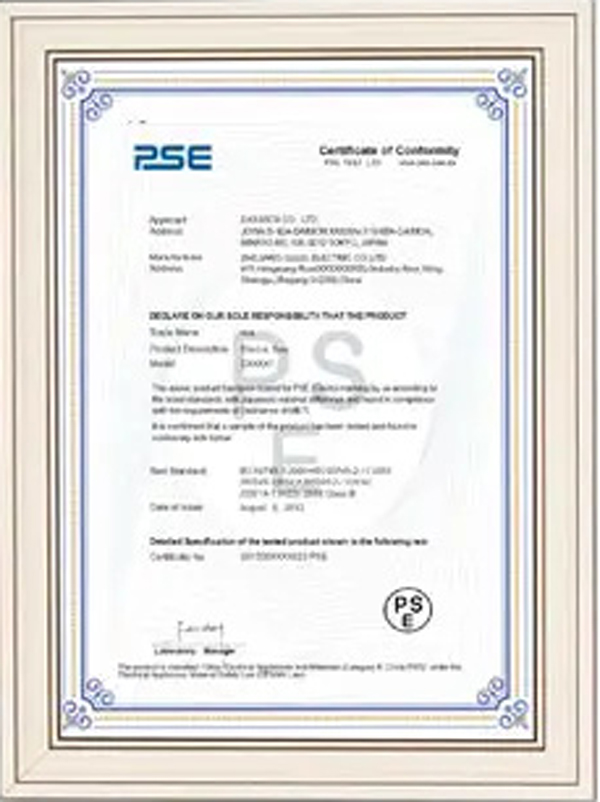
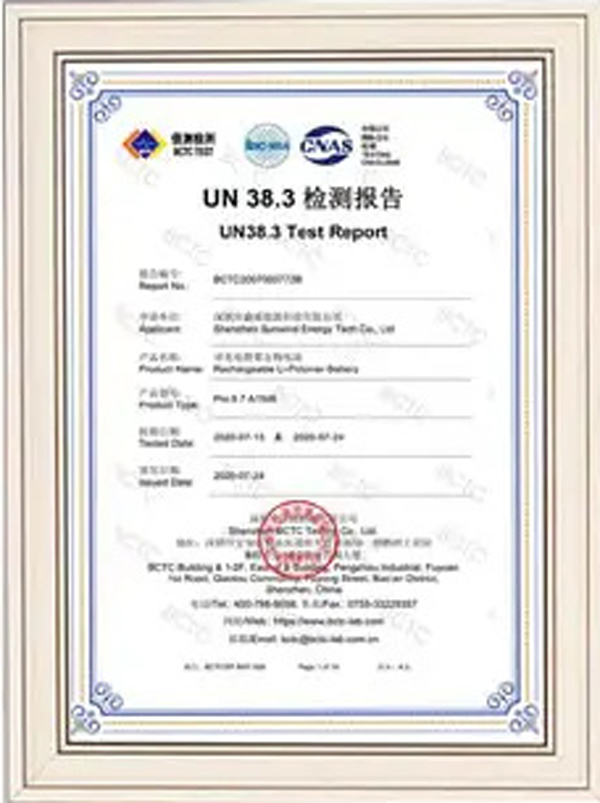
When deploying hardware across global enterprises, compliance with safety and environmental regulations is mandatory. Batteries must undergo rigorous testing to secure certifications like UN38.3 (for safe air transport), MSDS (Material Safety Data Sheets), CE, and RoHS. These certifications guarantee that the batteries are manufactured without hazardous substances and are structurally robust enough to withstand the vibrations, drops, and impact forces typical of busy industrial environments.
API 6D, API 607, CE, ISO9001, ISO14001, ISO18001, TS. (If you need our certificates, please contact)
PSE
UN 38.3
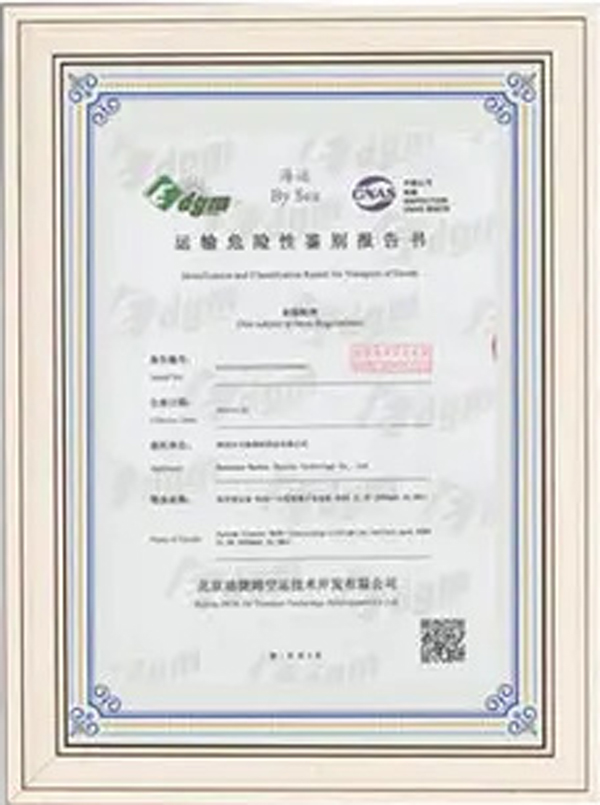
DGM
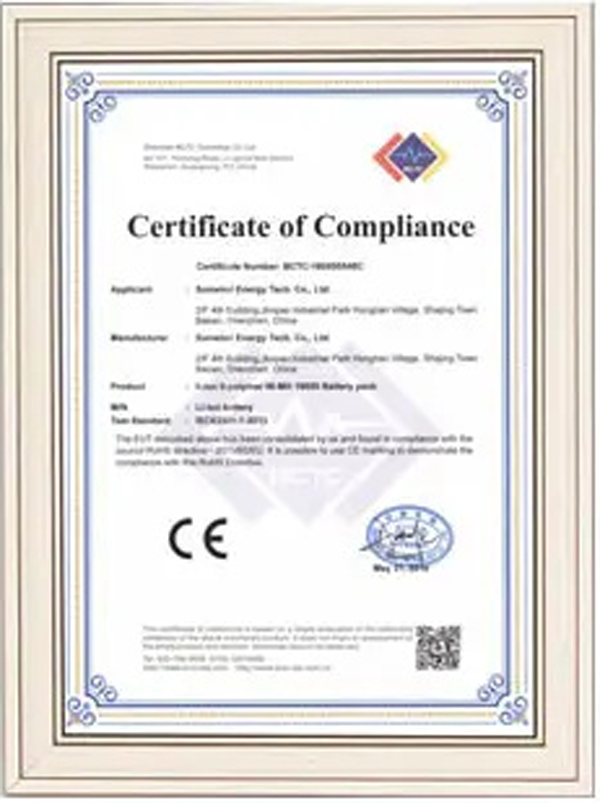
CE
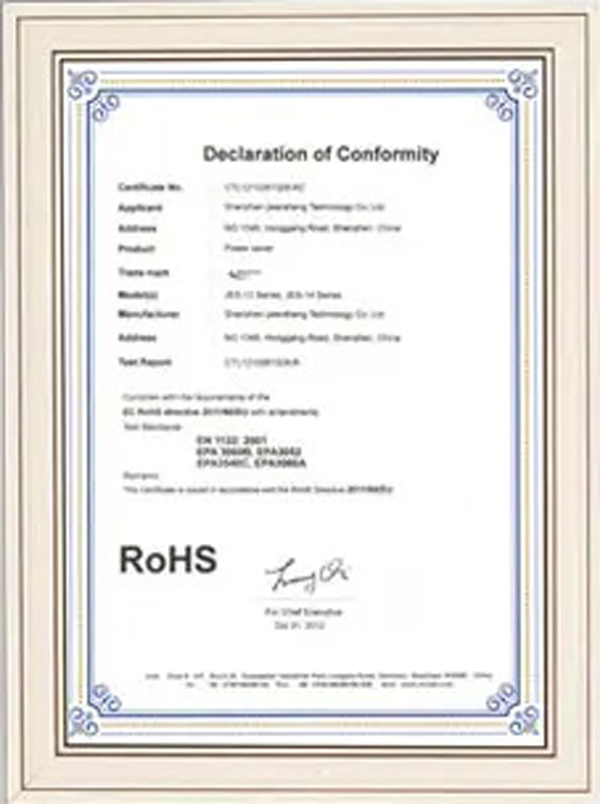
RoHS
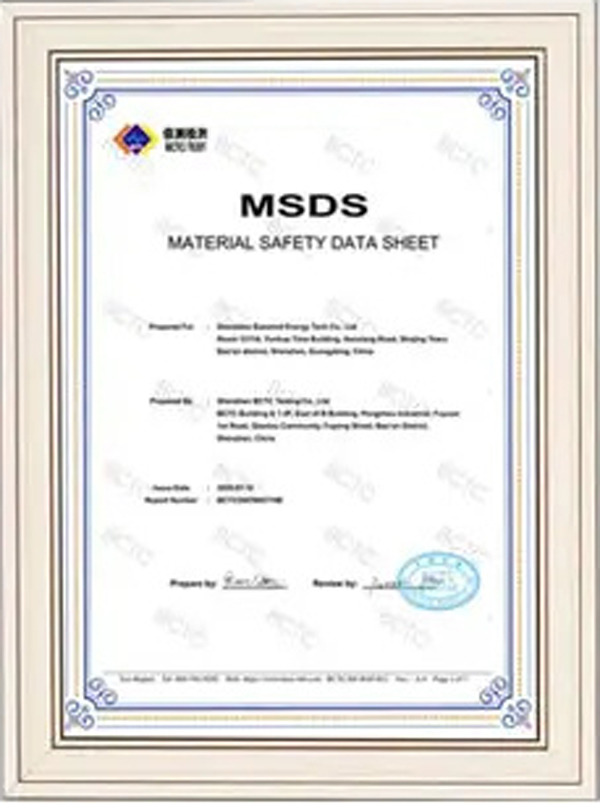
MSDS
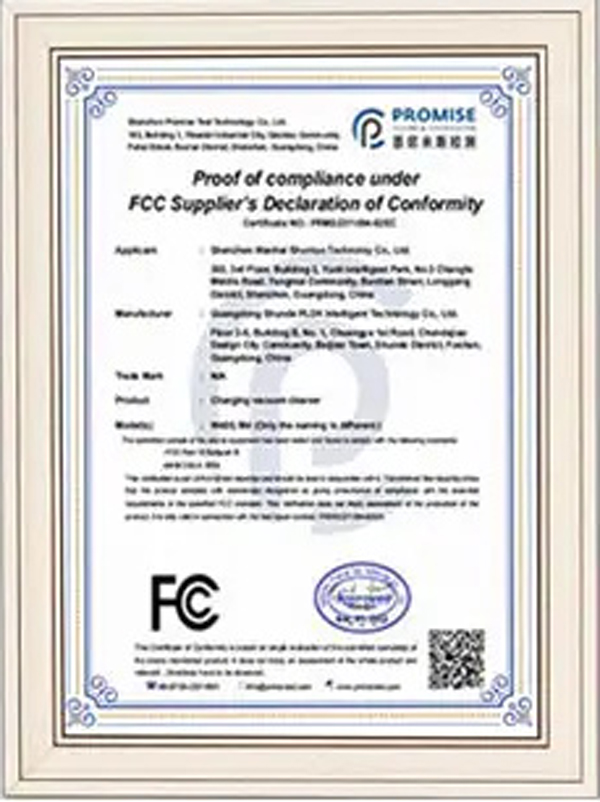
FCC
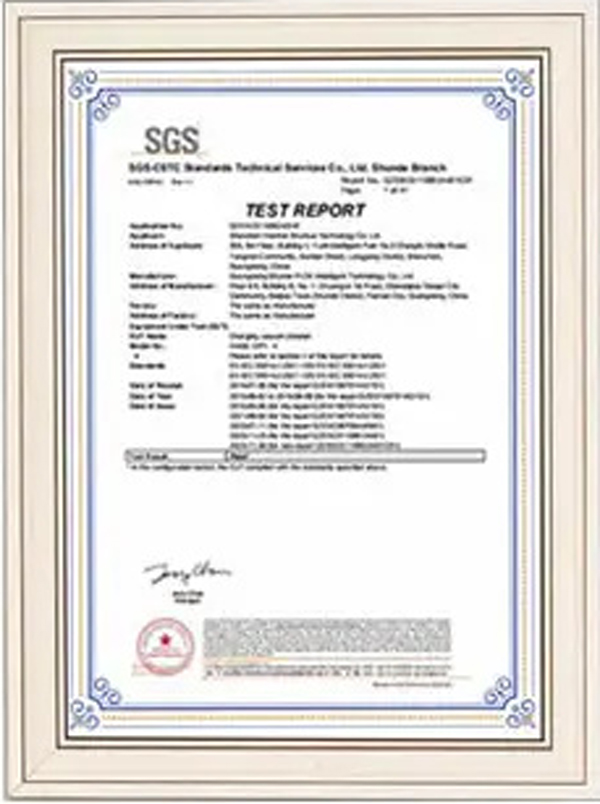
ISO Certified Quality
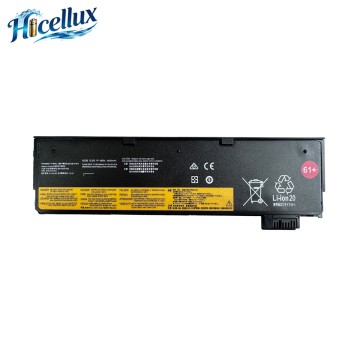
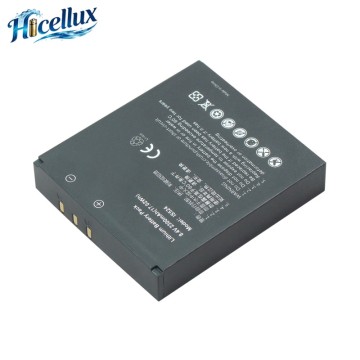
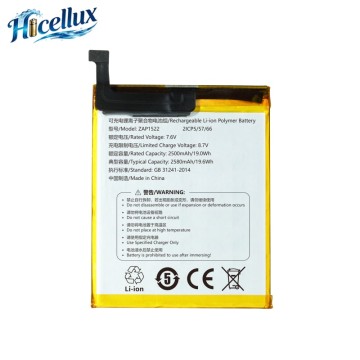
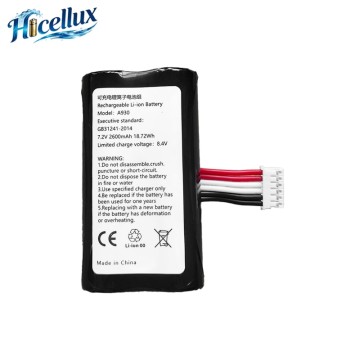
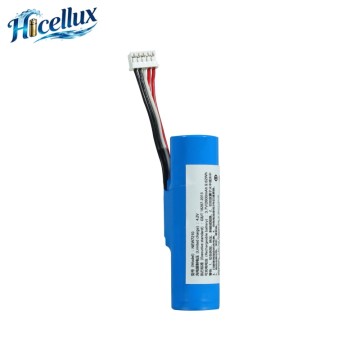
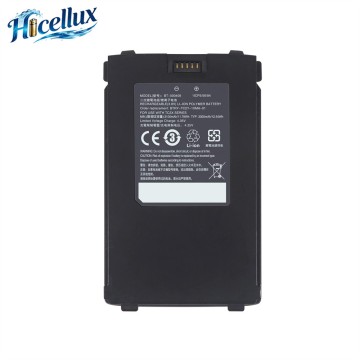
Explore our full inventory of high-performance replacement batteries for mobile printers and commercial terminals.
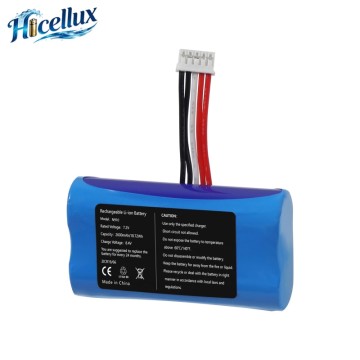
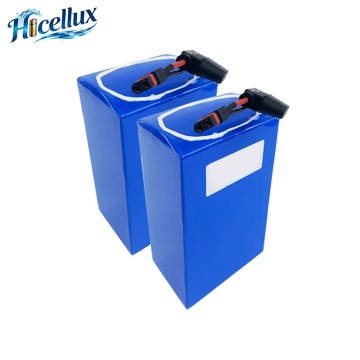
Expert advice on maintaining and selecting commercial printer batteries.
Typically, a battery should be replaced if it no longer holds a charge for a full shift, if the printer frequently restarts during high-density thermal printing cycles, or if the physical casing shows signs of swelling. Most industrial Lithium-ion batteries maintain peak performance for 300 to 500 charge cycles, which corresponds to roughly 1 to 2 years of daily use in standard shift environments.
Yes. High-quality replacement batteries designed by reputable manufacturers like Hicellus are engineered to match or exceed OEM specifications. They utilize compatible connectors, form factors, and BMS protocols, ensuring safe integration and optimal performance without compromising the host device's warranty.
Key factors include operating temperature, charging habits, and storage conditions. Exposing batteries to extreme heat (above 40°C) or freezing cold (below 0°C) accelerates degradation. It is recommended to charge batteries using OEM-compatible chargers that support automatic cut-off and avoid leaving batteries in a completely discharged state for extended periods.
At Hicellus, we implement a multi-stage quality control protocol. This includes 100% incoming cell inspection, automated spot-welding to ensure robust connections, comprehensive PCB testing, and rigorous aging tests. Our production processes align with ISO9001 and ISO14001 standards, and our products carry global safety certifications including CE, FCC, RoHS, and UN38.3.