Leave Your Message
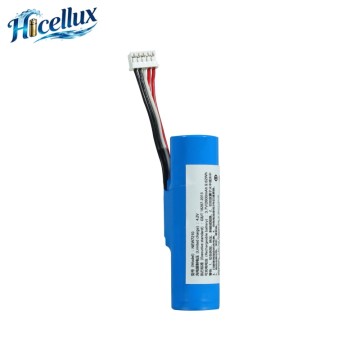
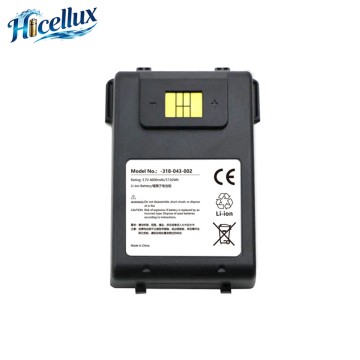
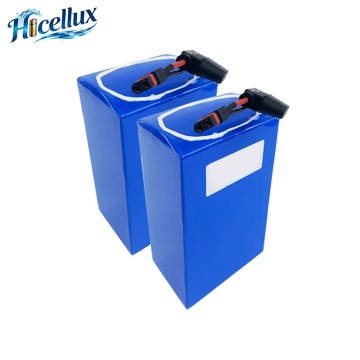
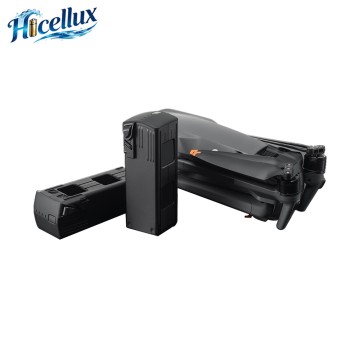
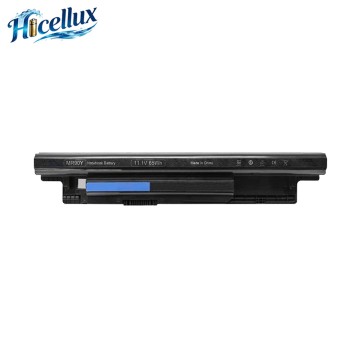
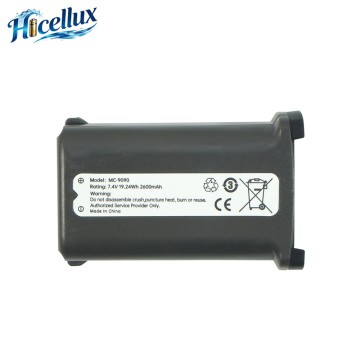
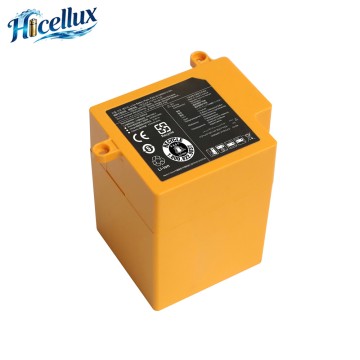
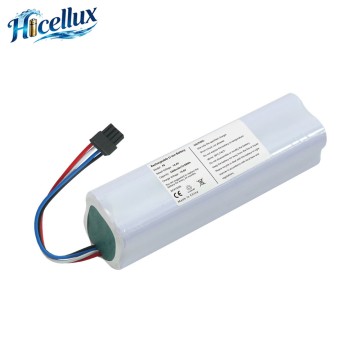
The industrial landscape is undergoing a massive digital transformation. Handheld Personal Digital Assistants (PDAs) and Commercial Unmanned Aerial Vehicles (UAVs or drones) have transitioned from luxury assets to essential operational tools. In rugged environments such as petrochemical plants, utility grids, high-rise construction sites, and massive logistics hubs, these devices act as the primary nodes for data collection, site safety monitoring, and asset tracking. However, the operational efficiency of this hardware is tightly constrained by its energy source. The demand for High Compatibility PDA Battery For Industrial Inspection And Commercial Drones has surged as enterprises seek reliable, long-lasting, and highly adaptable power solutions to streamline fleet operations and minimize downtime.
In field operations, hardware fragmentation is a significant challenge. Inspection teams often utilize a mix of devices: rugged PDAs from brands like Zebra, Honeywell, and Intermec for barcoding and telemetry, alongside commercial drones from DJI and other custom manufacturers for thermal imaging and photogrammetry. Managing separate battery inventories for each device model is a logistical bottleneck. High-compatibility batteries address this issue by using advanced, programmable Battery Management Systems (BMS) that can communicate with multiple device protocols. This cross-compatibility ensures that a single high-performance battery pack design can safely power various devices, streamlining supply chains and reducing capital expenditure.
Furthermore, industrial environments present harsh conditions. Devices are subjected to extreme temperatures, drops, dust, and moisture. Traditional consumer-grade batteries fail under these stresses. Industrial-grade high-compatibility batteries are engineered with reinforced structural casings, high-thermal-efficiency cells, and smart protection circuits that prevent overcharging, thermal runaway, and deep discharge, ensuring operational continuity in critical scenarios.

Multi-protocol communication interfaces (SMBus, I2C) ensure perfect handshake capability with leading industrial PDAs and commercial drone flight controllers.

Utilizing premium lithium-polymer and high-capacity cylindrical chemistries to deliver maximum runtime while maintaining a lightweight form factor.
Specially formulated electrolytes and robust insulation allow continuous operation in temperatures ranging from -20°C to 60°C.
1. Utility Grid & Pipeline Inspections: Inspectors traverse hundreds of miles of power lines and oil pipelines daily. They deploy commercial drones for overhead thermal scans to identify hotspots, while ground crews use rugged PDAs to log findings and sync data with GIS databases. A high-compatibility battery infrastructure ensures that both aerial and ground equipment remain powered throughout the day. If a drone controller battery runs low, a high-compatibility field pack can quickly swap in, keeping operations moving without requiring custom chargers for each specific device.
2. Search & Rescue and Disaster Response: In emergency response, every second counts. Drones map disaster zones, and ground personnel coordinate using rugged communication terminals. High-compatibility batteries allow response teams to maintain a simplified power cache. Having a standardized battery kit that fits multiple devices reduces weight loads for field personnel and minimizes the risk of bringing incompatible gear to the field.
3. Automated Warehouse & Port Logistics: Inside modern logistics hubs, automated guided vehicles (AGVs), drones, and handheld scanners work in tandem. Batteries must support continuous, high-rate charging and discharging cycles. High-compatibility replacement batteries designed with premium cells ensure these devices run across multiple shifts with minimal degradation, maximizing asset utilization and throughput.
The battery industry is moving rapidly toward smarter, safer, and denser chemistries. Solid-state battery technology is on the horizon, promising to double energy density while eliminating the flammable liquid electrolytes found in traditional Li-ion cells. For commercial drones, this could extend flight times from the typical 30-40 minutes to over an hour, transforming the economics of aerial data collection. Additionally, the integration of IoT-enabled battery monitoring allows fleet managers to track battery health, cycle counts, and internal resistance in real-time. This predictive maintenance capability prevents unexpected field failures, ensuring that batteries are retired or serviced before they cause operational disruptions.
We provide one-on-one customized services and cost-effective solutions for our clients. Compared to our competitors, we offer faster shipping times and more flexible delivery options. Our company is committed to helping customers improve efficiency and increase profits. We welcome your inquiries and look forward to building long-term, mutually beneficial partnerships with clients worldwide.

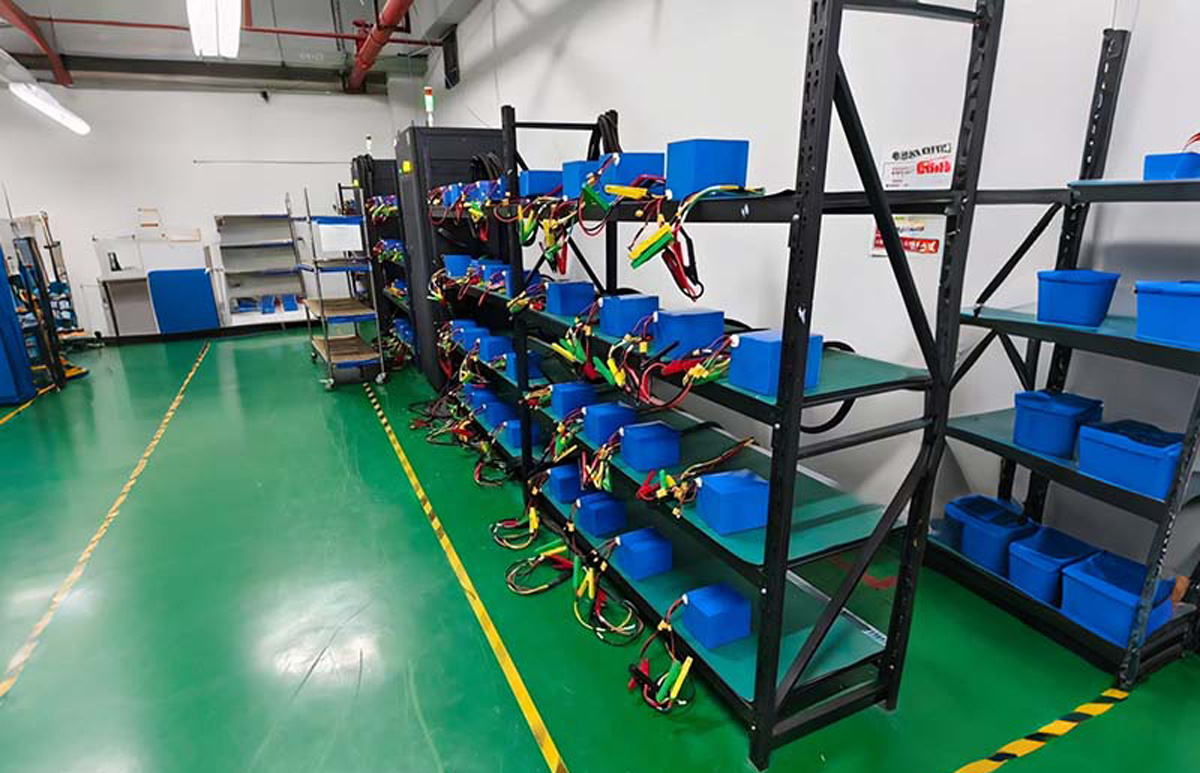
As a professional battery manufacturer, our factory has upgraded a fully automated production line tailored to battery manufacturing, covering the entire process from material input to finished product delivery.
We’re equipped with industry-leading intelligent equipment: automatic cell sorting machines, robotic spot-welding systems, and PCB precision processing workshops—these cut manual intervention by 80% while boosting production efficiency by 60%.
Our 70+ professional team (including automation engineers, quality inspectors, and logistics specialists) monitors every link: from incoming material verification, real-time tracking of cell sorting accuracy, to 100% coverage of aging tests and finished product performance detection.

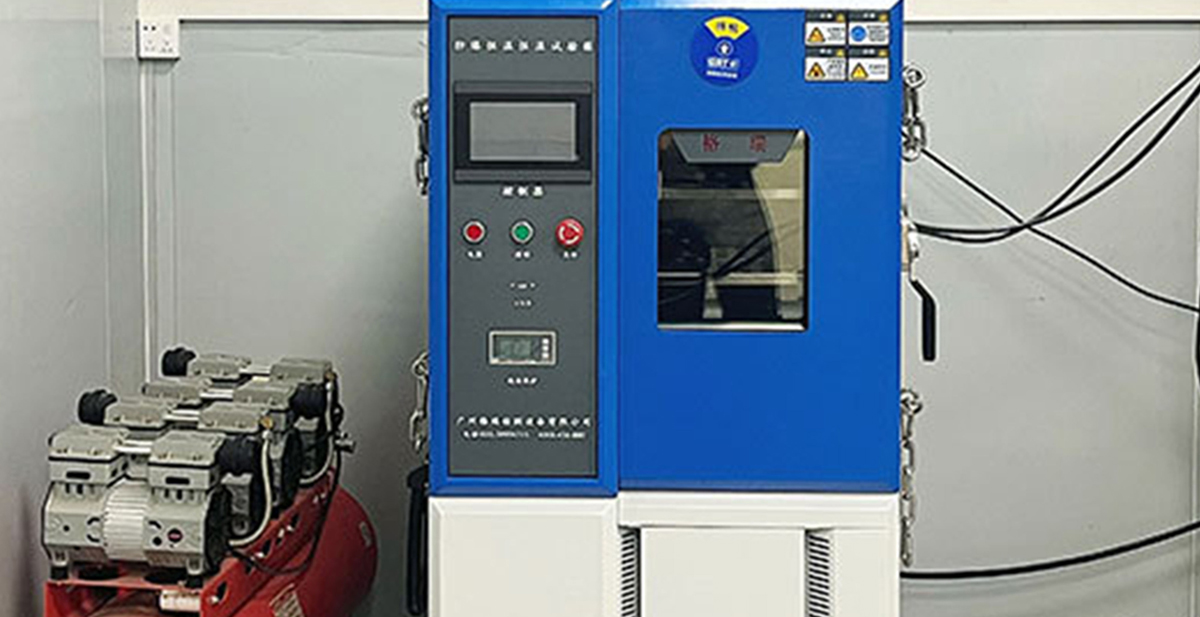
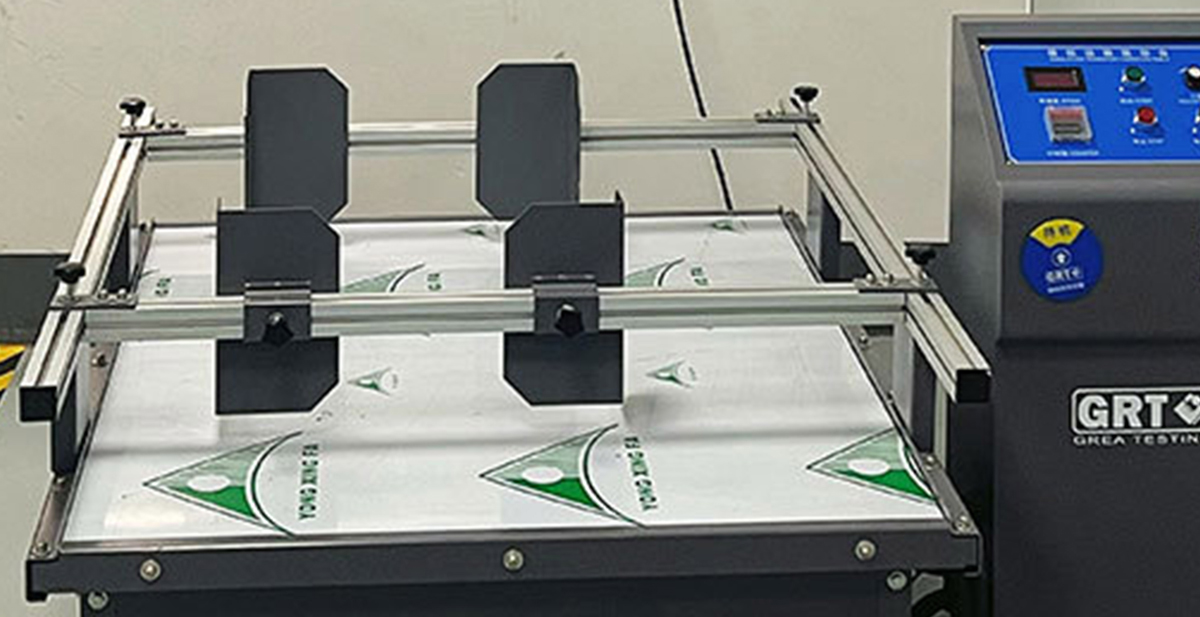
API 6D, API 607, CE, ISO9001, ISO14001, ISO18001, TS. (If you need our certificates, please contact us for official copies)
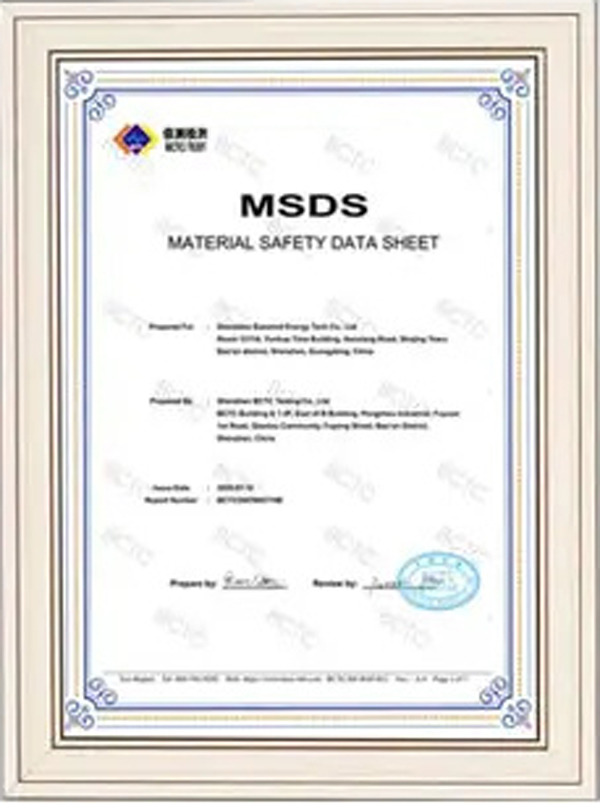
MSDS

FCC
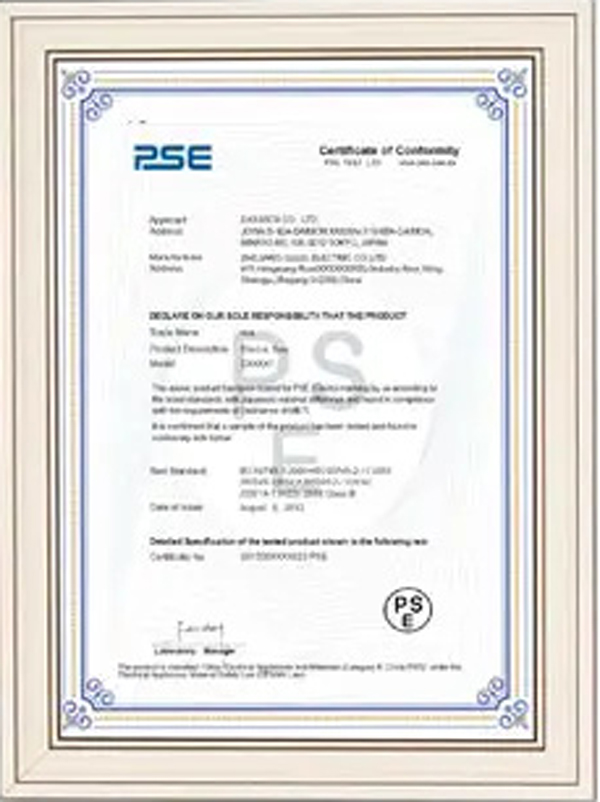
PSE
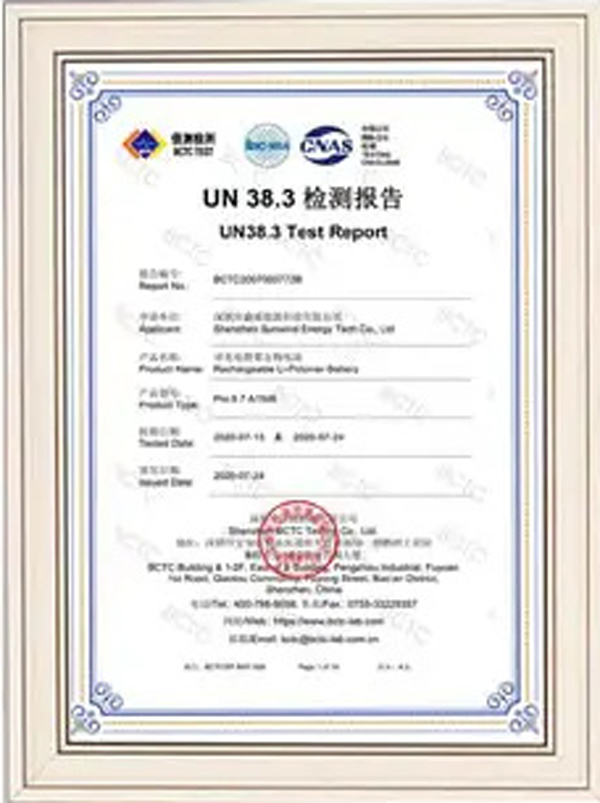
UN 38.3