
Understanding High Compatibility PDA Batteries in Modern OEM Battery Pack Development
In the rapidly evolving landscape of industrial automation, enterprise mobility, and the Internet of Things (IoT), Personal Digital Assistants (PDAs) and rugged handheld terminals serve as the backbone of daily operations. From tracking packages in logistics hubs to managing inventory in retail stores, and ensuring accurate medical recording in healthcare systems, these devices demand uninterrupted, reliable power. Consequently, the market for high compatibility PDA batteries has witnessed surge in demand, specifically within the scope of OEM custom battery pack development.
Custom battery pack development is not merely about assembling battery cells. It represents a highly complex engineering process that involves mechanical integration, electronic circuit design, software development (Smart Battery Management Systems or BMS), and strict compliance with international safety standards. For OEM device designers, choosing the right battery partner is critical to ensuring device longevity, operational safety, and market competitiveness.
Industry Insight: The global market for rugged industrial handhelds is shifting towards multi-functional, power-hungry devices equipped with integrated barcode scanners, RFID readers, thermal printers, and continuous GPS/5G tracking. These features place unprecedented strain on energy reservoirs, making custom battery pack development a top priority for hardware engineers.
Commercial & Industrial Status of PDA Power Systems
Traditionally, handheld devices relied on standard off-the-shelf battery configurations. However, as modern industrial PDAs become thinner, lighter, and more specialized, standard batteries fail to meet the physical constraints and electrical demands of new hardware designs. OEM developers are increasingly turning to custom-engineered battery packs that fit uniquely shaped enclosures, maximize energy density, and provide precise telemetry to the host device.
Furthermore, the industrial sector operates under extreme environmental conditions. A warehouse scanner might experience sub-zero temperatures in a cold-chain storage facility, while a field utility tablet might be exposed to direct sunlight and high heat in desert environments. Standard consumer-grade lithium batteries degrade rapidly under these conditions, leading to unexpected downtime and increased total cost of ownership (TCO) for enterprises. High-compatibility custom packs utilize specialized cells and advanced enclosure materials to withstand these harsh environments.
Key Technological Trends in Custom Battery Pack Development
Several key trends are driving innovation in the development of custom battery packs for PDAs and handheld terminals:
- Silicon-Anode Technology: Manufacturers are integrating silicon-graphite anodes to increase volumetric and gravimetric energy density. This allows for higher capacities (e.g., up to 4600mAh or more) within the same physical footprint.
- Smart BMS with Fuel Gauging: Modern OEM packs feature integrated microcontrollers utilizing communication protocols like I2C, SMBus, or HDQ. This enables real-time monitoring of State of Charge (SoC), State of Health (SoH), cycle counts, and cell temperature, allowing the OS to optimize power consumption.
- Fast Charging Protocols: High compatibility batteries are designed to support rapid charging (such as USB-C PD or proprietary quick charge systems) without compromising cycle life or causing thermal runaway.
- Intrinsically Safe (IS) Designs: For explosive or hazardous environments, such as chemical plants or oil rigs, battery packs must conform to ATEX/IECEx certifications, incorporating multiple layers of redundant protection.
Deep Application Scenarios for Custom PDA Batteries
To fully appreciate the necessity of high compatibility PDA batteries, it is essential to analyze the primary scenarios where these customized power units are deployed:
1. Cold Chain Logistics and Warehousing
In cold storage facilities, temperatures can drop as low as -30°C. Standard lithium-ion batteries lose up to 50% of their effective capacity at these temperatures due to increased internal resistance. OEM custom battery pack development for cold chain applications involves selecting low-temperature electrolyte cells, integrating internal heating elements, and using thermal-insulating enclosures. This ensures that warehouse personnel can complete their shifts without having to swap batteries every few hours.
2. Mobile Point of Sale (mPOS) & Retail Terminals
In retail and hospitality, devices like the Ingenico Move2500 or PAX S920 require constant wireless connectivity (Wi-Fi, Bluetooth, 4G) and high-current power bursts to drive thermal receipt printers. Custom battery packs for these devices focus on delivering stable voltage plateaus during high-drain events, ensuring the printer does not fail mid-transaction, while maintaining a thin, ergonomic profile that fits comfortably in a worker's hand.
3. Healthcare and Clinical Mobility
Medical grade PDAs used by nurses and doctors must endure constant sanitization with harsh chemical disinfectants. The plastic enclosures of custom medical batteries are manufactured using chemical-resistant polymers to prevent cracking and ingress. Additionally, the internal electronics are optimized for continuous 24/7 rotation, often featuring hot-swappable configurations so that the device never powers down during critical patient care.
4. Field Services & Rugged Utilities
Field technicians working on telecommunications towers or utility grids require devices that can withstand drops onto concrete, intense vibrations, and exposure to rain or dust (IP67/IP68 ratings). The custom battery packs for these devices feature robust structural frames, potting compounds to absorb mechanical shock, and gold-plated, spring-loaded contact pins to ensure reliable electrical connection even during heavy impacts.
Engineering Challenges in OEM Customization
Developing a high-compatibility battery pack is a delicate balance of trade-offs. Engineers must weigh capacity against safety, weight against structural strength, and cost against performance. Cell matching is one of the most critical phases; cells must be sorted by capacity, internal resistance, and voltage to ensure even wear and prevent premature pack failure.
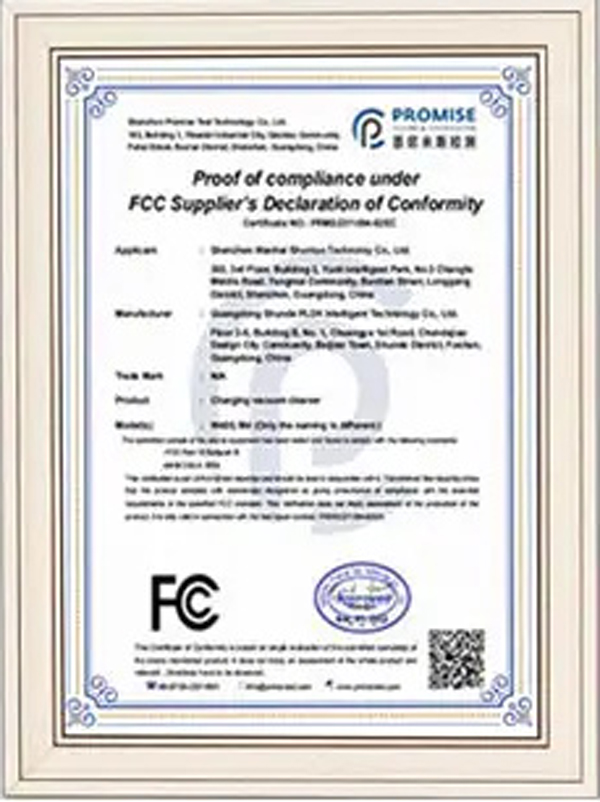
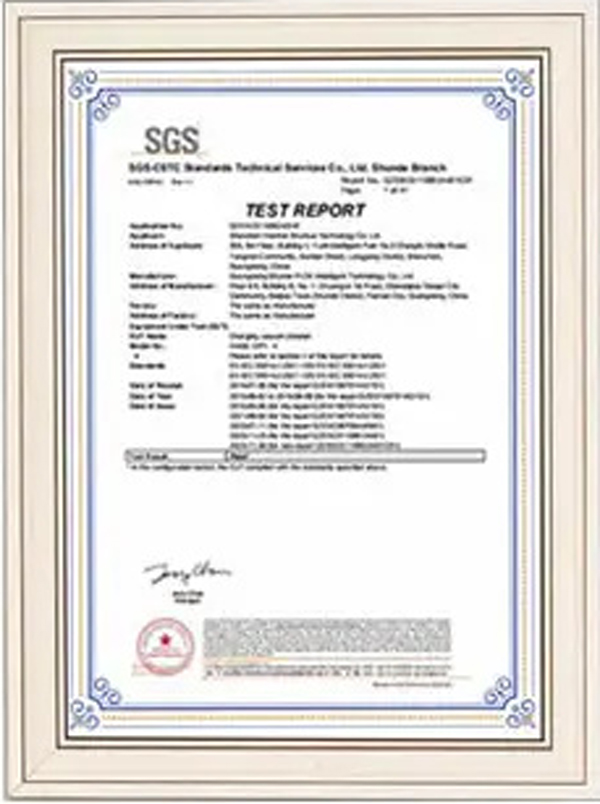
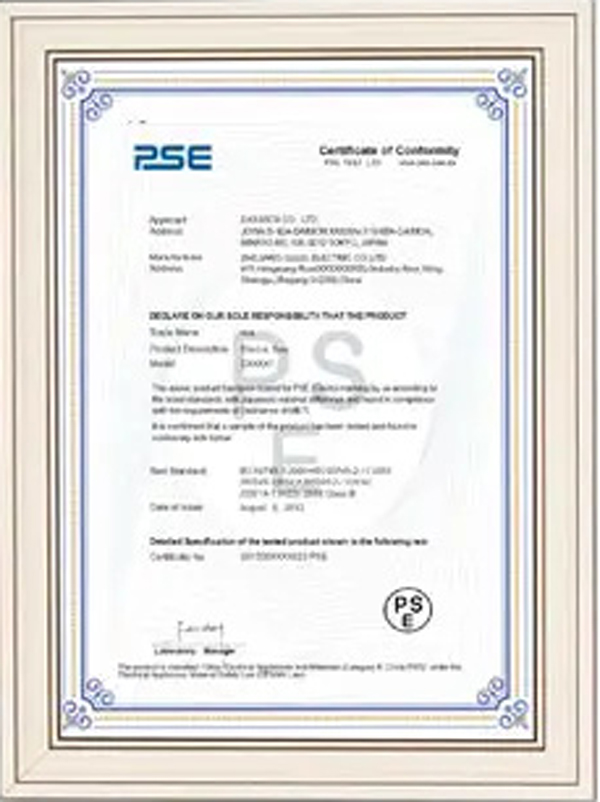
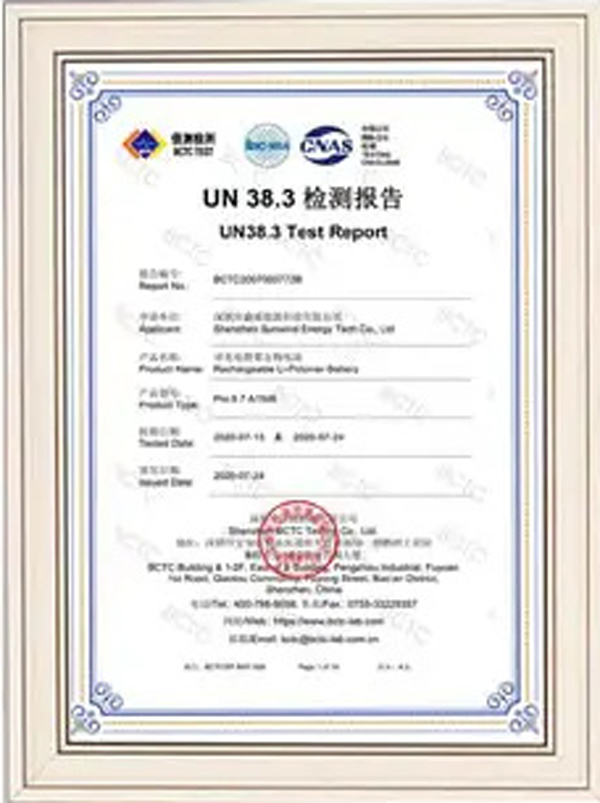
Furthermore, safety remains paramount. Lithium-ion chemistry holds massive energy potential. A single short circuit can lead to catastrophic failure. Therefore, Hicellus integrates multiple safety layers, including Positive Temperature Coefficient (PTC) thermistors, thermal fuses, and advanced BMS protection ICs that monitor for over-voltage, under-voltage, over-current, and short-circuit conditions.