Leave Your Message
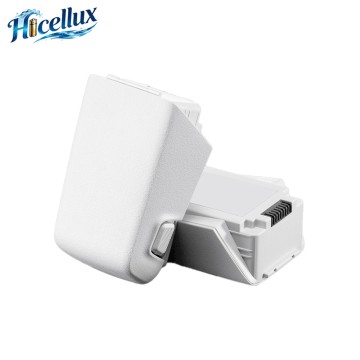
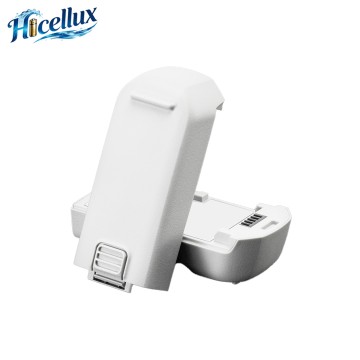
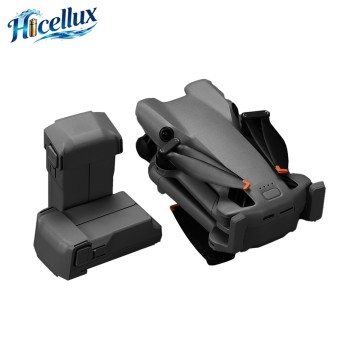
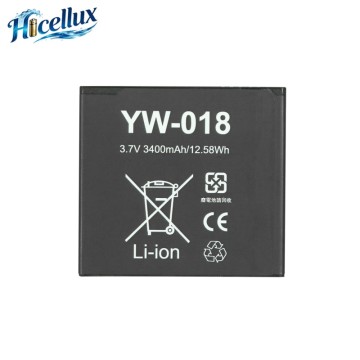
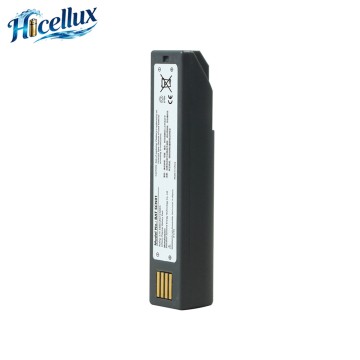
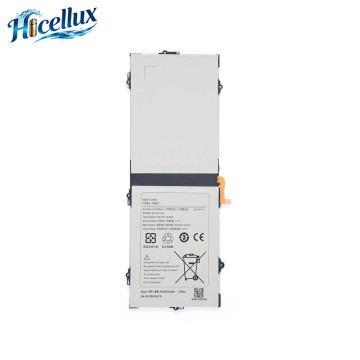
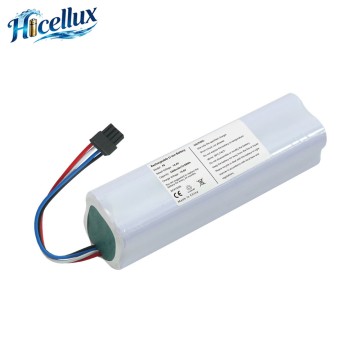
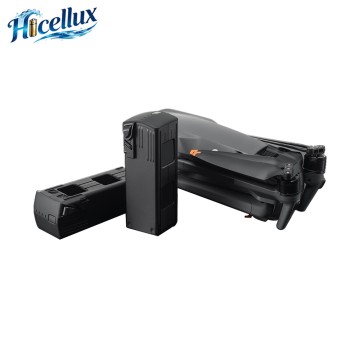
The global household cleaning sector has undergone a massive paradigm shift. Traditional corded vacuum cleaners are rapidly being replaced by autonomous robotic sweepers, intelligent wet/dry vacuums, and handheld smart cleaning appliances. In this wireless revolution, the core bottleneck for device reliability, runtime, and suction power lies in one critical component: the High Stability PDA Battery.
Modern smart home cleaning appliances are no longer simple motorized sweepers. They are advanced IoT nodes equipped with LiDAR navigation, AI-driven visual sensors, real-time mapping processors, and high-suction brushless DC (BLDC) motors. Managing these simultaneous high-current draws while maintaining communication with home automation systems requires a battery pack that offers unmatched thermal stability, consistent voltage curves, and long cycle lives.
In both commercial and residential applications, unexpected battery degradation is the leading cause of device return rates and warranty claims. High Stability PDA and device batteries mitigate these issues by utilizing premium lithium-ion or lithium-polymer chemistry coupled with advanced Battery Management Systems (BMS). This ensures the device operates at peak performance throughout its entire service life.
The market demand for lithium-ion battery packs engineered specifically for smart cleaning systems has surged exponentially over the past five years. Industry reports indicate that the robotic vacuum cleaner market alone is projected to grow at a CAGR of over 12% through 2030. This growth is heavily driven by the commercial adoption of automated cleaning fleets in hotels, hospitals, and corporate offices, alongside residential market penetration.
In these demanding environments, downtime translates directly to financial loss. Industrial operators require cleaning devices that can operate continuously, recharge rapidly, and run safely. Standard off-the-shelf cells often fail under the thermal stress of rapid charging and continuous high-discharge cycles. Consequently, custom-engineered high-stability PDA battery packs have become the preferred standard for premium hardware manufacturers looking to secure their market position.
To achieve the label of "High Stability," battery engineering must focus on several core pillars:
Using premium cathode materials (such as high-nickel NCM or LiFePO4) ensures high energy density without sacrificing safety. Precise cell matching during the packing process ensures that internal resistance, capacity, and voltage are perfectly balanced across all cells in the series, preventing premature pack failure.
A smart BMS acts as the brain of the battery pack. It provides real-time monitoring of voltage, current, and temperature. By implementing multi-layered protection protocols, the BMS prevents overcharging, over-discharging, short circuits, and thermal runaway, extending the battery's lifespan to over 800 charge-discharge cycles.
Smart cleaning devices are prone to drops, vibrations, and impact. High-stability batteries are housed in flame-retardant, shock-absorbing materials with dedicated thermal dissipation channels. This keeps the battery operating within its optimal temperature window, even during fast charging.
We provide one-on-one customized services and cost-effective solutions for our clients.
Compared to our competitors, we offer faster shipping times and more flexible delivery options.
Our company is committed to helping customers improve efficiency and increase profits.
We welcome your inquiries and look forward to building long-term, mutually beneficial partnerships with clients worldwide.



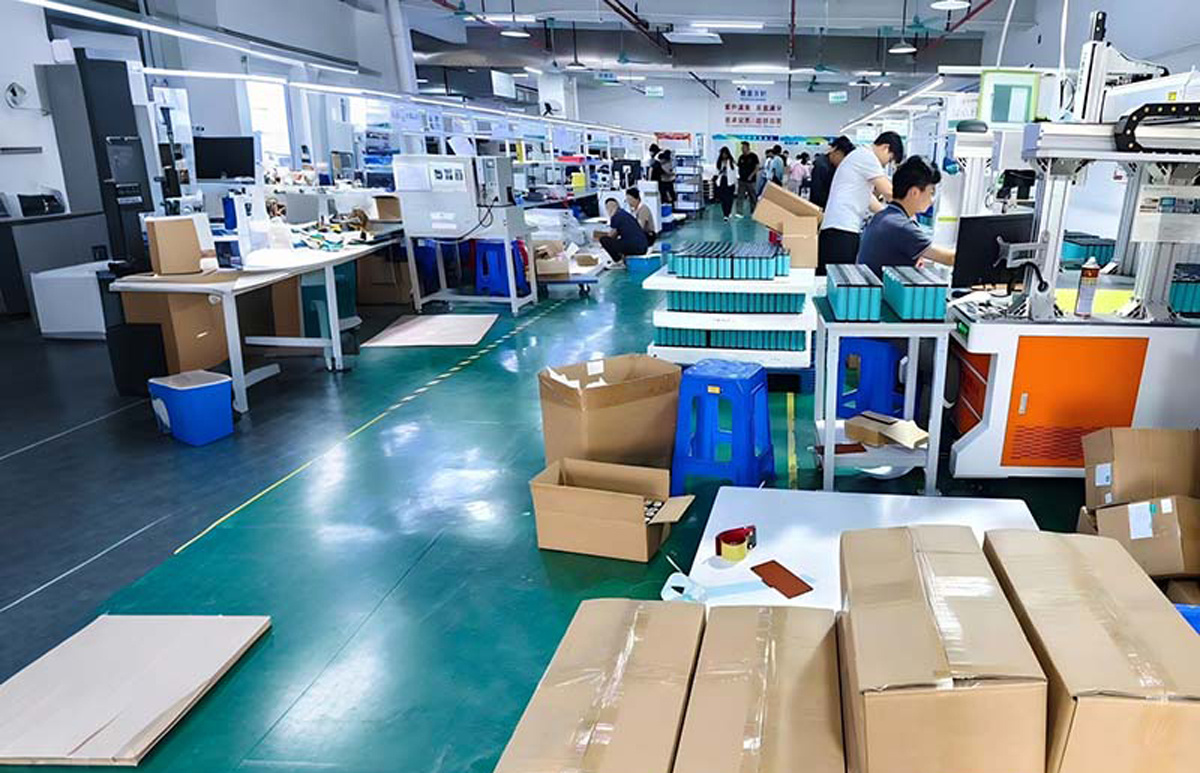
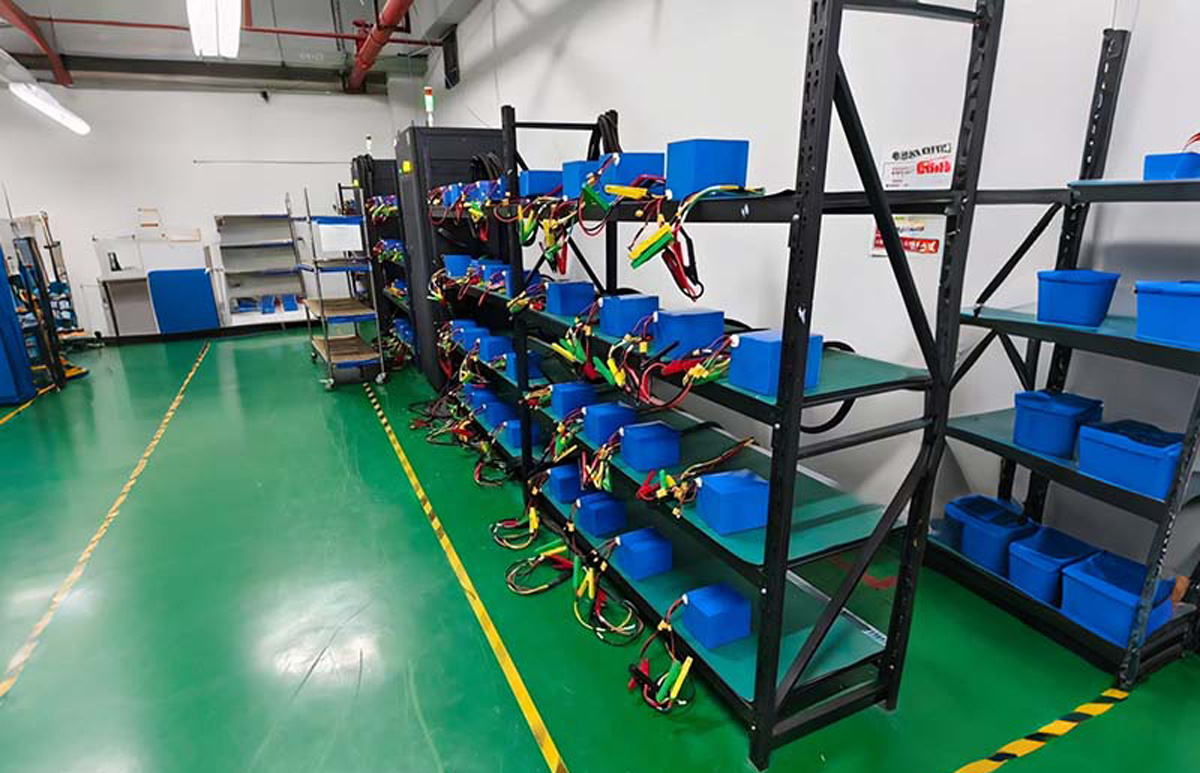

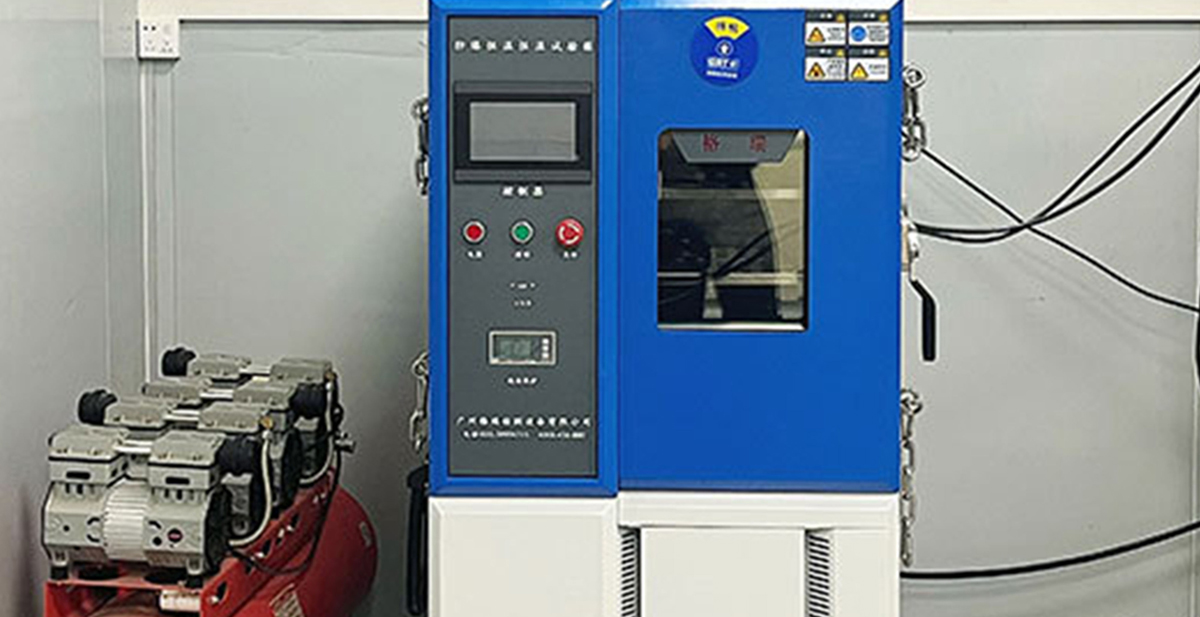
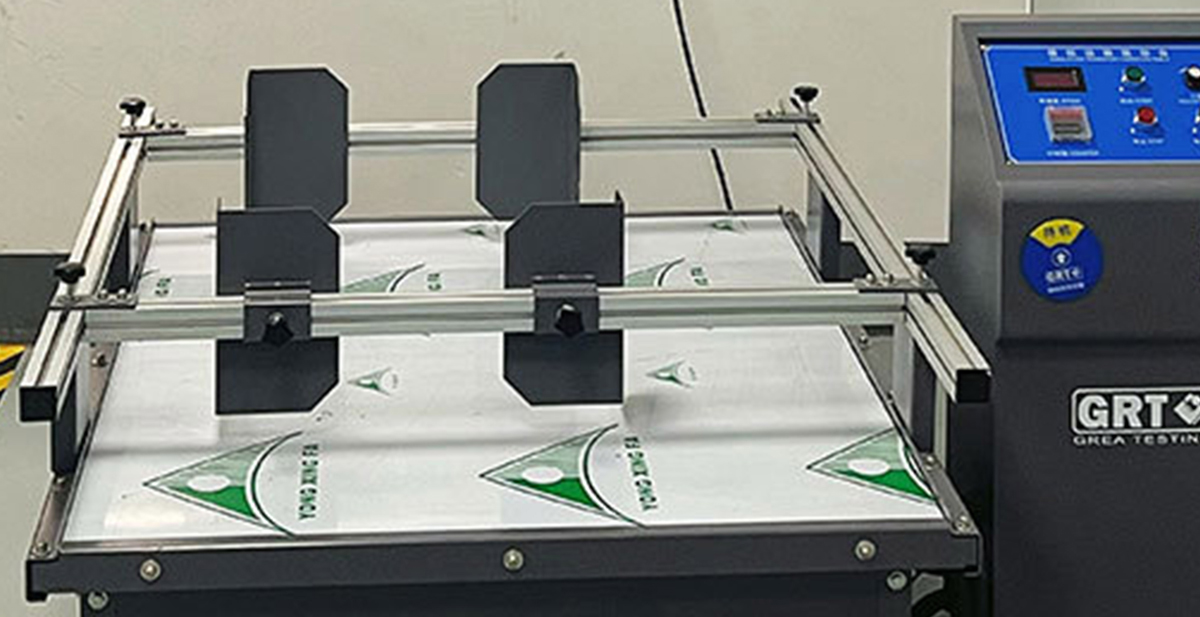
API 6D, API 607, CE, ISO9001, ISO14001, ISO18001, TS. (If you need our certificates, please contact)
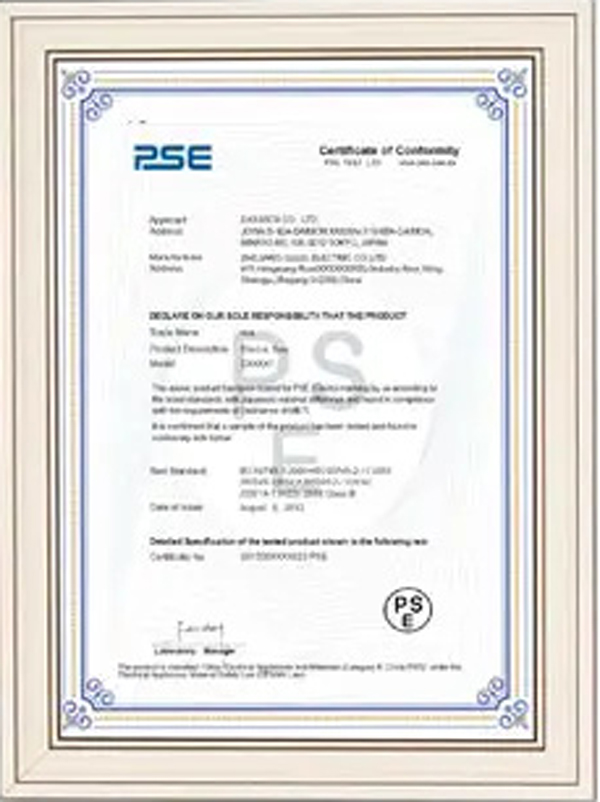
PSE
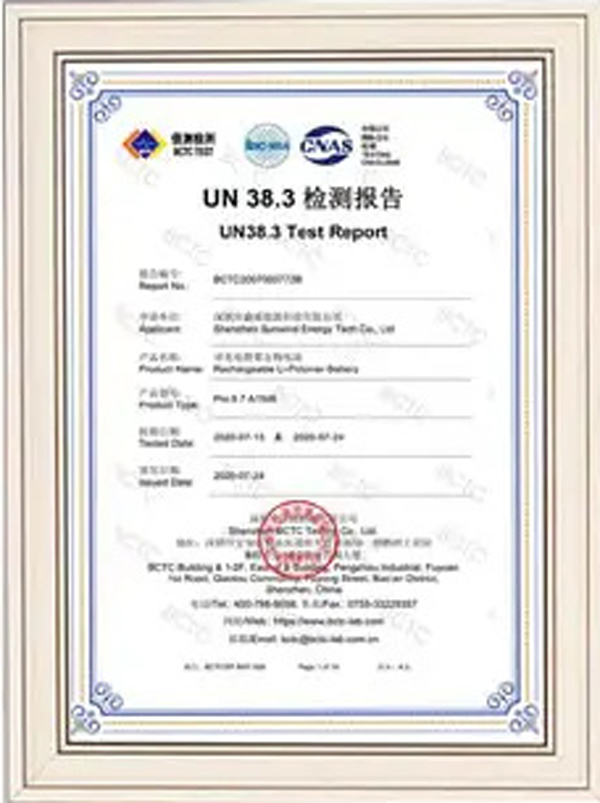
UN 38.3
DGM
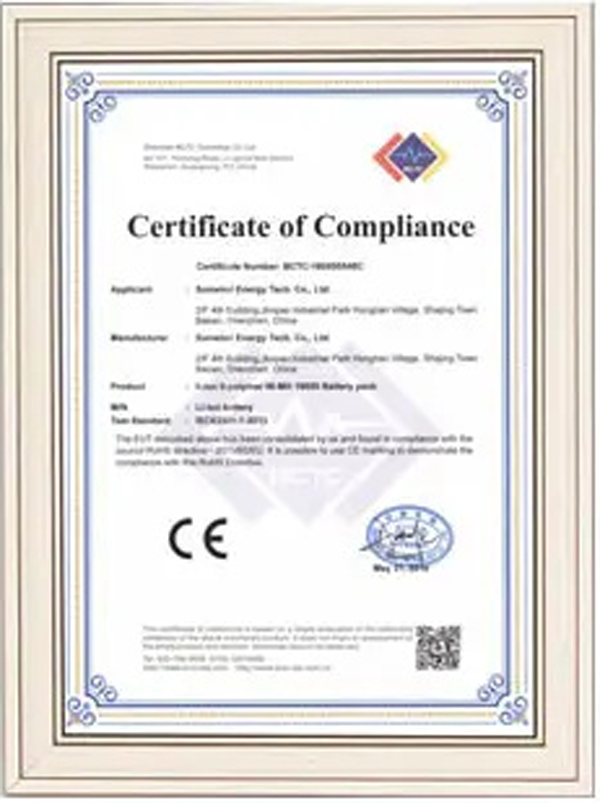
CE
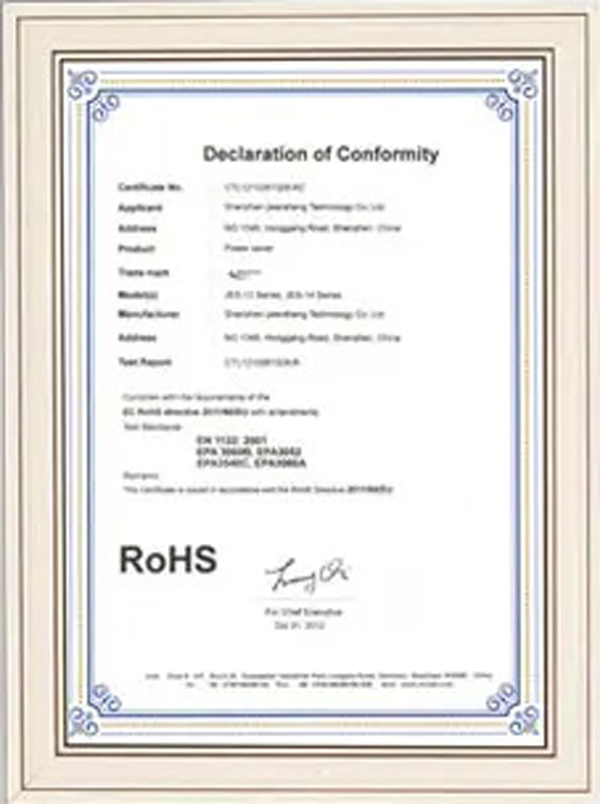
RoHS
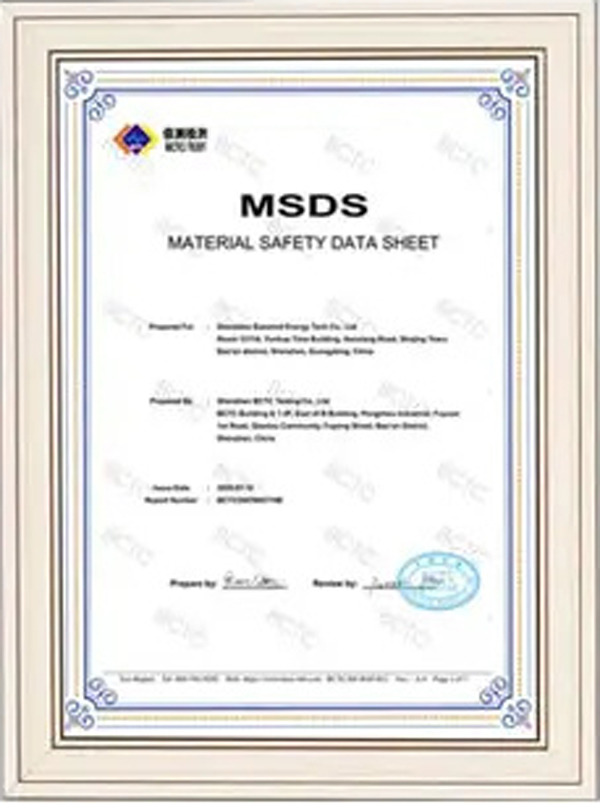
MSDS
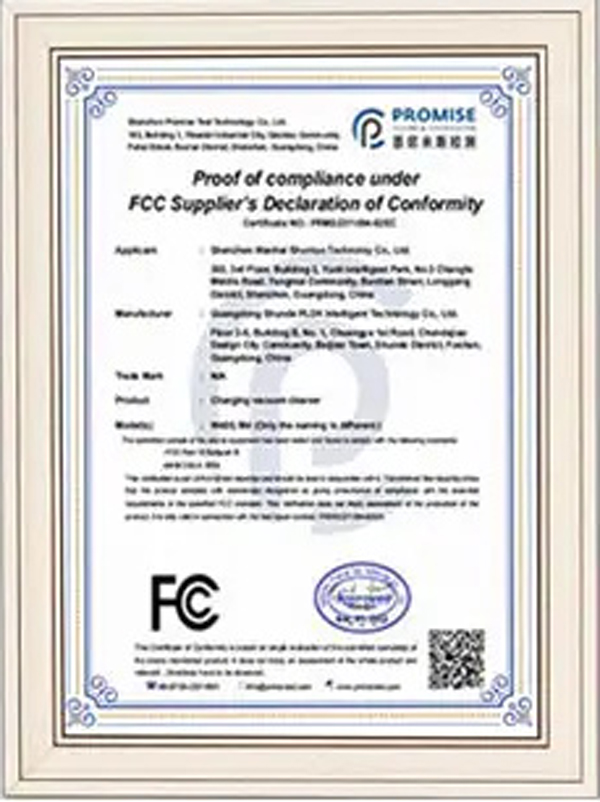
FCC
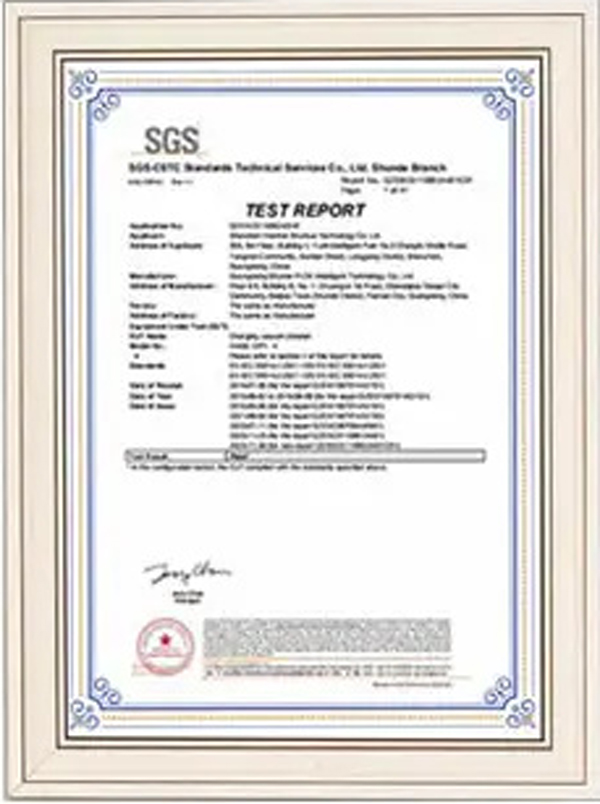
ISO Standard
As smart home ecosystems become more interconnected, the demands placed on energy storage continue to rise. We are monitoring and driving several key development trends in the high-stability battery sector:
Solid-state electrolyte technology represents the next frontier in battery development. By replacing liquid polymer electrolytes with solid conductors, we can achieve nearly double the energy density while eliminating the risk of leakage and fires. This is particularly beneficial for high-suction smart vacuum devices that operate at elevated temperatures.
Future battery packs will not only protect the system but also communicate with the cloud to run predictive health diagnostics. An AI-optimized BMS can predict when a cell is degrading and adjust load distribution to prolong the pack's overall lifespan, reducing maintenance costs for automated cleaning fleets.
Minimizing charging times is critical for both residential sweepers and industrial cleaning systems. Advanced silicon-carbon anode materials are being integrated to support up to 5C fast-charging rates, allowing a vacuum cleaner to fully recharge in under 20 minutes without inducing thermal stress or reducing battery life.