Leave Your Message
Featured precision high-performance power modules engineered for rugged field controllers, airborne telemetry units, and real-time industrial inspection terminals.
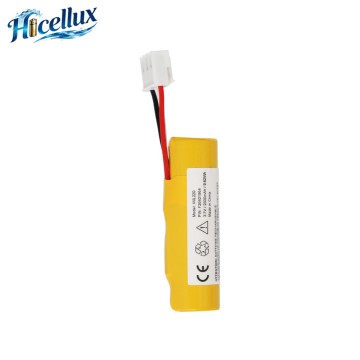
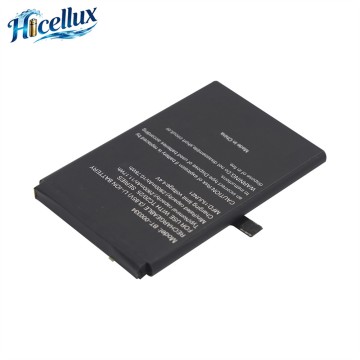
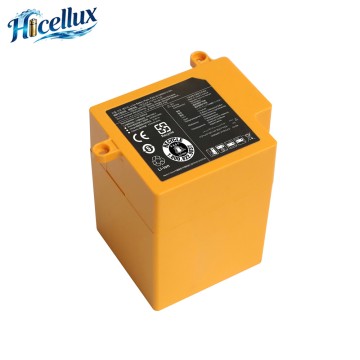
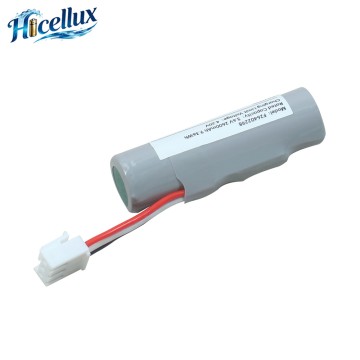
The rapid escalation of commercial unmanned aerial vehicle (UAV) systems across industrial landscapes has fundamentally redefined expectations for electrical energy storage. Modern industrial inspection tasks—ranging from multi-kilometer utility transmission grid mapping and offshore wind turbine blade non-destructive testing (NDT) to cross-country oil & gas pipeline surveillance—demand propulsion and payload power sources that transcend standard consumer-grade battery metrics. High-Performance (HP) batteries have transformed from mere electrochemical reservoirs into highly orchestrated power delivery systems capable of sustaining high discharge rates, preserving thermal equilibrium in extreme climates, and delivering deterministic flight duration.
Historically, commercial drones relied upon standard lithium polymer (LiPo) chemistry, which frequently suffered from low volumetric density, rapid cycle degradation under continuous high-C discharge, and vulnerability to thermal runaway when operated under severe ambient conditions. In current industrial operations, downtime directly translates into substantial financial overhead. Commercial service providers require batteries capable of sustained 5C to 15C continuous discharge, rapid burst capacity during sudden wind compensation maneuvers, and elevated power-to-weight ratios that maximize both hover stability and active sensor payload capacities (such as LiDAR scanners, multispectral sensors, and optical gas imaging systems).
Contemporary industrial HP battery architectures achieve energy densities surpassing 270 Wh/kg at the pack level, while utilizing silicon-graphene hybrid anodes and advanced nickel-rich cathode chemistries (NMC 811). This architecture extends operational loiter durations by up to 35% without incurring parasitic structural weight penalties.
To comprehend the engineering stringency imposed on high-performance batteries, one must examine the specific operating environments where commercial inspection drones are deployed:
UAVs inspecting high-voltage transmission lines navigate fierce electromagnetic fields and rapid crosswinds. HP batteries provide instantaneous current bursts to brushless motor ESCs while supplying isolated, ripple-free DC power to radiometric thermal cameras.
Automated wind turbine and utility-scale solar farm inspections mandate extended flight profiles covering hundreds of acres per sortie. Low-impedance cell structures eliminate voltage drop near end-of-discharge, ensuring predictable automated RTL (Return-To-Launch) thresholds.
Inspecting internal storage tanks, flaring towers, and petrochemical offshore rigs requires ATEX-compliant safety design. Batteries must operate safely in ambient temperatures varying from -20°C in arctic fields to +55°C in desert flare zones.
Inspecting high-voltage lines (up to 765 kV) introduces high magnetic flux and corona discharge risks. High-performance battery packs for this sector incorporate internal electromagnetic shielding (Faraday mesh and specialized aluminum-mylar barriers) surrounding both the cell matrix and the Battery Management System (BMS). This prevents high-frequency inductive coupling from inducing parasitic currents into balancing leads or corrupting SMBus/CAN communication protocols between the drone avionics and the smart battery fuel gauge.
A single offshore wind turbine blade inspection necessitates millimeter-accurate hover control within the blade's boundary-layer vortices. The sudden torque demand placed on the drone's multi-rotor motors creates dynamic current spikes exceeding 60A per arm. Standard packs experience instantaneous voltage sag, triggering false low-voltage cutoffs. HP battery packs with internal resistances (IR) below 1.2 mΩ per cell sustain linear discharge curves, preventing sudden altitude loss and ensuring stable sensor positioning for photogrammetry and acoustic shear-wave sensors.
Solar utility inspections rely on simultaneous payloads: high-resolution RGB cameras mapping spatial coordinates while uncooled long-wave infrared (LWIR) sensors identify micro-cracks, bypass diode failures, and hot-spot anomalies. These active payloads require stabilized auxiliary power rails. Modern HP battery packs feature integrated DC-DC converters or dual-output taps that step down battery voltage to continuous 12V/24V regulated rails, preventing bus ripple from degrading sensor calibration.
The commercial drone energy sector is currently pivoting through three seismic technological shifts that will define the upcoming decade of automated industrial robotics:
We provide one-on-one customized services and cost-effective solutions for our clients. Compared to our competitors, we offer faster shipping times and more flexible delivery options. Our company is committed to helping customers improve efficiency and increase profits. We welcome your inquiries and look forward to building long-term, mutually beneficial partnerships with clients worldwide.




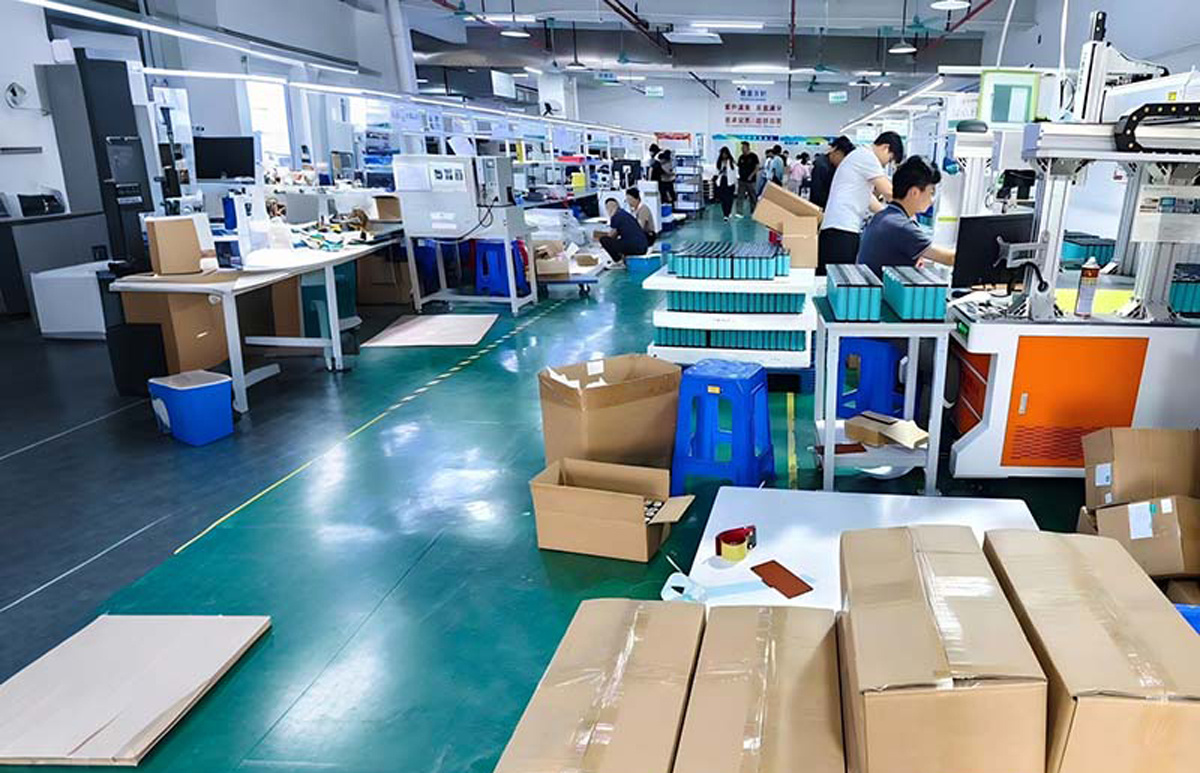
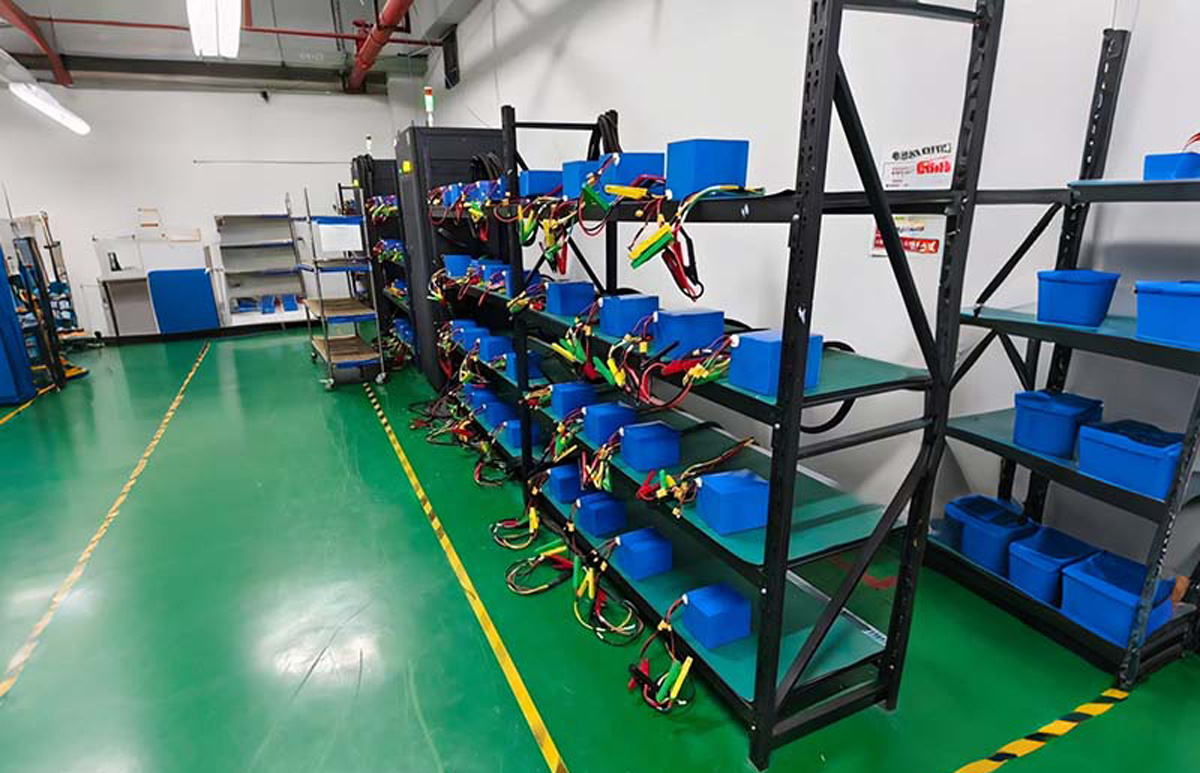
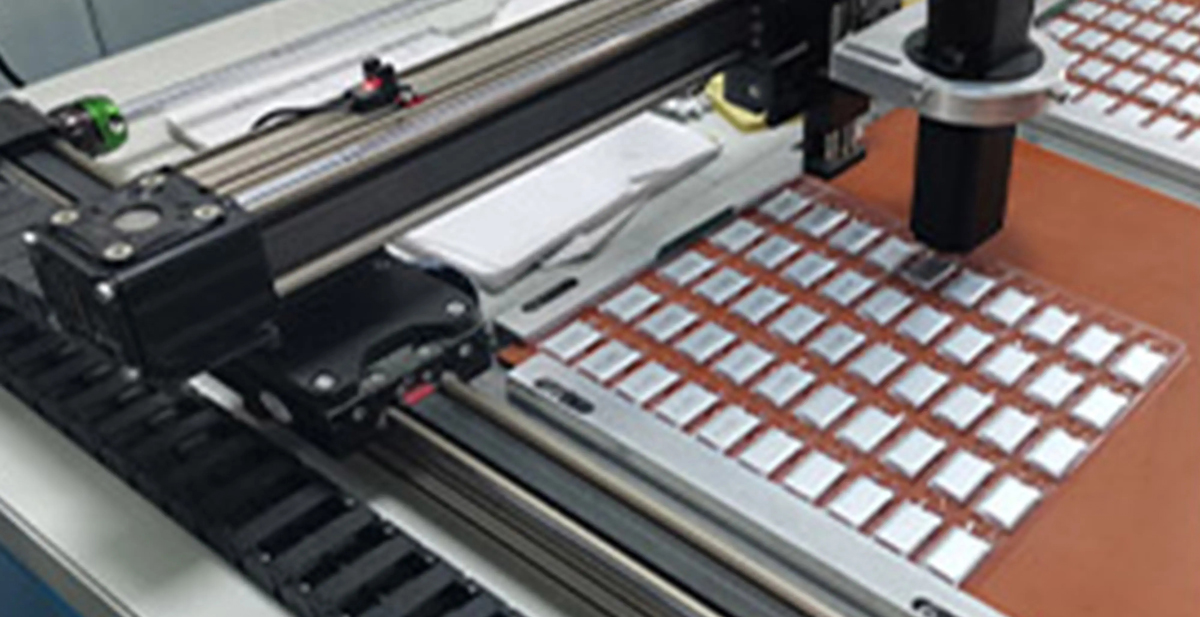
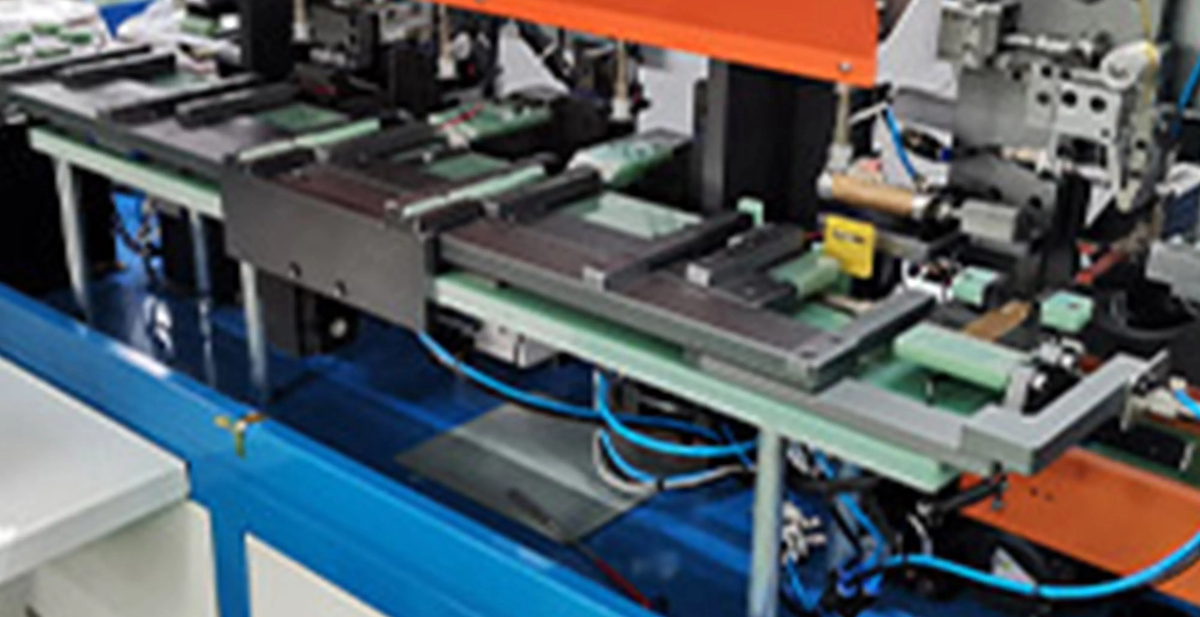
State-of-the-art facilities equipped with automated cell grading, robotic micro-spot welding, and rigorous multi-stage quality verification protocols.
As a professional battery manufacturer, our factory has upgraded a fully automated production line tailored to battery manufacturing, covering the entire process from material input to finished product delivery.
We're equipped with industry-leading intelligent equipment: automatic cell sorting machines, robotic spot-welding systems, and PCB precision processing workshops—these cut manual intervention by 80% while boosting production efficiency by 60%.
Our 70+ professional team (including automation engineers, quality inspectors, and logistics specialists) monitors every link: from incoming material verification, real-time tracking of cell sorting accuracy, to 100% coverage of aging tests and finished product performance detection.
Integrated interdisciplinary strengths encompassing electrochemical research, mechanical structural modeling, intelligent firmware programming, and global client technical support.
Our team is a professional and experienced group that has been deeply involved in the battery industry for over a decade. We have accumulated profound industry knowledge and are always committed to technological innovation and quality improvement. We have built a strong and integrated capability covering R&D, production, marketing and after-sales service, making us a reliable partner in the battery field.
In terms of R&D and production, we have a team of senior engineers and technical experts with rich experience in battery technology research and product development. Equipped with advanced production equipment and strict quality control systems, we can independently complete the whole process from product design, technology research to mass production, ensuring stable product quality and high performance that meet market demands.
In marketing and after-sales service, we have a professional team with keen market insight and efficient execution. We have established a comprehensive marketing network to accurately grasp market trends and provide customized solutions for customers. Meanwhile, our after-sales team responds quickly to customer needs, providing timely technical support and service guarantee, winning wide recognition and trust from customers. With our all-round strength, we are committed to promoting the development of the battery industry and creating greater value for our partners.

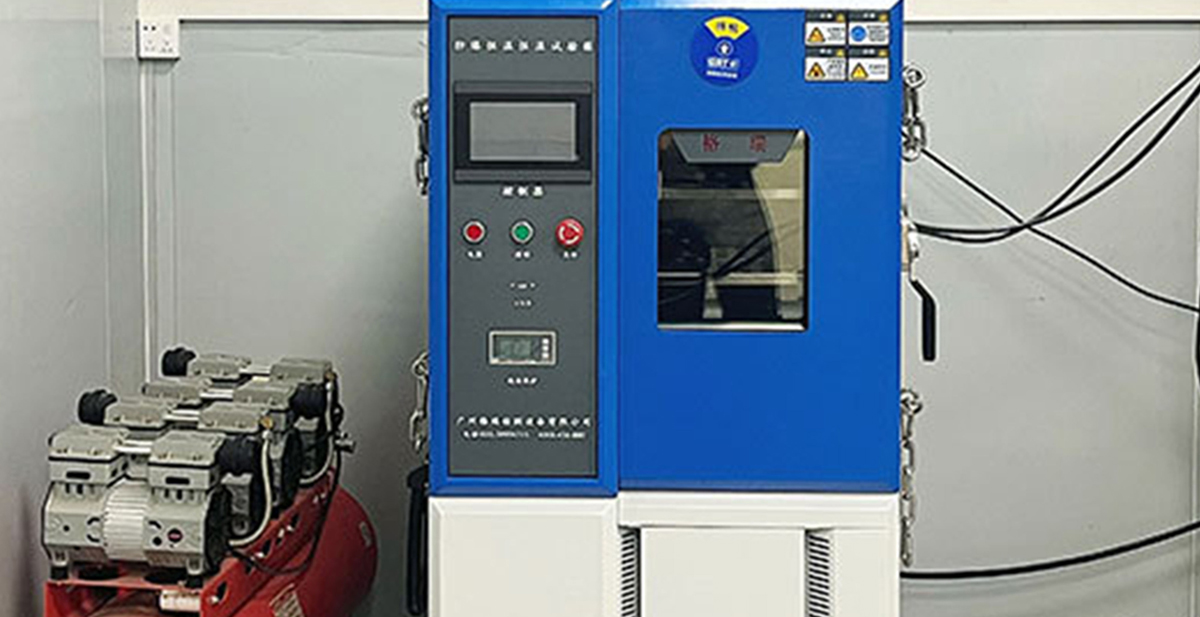
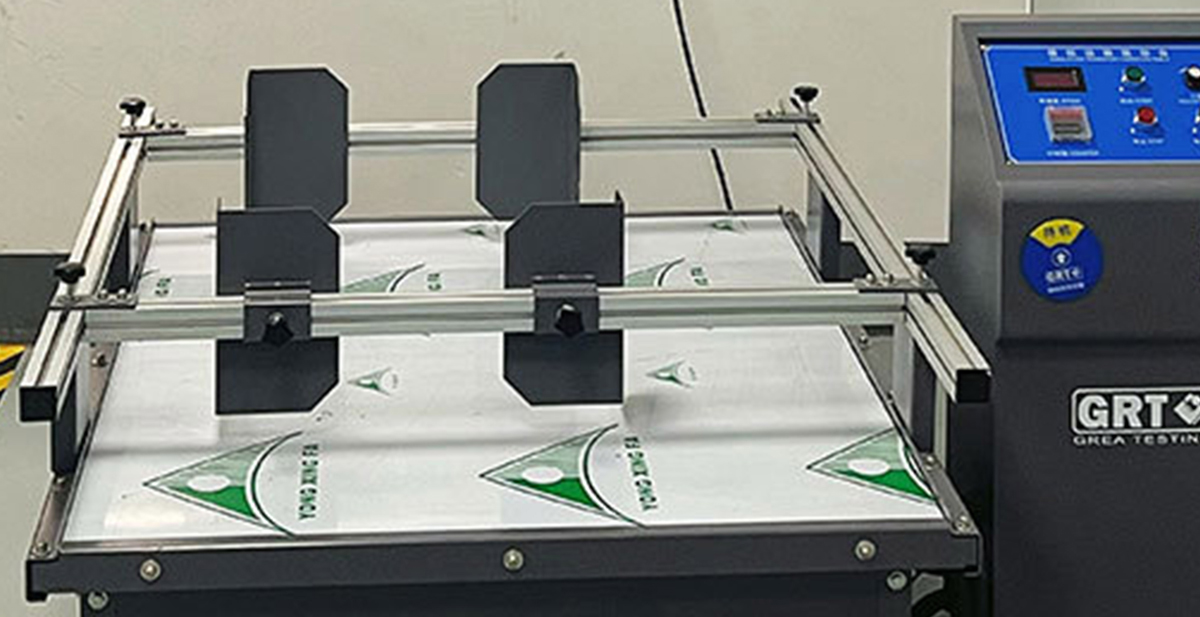
API 6D, API 607, CE, ISO9001, ISO14001, ISO18001, TS. (If you need our certificates, please contact our support team)

PSE
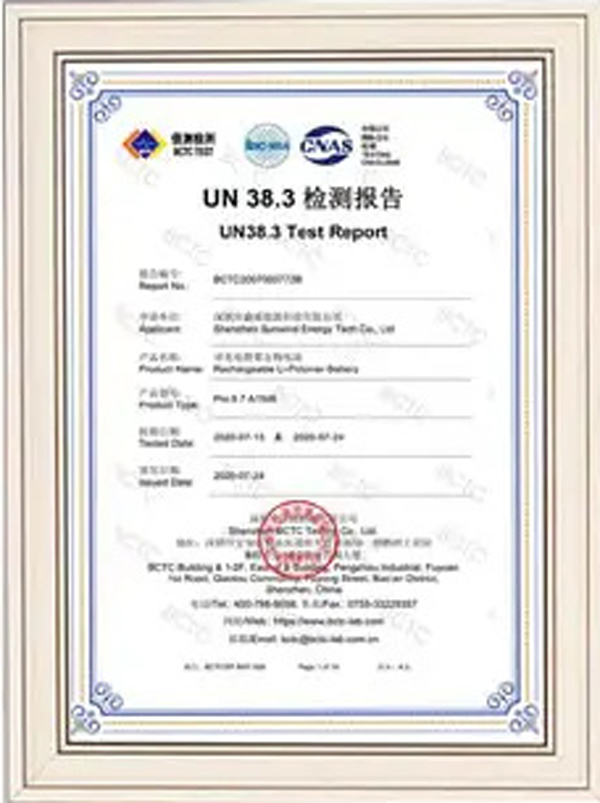
UN 38.3
DGM
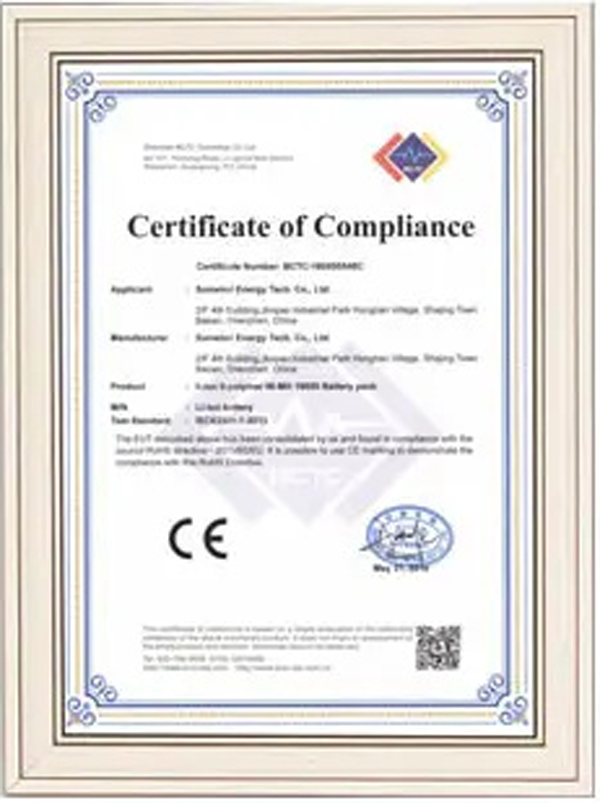
CE

RoHS
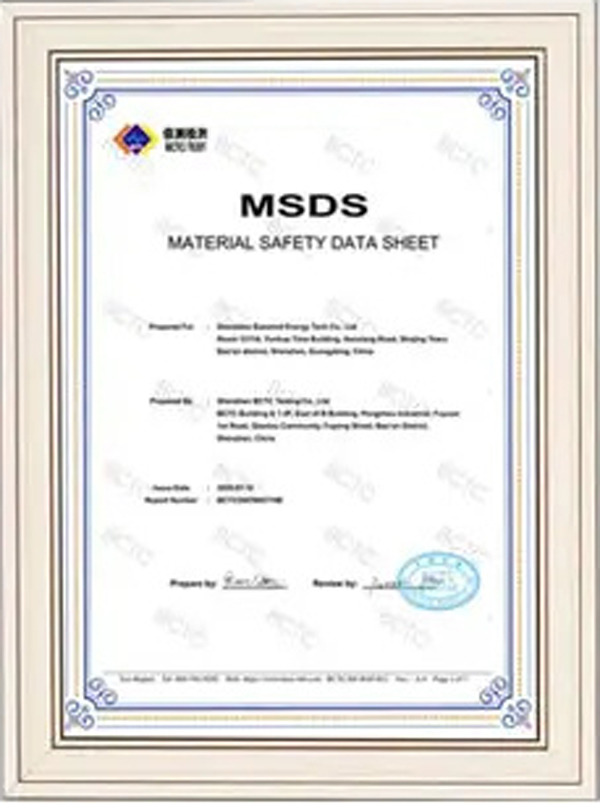
MSDS

FCC

ISO9001 / Safety
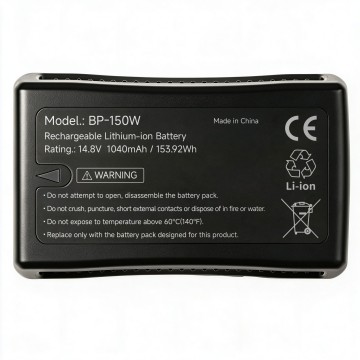
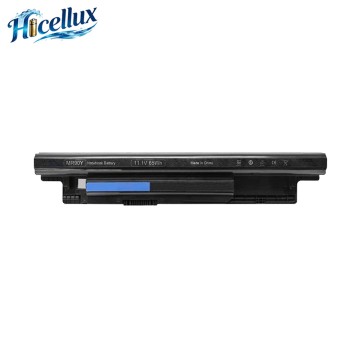
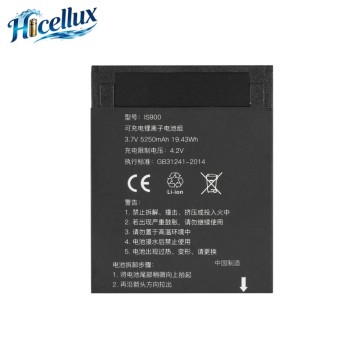
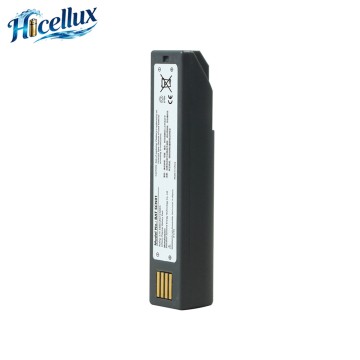
Browse our complete range of high-performance replacement batteries engineered for industrial automation, handheld flight controllers, high-current payload systems, and remote inspection hardware.