Leave Your Message
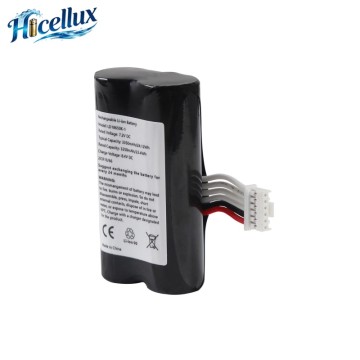
In the modern, hyper-connected corporate ecosystem, mobility is no longer a luxury—it is the foundation of operational efficiency. Large enterprise fleets, ranging from corporate laptops like the legendary Lenovo ThinkPad series to field-ready mobile IT terminals, drive daily productivity in sectors such as logistics, healthcare, public safety, and financial services. However, the physical reality of battery degradation remains a persistent bottleneck for global IT departments.
As enterprises look to extend the lifecycle of their hardware assets (often stretching device deployment to 5–6 years instead of the traditional 3-year refresh cycle), the requirement for high-reliability, OEM-grade replacement batteries has surged. Rather than investing capital in brand-new laptop fleets, IT managers are executing structured mid-cycle battery refreshes. This strategy significantly reduces CapEx while ensuring that mobile workforces maintain full-shift productivity without unexpected downtime.
1. Extended Hardware Lifecycles: Modern processors and SSDs in business-class laptops remain highly capable for up to 6 years. Replacing degraded batteries is the most cost-efficient method to keep these assets operational.
2. Shift to Hybrid and Field Work: Employees are increasingly working outside traditional office environments, making all-day battery life a critical factor for business continuity.
3. Advanced Safety Standards: Enterprise environments demand batteries equipped with sophisticated safety circuits to prevent thermal events, overcharging, and short circuits, ensuring compliance with global occupational safety mandates.
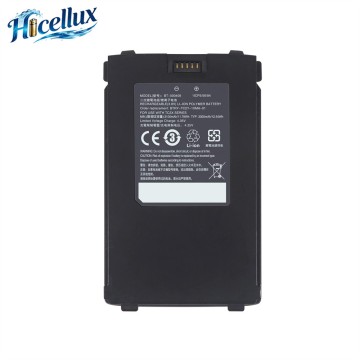
Utility technicians, field engineers, and emergency services rely on mobile IT devices to access blueprints, dispatch commands, and diagnostic software. When operating in remote locations, access to standard power grids is non-existent. A premium replacement battery must deliver consistent voltage and withstand extreme temperature variations, ensuring that devices like semi-rugged ThinkPads and handheld data collectors remain online throughout extended shifts.
In hospitals and clinics, Computers on Wheels (COWs) and mobile tablets are used continuously to update electronic health records (EHR) and manage patient care. Battery failures in these environments can disrupt patient vitals monitoring and delay critical treatments. Our batteries are built with premium cells that offer high charge-cycle durability, ensuring long-term reliability for clinical environments where downtime is not an option.
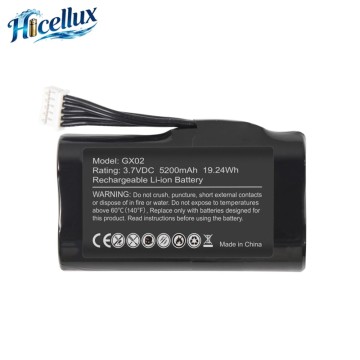
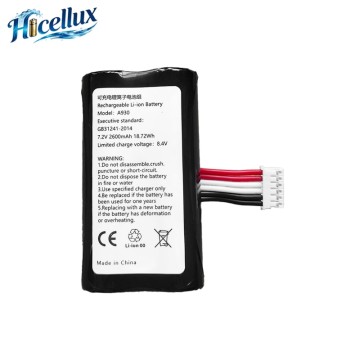
Logistics hubs and retail networks utilize specialized mobile terminals, handheld scanners, and payment devices (such as Ingenico and PAX systems) to track inventory and process transactions. A single battery failure on a shipping dock or checkout counter can stall supply chains and result in lost revenue. Integrating high-capacity, certified replacement batteries ensures these hand-held terminals operate uninterrupted during peak holiday seasons and double-shift schedules.
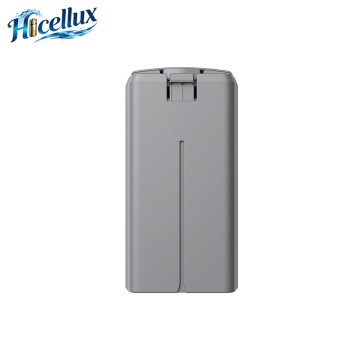
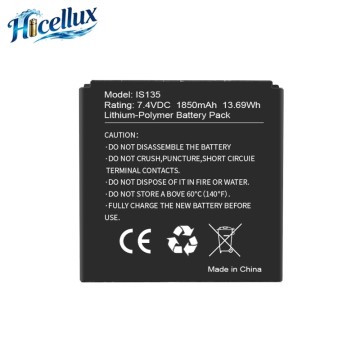
Enterprise drone applications—including infrastructure inspection, agricultural mapping, and security surveillance—rely on high-discharge batteries (like the DJI Mini series replacements) to keep aerial units airborne. Reliable power management is critical to preventing mid-air power failures, protecting expensive payload equipment, and ensuring successful mission completion.
We provide one-on-one customized services and cost-effective solutions for our clients.
Compared to our competitors, we offer faster shipping times and more flexible delivery options.
Our company is committed to helping customers improve efficiency and increase profits.
We welcome your inquiries and look forward to building long-term, mutually beneficial partnerships with clients worldwide.



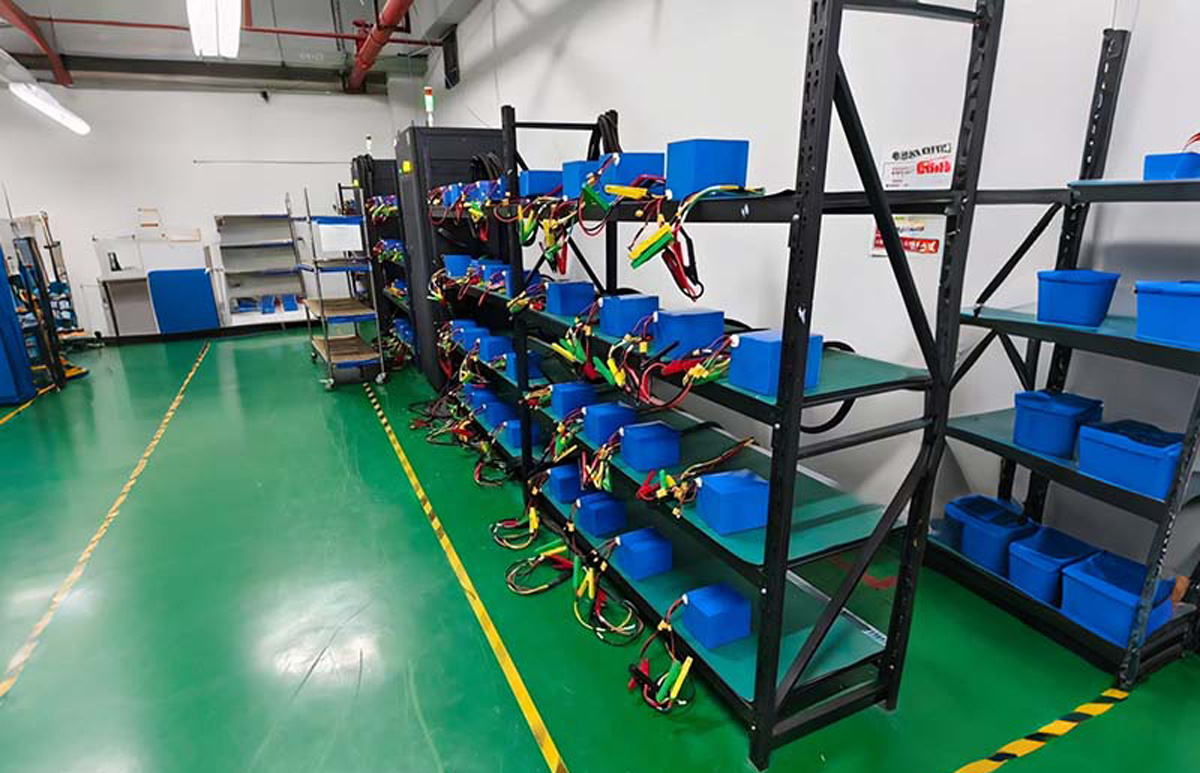
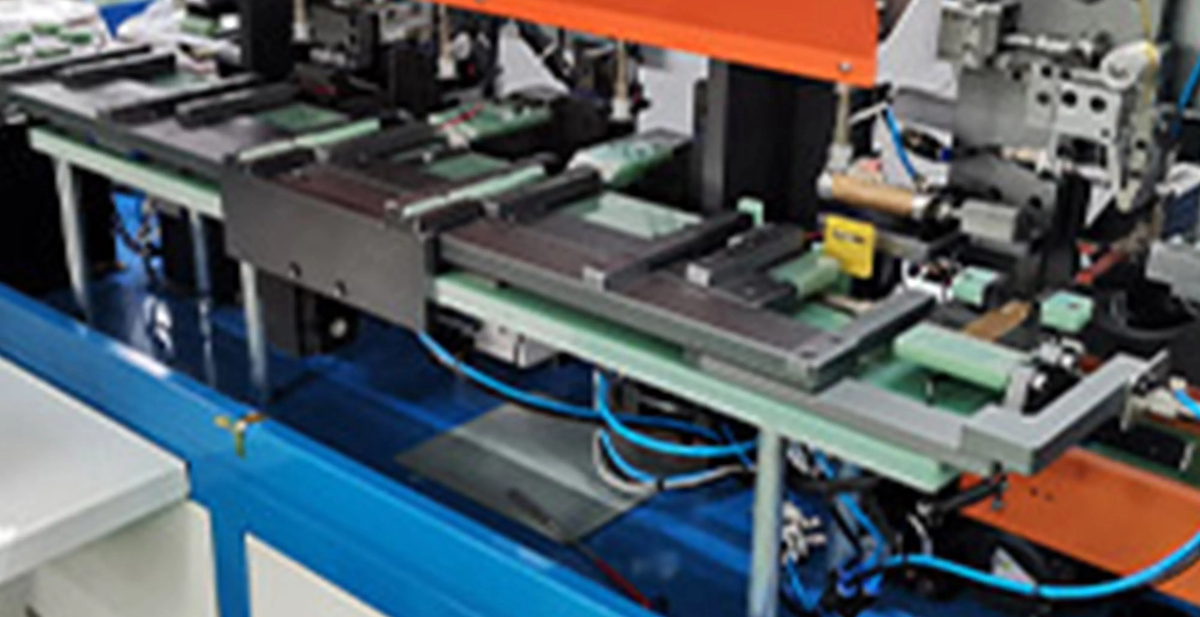
As a professional battery manufacturer, our factory has upgraded a fully automated production line tailored to battery manufacturing, covering the entire process from material input to finished product delivery.
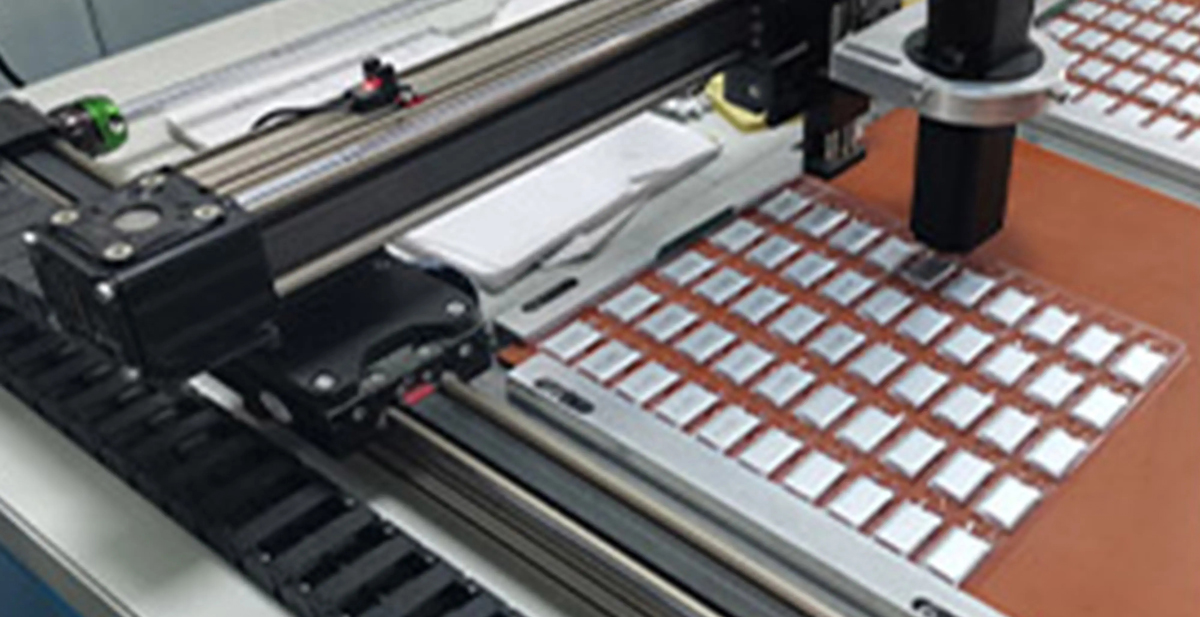
We’re equipped with industry-leading intelligent equipment: automatic cell sorting machines, robotic spot-welding systems, and PCB precision processing workshops—these cut manual intervention by 80% while boosting production efficiency by 60%.
Our 70+ professional team (including automation engineers, quality inspectors, and logistics specialists) monitors every link: from incoming material verification, real-time tracking of cell sorting accuracy, to 100% coverage of aging tests and finished product performance detection.
Our multidisciplinary teams collaborate to deliver highly reliable battery technologies tailored to complex enterprise deployment specifications.
Our team is a professional and experienced group that has been deeply involved in the battery industry for over a decade. We have accumulated profound industry knowledge and are always committed to technological innovation and quality improvement. We have built a strong and integrated capability covering R&D, production, marketing and after-sales service, making us a reliable partner in the battery field.
In terms of R&D and production, we have a team of senior engineers and technical experts with rich experience in battery technology research and product development. Equipped with advanced production equipment and strict quality control systems, we can independently complete the whole process from product design, technology research to mass production, ensuring stable product quality and high performance that meet market demands.
In marketing and after-sales service, we have a professional team with keen market insight and efficient execution. We have established a comprehensive marketing network to accurately grasp market trends and provide customized solutions for customers. Meanwhile, our after-sales team responds quickly to customer needs, providing timely technical support and service guarantee, winning wide recognition and trust from customers. With our all-round strength, we are committed to promoting the development of the battery industry and creating greater value for our partners.

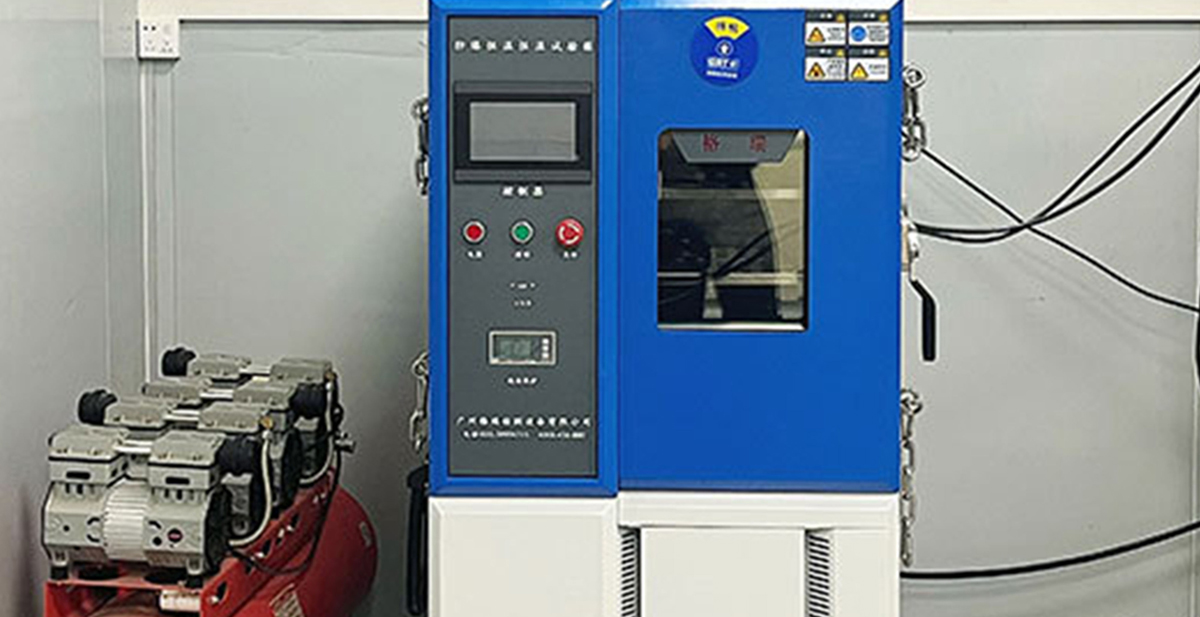
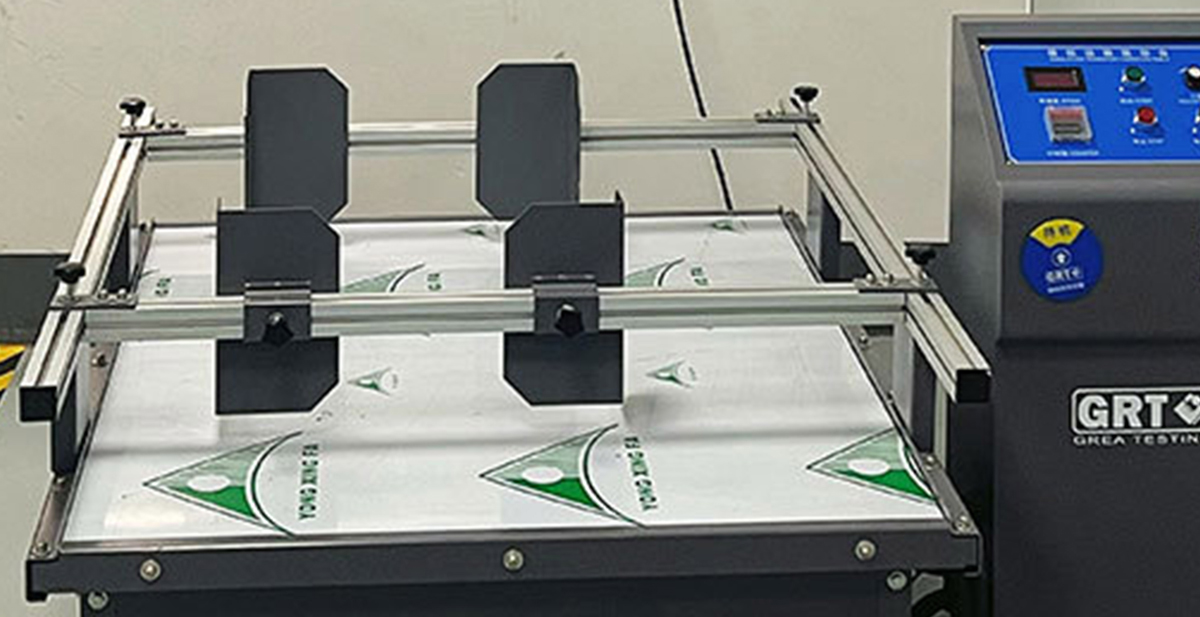

PSE Certified

UN 38.3 Certified
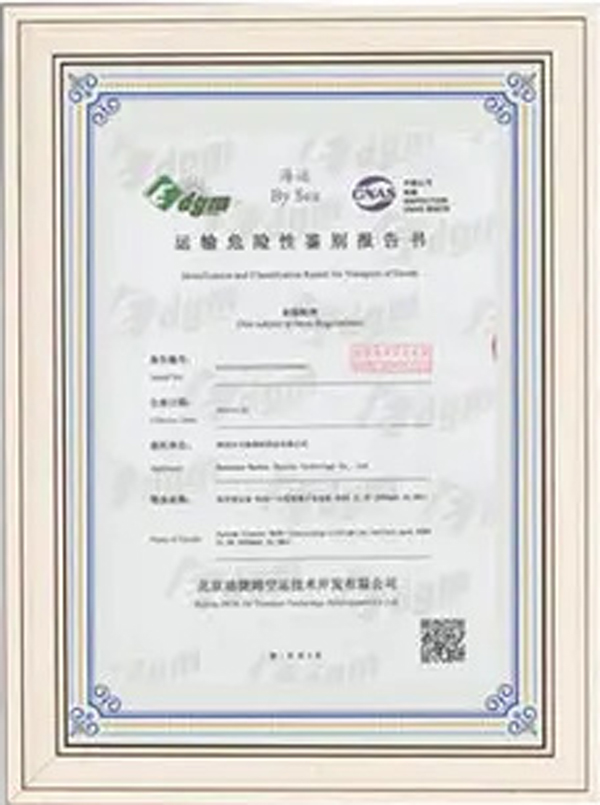
DGM Certified
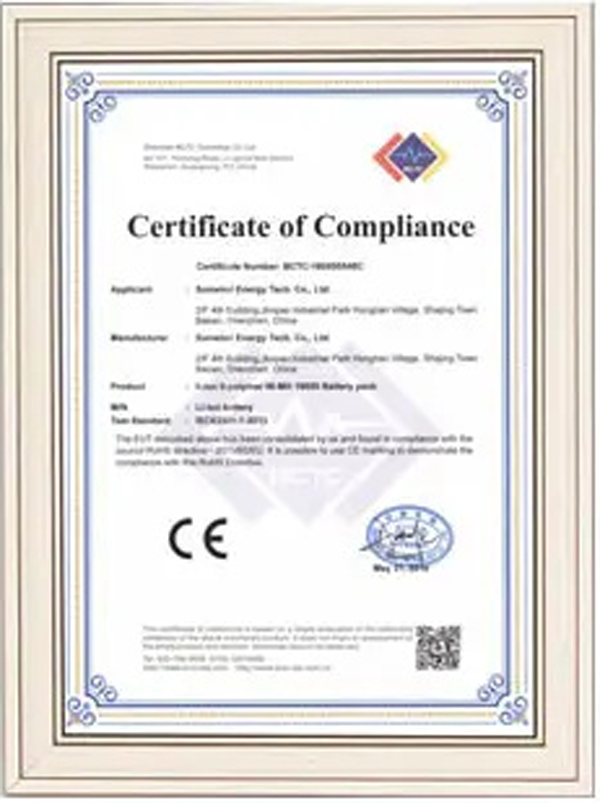
CE Certified
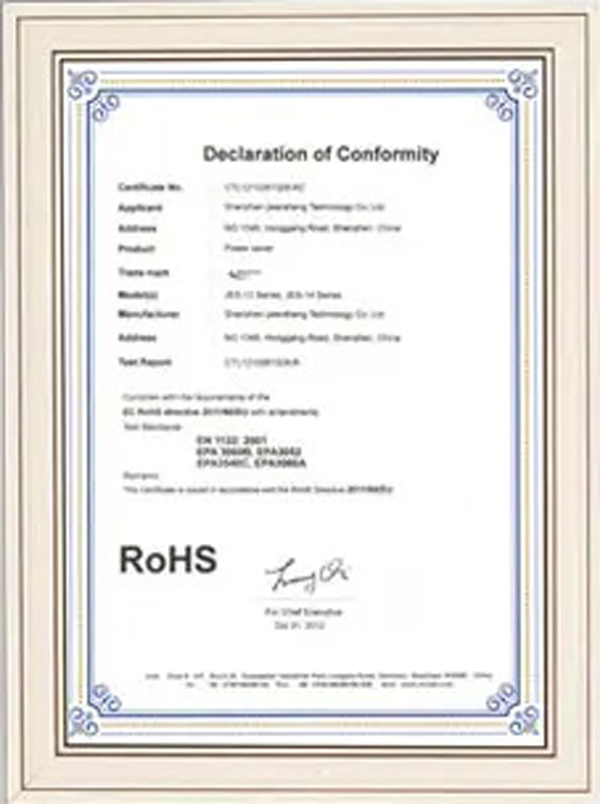
RoHS Compliant
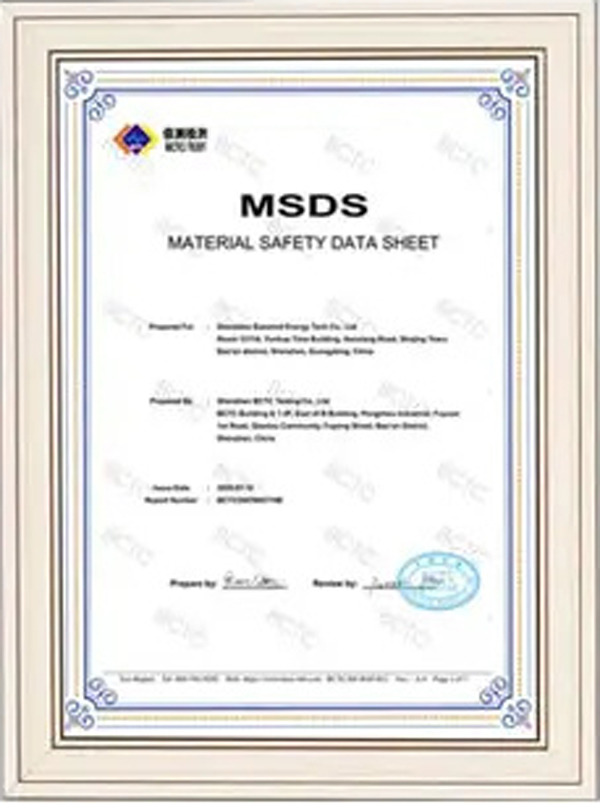
MSDS Safety Sheets
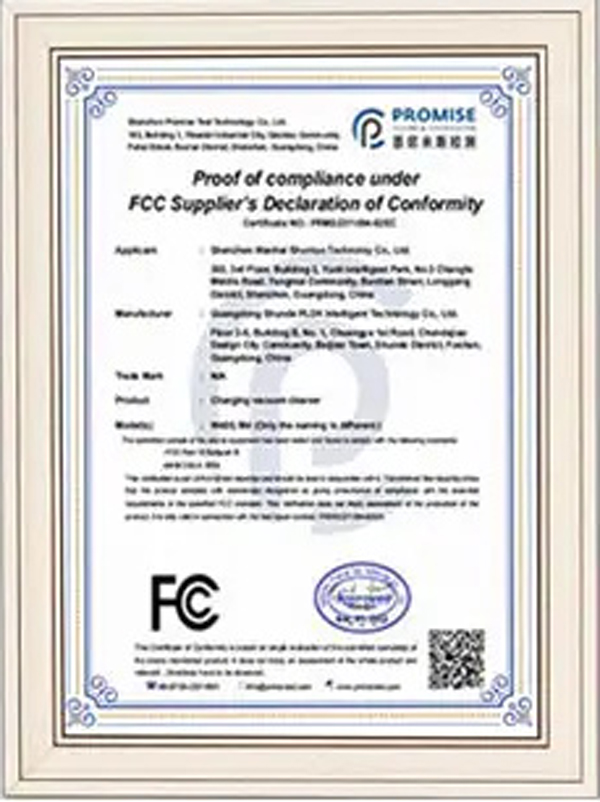
FCC Certified
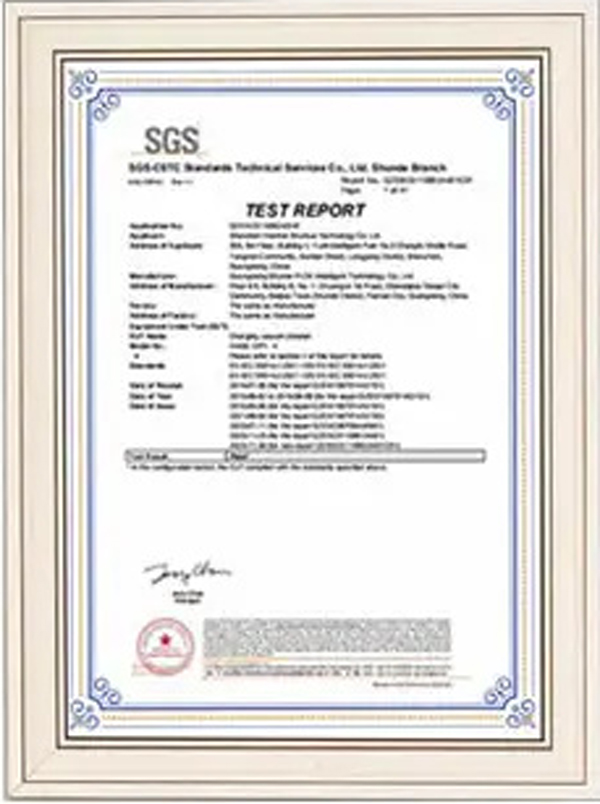
ISO Standard Compliant
The integration of replacement batteries into enterprise mobile IT devices is no longer just about storing chemical energy. Modern fleets require smart batteries equipped with advanced Battery Management Systems (BMS). A robust BMS acts as the brain of the battery pack, communicating directly with the host device's operating system to report real-time health metrics, charge cycles, temperature status, and estimated remaining capacity. This enables IT administrators to monitor battery degradation across thousands of active devices and schedule preventative maintenance before a battery failure occurs in the field.
Looking ahead, the enterprise power sector is transitioning toward higher energy density chemistries, such as silicon-anode lithium-polymer cells. These materials allow for thinner, lighter battery packs that match the sleek design of modern business laptops, such as the Lenovo ThinkPad Carbon and Yoga series, while extending runtime by up to 25%. Furthermore, fast-charging protocols (such as USB-C Power Delivery) require battery cells to support rapid current absorption without compromising cycle life or safety. Our R&D team is actively engineering cells that support these high-rate charging protocols while maintaining stable thermal profiles.