Leave Your Message
Why modern enterprise supply chains, warehouse fulfillment networks, and retail environments are replacing conventional lithium cobalt and nickel chemistries with Lithium Iron Phosphate (LiFePO4).
Commercial barcode and label mobile printers represent the unsung backbone of global commerce. From rapid cross-docking in automated logistics hubs to real-time curbside grocery pickup, direct-store delivery (DSD), bedside specimen identification in healthcare facilities, and utility meter labeling, portable thermal printers operate continuously in unforgiving conditions. For decades, these mission-critical peripherals relied primarily on traditional ternary lithium-ion chemistries (such as LiCoO2 or NMC) and legacy Nickel-Metal Hydride (NiMH) packs. However, modern automated retail and high-velocity supply chains impose intense thermal printing cycles that push conventional chemistries past their operational limits.
Thermal printing mechanism—whether direct thermal or thermal transfer—exhibits extreme pulsed discharge profiles. Heating microscopic thermal printhead dots to deposit dark barcodes requires immediate, repetitive bursts of high amperage, immediately followed by motor stepper actuation to feed label media. Over an eight-to-twelve-hour shift involving thousands of barcode scans and label printouts, this rapid pulsing generates considerable internal cell impedance, localized Joule heating, and accelerated capacity degradation in standard lithium cells. Consequently, enterprises frequently suffer from early cell swelling, premature runtime drop-offs, erratic low-battery shutdowns during print peak draw, and substantial replacement overhead.
The LiFePO4 (LFP) Revolution: Lithium Iron Phosphate technology addresses each of these industrial vulnerabilities at the fundamental electrochemistry level. Characterized by its olivine crystal structure with rigid P-O covalent bonding, LFP delivers unmatched thermal resilience, virtually zero risk of oxygen release during abusive thermal runaway events, and an extraordinary cycle lifespan ranging from 2,000 to over 4,000 deep discharge cycles. As businesses demand round-the-clock shift continuity without battery swapping, LFP is rapidly emerging as the premier choice for custom-engineered commercial barcode and label mobile printing solutions.
Maintains consistent 3.2V per cell output across 85% of discharge life, preventing print head fading and ensuring barcode readability until completely depleted.
Chemically stable olivine lattice withstands up to 270°C without exothermic breakdown, eliminating thermal runaway risks in rugged warehouse operations.
Outlasts standard NMC/LCO cells by 4x to 6x, dramatically slashing multi-year hardware fleet Total Cost of Ownership (TCO) across enterprise mobile assets.
Harmonizing thermal pulse loads with sophisticated algorithm-driven protection.
Mobile thermal printers do not consume power uniformly. The electrical load fluctuates between quiescent micro-ampere standby states, moderate Bluetooth/Wi-Fi transmission peaks, and instantaneous 2C to 5C current surges required when all thermal print dots fire simultaneously to render high-density 2D Datamatrix or QR labels.
To support this rigorous demand, Hicellus incorporates advanced custom Battery Management Systems (BMS) optimized specifically for portable printer engines. Our intelligent BMS features:
| Parameter | Standard NMC / Ternary | Industrial LFP (Hicellus) |
|---|---|---|
| Nominal Cell Voltage | 3.6V - 3.7V | 3.2V (Ultra-Flat Plateau) |
| Cycle Life (80% DoD) | 300 - 500 Cycles | 2,500 - 4,000+ Cycles |
| Thermal Runaway Temp | ~150°C - 180°C | > 270°C (Non-Combustible) |
| Printhead Voltage Drop | Sharp slope; print fades | Minimal slope; crisp density |
| Cold Storage Performance | Severe capacity drops | Optimized electrolyte down to -20°C |
| Eco-Footprint | Cobalt/Nickel dependent | Cobalt-Free, RoHS / REACH green |
From sub-zero temperature cold warehouses to demanding fast-paced retail checkout lines, discover how LFP packs drive non-stop performance.
In fulfillment centers processing hundreds of thousands of packages daily, mobile label printers worn on operator belts or mounted on carts print cross-dock and shipping labels without mid-shift recharges or swap breaks.
Operating inside food preservation and pharmaceutical cold storage facilities (-20°C to -30°C). Our custom low-temperature LFP electrolyte formulations prevent freezing and power failure during critical freeze-grade tagging.
Field service drivers require reliable Bluetooth-linked printers for on-the-spot invoicing, bill of lading generation, and proof-of-delivery receipts exposed to extreme dashboard heat and continuous vibrations.
Bedside phlebotomy and pharmaceutical medication labeling necessitate sterile, non-gassing, and fail-safe power units that prevent mislabeling errors caused by voltage dropouts during sample registration.
During peak holiday sales and dynamic inventory audits, store associates scan price tags and print updated markdown adhesive labels right on the sales floor with continuous all-day barcode scanning and printing.
Traceability labeling across industrial assembly lines where heat, airborne dust, and high mechanical shock necessitate ruggedized casing and ultra-resilient cell architecture certified under UN 38.3 vibration tests.
We provide one-on-one customized services and cost-effective solutions for our clients. Compared to our competitors, we offer faster shipping times and more flexible delivery options. Our company is committed to helping customers improve efficiency and increase profits. We welcome your inquiries and look forward to building long-term, mutually beneficial partnerships with clients worldwide.



Guided by engineering integrity, relentless technological innovation, and an unwavering commitment to our global clients.

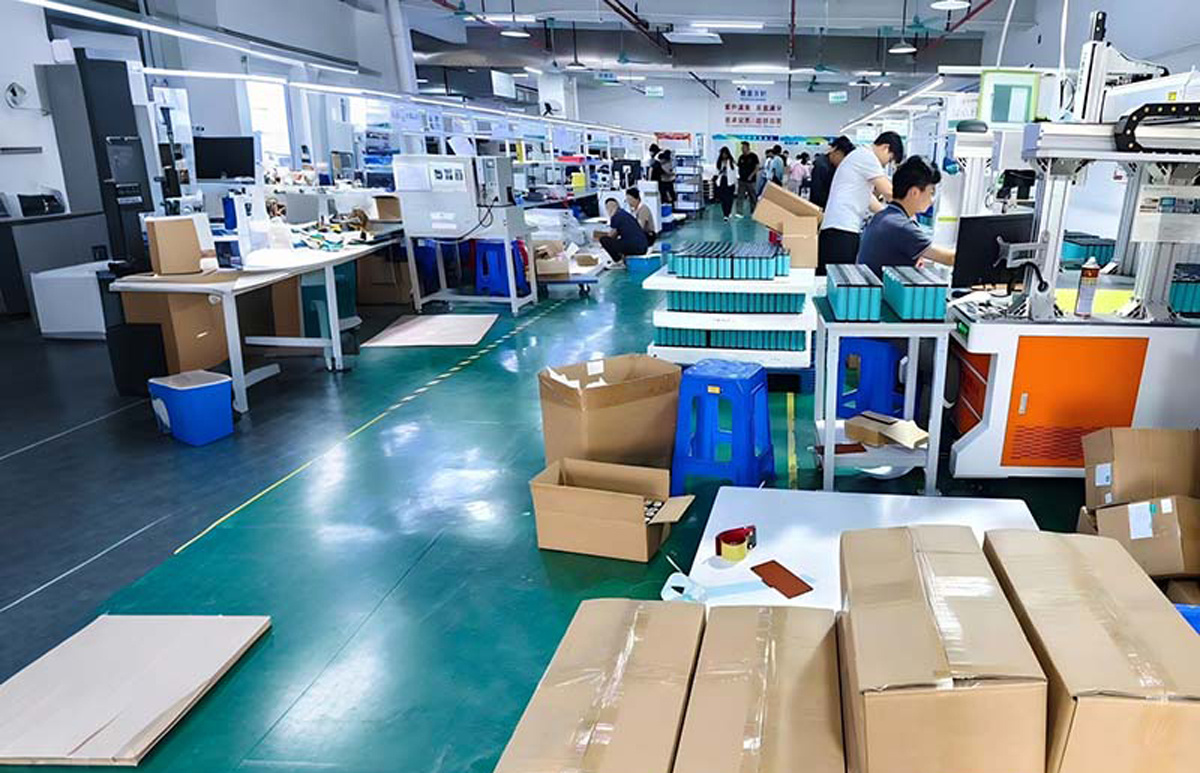
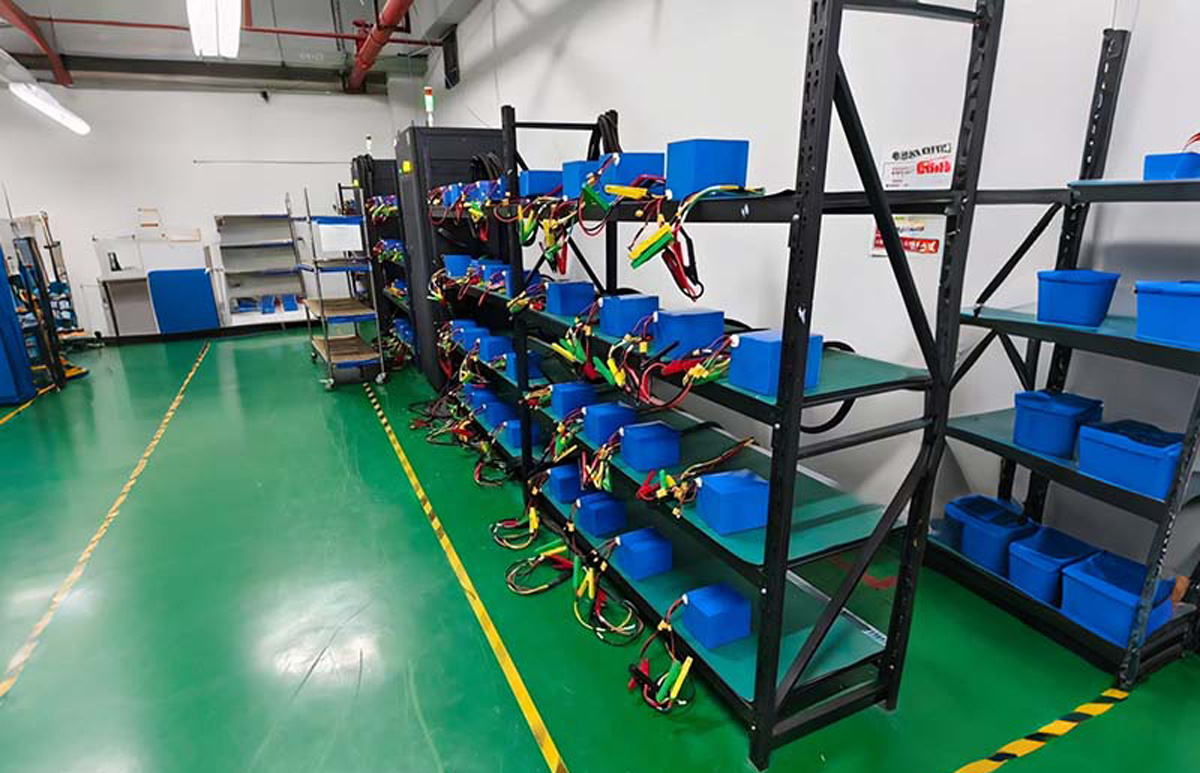
State-of-the-art battery pack assembly lines engineered to satisfy high-precision international standards.
A synergistic blend of technical mastery, agile production scalability, and customer-centric aftermarket engineering.

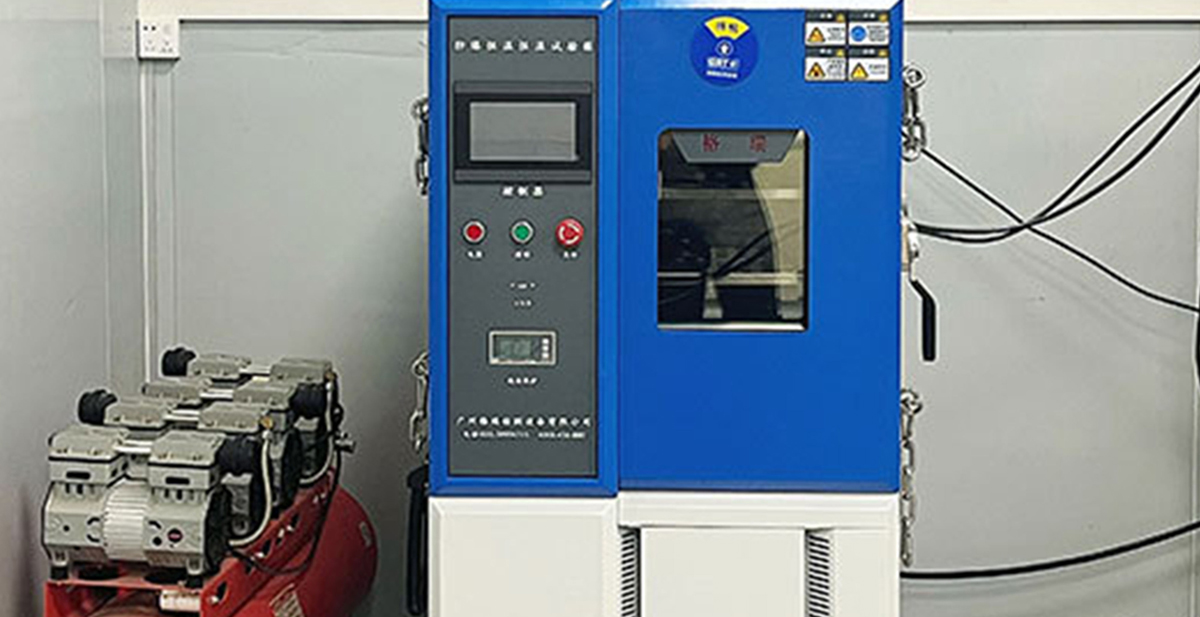
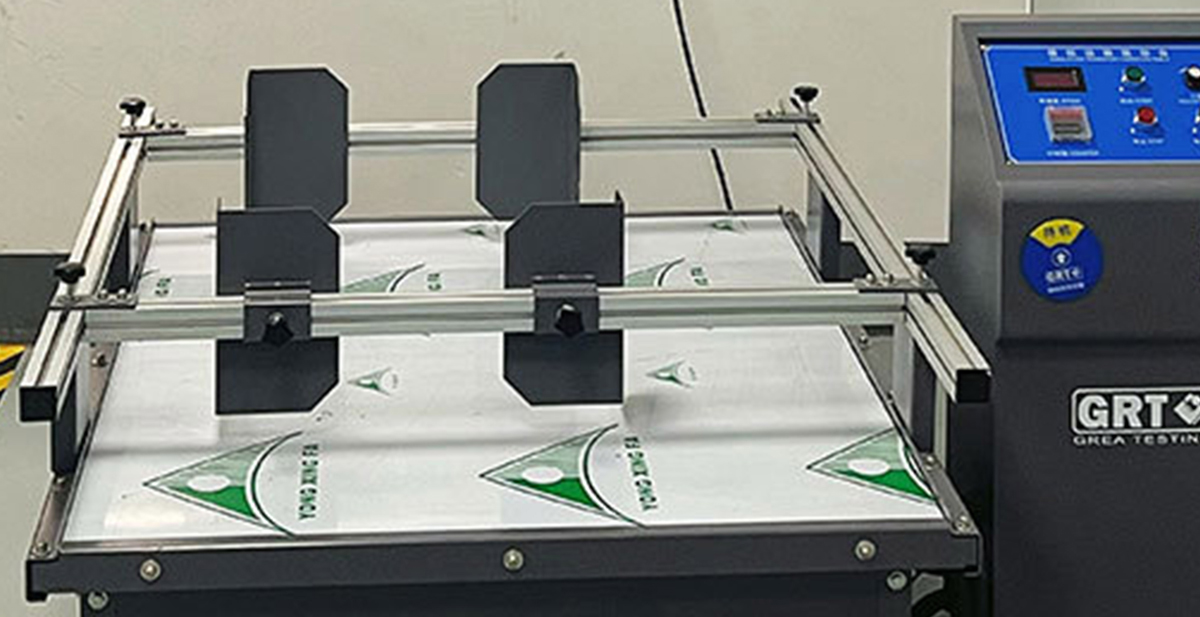
API 6D, API 607, CE, ISO9001, ISO14001, ISO18001, TS. (If you need our certificates, please contact our team for full verification documentation.)
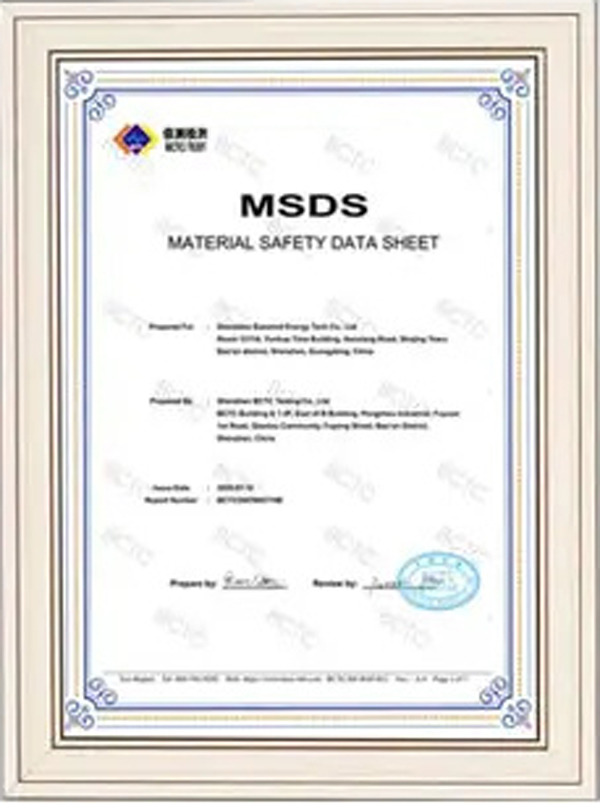
MSDS
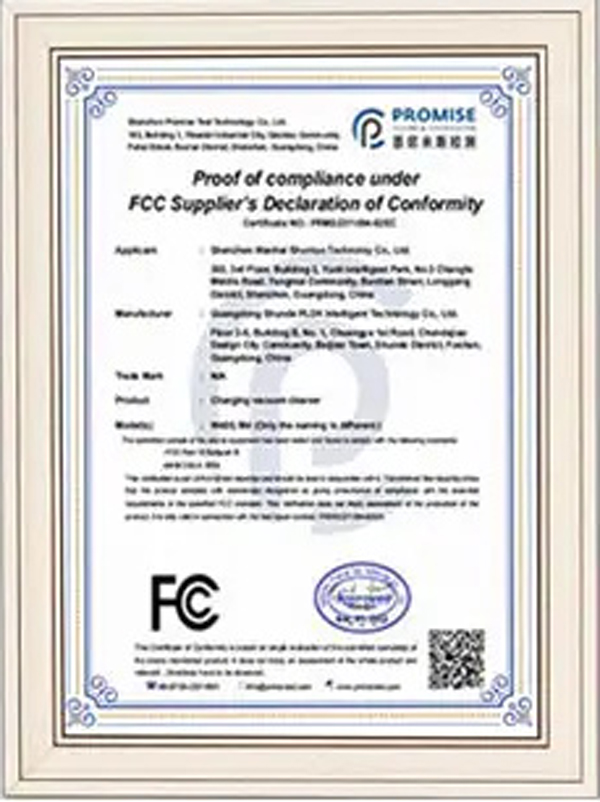
FCC
ISO9001
PSE
UN 38.3
DGM
CE
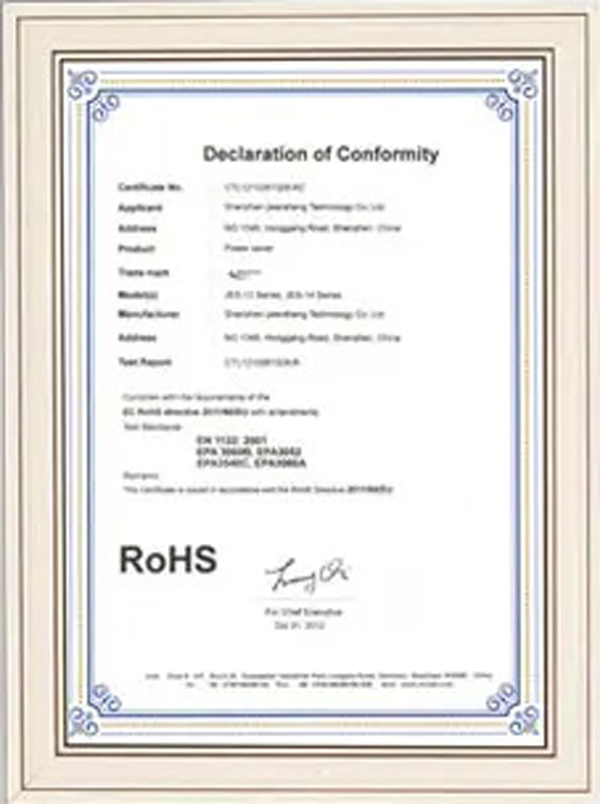
RoHS
Everything procurement managers and hardware design engineers need to know about migrating commercial mobile printers to LiFePO4 battery platforms.
Yes. While a single LFP cell operates at 3.2V nominal versus 3.6V/3.7V of NMC, our custom step-up and step-down BMS circuitry easily compensates to ensure identical terminal voltages (e.g., 6.4V LFP 2S architecture seamlessly matched to 7.2V–7.4V mobile printer inputs), maintaining full print speed without hardware recalibration.
Thermal printers require steady voltage to uniformly heat their print element arrays. Standard lithium cells drop voltage steeply below 40% state of charge, leading to faint, unscannable barcodes. LFP’s flat 3.2V plateau guarantees full contrast density right up until full discharge.
In high-volume warehouses where mobile barcode printers are charged daily, conventional NMC batteries degrade noticeably within 12–18 months. LFP cells retain over 80% capacity after 3,000 full cycles, translating into 5 to 7 years of trouble-free operational life.
All Hicellus commercial battery packs are certified under UN 38.3, MSDS, and DGM air and sea freight standards. We supply full documentation to expedite global logistics and eliminate customs delays for international OEM and ODM clients.