Leave Your Message
As digital transformation accelerates across industries, IT infrastructure has evolved from centralized server rooms to complex, distributed networks. Modern enterprise setups rely heavily on edge computing nodes, mobile point-of-sale (POS) systems, handheld data terminals, and robust backup power systems. Historically, these systems utilized traditional Lead-Acid or standard Lithium-ion chemistries (such as Nickel Manganese Cobalt - NMC). However, the demands of the modern enterprise have shifted the focus toward safety, longevity, and overall environmental compliance. This is where the LFP (Lithium Iron Phosphate / LiFePO4) battery has emerged as the definitive standard for IT equipment repair and battery replacement.
SEO Insight: Enterprise IT hardware lifecycles are directly tied to energy reliability. Upgrading to LFP during routine battery replacement cycles cuts maintenance overheads by up to 60% over a five-year period, owing to LFP's superior thermal threshold and cycle longevity.
LFP chemistry offers inherent structural stability. The covalent bond between phosphorus and oxygen in the PO4 tetrahedral structure is significantly stronger than the metal-oxide bonds in other lithium chemistries. This structural integrity prevents oxygen release at high temperatures, effectively eliminating the risk of thermal runaway—the primary cause of battery fires in data centers and portable IT terminals. For IT equipment repair centers and service technicians, substituting standard cells with LFP equivalents during battery replacement protocols ensures that repaired devices conform to the highest safety parameters, reducing liability and hardware recall risks.
In logistics hubs, retail outlets, and field service operations, handheld terminals (such as those from Pax, Sunmi, Nexgo, and Newland) run continuously throughout multi-shift workdays. These devices are constantly docked, undocked, dropped, and subjected to varying temperatures. Conventional lithium batteries often suffer from swelling (gas generation) under continuous trickle charging. LFP replacement batteries withstand continuous float charging cycles without capacity degradation or physical swelling. This makes them ideal for systems like the Sunmi P2 PRO or NewLand N910, where downtime directly impacts transaction capabilities.
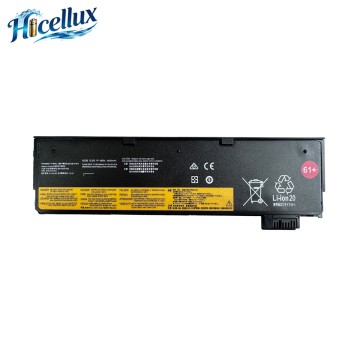
Laptops used in industrial settings, medical carts, and corporate offices demand batteries that can handle rapid charge cycles and maintain a high state of health (SoH) over several years. Replacing degraded laptop batteries with premium LFP cells ensures flat discharge curves. Technicians repairing Lenovo or LG laptop hardware favor LFP due to its stable voltage delivery, ensuring that delicate internal chipsets receive consistent power without micro-fluctuations.
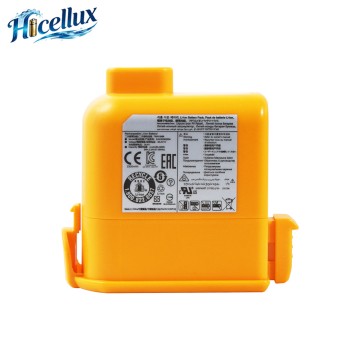
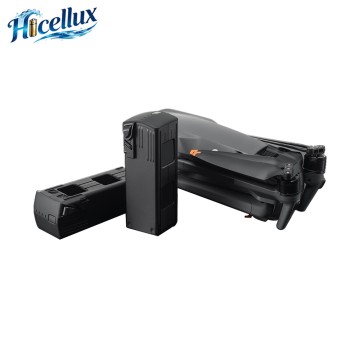
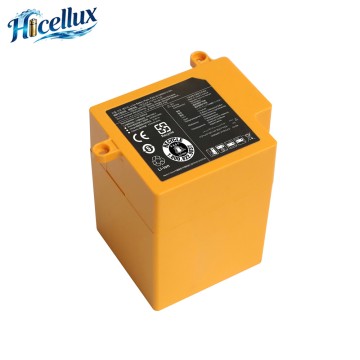
Modern IT facilities use automated systems for physical security, inventory tracking, and warehouse management. Devices like commercial vacuum robots (e.g., LG CordZero R9) and inspection drones (e.g., DJI Mavic 3) rely on high-drain, high-capacity energy systems. Utilizing LFP chemistry in these replacement batteries supports high-current discharges during heavy compute operations (such as onboard AI processing and real-time mapping) while retaining battery health across thousands of operational cycles.
We provide one-on-one customized services and cost-effective solutions for our clients. Compared to our competitors, we offer faster shipping times and more flexible delivery options. Our company is committed to helping customers improve efficiency and increase profits.



How our core values shape the development of high-quality LFP battery solutions for global IT repair networks.
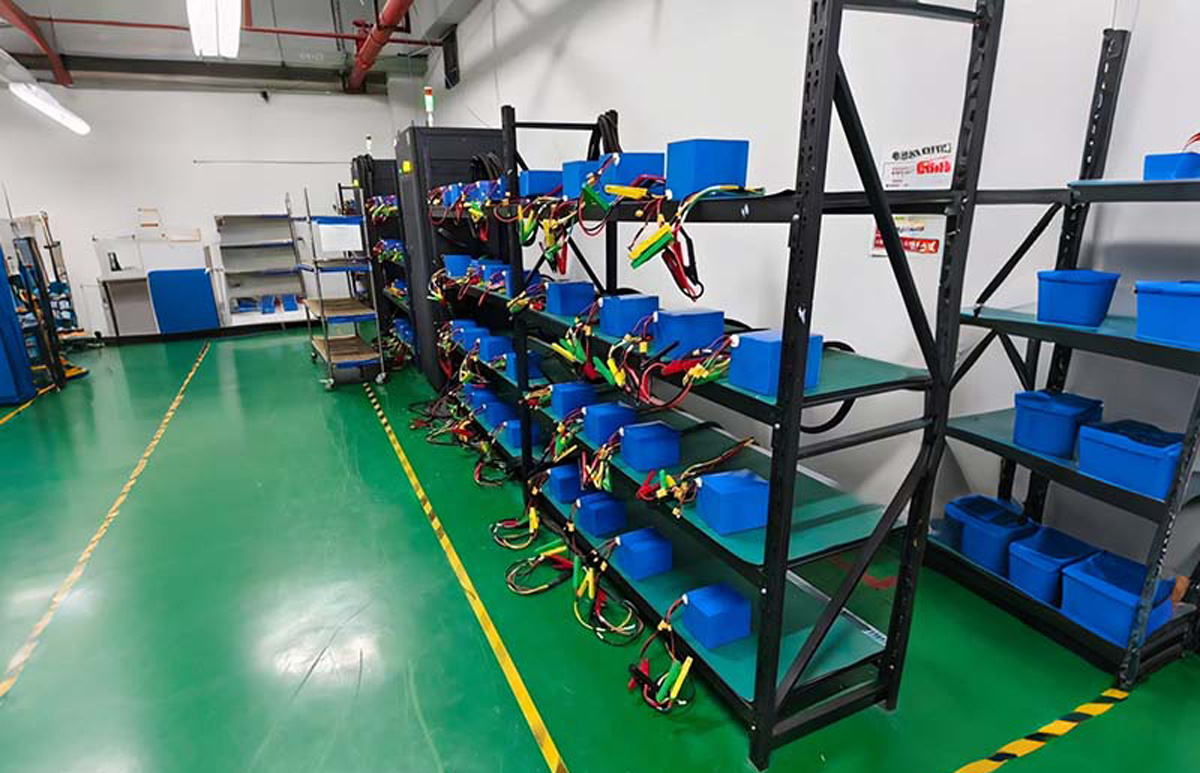
Inside our state-of-the-art production facility where precision engineering meets high-volume LFP output.
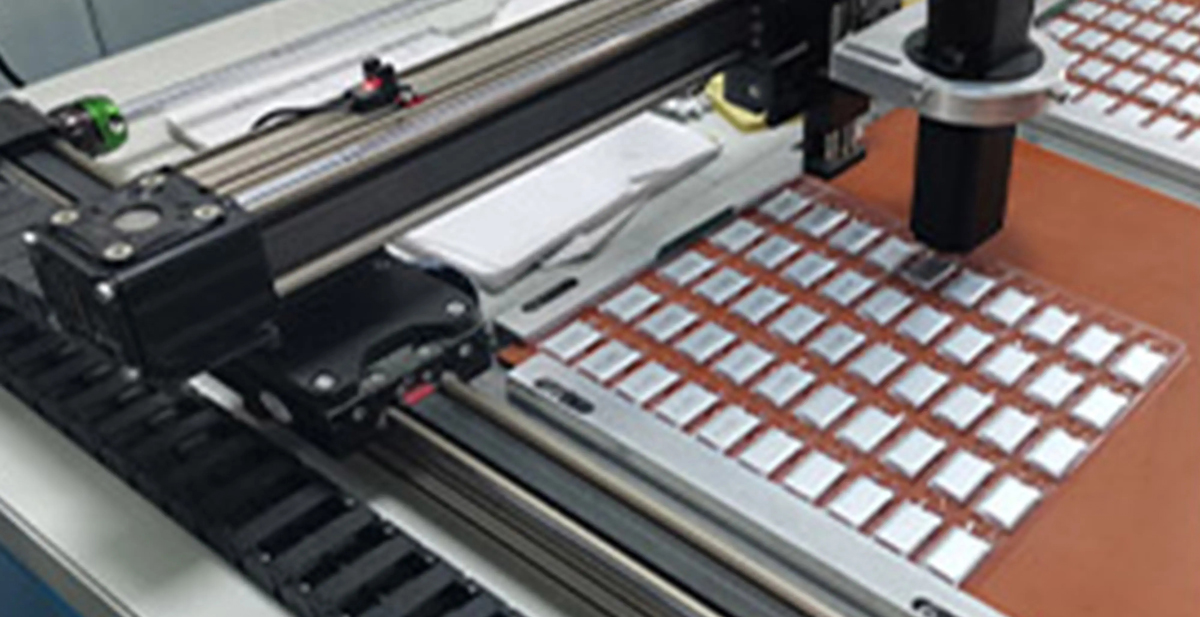
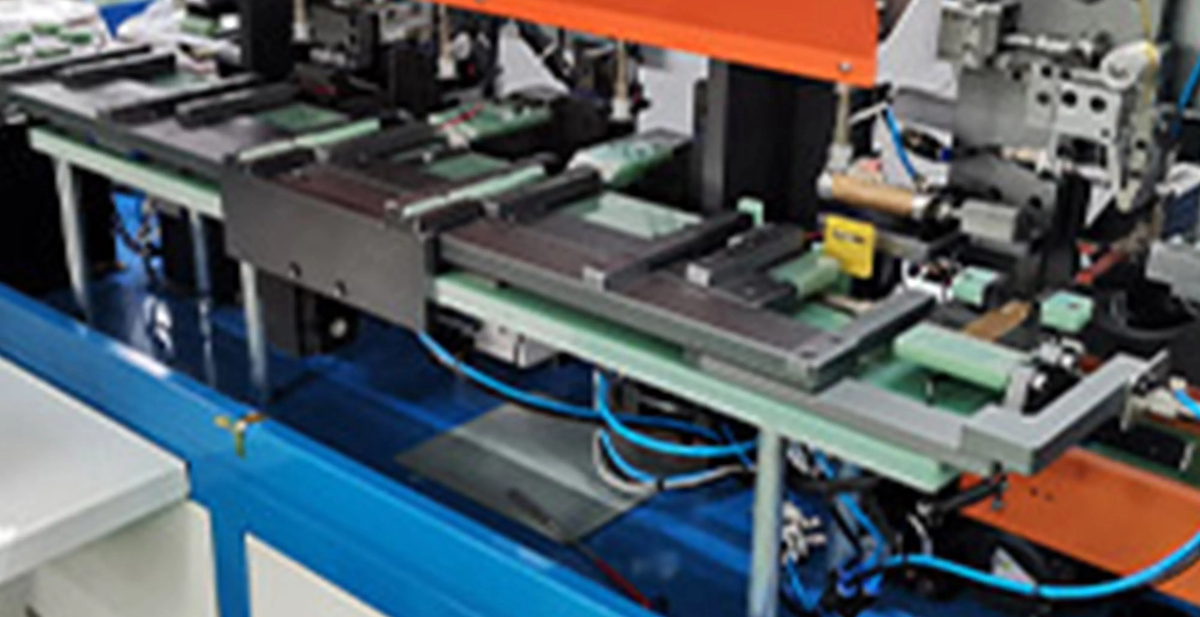
As a professional battery manufacturer, our factory has upgraded a fully automated production line tailored to battery manufacturing, covering the entire process from material input to finished product delivery.
We’re equipped with industry-leading intelligent equipment: automatic cell sorting machines, robotic spot-welding systems, and PCB precision processing workshops—these cut manual intervention by 80% while boosting production efficiency by 60%.
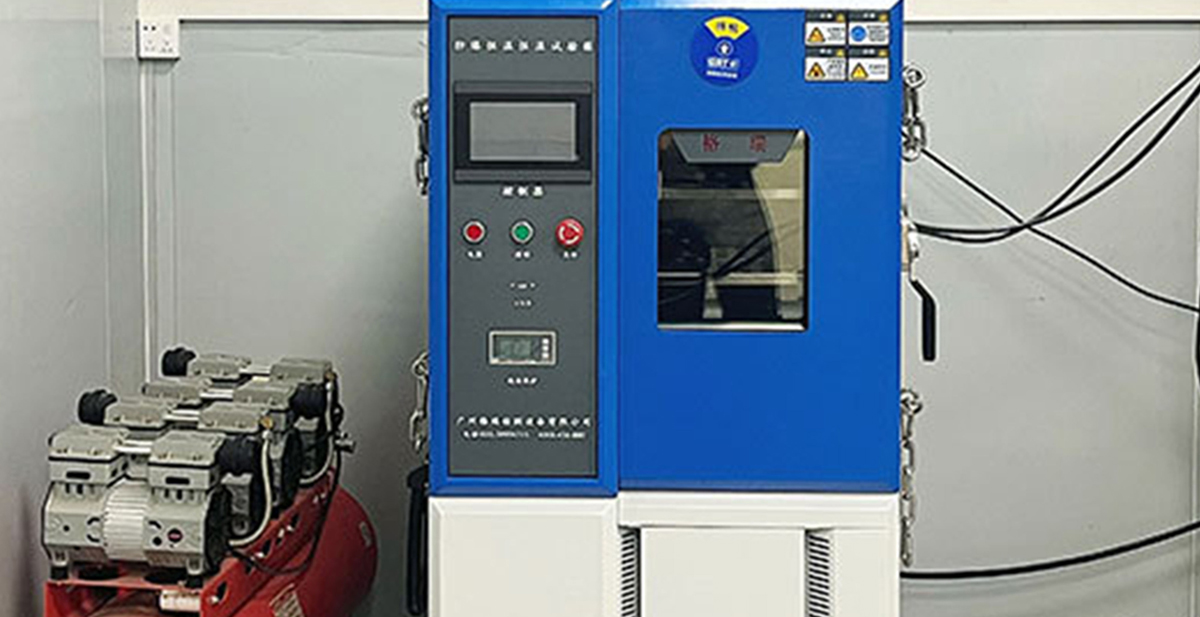
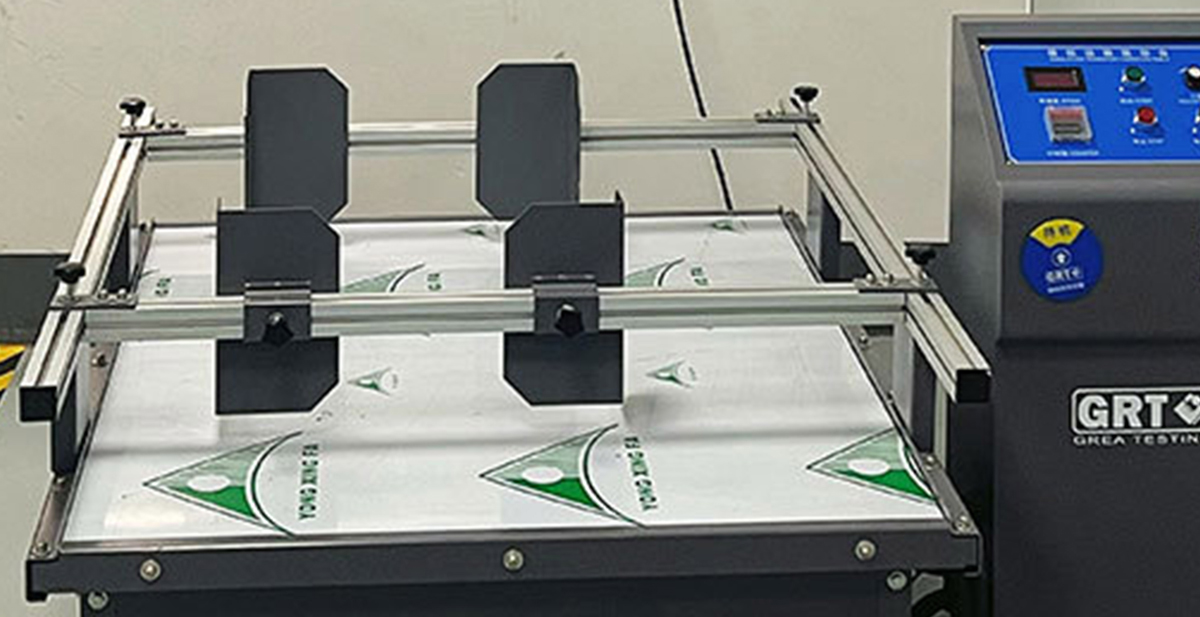
Our 70+ professional team (including automation engineers, quality inspectors, and logistics specialists) monitors every link: from incoming material verification, real-time tracking of cell sorting accuracy, to 100% coverage of aging tests and finished product performance detection.
Driving energy innovation through engineering expertise, structured manufacturing, and global partnership management.
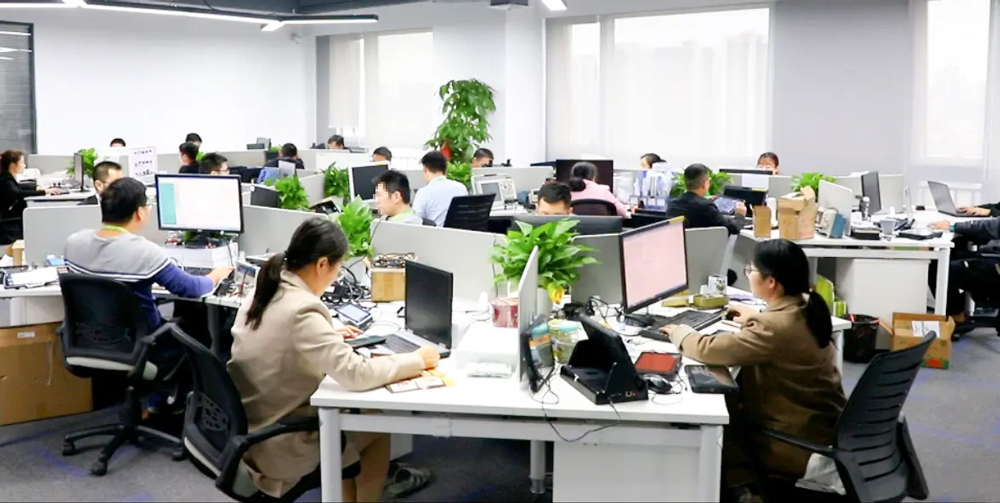
Our team is a professional and experienced group that has been deeply involved in the battery industry for over a decade. We have accumulated profound industry knowledge and are always committed to technological innovation and quality improvement. We have built a strong and integrated capability covering R&D, production, marketing and after-sales service, making us a reliable partner in the battery field.
In terms of R&D and production, we have a team of senior engineers and technical experts with rich experience in battery technology research and product development. Equipped with advanced production equipment and strict quality control systems, we can independently complete the whole process from product design, technology research to mass production, ensuring stable product quality and high performance that meet market demands.
In marketing and after-sales service, we have a professional team with keen market insight and efficient execution. We have established a comprehensive marketing network to accurately grasp market trends and provide customized solutions for customers. Meanwhile, our after-sales team responds quickly to customer needs, providing timely technical support and service guarantee, winning wide recognition and trust from customers. With our all-round strength, we are committed to promoting the development of the battery industry and creating greater value for our partners.
When selecting parts for IT repair and battery replacement, cost is always a critical factor. While LFP batteries may carry a slightly higher upfront cost compared to standard Lithium Cobalt Oxide (LCO) or Lithium Manganese Oxide (LMO) batteries, their long-term economic value is unmatched. Let's analyze the cost metrics:
Global regulations are increasingly targeting hazardous waste in electronics. Lead-acid batteries contain toxic lead, while NMC batteries rely on cobalt, which presents significant environmental and ethical extraction challenges. LFP batteries contain no cobalt or heavy metals, making them a cleaner choice. By choosing LFP for IT equipment repair and battery replacement, enterprises align with modern ESG (Environmental, Social, and Governance) targets and simplify compliance with regional e-waste initiatives.
Technical Note: When substituting batteries in legacy IT equipment, matching the original charging voltage is crucial. LFP cells have a nominal voltage of 3.2V compared to the 3.6V/3.7V of standard Li-ion cells. Our custom BMS solutions adjust for these voltage profiles, ensuring seamless compatibility and drop-in replacement functionality.
A high-quality replacement battery is only as good as its Battery Management System (BMS). Every LFP battery we design features an integrated, intelligent BMS. This system monitors cell voltage, balances charge across cells, and protects against overcharging, over-discharging, short circuits, and thermal limits. For IT repair technicians, a robust BMS ensures that the replacement battery integrates smoothly with the host device's power management firmware, preventing error codes and ensuring accurate battery life reporting.
Fully certified to meet global safety, transport, and environmental standards, ensuring smooth customs clearance and safe operation.
API 6D, API 607, CE, ISO9001, ISO14001, ISO18001, TS. (If you need our certificates, please contact us)
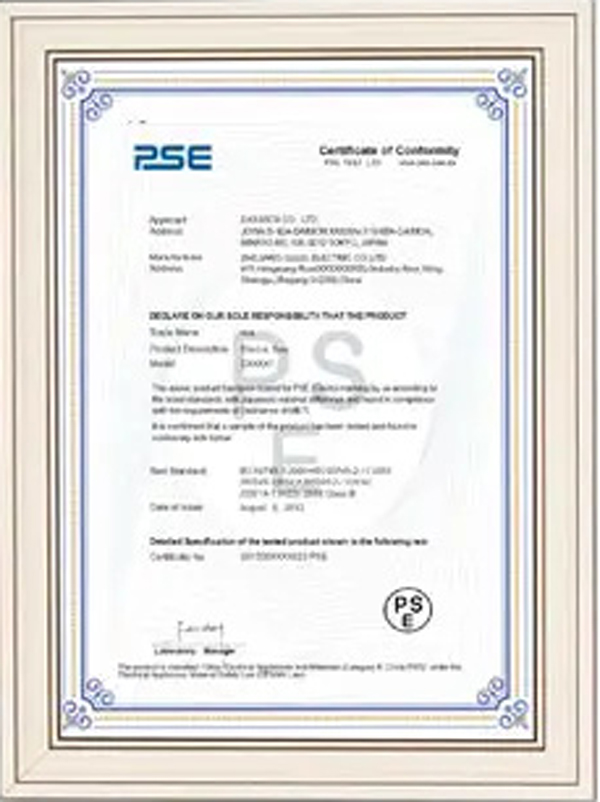
PSE
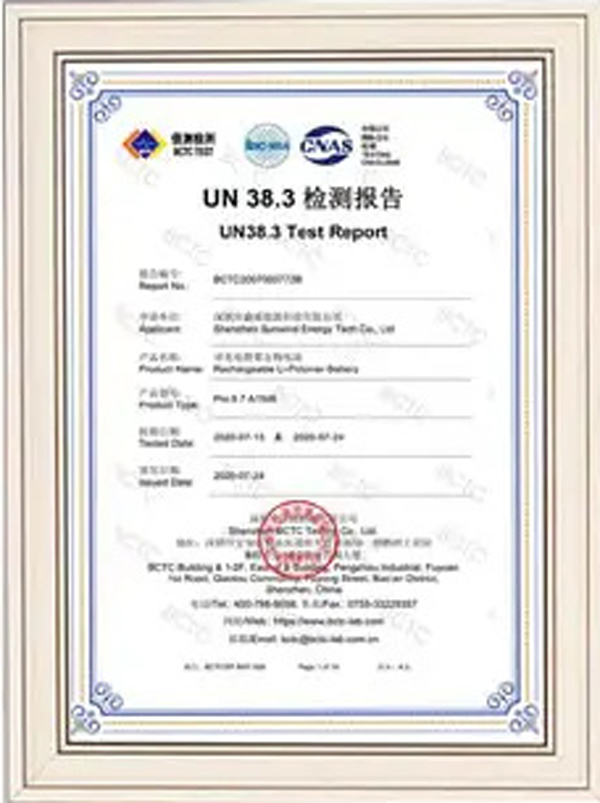
UN 38.3
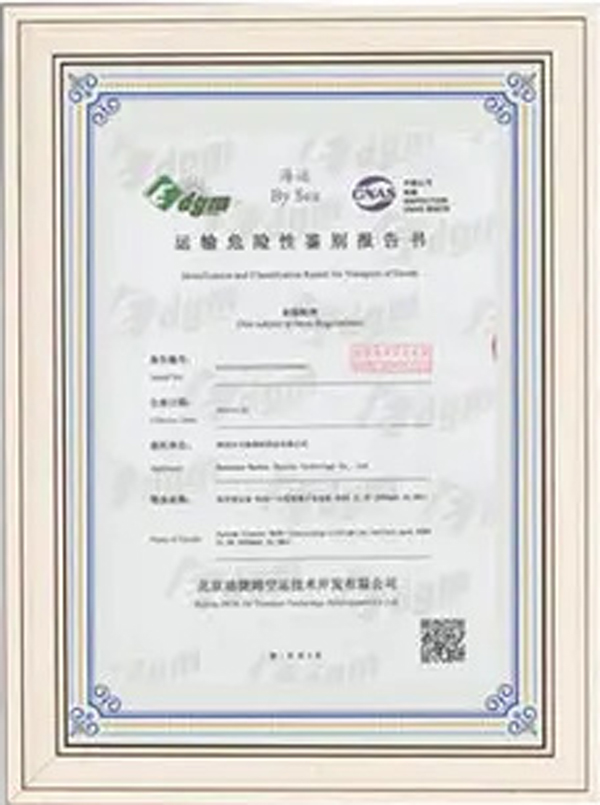
DGM
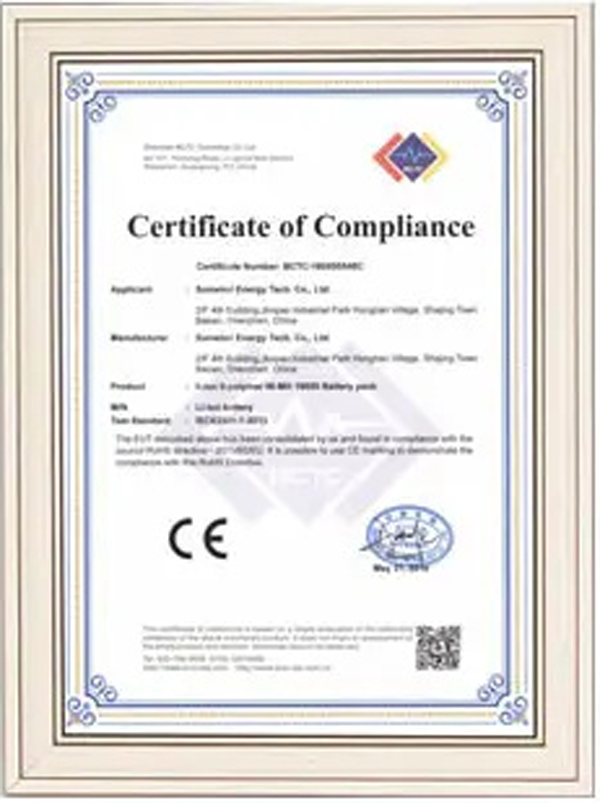
CE
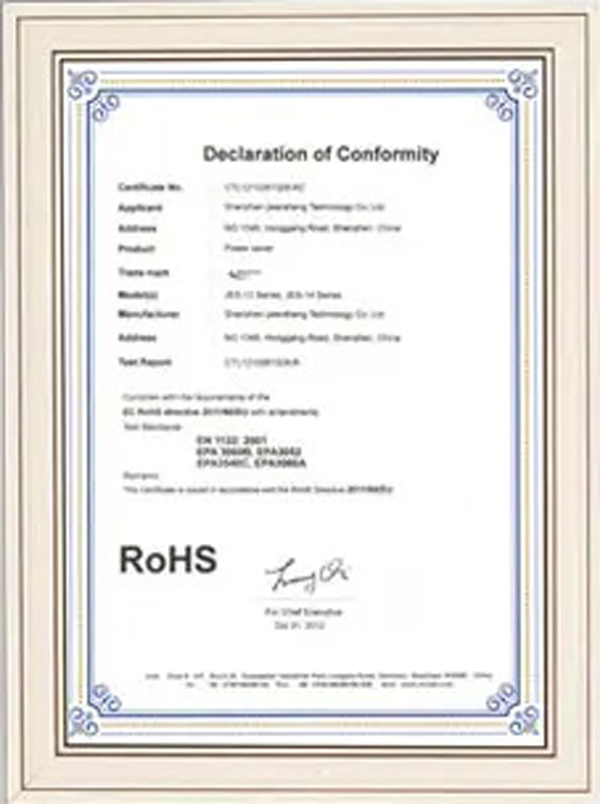
RoHS
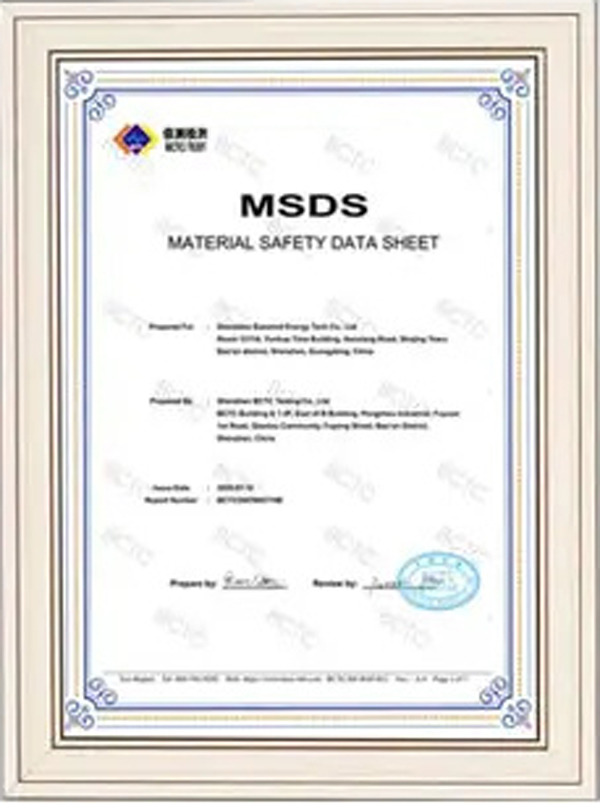
MSDS
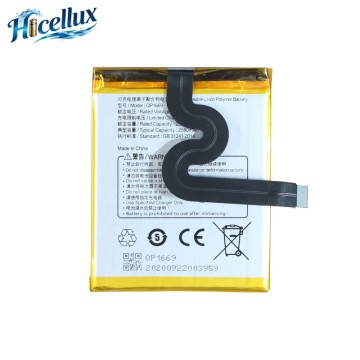
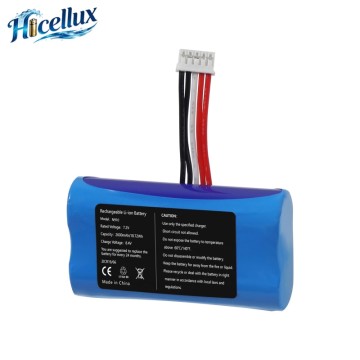
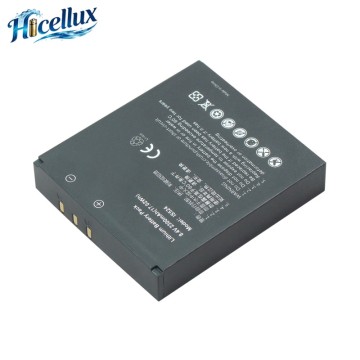
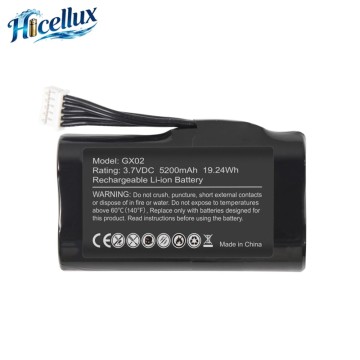
Browse our full range of high-performance replacement batteries designed for laptops, POS terminals, drones, and industrial cleaning systems.