Leave Your Message
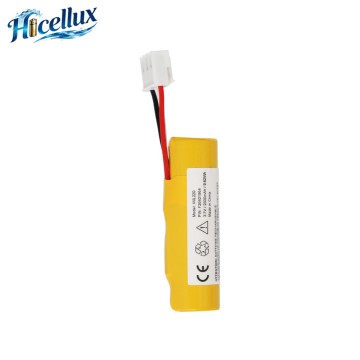
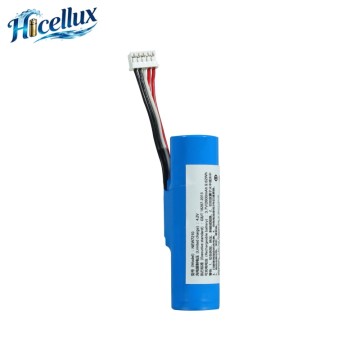
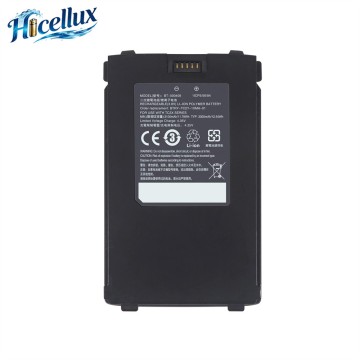
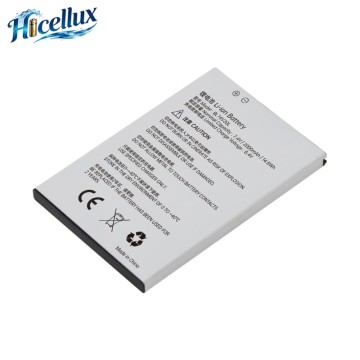
The energy landscape in the United States is undergoing a monumental shift, and at the heart of this transition is Lithium Iron Phosphate (LFP) battery technology. Unlike traditional Nickel Manganese Cobalt (NMC) chemistries, LFP (LiFePO4) offers unparalleled thermal stability, superior safety, non-toxicity, and an exceptionally long cycle life. These characteristics have positioned LFP as the preferred choice for industrial energy storage, smart grids, electric fleets, and backup power infrastructure across America.
From California's massive utility-scale grid batteries to microgrids in Texas and commercial warehousing facilities in the Midwest, LFP batteries are driving operational resilience. The demand is further accelerated by the Inflation Reduction Act (IRA), which incentivizes domestic production, local sourcing, and the rapid deployment of clean energy technologies. As a leading global LFP lithium ion battery supplier, we bridge the gap between cutting-edge automated manufacturing and the rigorous, high-standard requirements of the United States commercial and industrial sectors.
The industrial sector in the United States is rapidly modernizing. Major logistics hubs, manufacturing plants, and data centers are phasing out legacy lead-acid batteries and adopting LFP solutions. The reasons are clear:



Understanding the local requirements of US businesses is key to delivering high-performance battery packs. We customize our LFP battery solutions to fit specific, demanding use cases in key American industries:
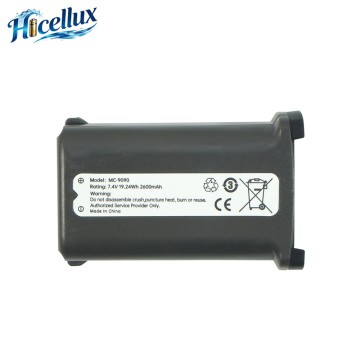
In the fast-paced US logistics network, tracking and transaction devices cannot afford downtime. Our customized LFP replacement batteries power critical handheld terminal systems, payment POS systems (such as Ingenico and NEWPOS), and mobile computers (like Zebra) used daily by shipping giants and retailers across the country. LFP technology ensures these devices maintain consistent voltage throughout the work shift, even under heavy usage.
With states like California, Texas, and New York targeting 100% clean energy, battery energy storage systems (BESS) are essential. LFP cells are the baseline technology for residential solar backup (ESS) and large-scale utility grid stabilization, offering safe energy containment without the risk of thermal runaway associated with other lithium chemistries.
American telecommunications networks, including 5G tower rollouts, require dependable backup power systems. LFP batteries offer twice the energy density of lead-acid in a fraction of the footprint, withstanding high-cycle demands in remote locations where maintenance visits are costly.
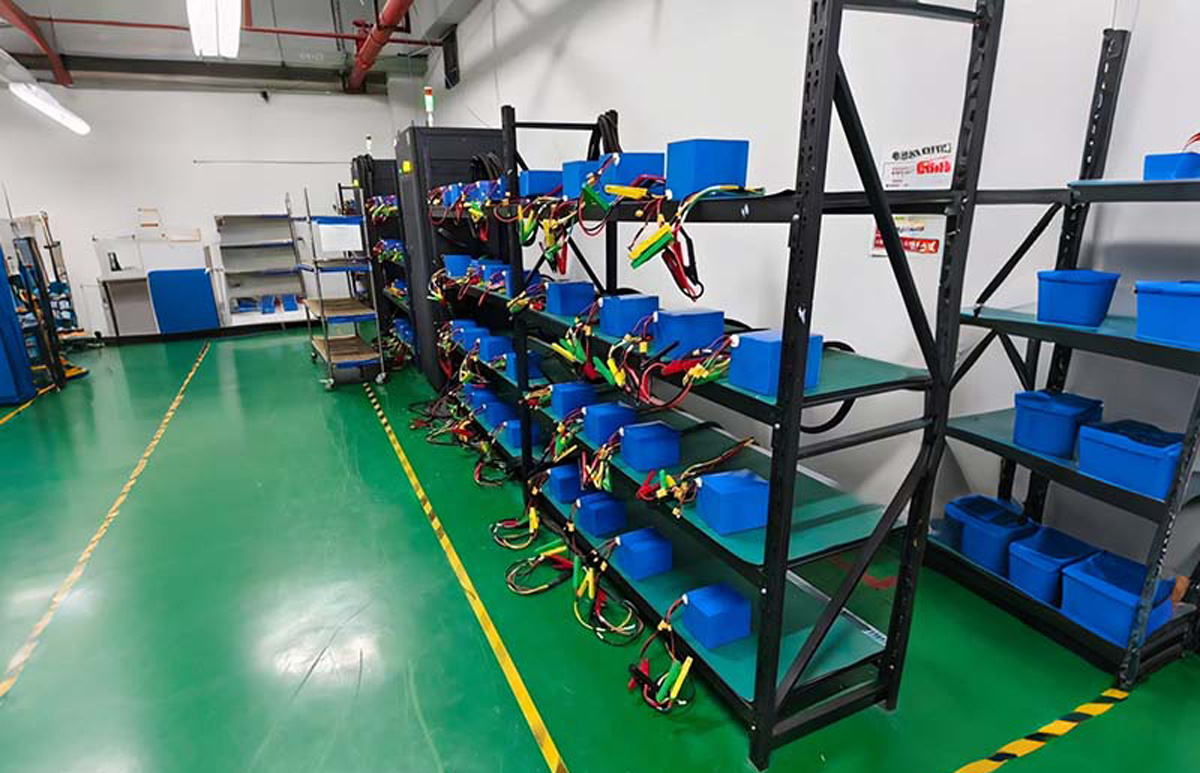
Our team is a professional and experienced group that has been deeply involved in the battery industry for over a decade. We have accumulated profound industry knowledge and are always committed to technological innovation and quality improvement. We have built a strong and integrated capability covering R&D, production, marketing and after-sales service, making us a reliable partner in the battery field.
In terms of R&D and production, we have a team of senior engineers and technical experts with rich experience in battery technology research and product development. Equipped with advanced production equipment and strict quality control systems, we can independently complete the whole process from product design, technology research to mass production, ensuring stable product quality and high performance that meet market demands.
In marketing and after-sales service, we have a professional team with keen market insight and efficient execution. We have established a comprehensive marketing network to accurately grasp market trends and provide customized solutions for customers. Meanwhile, our after-sales team responds quickly to customer needs, providing timely technical support and service guarantee, winning wide recognition and trust from customers. With our all-round strength, we are committed to promoting the development of the battery industry and creating greater value for our partners.

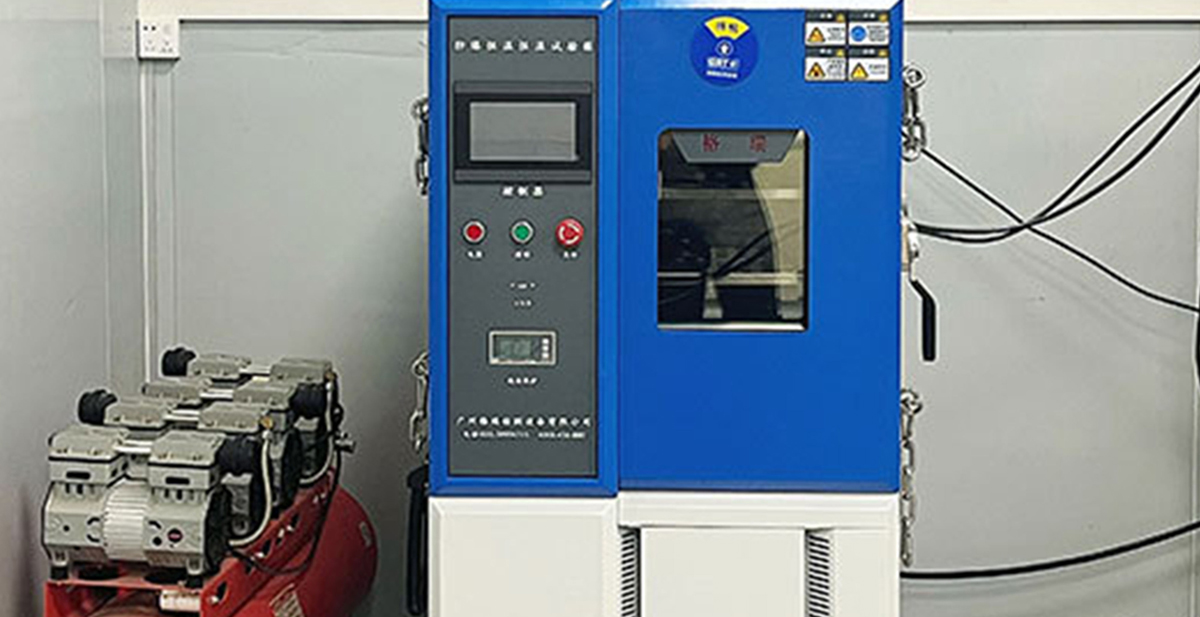
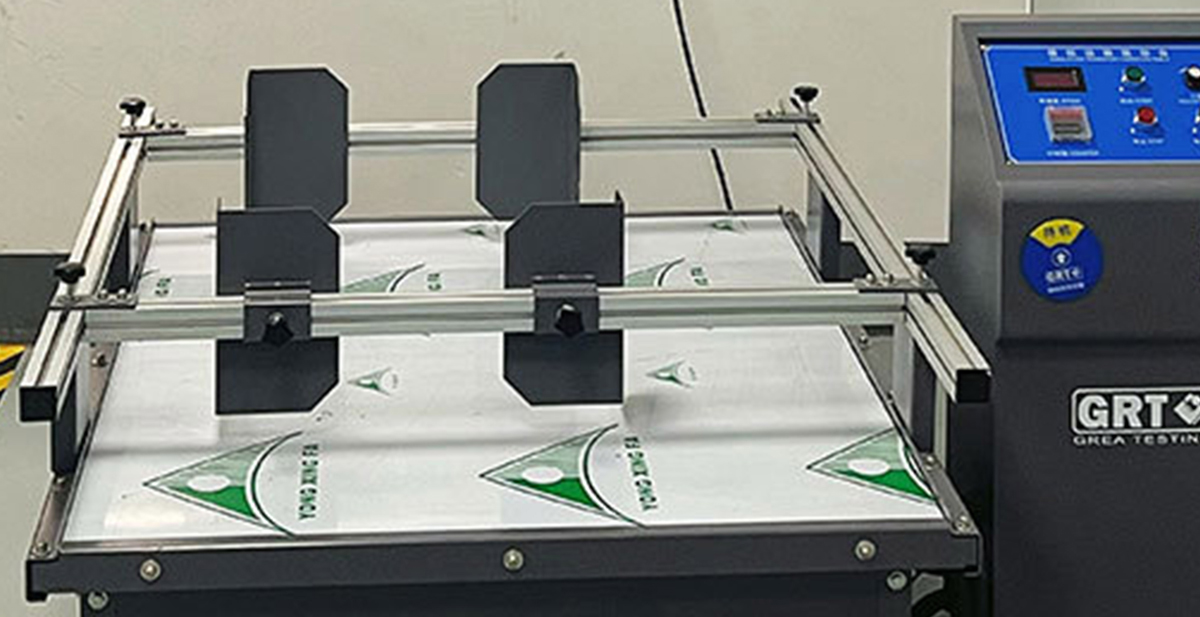
The regulatory and environmental framework in the United States is rapidly evolving to prioritize safety and sustainability. For LFP lithium-ion batteries, adherence to national standards is critical for commercial adoption. Key trends shaping the US market include:
Safety is the primary concern for indoor and outdoor battery installations. Compliance with UL 1973 (for batteries in stationary, vehicle auxiliary power, and light electric rail applications) and UL 9540A (testing thermal runaway fire propagation) is increasingly mandated by local US building codes and fire departments. LFP’s inherent safety profile makes achieving these certifications much more straightforward compared to cobalt-based batteries.
The Inflation Reduction Act has spurred a massive wave of factory construction and supply chain localization across the US "Battery Belt" (extending from Michigan down through the Southeast). As US-based factories ramp up, partnering with experienced international suppliers who can provide high-quality cells, BMS components, and engineering expertise is crucial for meeting localized US demand.
As extreme weather events put pressure on the US electrical grid, businesses are turning to decentralized microgrids. LFP batteries integrated with solar PV installations allow American commercial facilities to participate in peak-shaving programs, reducing utility costs while ensuring continuous power during blackouts.
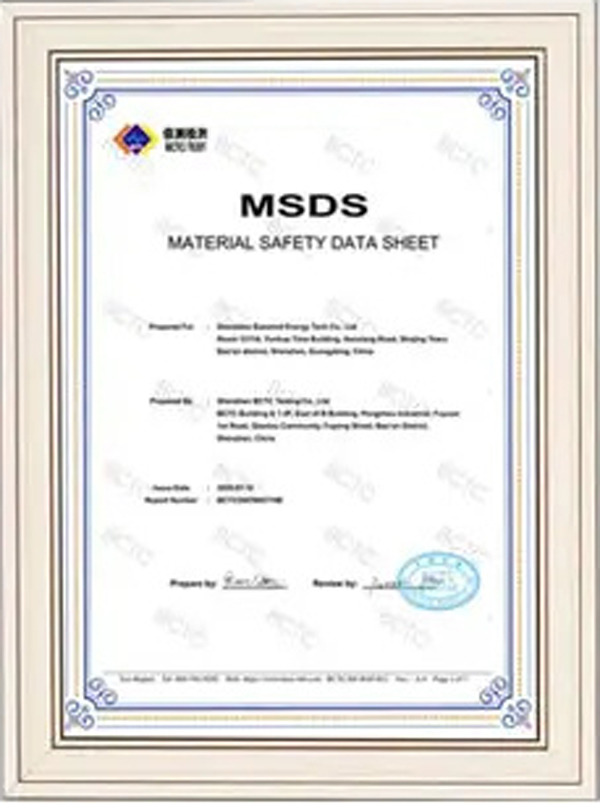
MSDS
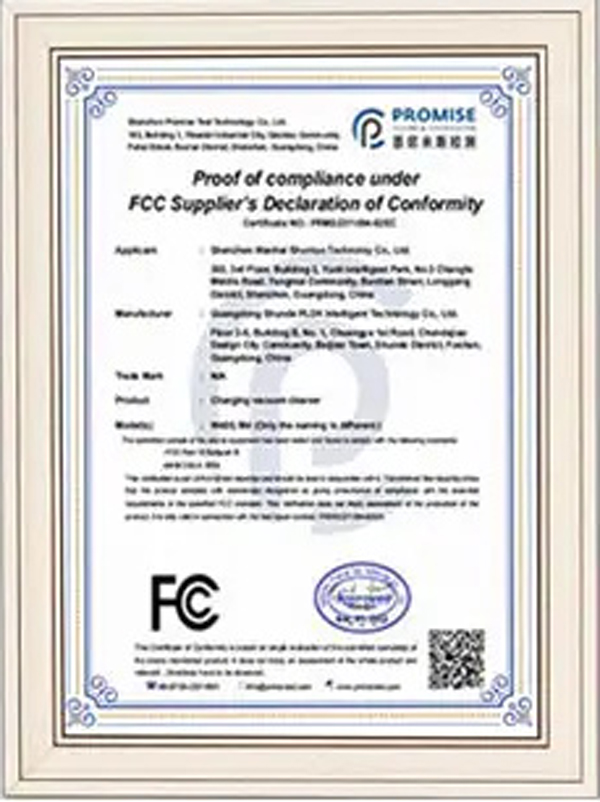
FCC

ISO9001

PSE

UN 38.3
DGM
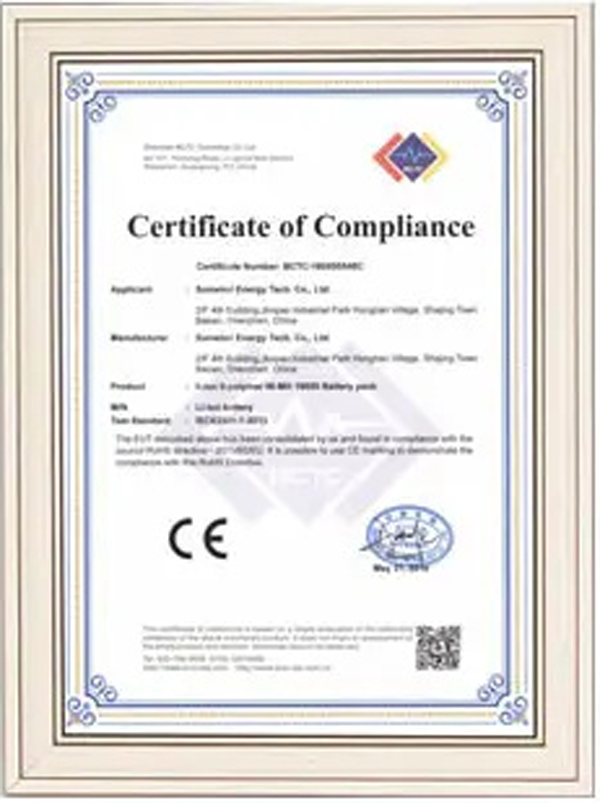
CE

RoHS