Leave Your Message
In today's hyper-connected global commerce landscape, enterprise fleets of mobile IT devices serve as the nervous system of modern logistics, warehousing, retail, and field service operations. Whether it is a rugged handheld scanner processing inventory in a massive distribution center, a mobile Point-of-Sale (mPOS) terminal facilitating curb-side checkout, or a commercial drone mapping out an agricultural site, constant runtime is not just a preference—it is a critical operational KPI. At the core of these mission-critical devices lies the energy storage technology, where Lithium Cobalt Oxide (LiCoO2, commonly abbreviated as LCO) batteries continue to reign supreme.
Enterprise mobile IT fleets operate under demanding conditions characterized by continuous multi-shift usage, constant data transmissions, barcode scanning, and thermal fluctuations. Unlike consumer electronics that are designed for intermittent daily use, enterprise hardware requires a high-performance power supply that delivers maximum energy in the smallest possible physical volume. This volumetric energy density is the primary reason why Lithium Cobalt Battery technology remains the standard. It enables device designers to maintain slim, ergonomic form factors without sacrificing the long battery life necessary to sustain a full 8-to-12-hour shift.
The commercial market for enterprise mobile IT devices has witnessed exponential growth. E-commerce expansion has forced logistics firms to adopt complex warehouse management systems (WMS) running on rugged mobile computers. Simultaneously, the retail sector has shifted toward decentralized checkouts using handheld mPOS systems. This massive hardware footprint has created a substantial secondary demand for highly reliable, long-lasting replacement batteries. For a business operating a fleet of 5,000 devices, a battery failure rate of even 2% can lead to hundreds of lost operational hours, missed delivery windows, and high support ticket volumes.
As a result, enterprise procurement managers are moving away from generic aftermarket battery alternatives. Instead, they are partnering with specialized OEM/ODM battery manufacturers like Hicellus, who can design, certify, and supply grade-A Lithium Cobalt cells that match or exceed original equipment specifications. This industrial shift ensures that the replacement power units possess robust Battery Management Systems (BMS) capable of handling rapid charging protocols, monitoring thermal limits, and preventing over-discharge during prolonged shifts.
Lithium Cobalt Oxide chemistry offers distinct physical and chemical traits that make it uniquely suited for mobile IT devices:
We provide one-on-one customized services and cost-effective solutions for our clients. Compared to our competitors, we offer faster shipping times and more flexible delivery options. Our company is committed to helping customers improve efficiency and increase profits. We welcome your inquiries and look forward to building long-term, mutually beneficial partnerships with clients worldwide.



To understand the necessity of premium Lithium Cobalt Batteries, one must analyze the specific environments where these enterprise fleet mobile IT devices are deployed. These are not pristine office settings; they are high-velocity, demanding industrial fronts.
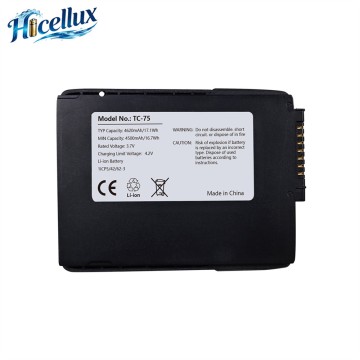
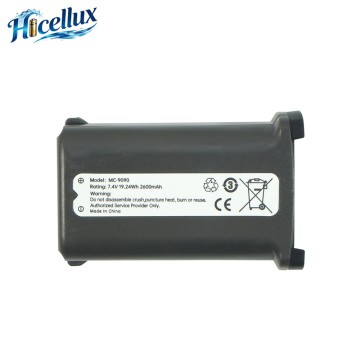
In a modern fulfillment center, order pickers and inventory managers rely heavily on rugged mobile computers like the Zebra TC75, MC9090, or MC9060. These devices are continuously scanning barcodes, querying database servers via Wi-Fi, and processing real-time inventory updates. The integrated battery must withstand thousands of rapid discharge spikes caused by the laser scanner and internal processing units. A high-quality LCO replacement battery ensures that the voltage does not drop below the device’s cutoff threshold under heavy load, preventing sudden shutdowns that disrupt work cycles and lower overall warehouse throughput.
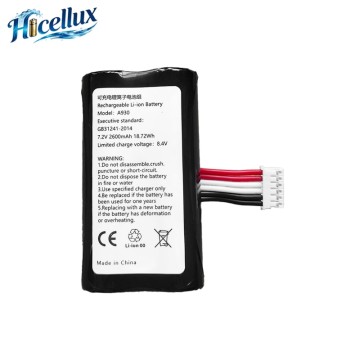
The retail industry has transitioned from fixed checkout counters to mobile terminals like the PAX A910, A920, A930, and Ingenico POS A8. Retail associates use these devices to scan items, process chip-and-pin credit card transactions, and print physical thermal receipts on the spot. Thermal printing and cellular data transmission require immediate bursts of high current. Superior LCO battery packs are designed to deliver these high discharge currents effortlessly. Furthermore, they are equipped with advanced safety circuits to prevent overheating during continuous transactions in busy retail environments.
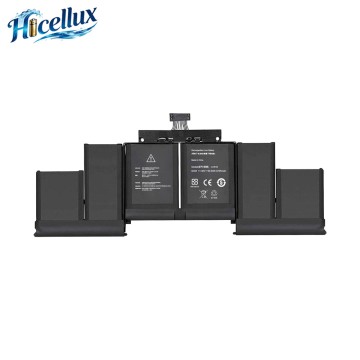
Field technicians, utility workers, and emergency responders carry rugged laptops and tablets to access schematics, upload field data, and run diagnostics. Devices such as enterprise laptops powered by high-capacity replacement batteries (like the Apple A1618 99.5WH battery) require stable energy delivery over long periods. When working in remote locations without access to charging grids, the reliability of the battery pack is paramount. High-capacity LCO cells provide the necessary power to keep these mobile workstations operational throughout extended field shifts.
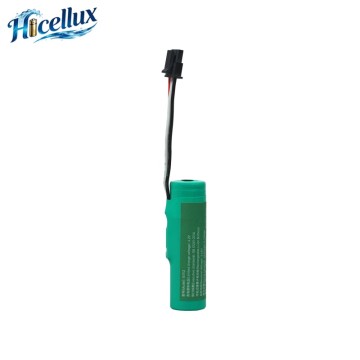
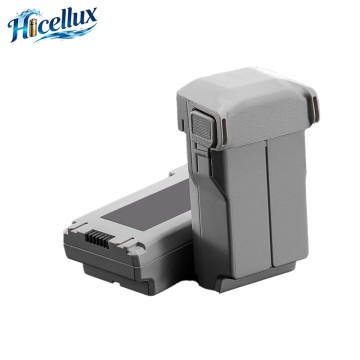
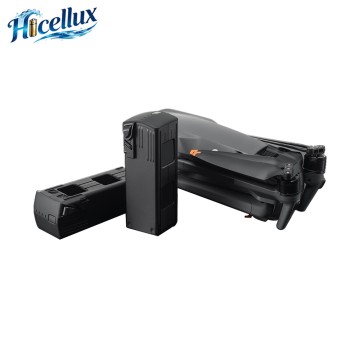
Enterprise fleets are increasingly incorporating aerial IT devices like commercial drones (e.g., DJI Mavic 3 Series and DJI Mini 4 Pro) for infrastructure inspection, agricultural mapping, and security surveillance. These drones demand light, power-dense batteries to maximize flight times and lift capacity. Lithium Cobalt chemistry is highly favored here because it offers an optimal power-to-weight ratio, ensuring the drone can carry its sensor payload and complete its flight mission safely.
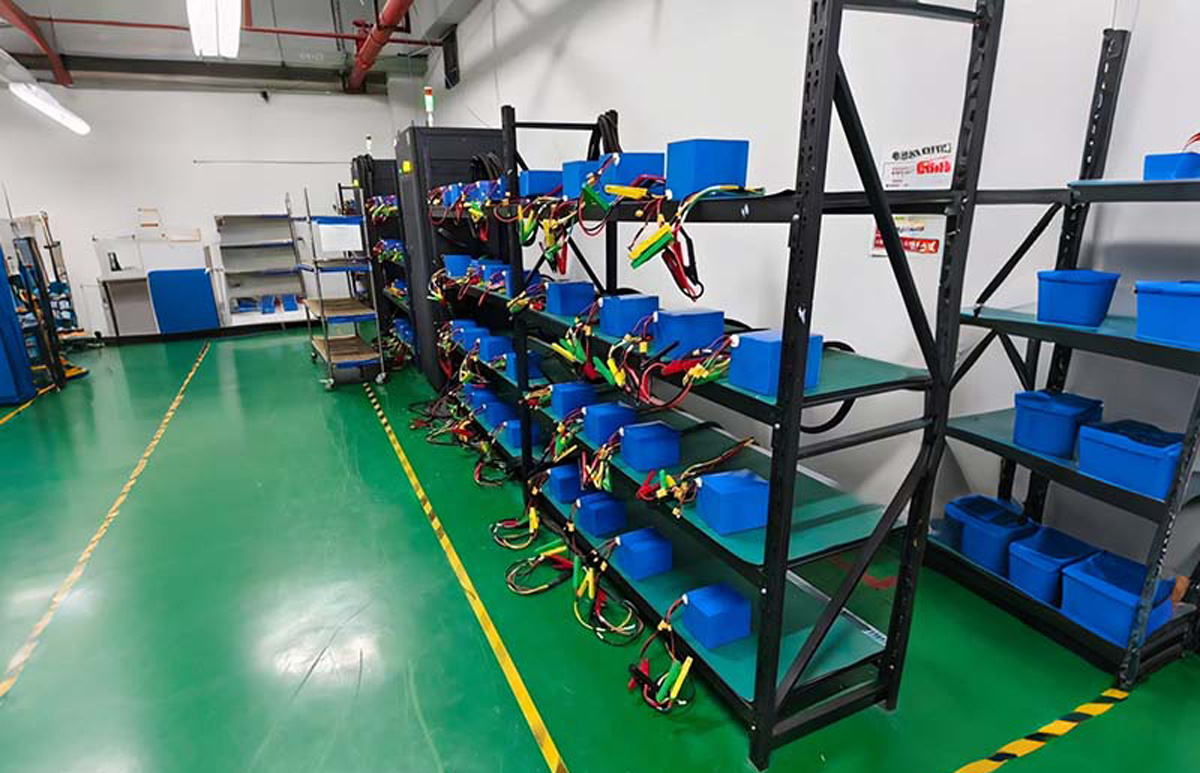
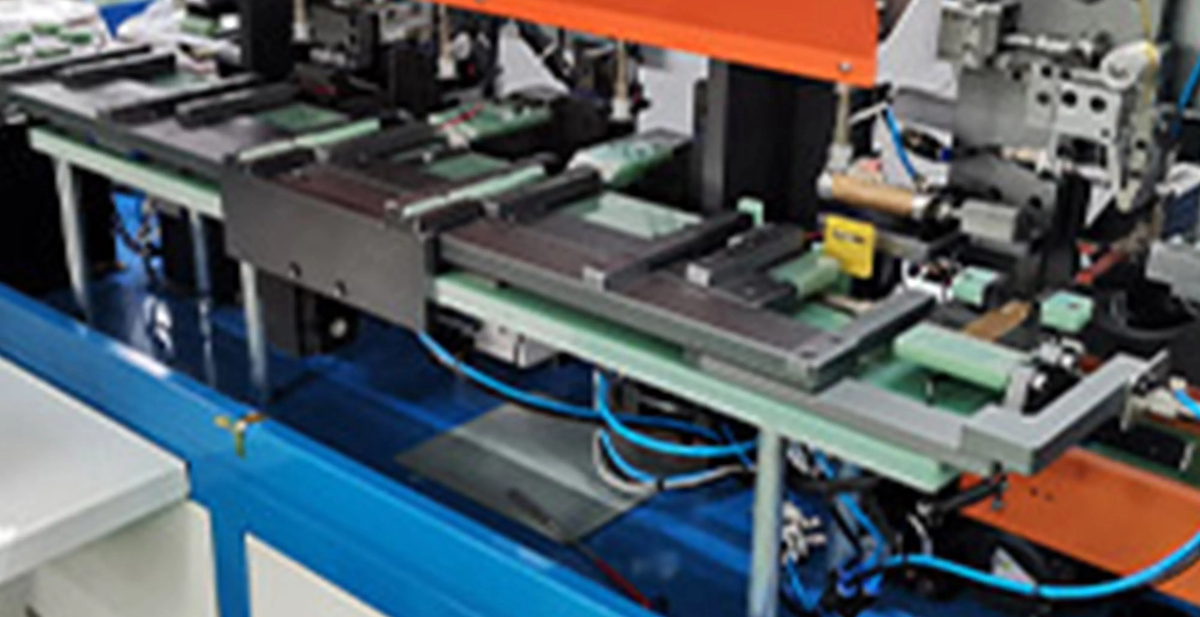
As a professional battery manufacturer, our factory has upgraded a fully automated production line tailored to battery manufacturing, covering the entire process from material input to finished product delivery.
We’re equipped with industry-leading intelligent equipment: automatic cell sorting machines, robotic spot-welding systems, and PCB precision processing workshops—these cut manual intervention by 80% while boosting production efficiency by 60%.
Our 70+ professional team (including automation engineers, quality inspectors, and logistics specialists) monitors every link: from incoming material verification, real-time tracking of cell sorting accuracy, to 100% coverage of aging tests and finished product performance detection.
A decade of expertise driving battery innovation and customer satisfaction.
Our team is a professional and experienced group that has been deeply involved in the battery industry for over a decade. We have accumulated profound industry knowledge and are always committed to technological innovation and quality improvement. We have built a strong and integrated capability covering R&D, production, marketing and after-sales service, making us a reliable partner in the battery field.
In terms of R&D and production, we have a team of senior engineers and technical experts with rich experience in battery technology research and product development. Equipped with advanced production equipment and strict quality control systems, we can independently complete the whole process from product design, technology research to mass production, ensuring stable product quality and high performance that meet market demands.
In marketing and after-sales service, we have a professional team with keen market insight and efficient execution. We have established a comprehensive marketing network to accurately grasp market trends and provide customized solutions for customers. Meanwhile, our after-sales team responds quickly to customer needs, providing timely technical support and service guarantee, winning wide recognition and trust from customers. With our all-round strength, we are committed to promoting the development of the battery industry and creating greater value for our partners.

As enterprise mobile IT fleets grow more complex, battery technology is evolving to meet higher standards of safety, longevity, and intelligence. The future of Lithium Cobalt Batteries lies in the integration of smart technology and enhanced material science.
Modern fleet managers require real-time visibility into the health of their hardware. Next-generation LCO batteries are incorporating microchips that communicate directly with the host device’s operating system. These "smart batteries" report vital telemetrics, including cycle count, internal temperature, remaining runtime, and overall State of Health (SoH). By analyzing this data, enterprise IT teams can predict battery failures before they occur and schedule preventive replacements, avoiding unexpected downtime in the field.
To further push the limits of energy density, battery researchers are incorporating silicon-composite materials into the graphite anodes of LCO batteries. This hybrid design significantly increases the battery's energy capacity without expanding its physical dimensions, paving the way for even longer shifts and more compact enterprise devices.
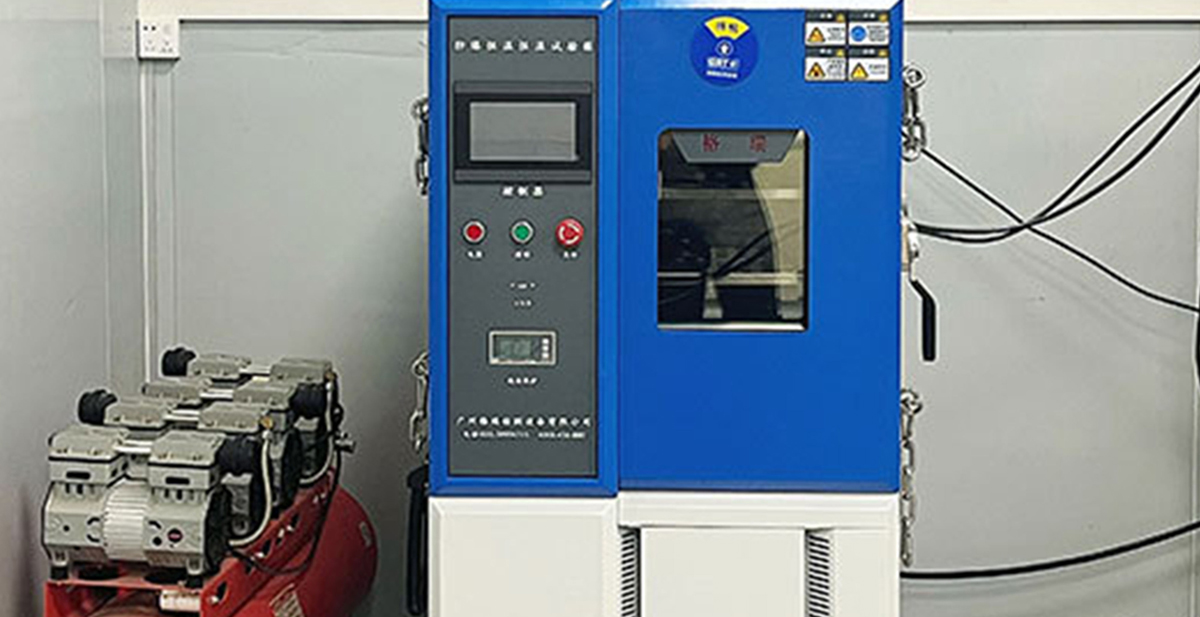
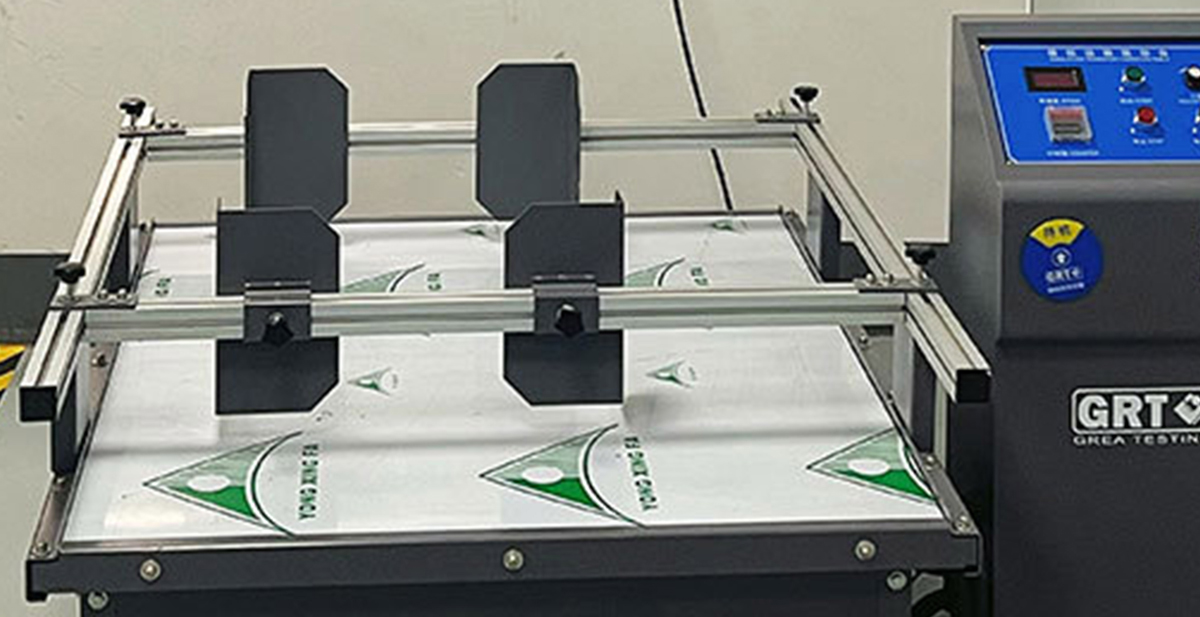
Given the high energy density of Lithium Cobalt chemistry, strict compliance with international safety standards is non-negotiable. Batteries must undergo rigorous testing to receive certifications such as UN38.3 (safe transport), MSDS, CE, FCC, RoHS, and PSE. These certifications guarantee that the battery packs can withstand impacts, thermal shock, and electrical overcharges without risking thermal runaway, ensuring the safety of workers and facilities alike.
API 6D, API 607, CE, ISO9001, ISO14001, ISO18001, TS. (If you need our certificates, please contact us)
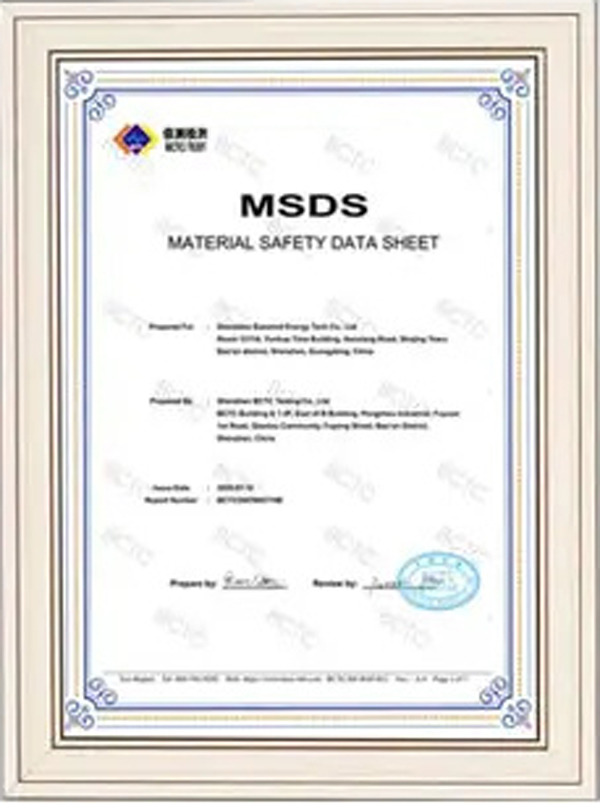
MSDS
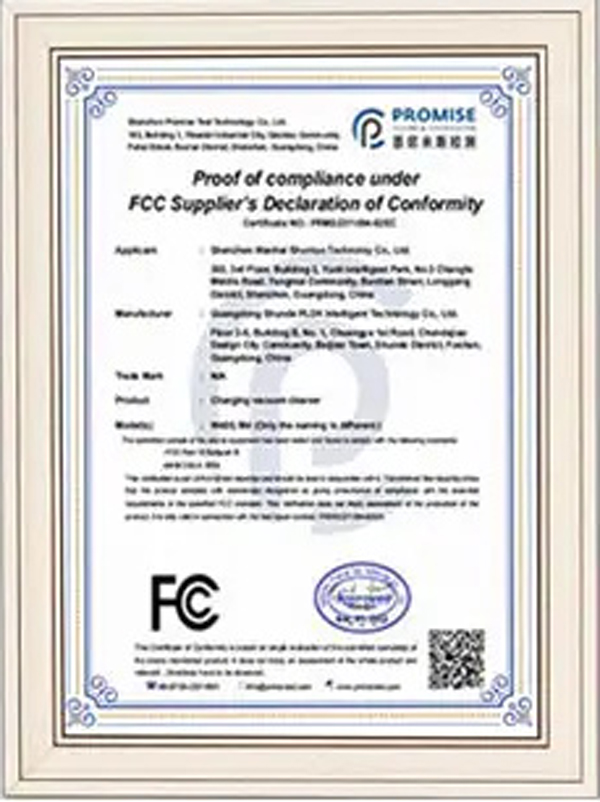
FCC

PSE
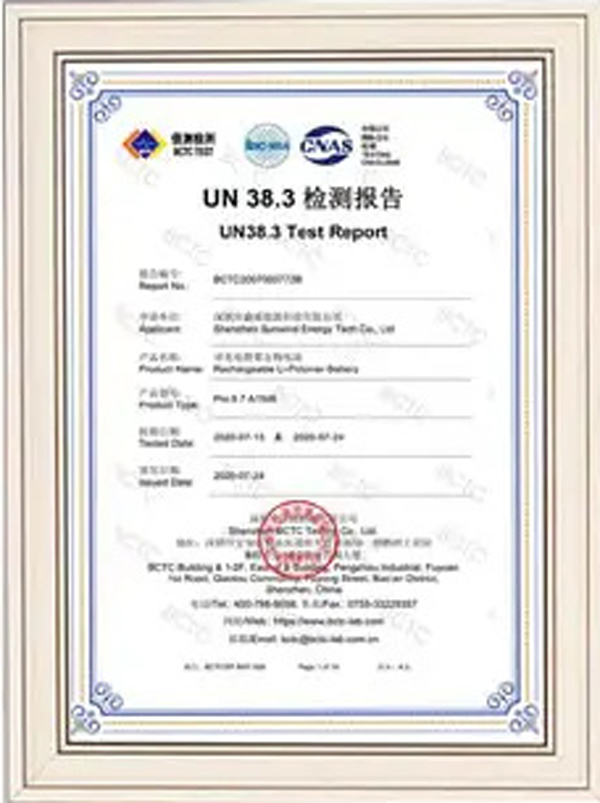
UN 38.3
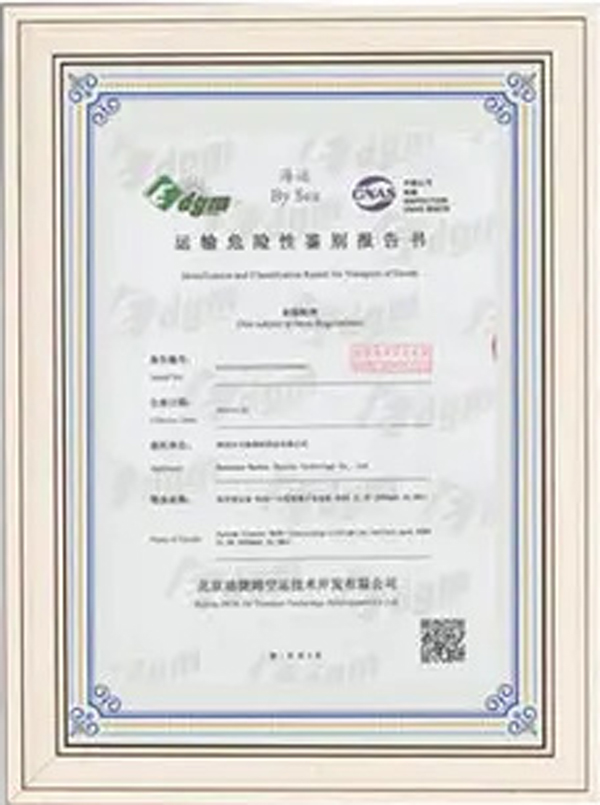
DGM
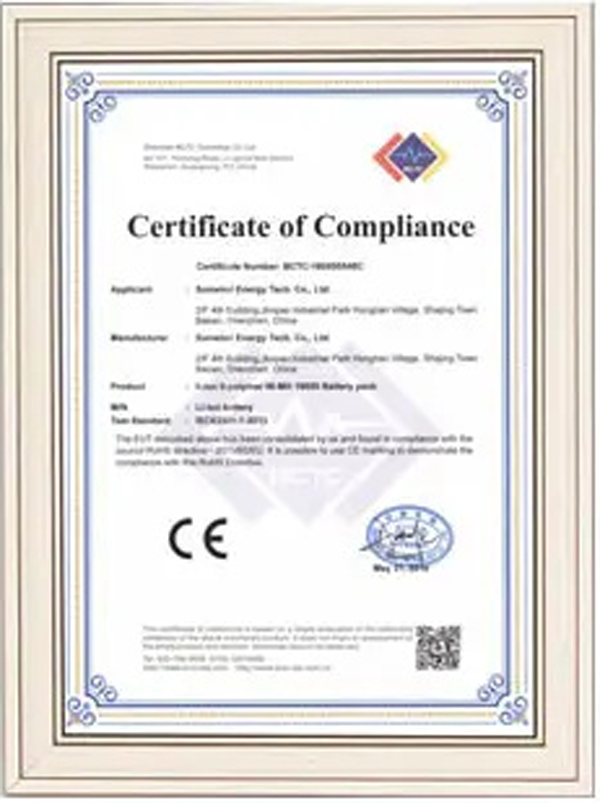
CE
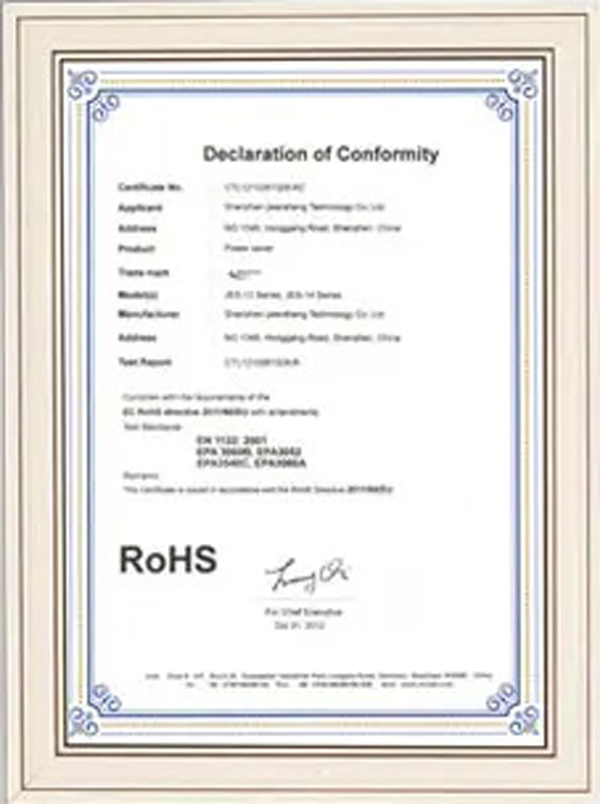
RoHS
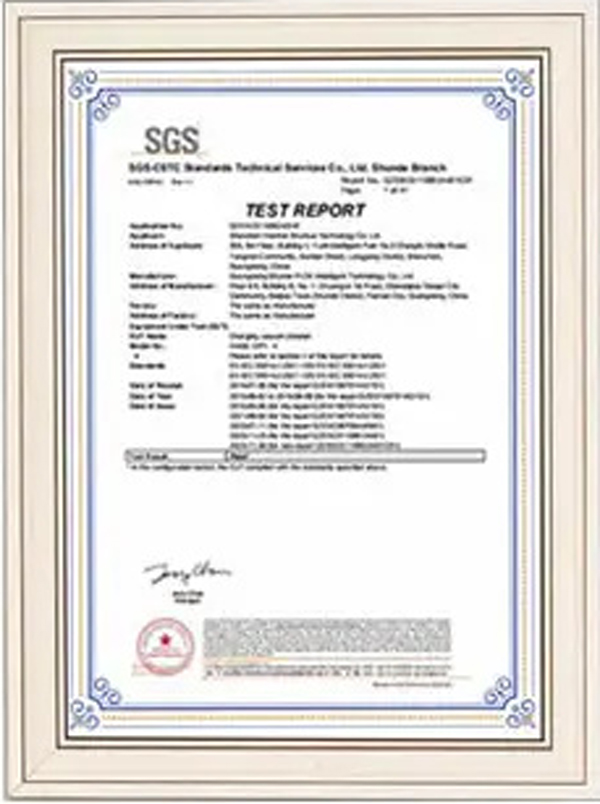
Quality Assurance
Explore our full range of certified high-density replacement batteries, custom-built for leading mobile POS terminals, rugged fleet scanners, enterprise laptops, and industrial drones.