Leave Your Message
In the modern digital landscape, the performance of enterprise IT infrastructure relies heavily on portable energy storage solutions. From handheld barcode scanners in logistics hubs to mobile point-of-sale (POS) terminals in retail environments, lithium-ion battery technology serves as the primary power source. Understanding lithium ion battery voltage is critical for hardware technicians, procurement managers, and system administrators tasked with equipment maintenance and battery replacement cycles.
Technical Insight: Lithium-ion battery voltage is not a static metric. It operates within a dynamic range dictated by the state of charge (SoC), active chemical formulation, and the internal configuration of the cells (series vs. parallel setups).
When selecting a replacement battery for IT equipment, the nominal voltage listed on the specification sheet (e.g., 3.7V, 7.2V, 14.4V) represents the average voltage the cell outputs during a full discharge cycle. However, the system's internal power delivery network must accommodate the battery's real-time voltage swing. For instance, a standard 3.7V nominal lithium-ion cell typically reaches 4.2V at full charge and drops to approximately 3.0V at its cut-off limit. If a technician uses a replacement cell that does not match these precise operational ranges, the device's Power Management Integrated Circuit (PMIC) may trigger premature shutdowns or suffer permanent overvoltage damage.
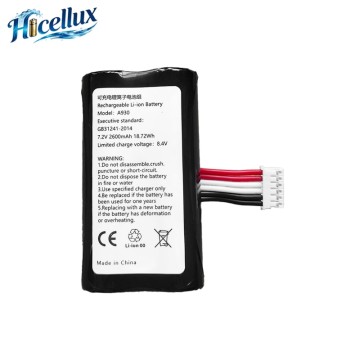
High-demand IT equipment often requires voltage levels far exceeding the capabilities of a single 3.7V cell. To achieve this, cells are connected in series (S) to increase total voltage, or parallel (P) to boost capacity (mAh).
We provide one-on-one customized services and cost-effective solutions for our clients. Compared to our competitors, we offer faster shipping times and more flexible delivery options. Our company is committed to helping customers improve efficiency and increase profits.
The global enterprise IT repair sector is undergoing a major shift. Driven by corporate sustainability mandates, the "Right to Repair" legislative movement, and the economic necessity of maximizing hardware lifespans, businesses are moving away from costly whole-device replacements. Instead, they are focusing on proactive component-level maintenance, with lithium-ion battery replacement at the core of this approach.
In logistics, warehousing, and retail, hardware downtime directly impacts profitability. A barcode scanner with a degraded battery that cannot hold a charge for an entire shift causes operational delays. As a result, large enterprises are adopting predictive replacement cycles. By monitoring battery health metrics—specifically voltage drop under load and internal resistance—IT departments can replace battery packs before complete field failure occurs. This proactive approach has created a high demand for industrial-grade, third-party compatible batteries that match OEM performance at a lower cost.
Modern IT equipment relies on intelligent communication between the device and the battery pack. This is managed by the BMS, which communicates via protocols like SMBus or I2C. The BMS monitors cell voltage, balances individual cell strings, and calculates the accurate State of Charge (SoC). When replacing a battery, the new pack must feature a compatible BMS chip. If the chip is incompatible, the device may reject the battery, display incorrect charge percentages, or restrict fast-charging capabilities. Ensuring complete compatibility at the chemical, voltage, and digital communication levels is crucial for successful IT hardware repair.
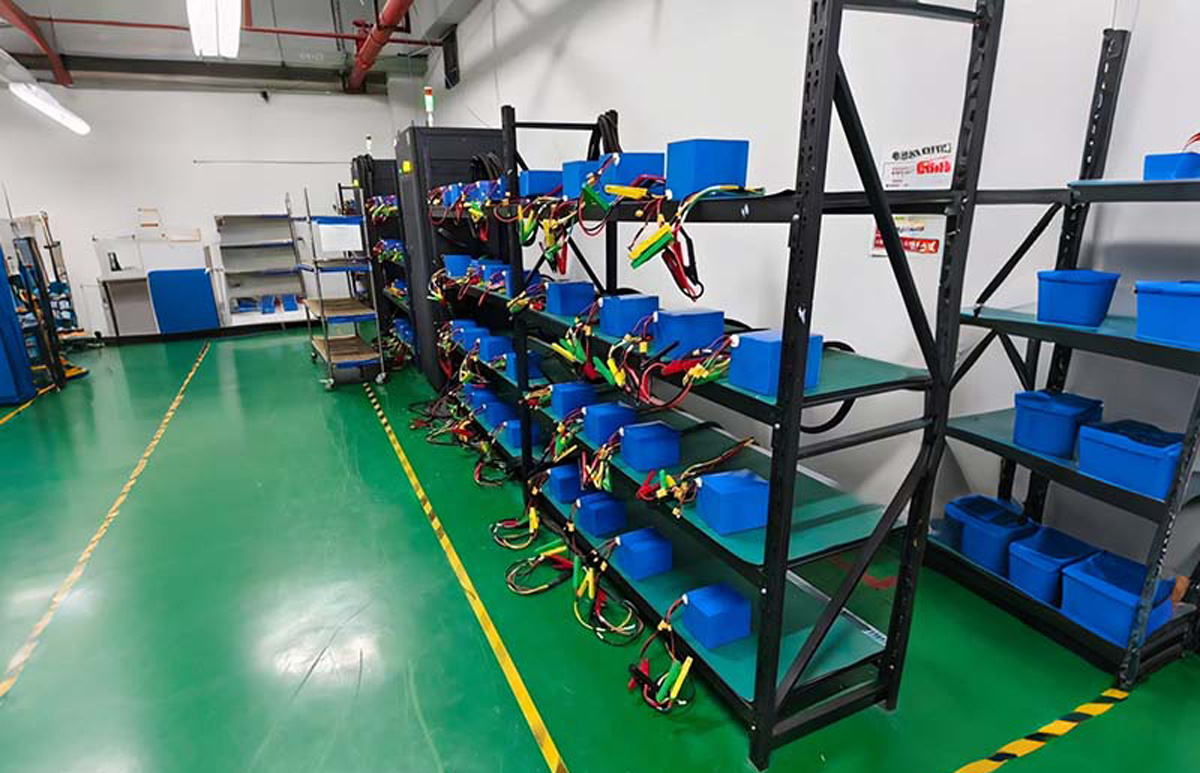
Standardized Production & Quality Control Center
Different categories of IT and enterprise equipment have unique power requirements. Understanding these specific application scenarios ensures safe and effective battery selection.
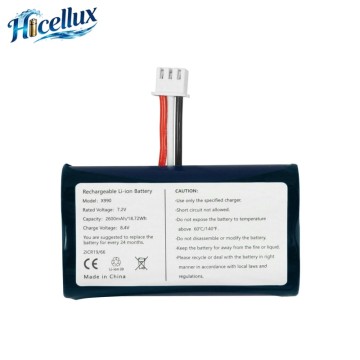
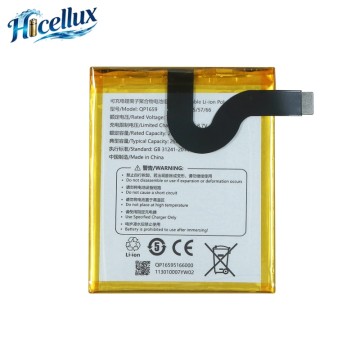
Devices like the Verifone X990 and Sunmi QP1659 V2 PRO operate in high-transaction retail environments. These devices feature integrated thermal receipt printers, cellular modems, and touchscreens, which create high current demands. A stable 7.2V or 7.6V nominal voltage is required to power the printer motor without causing voltage drops that could reset the device. During battery replacement, using cells with high discharge rates (high-C rating) is essential to handle these load spikes.
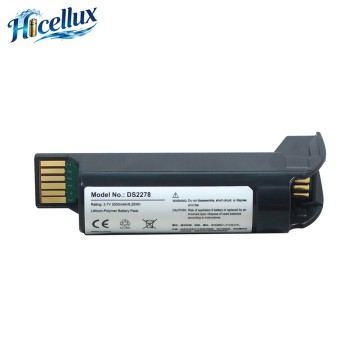
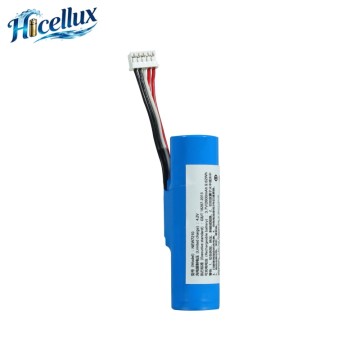
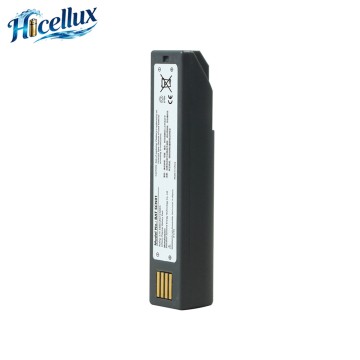
Zebra and Honeywell scanners are standard in logistics and supply chain operations. These devices typically use a single-cell 3.7V lithium-ion configuration designed for energy density and long runtimes. Because these tools are used continuously across multiple shifts, replacement batteries must feature reliable cells (such as 18650 or custom prismatic cells) that maintain stable voltage plateaus even after hundreds of charge cycles. This prevents device resets during intensive scanning operations.
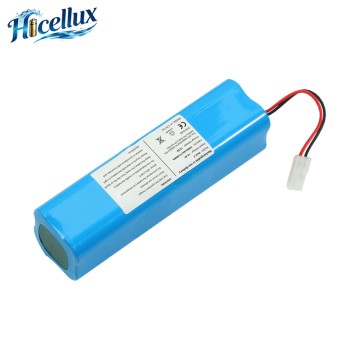
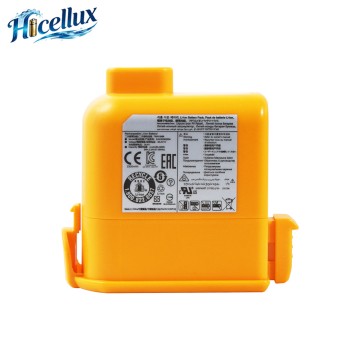
High-draw devices, such as commercial vacuum cleaners (e.g., Tefal and LG systems), require higher voltage configurations to drive heavy-duty brushless DC motors. A 25.2V battery pack (typically a 6S configuration) provides the necessary electrical pressure to run these motors efficiently. If the voltage drops below the threshold, motor efficiency decreases, leading to overheating and premature component wear. Replacement packs for these devices must use high-quality cells with low internal resistance to ensure consistent power delivery under heavy loads.
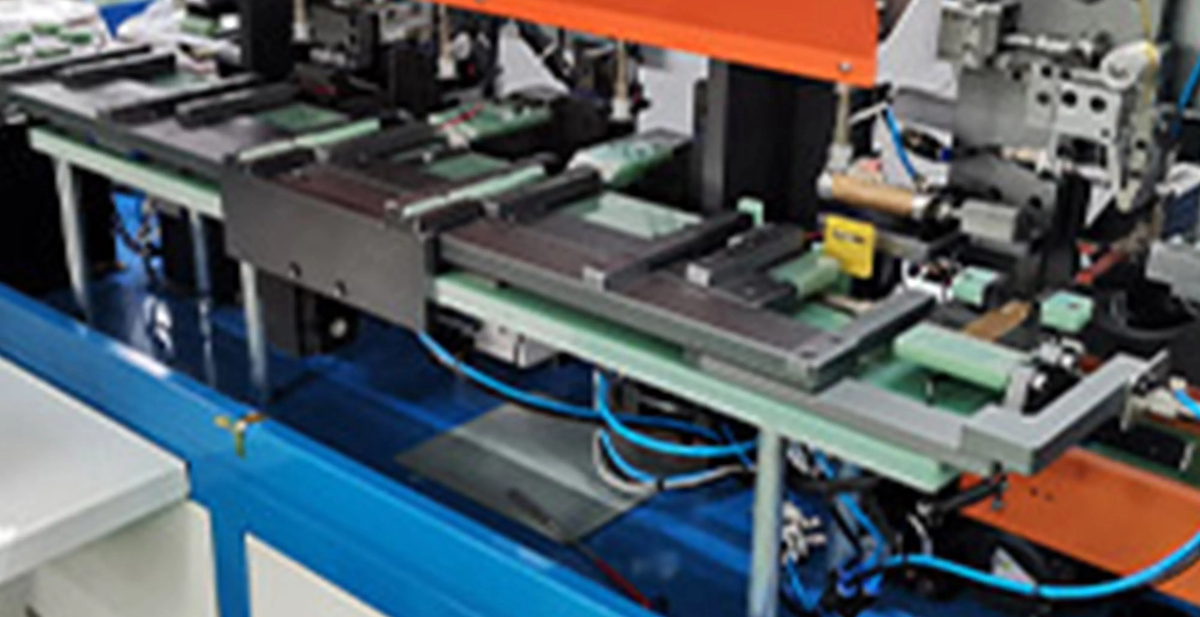
As a professional battery manufacturer, our factory has upgraded a fully automated production line tailored to battery manufacturing, covering the entire process from material input to finished product delivery.
We’re equipped with industry-leading intelligent equipment: automatic cell sorting machines, robotic spot-welding systems, and PCB precision processing workshops—these cut manual intervention by 80% while boosting production efficiency by 60%.
Our 70+ professional team (including automation engineers, quality inspectors, and logistics specialists) monitors every link: from incoming material verification, real-time tracking of cell sorting accuracy, to 100% coverage of aging tests and finished product performance detection.
Our team is a professional and experienced group that has been deeply involved in the battery industry for over a decade. We have accumulated profound industry knowledge and are always committed to technological innovation and quality improvement. We have built a strong and integrated capability covering R&D, production, marketing and after-sales service, making us a reliable partner in the battery field.
In terms of R&D and production, we have a team of senior engineers and technical experts with rich experience in battery technology research and product development. Equipped with advanced production equipment and strict quality control systems, we can independently complete the whole process from product design, technology research to mass production, ensuring stable product quality and high performance that meet market demands.
In marketing and after-sales service, we have a professional team with keen market insight and efficient execution. We have established a comprehensive marketing network to accurately grasp market trends and provide customized solutions for customers. Meanwhile, our after-sales team responds quickly to customer needs, providing timely technical support and service guarantee, winning wide recognition and trust from customers. With our all-round strength, we are committed to promoting the development of the battery industry and creating greater value for our partners.

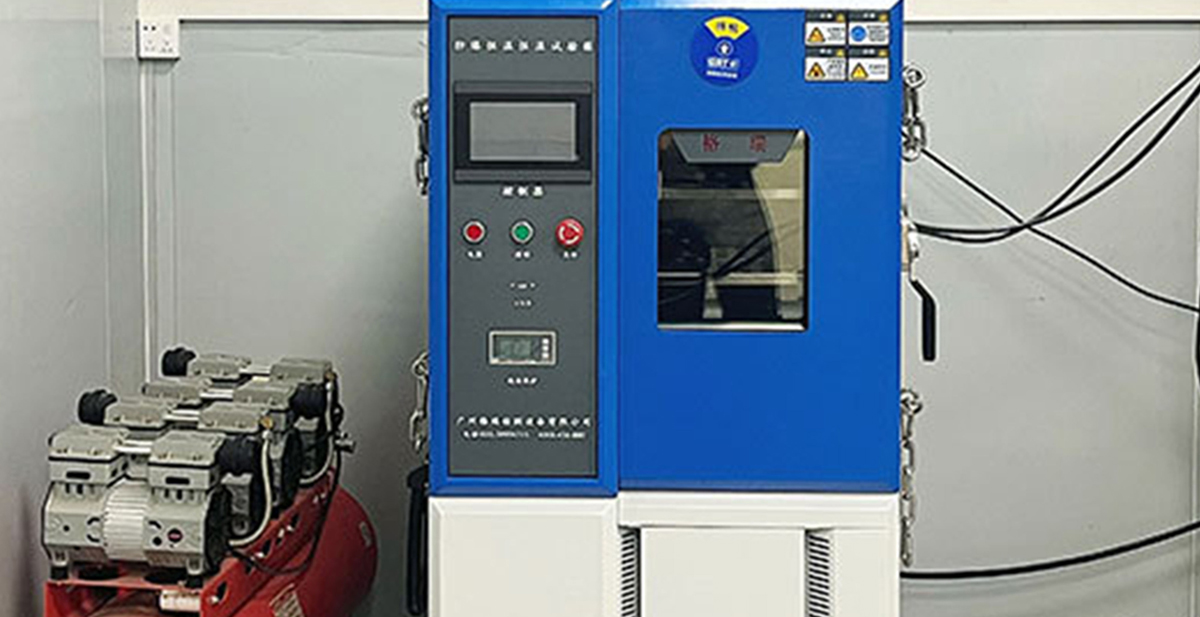
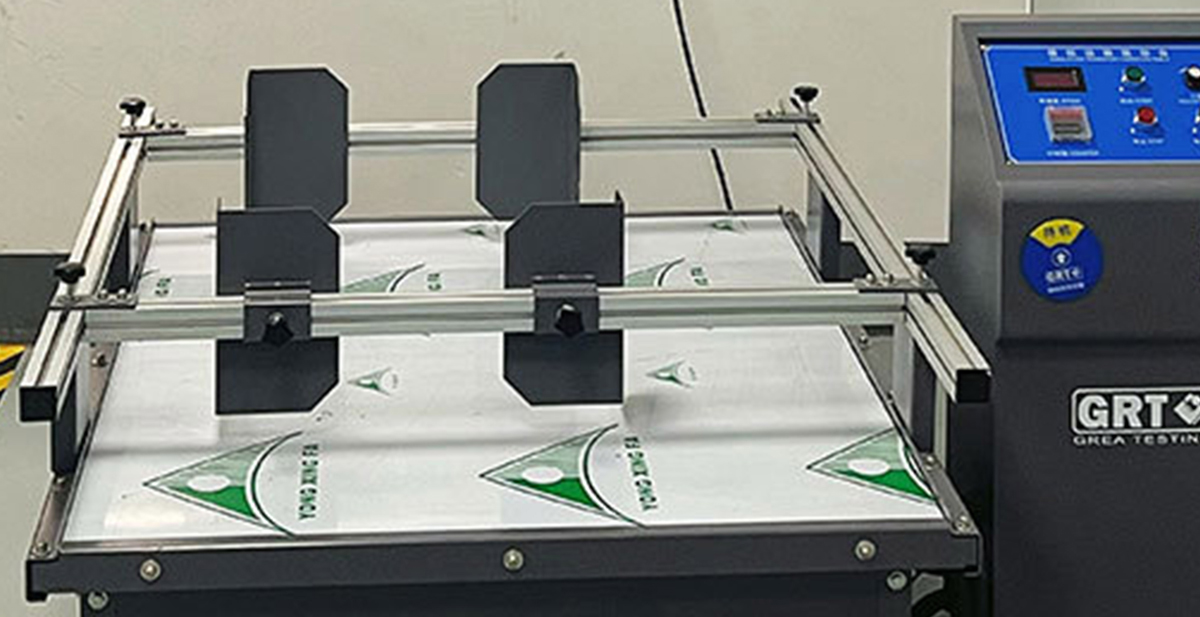
As enterprise IT hardware demands more power in smaller form factors, lithium-ion battery technology continues to evolve. Key trends shaping the future of battery design and replacement include:
Traditional lithium-ion batteries use graphite anodes. The integration of silicon-anode technology allows for significantly higher energy density. For IT devices like rugged laptops and field tablets, this means longer runtimes without increasing the battery's physical size or weight, while maintaining a stable voltage profile throughout the discharge cycle.
The next generation of replacement batteries will feature smart BMS chips with integrated IoT diagnostics. These chips can transmit real-time health data—such as operating temperature, cycle count, and individual cell voltage variance—directly to enterprise IT management consoles. This allows network administrators to monitor battery health across thousands of field devices, optimizing replacement schedules and preventing unexpected downtime.
Solid-state battery technology replaces the liquid electrolyte in lithium-ion cells with a solid conductive material. This offers improved safety by reducing thermal runaway risks, wider operating temperature ranges, and faster charging capabilities. While still developing for commercial use, solid-state technology is expected to become the standard for high-reliability medical and military IT hardware.
API 6D, API 607, CE, ISO9001, ISO14001, ISO18001, TS. (If you need our certificates, please contact us)

PSE

UN 38.3
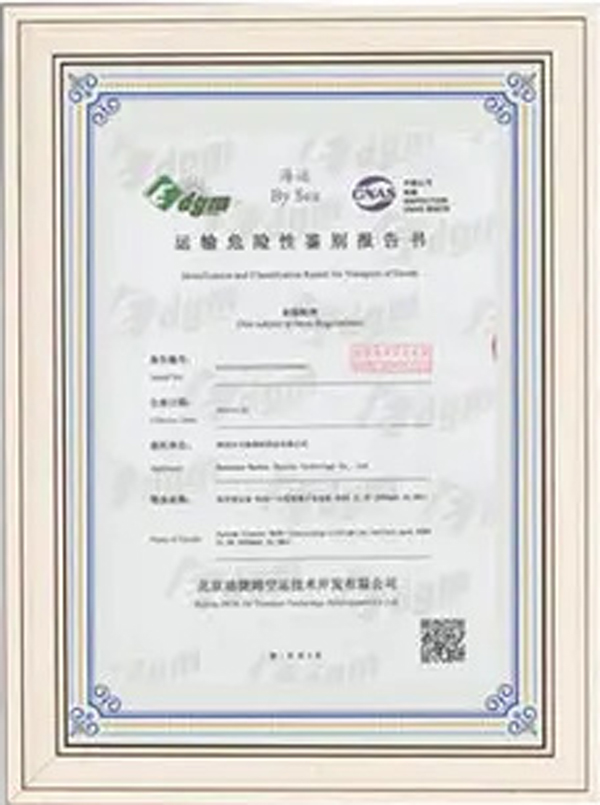
DGM

CE

RoHS

MSDS
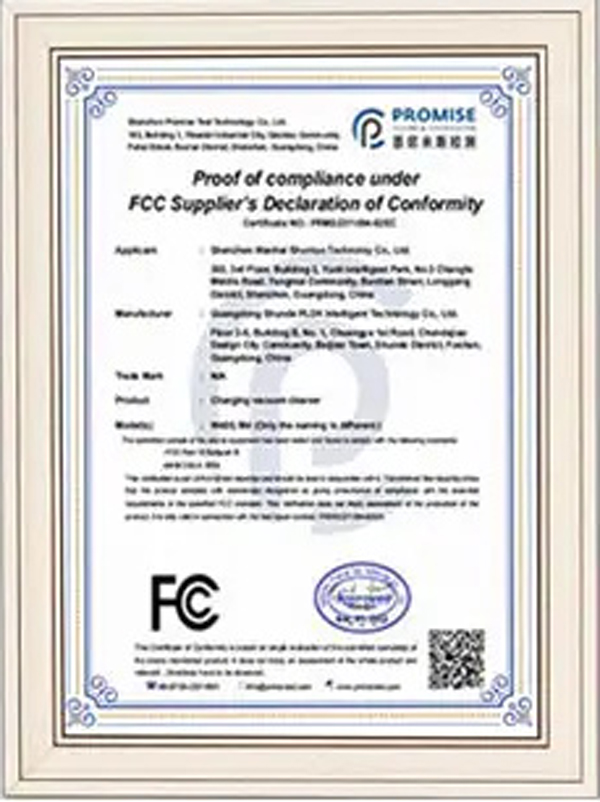
FCC

ISO Quality