Leave Your Message
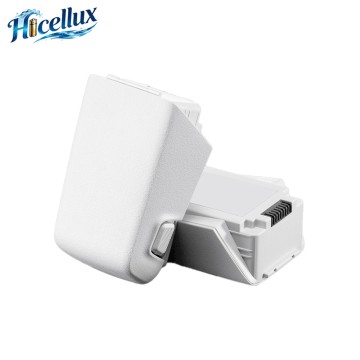
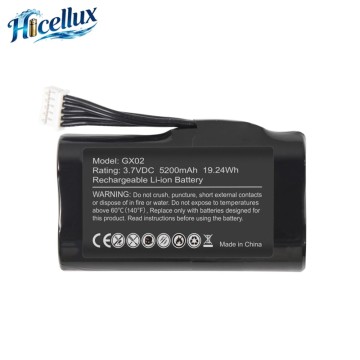
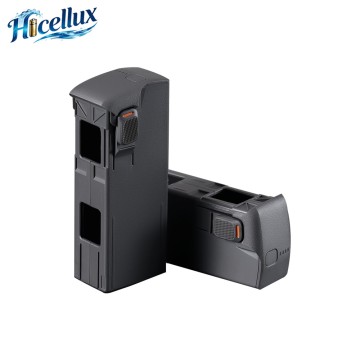
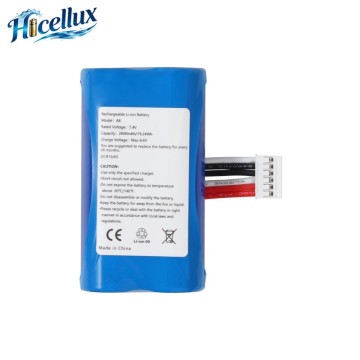
High-performance lithium-ion replacement packs engineered with precise voltage regulation to ensure zero-downtime operations for retail terminals.
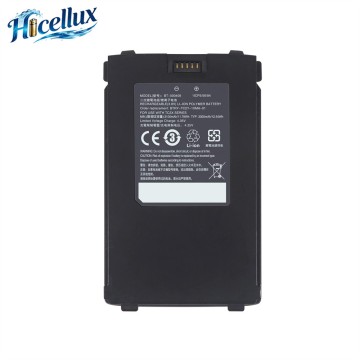
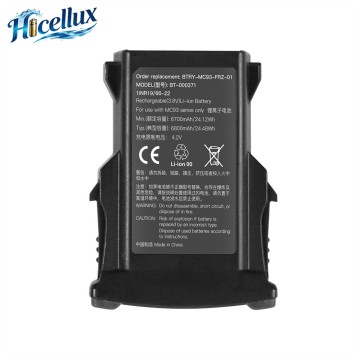
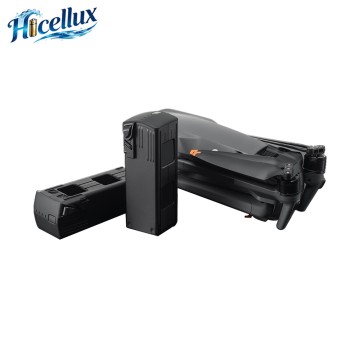
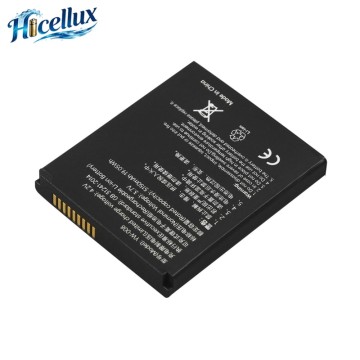
In the fast-paced world of retail, convenience stores, and tableside hospitality, the point-of-sale (POS) terminal is the lifeline of daily operations. Transitioning from stationary cash registers to mobile POS (mPOS) and smart hand-held payment terminals has revolutionized customer checkouts. However, the performance and reliability of these wireless terminals are entirely dependent on their internal power source: the Lithium-Ion battery.
Among all technical specifications, the nominal voltage of a lithium-ion battery is one of the most critical factors. It directly dictates the device's compatibility, processor performance, thermal printing capabilities, and overall runtime efficiency. A mismatch or drop in battery voltage can lead to slow processing speeds, faded receipt prints, intermittent wireless disconnections, or sudden system shutdowns during peak sales hours.
SEO Insight: Most handheld payment terminals utilize nominal voltages ranging from 3.6V to 7.4V. Selecting the correct voltage platform ensures optimal performance for internal microprocessors, high-speed thermal printers, and integrated barcode scanners.
Handheld payment terminals are designed to run on specific voltage architecture depending on their feature set:
We provide one-on-one customized services and cost-effective solutions for our clients.
Compared to our competitors, we offer faster shipping times and more flexible delivery options. Our company is committed to helping customers improve efficiency and increase profits. We welcome your inquiries and look forward to building long-term, mutually beneficial partnerships with clients worldwide.



The global smart retail and mobile payment market is undergoing a massive transformation. Retailers are moving away from traditional checkout counters to embrace "line-busting" strategies, tableside payments in restaurants, and home-delivery checkouts. This shift has escalated the demand for high-capacity, fast-charging, and exceptionally safe lithium-ion battery packs.
Modern retail POS terminals are no longer simple card readers; they are sophisticated Android-based computers containing GPS, cellular modems, thermal printers, and high-resolution cameras. To prevent unexpected shutdowns, manufacturers are integrating advanced BMS boards inside the battery packs. Using communication protocols like I2C or SMBus, the BMS reports highly accurate State of Charge (SoC) and State of Health (SoH) metrics directly to the POS operating system, allowing managers to proactively replace aging batteries before they fail on the sales floor.
To keep POS terminals slim and ergonomic, battery physical dimensions must remain small. However, software updates demand more energy. The industry is moving toward silicon-anode technology and high-voltage lithium chemistry (charging up to 4.4V or 4.45V per cell). This allows battery manufacturers to increase the energy density (Wh/L) without expanding the battery pack's physical footprint, providing an extra 20% to 30% operational runtime.
Retail operations cannot afford to have hardware sitting on a charging dock for hours. Modern lithium-ion terminal batteries are designed to support high current fast-charging protocols. A stable voltage platform ensures that even during rapid charging cycles, heat dissipation remains minimal, preserving the overall cycle life of the battery cells.
Driven by innovation, guided by values, and dedicated to our clients' long-term success.
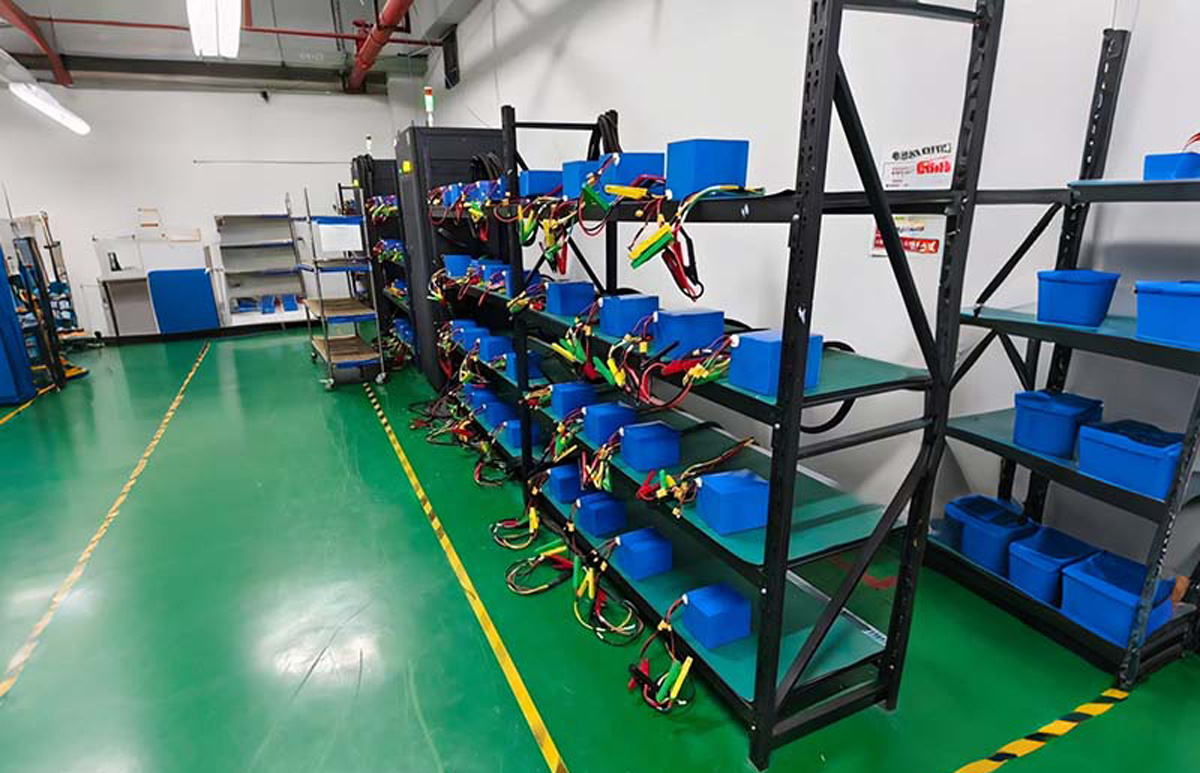
Lithium-ion battery performance is highly contextual. Depending on the environment, the demands placed on the battery pack vary drastically. Below are three key scenarios where battery voltage stability is paramount:
During holiday rushes, cashier terminals operate under constant load. Barcode scanners run continuously, and the thermal printer operates every few seconds. Printing a receipt requires a high burst of current, which can cause a momentary voltage drop (called voltage sag). If the battery is aged or of poor quality, this sag can drop below the terminal's minimum operating threshold, causing the device to crash mid-transaction. Hicellux batteries are designed with low internal resistance (IR) to prevent voltage sag during high-current print cycles.
In logistics, couriers carry handheld terminals outdoors in freezing winters or scorching summers. Temperature extremes severely affect lithium-ion chemistry. Low temperatures increase internal resistance, leading to rapid voltage drop. Hicellux designs specialized low-temperature battery formulations that maintain stable voltage platforms down to -20°C, ensuring couriers can scan and process payments throughout their entire shift without failure.
In restaurants, mobile POS terminals are constantly waking up from sleep mode, processing chip card inserts, sending data over Wi-Fi, and returning to low-power standby. The battery must support dynamic power states cleanly. A highly stable nominal voltage prevents processor lag when transitioning from sleep to active transaction mode, providing a fluid user experience for waitstaff and customers.
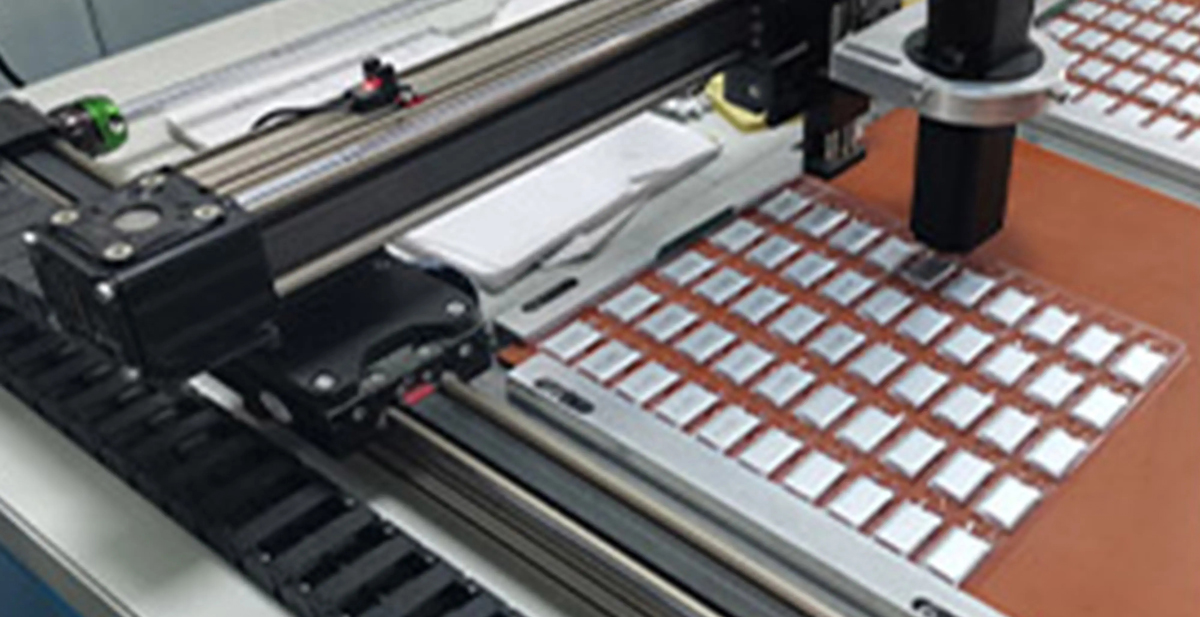
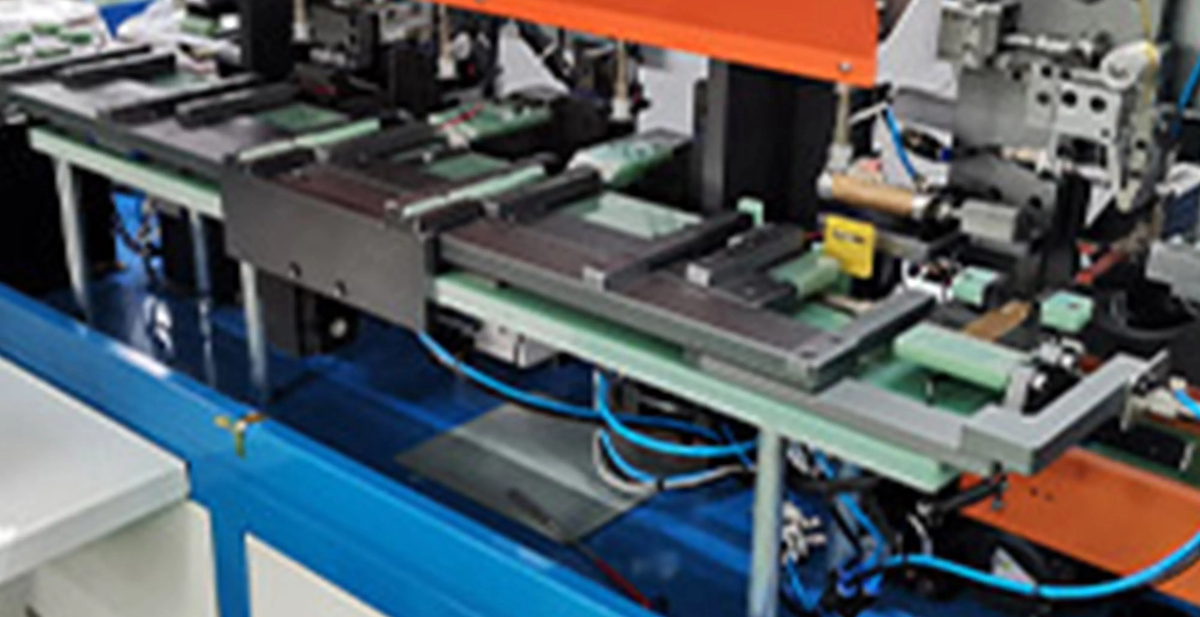
Advanced manufacturing infrastructure driving quality, consistency, and volume efficiency.
Meet the experts behind our advanced battery engineering, production, and worldwide service.

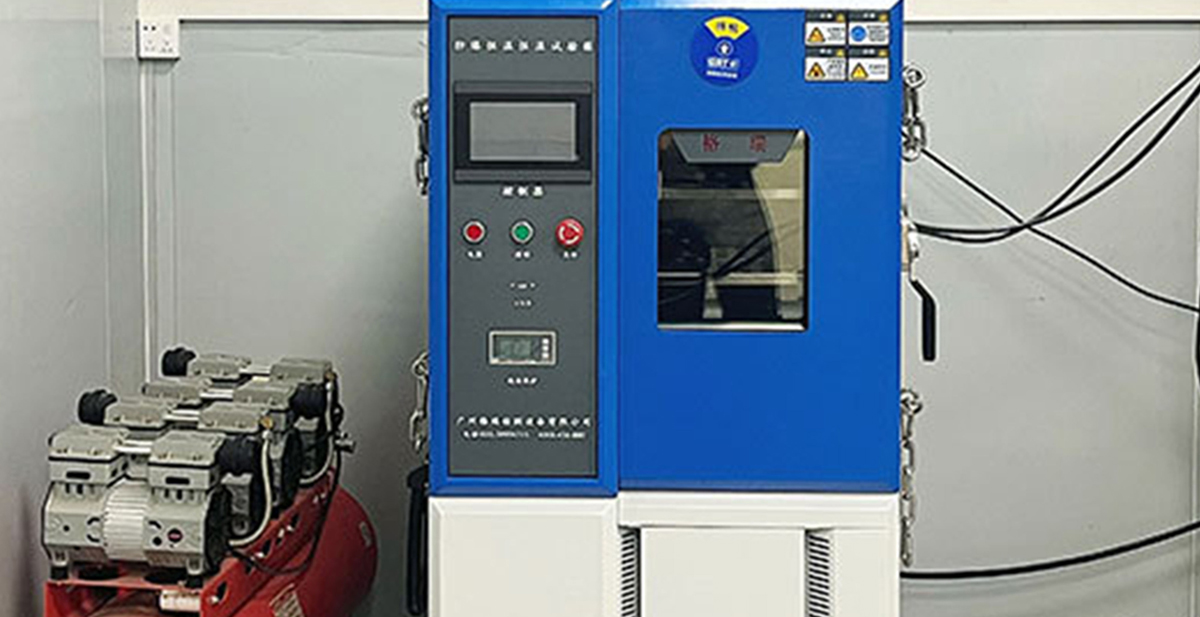
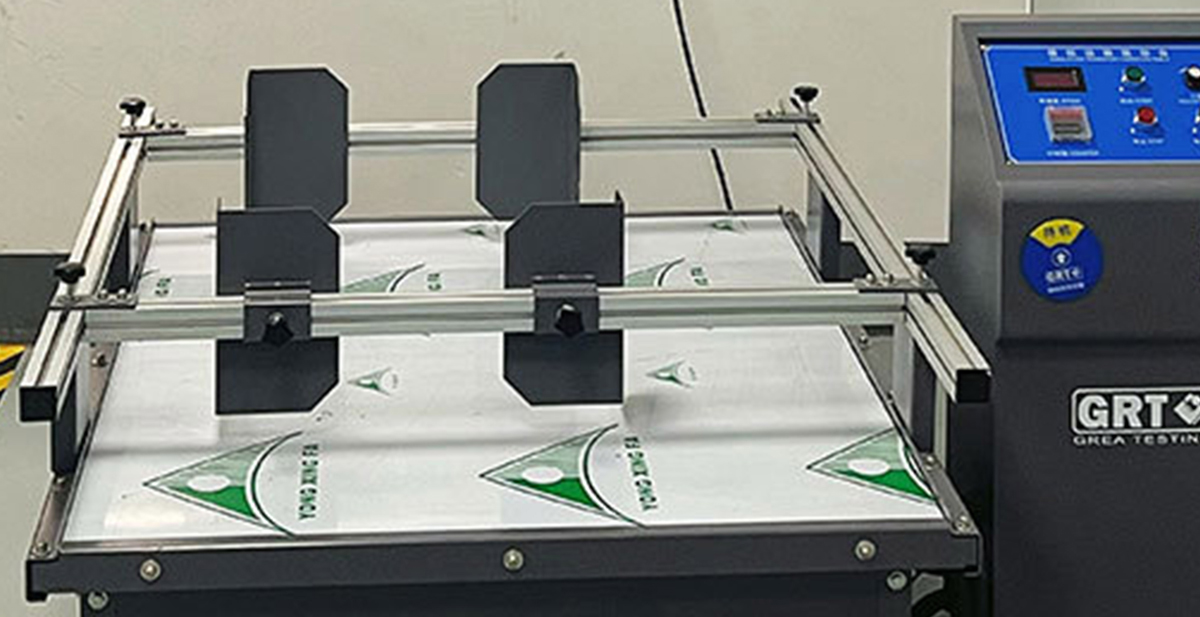
API 6D, API 607, CE, ISO9001, ISO14001, ISO18001, TS. (If you need our certificates, please contact us)

MSDS

FCC
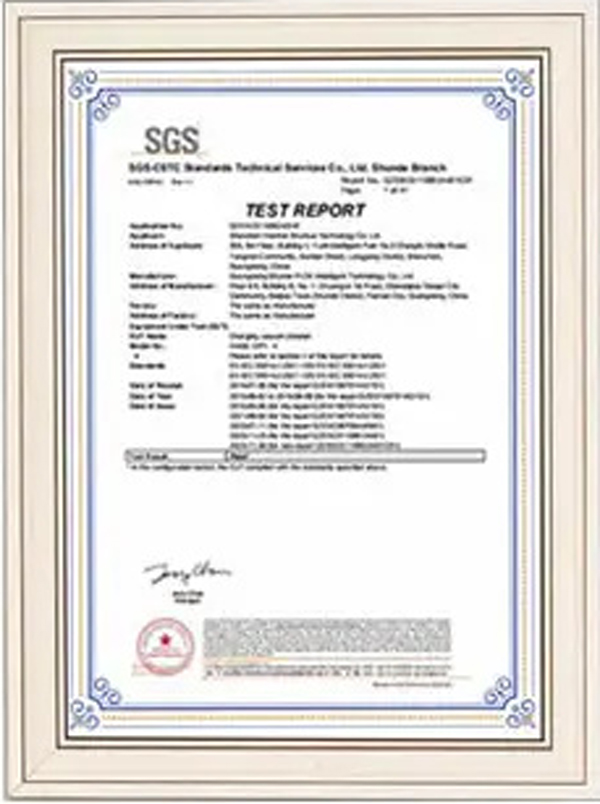
ISO Standard
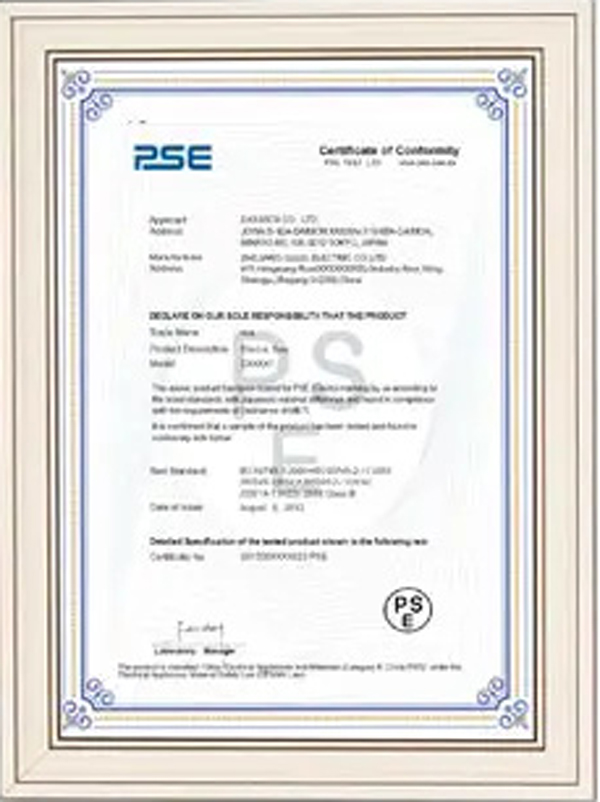
PSE

UN 38.3
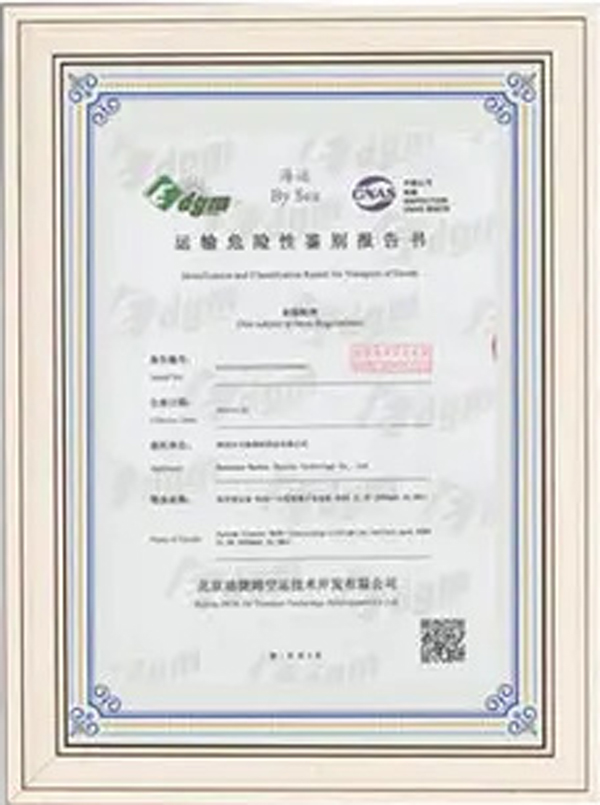
DGM

CE

RoHS
Explore our full line of compatible, high-performance battery replacements engineered to strict OEM specifications.