Leave Your Message
Discover our high-performance replacement batteries engineered for maximum suction, stability, and longevity in smart home appliances.
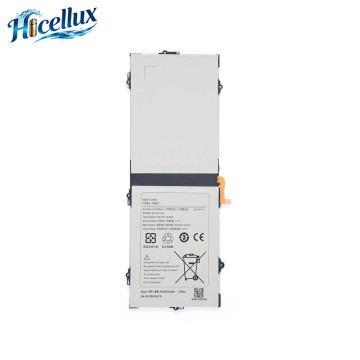
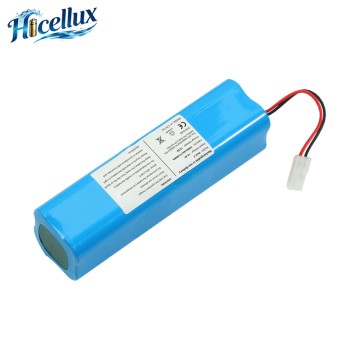
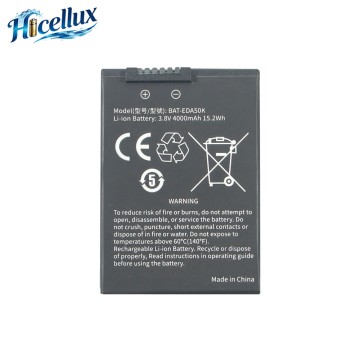
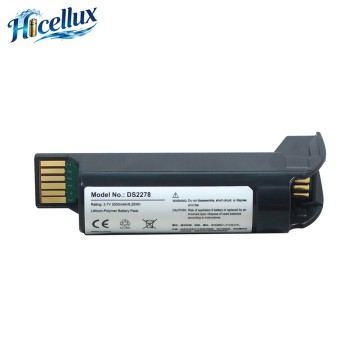
The rapid evolution of the smart home cleaning industry has transitioned manual sweepers into highly autonomous, AI-driven robotic vacuums, cordless stick vacuums, and smart wet-dry floor washers. At the core of this technological revolution lies the power source: the lithium-ion battery pack. Specifically, lithium ion battery voltage for smart home cleaning and vacuum devices determines not only the runtime but also the suction pressure (Pascal rating), the efficiency of the brush-roll motor, and the overall stability of the onboard computation systems.
Voltage acts as the electrical pressure that drives current through the vacuum's motors and sensors. In smart cleaning appliances, maintaining a stable voltage curve is critical. Unlike traditional electronics, vacuum cleaners experience highly dynamic load shifts—switching from hard floors to thick carpets requires a sudden surge in torque, which translates to a high current draw. If the battery pack is not engineered to handle these shifts without significant voltage sag, the device will experience premature shutdown or a noticeable drop in cleaning efficiency.
SEO Insight: Modern smart vacuums rely on precise cell matching and advanced Battery Management Systems (BMS) to regulate nominal voltage, preventing thermal runaway while maximizing high-rate discharge performance.
The global market for smart home cleaning devices is expanding at an unprecedented CAGR. As consumers demand longer runtimes (exceeding 60 to 90 minutes) and stronger suction capabilities (ranging from 3,000 Pa to over 10,000 Pa for premium robotic models), manufacturers face the challenge of balancing battery weight, safety, and cost. Industry standards have shifted entirely from Nickel-Metal Hydride (NiMH) to Lithium-ion (Li-ion) due to the latter's superior energy density, lower self-discharge rate, and absence of memory effect.
From an industrial perspective, battery pack design for smart cleaners is divided into distinct voltage classes:
We provide one-on-one customized services and cost-effective solutions for our clients. Compared to our competitors, we offer faster shipping times and more flexible delivery options. Our company is committed to helping customers improve efficiency and increase profits. We welcome your inquiries and look forward to building long-term, mutually beneficial partnerships with clients worldwide.



In smart home cleaning devices, the battery pack does not merely supply power to a single motor. Instead, it supports a complex ecosystem of subsystems: the primary vacuum impeller motor, the mechanical brush-roll transmission, navigation systems (LiDAR, optical sensors, and SLAM processors), and wireless communication modules (Wi-Fi/Bluetooth). Each of these components has distinct voltage tolerances and noise profiles.
For instance, the high-frequency switching of the brushless DC (BLDC) motor driving the vacuum fan can introduce significant electromagnetic interference (EMI) and voltage ripples back into the power rail. If the battery's nominal voltage is poorly regulated, this noise can disrupt the sensitive navigation sensors, causing the robot to lose tracking or misinterpret environmental maps. A robust BMS design utilizes low-dropout regulators (LDOs) and buck-boost converters to isolate these subsystems, ensuring that the control electronics receive a clean, stable voltage even when the battery charge drops near its cut-off limit.
Engineered to deliver continuous, high-current output without voltage drops, ensuring consistent suction power throughout the cleaning cycle.
Integrated temperature sensors monitor heat dissipation during rapid discharge, preventing localized hot spots inside the device.
Advanced circuitry protects against over-charge, over-discharge, short-circuits, and cell imbalance to extend battery life cycle.
One of the primary engineering challenges in designing lithium-ion batteries for smart cleaners is mitigating **voltage sag**. As a lithium-ion battery discharges, its internal resistance increases, causing the output voltage to drop under load. In vacuum devices, this drop directly correlates to a loss in suction power. To maintain a constant user experience, advanced vacuum controllers dynamically increase the duty cycle of the motor to compensate for the falling voltage. However, this increases current draw, accelerating thermal stress and reducing the battery's overall lifespan.
To combat this, Hicellus utilizes premium, low-internal-resistance cells and precise cell matching. By ensuring that each cell in the series string has identical capacity and internal resistance, we minimize cell mismatch, which is the leading cause of early pack failure. Furthermore, our automated spot-welding and assembly processes ensure ultra-low contact resistance, keeping thermal generation to a minimum during high-power operation.
Looking forward, the smart cleaning industry is moving toward higher energy density formats, such as transitioning from 18650 cylindrical cells to 21700 cells, which offer up to 50% more capacity by volume. This allows manufacturers to increase battery pack voltage and capacity without expanding the physical footprint of the vacuum cleaner. Additionally, the development of solid-state battery technology promises to eliminate thermal runaway risks entirely while providing stable voltage curves even at extreme discharge rates. Hicellus remains at the forefront of these technological shifts, continuously updating our automated production lines to integrate next-generation materials and cell chemistry.
Driving innovation in battery technology with a customer-first approach and strict adherence to industrial standards.
At Hicellus, we believe in building long-term value through integrity and innovation. Our core principles guide every stage of our production, engineering, and client service:
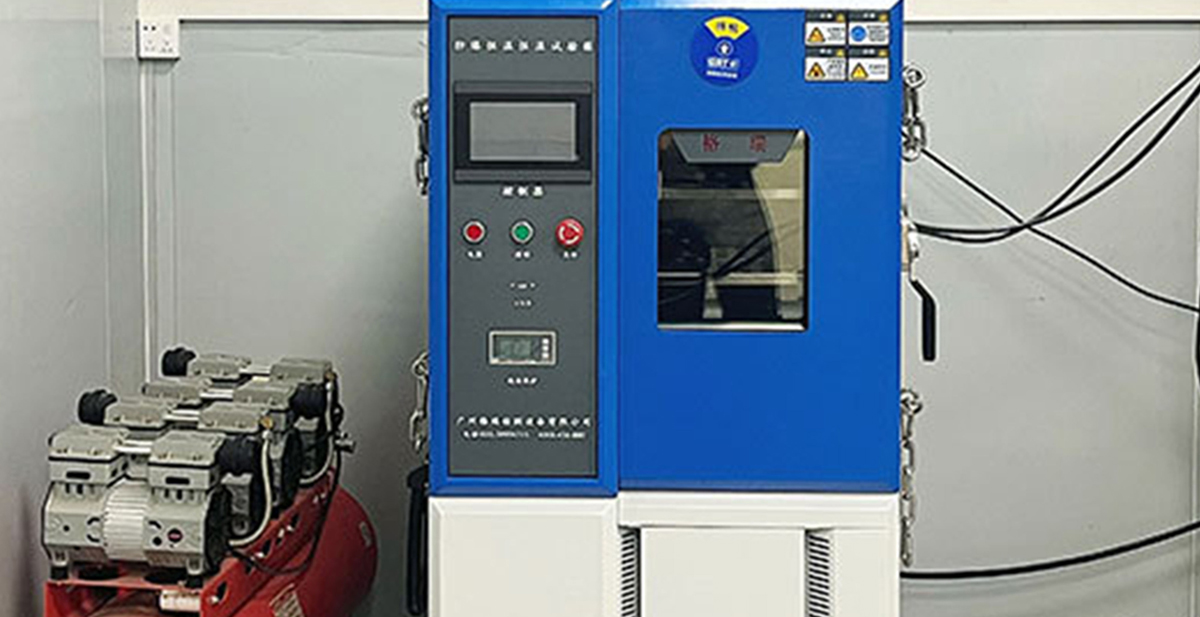
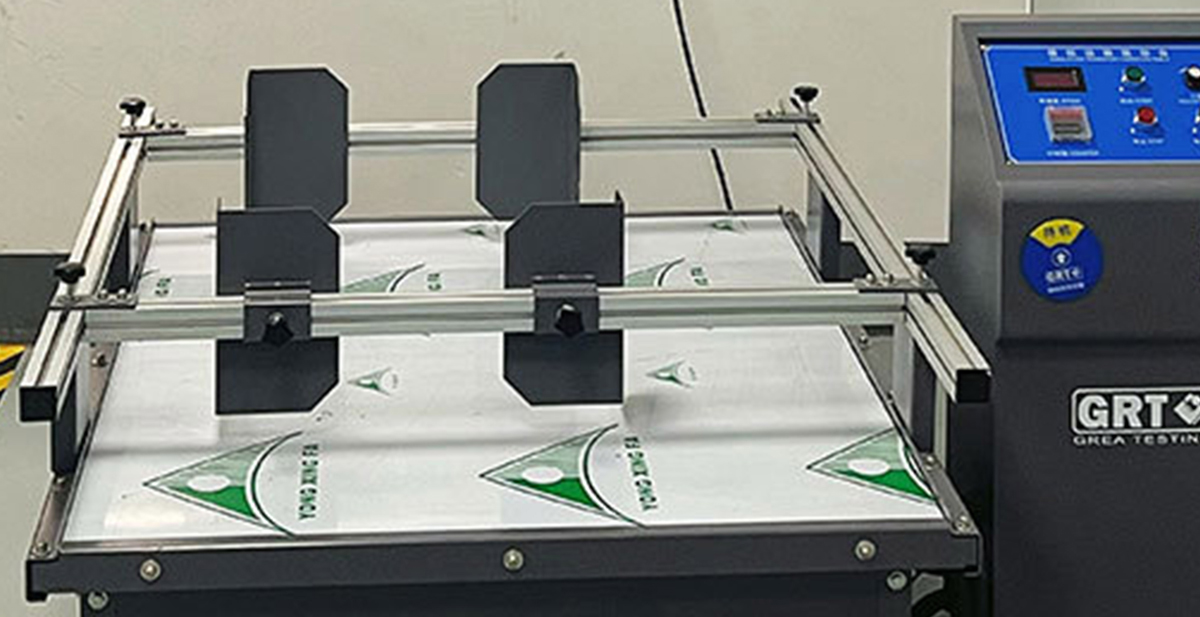
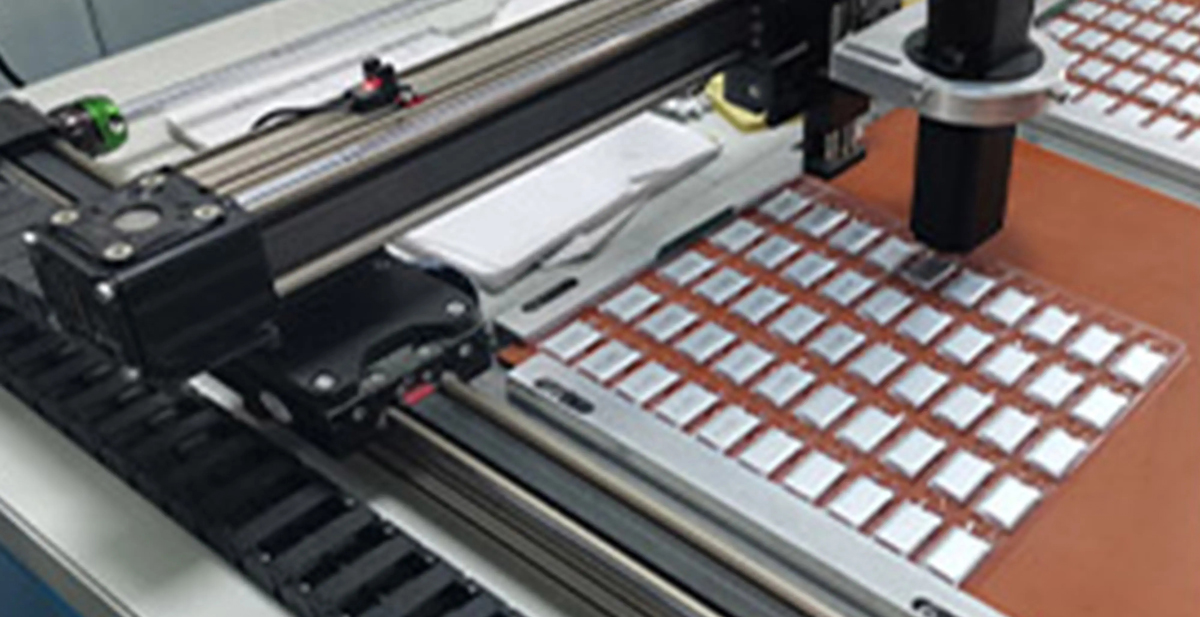
State-of-the-art manufacturing facilities designed for precision, scale, and uncompromising quality control.
Meet the experts behind our advanced battery engineering, rigorous quality assurance, and global customer support.
Our team is a professional and experienced group that has been deeply involved in the battery industry for over a decade. We have accumulated profound industry knowledge and are always committed to technological innovation and quality improvement. We have built a strong and integrated capability covering R&D, production, marketing and after-sales service, making us a reliable partner in the battery field.
In terms of R&D and production, we have a team of senior engineers and technical experts with rich experience in battery technology research and product development. Equipped with advanced production equipment and strict quality control systems, we can independently complete the whole process from product design, technology research to mass production, ensuring stable product quality and high performance that meet market demands.
In marketing and after-sales service, we have a professional team with keen market insight and efficient execution. We have established a comprehensive marketing network to accurately grasp market trends and provide customized solutions for customers. Meanwhile, our after-sales team responds quickly to customer needs, providing timely technical support and service guarantee, winning wide recognition and trust from customers. With our all-round strength, we are committed to promoting the development of the battery industry and creating greater value for our partners.

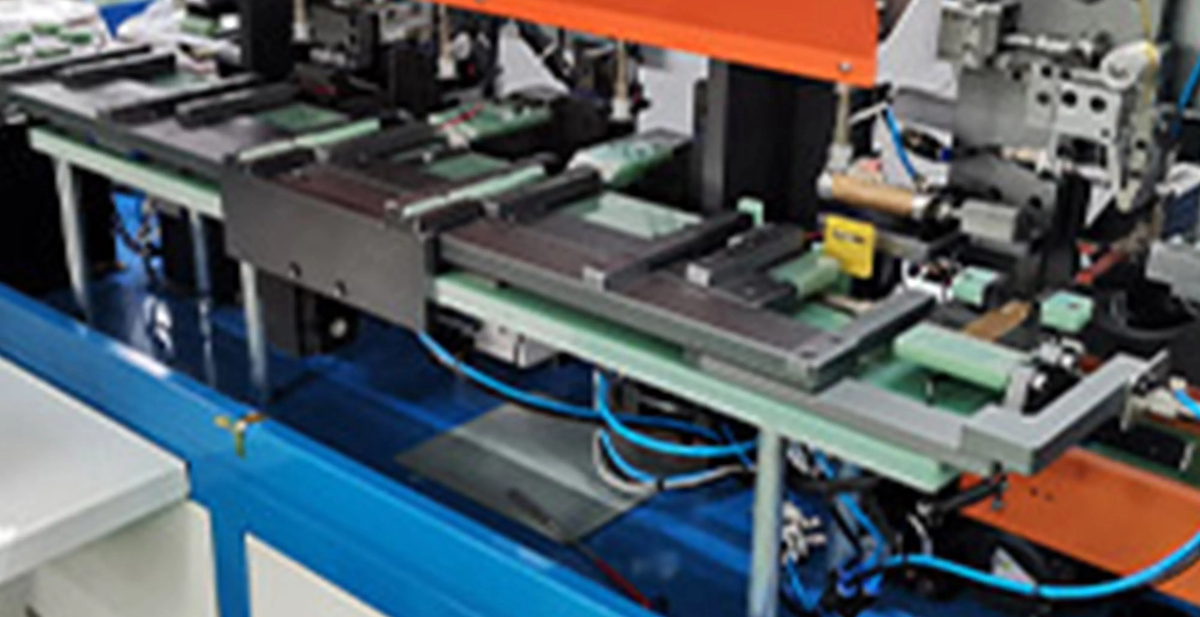
API 6D, API 607, CE, ISO9001, ISO14001, ISO18001, TS. (If you need our certificates, please contact us)
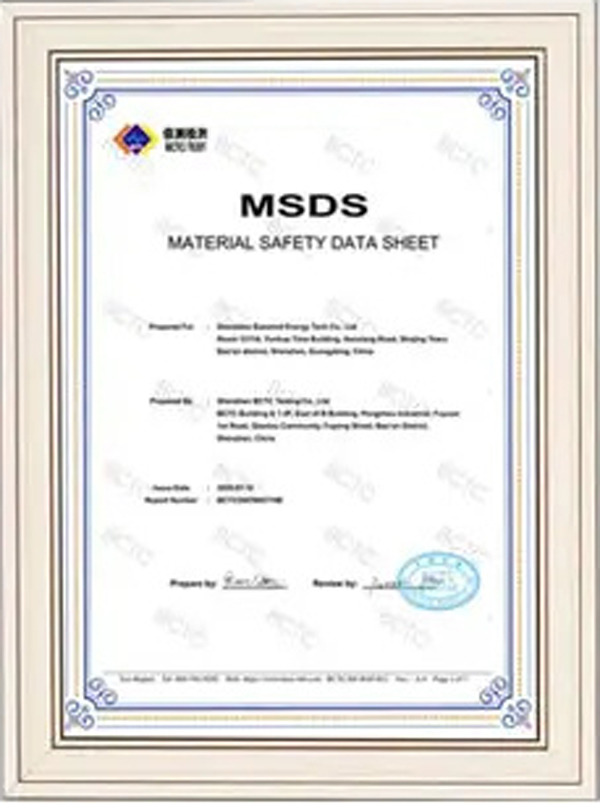
MSDS
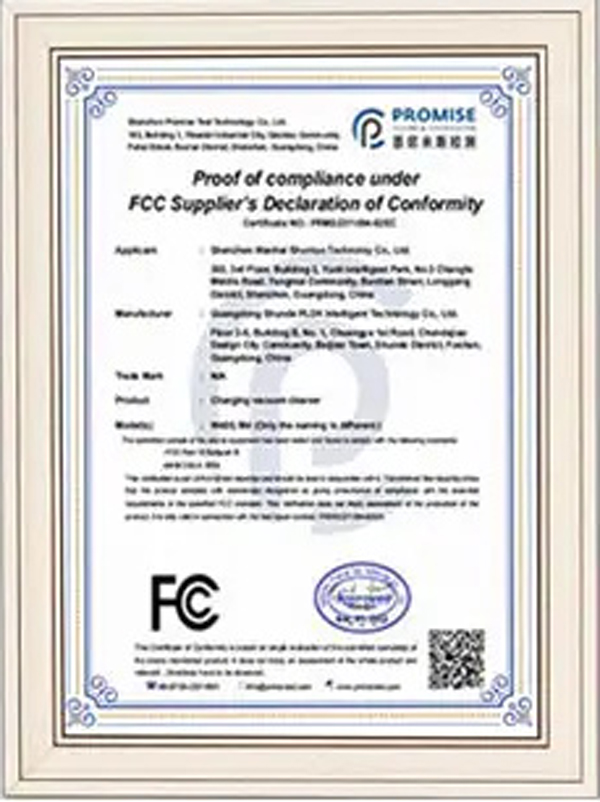
FCC
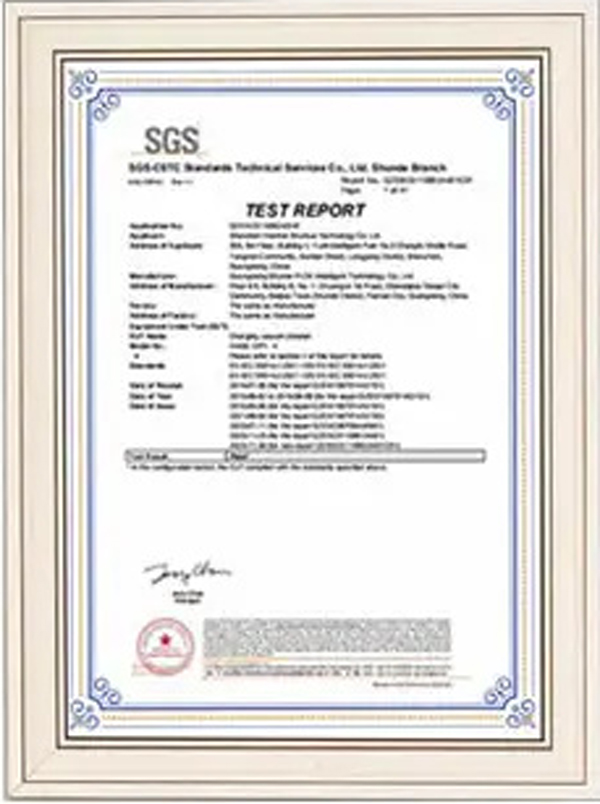
Quality Certified
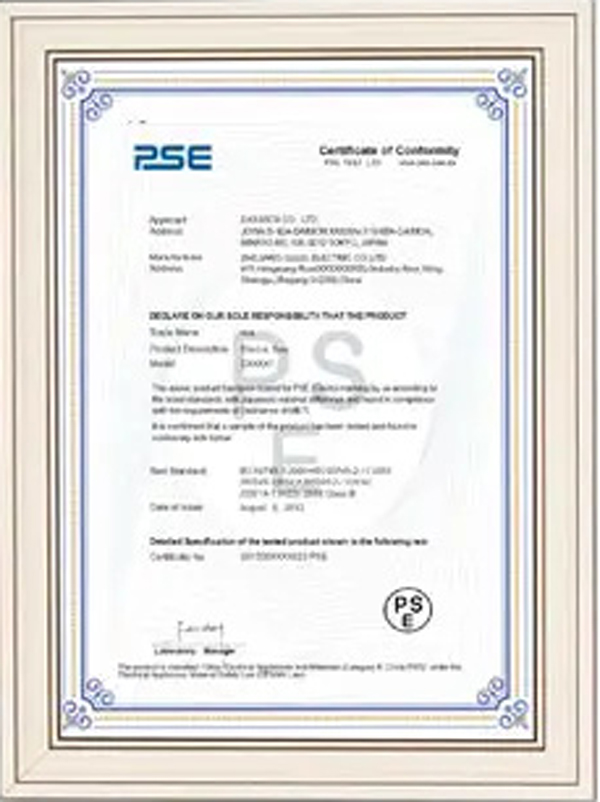
PSE
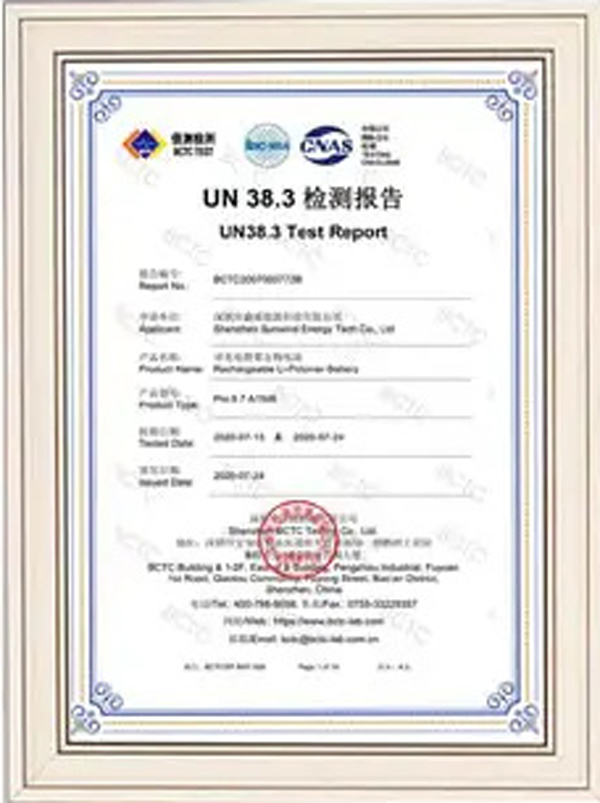
UN 38.3
DGM
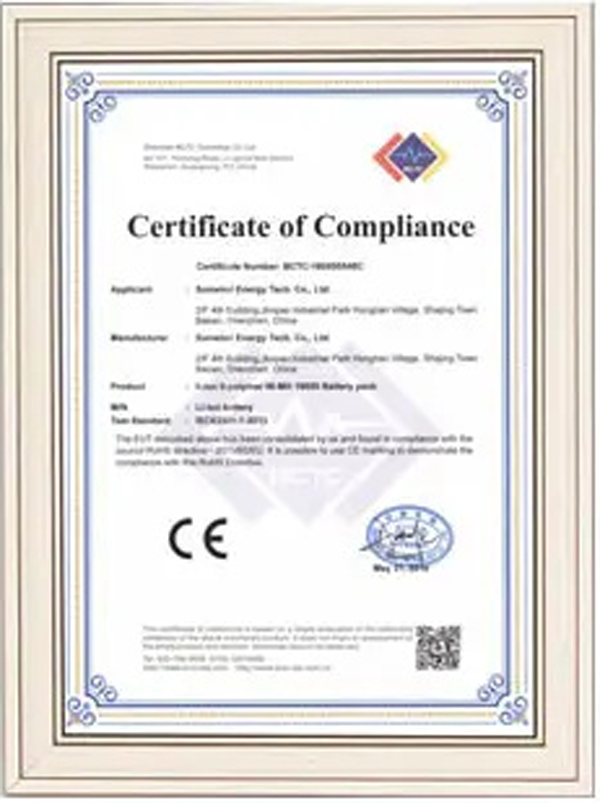
CE
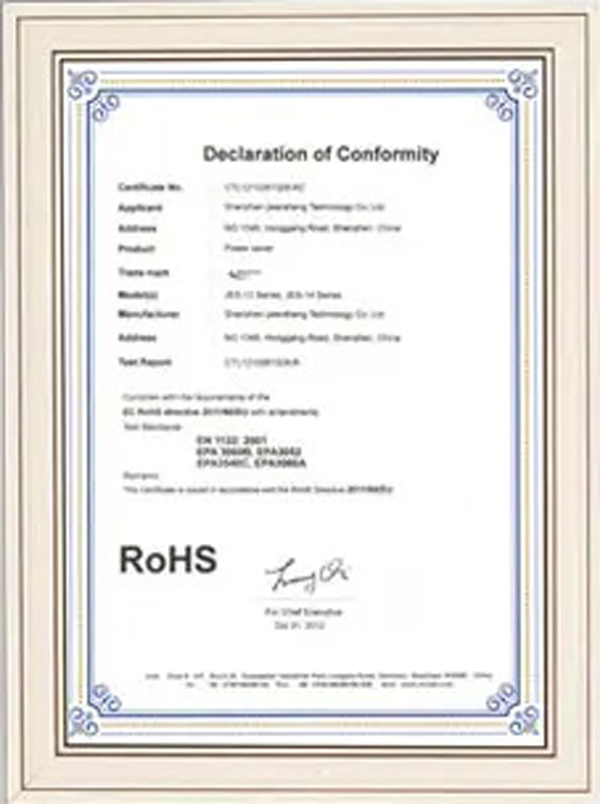
RoHS
Explore our full range of lithium-ion replacement batteries designed for smart vacuums, laptops, and specialized industrial terminals.