Leave Your Message
The global retail ecosystem is undergoing a monumental paradigm shift. The integration of unmanned aerial vehicles (UAVs) for last-mile delivery, combined with the ubiquity of mobile payment point-of-sale (POS) terminals, has redefined consumer expectations. Today, immediate fulfillment and frictionless payments are no longer luxury services; they are baseline operational requirements. To sustain this high-tech retail infrastructure, businesses require the absolute longest lasting drone battery technology alongside highly optimized battery packs for handheld POS systems.
In an era where "delivery within the hour" is becoming standard, drones act as the physical bridge between distribution centers and consumers. Simultaneously, mobile POS terminals act as the transactional bridge, enabling delivery personnel or automated drop-off kiosks to securely process payments on the spot. Both endpoints of this modern transaction cycle share a critical vulnerability: power limitations. Without high-capacity, thermally stable, and long-lasting lithium batteries, the efficiency of this entire automated retail loop collapses.
For delivery drones, weight directly translates to energy consumption. Every additional gram of battery weight reduces flight efficiency, while every milliampere-hour (mAh) of capacity extends operational range. Similarly, retail POS terminals must endure continuous scanning, display backlighting, thermal printing, and wireless communication (4G/5G/Wi-Fi) over 12-hour shifts. The integration of advanced high-density cells, such as those manufactured by Hicellux, resolves these bottlenecks by maximizing energy output while minimizing footprint and weight.
The commercial deployment of delivery drones in the retail sector has evolved from experimental pilot programs to large-scale urban and suburban operations. Major retail conglomerates and logistics giants are utilizing drone fleets to bypass traffic congestion, reduce carbon footprints, and dramatically cut last-mile delivery costs. However, the commercial viability of these operations depends heavily on battery cycle life and flight duration.
Currently, the industry is transitioning from standard Lithium-Polymer (LiPo) cells to advanced Lithium-Ion (Li-ion) and Solid-State chemistries. These new battery architectures offer higher specific energy (Wh/kg), allowing drones to carry heavier payloads—such as groceries, pharmaceutical products, and even integrated mobile payment hardware—over longer distances. The "longest lasting drone battery" is no longer just about the minutes in the air; it is about the total cost of ownership (TCO), determined by how many hundreds of charge-discharge cycles a battery can survive before capacity degrades.
We provide one-on-one customized services and cost-effective solutions for our clients.
Compared to our competitors, we offer faster shipping times and more flexible delivery options.
Our company is committed to helping customers improve efficiency and increase profits.
We welcome your inquiries and look forward to building long-term, mutually beneficial partnerships with clients worldwide.



To understand the necessity of premium battery engineering, we must examine real-world application scenarios. Consider an automated retail delivery drone operating in a suburban environment. The drone must take off from a retail hub, navigate using GPS and onboard computer vision, combat crosswinds, hover at the delivery site, and process a payment validation before releasing the package.
In this scenario, the drone's power system is not just keeping the rotors spinning. It is simultaneously powering:
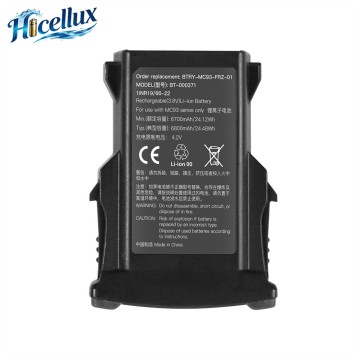
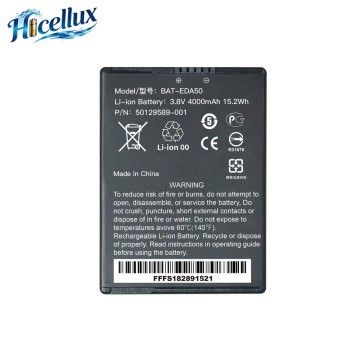
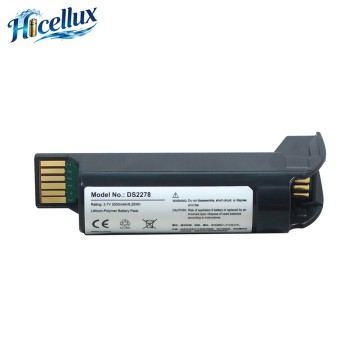
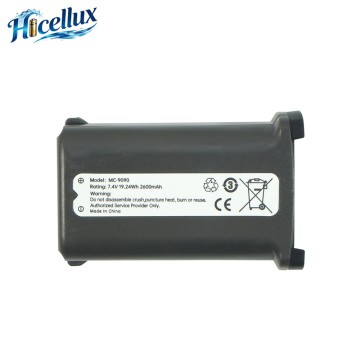
For handheld and mobile payment POS terminals utilized by courier services, the challenges are equally demanding. A device like the Zebra MC9300 or the PAX S920 operates in varying outdoor temperatures, from freezing winter mornings to scorching summer afternoons. A sub-par battery will suffer from voltage drops, leading to unexpected device shutdowns, corrupted transaction data, and lost sales. Hicellux’s replacement batteries are specifically engineered with premium cells to guarantee stable voltage curves, ensuring that POS systems remain online when they are needed most.
The future of retail is autonomous, mobile, and highly efficient. As battery chemistry continues to advance, we expect to see several transformative trends shape the industry:
Solid-state technology promises to double the energy density of current lithium-ion packs while virtually eliminating the risk of thermal runaway. This will allow delivery drones to double their flight range, making long-distance rural deliveries commercially viable for average retailers.
Minimizing downtime is crucial for fleet logistics. The next generation of POS and drone batteries will support ultra-fast charging protocols, allowing devices to reach 80% capacity in under 15 minutes. This ensures that delivery drones spend more time in the air and less time on charging pads.
Modern batteries are becoming intelligent. Integrated microchips monitor cell temperature, internal resistance, and cycle health in real-time. By utilizing AI algorithms, these systems can predict battery failure before it happens, allowing retail operators to swap out batteries proactively and avoid terminal downtime during busy shopping seasons.
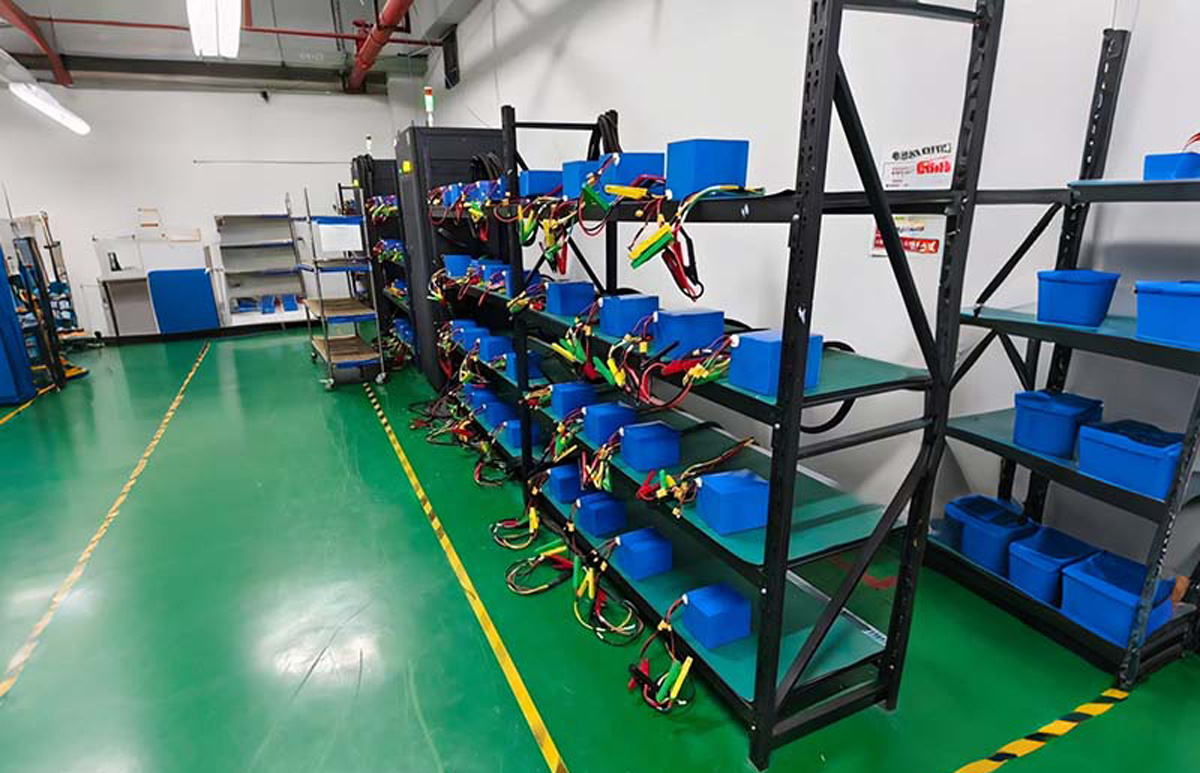
Our team is a professional and experienced group that has been deeply involved in the battery industry for over a decade. We have accumulated profound industry knowledge and are always committed to technological innovation and quality improvement. We have built a strong and integrated capability covering R&D, production, marketing and after-sales service, making us a reliable partner in the battery field.
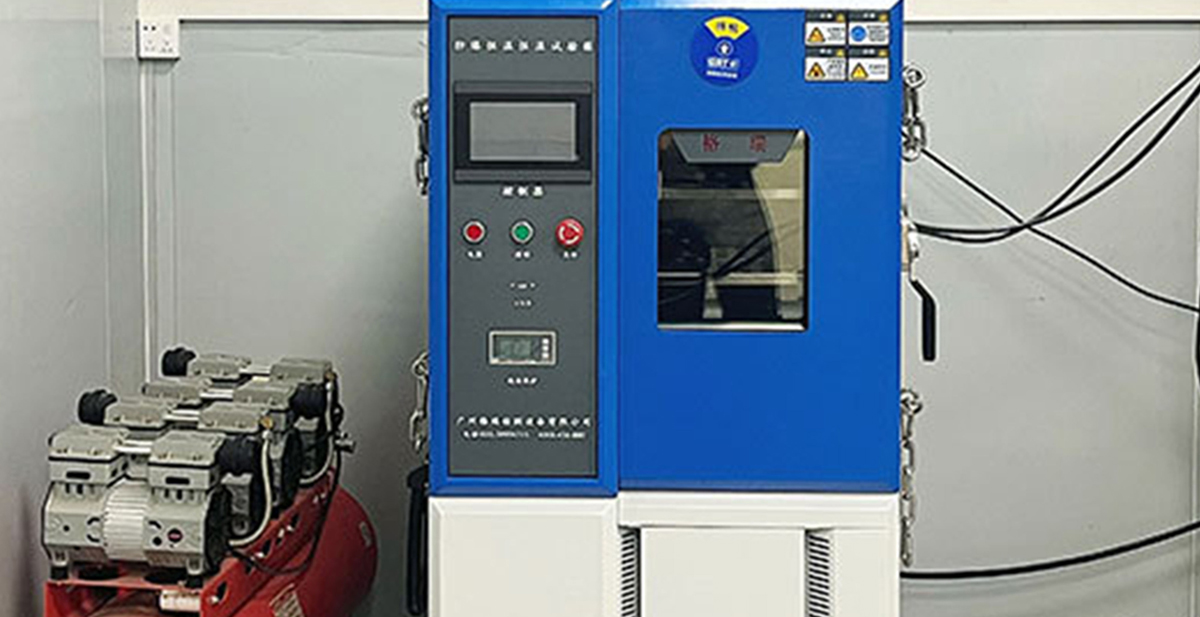
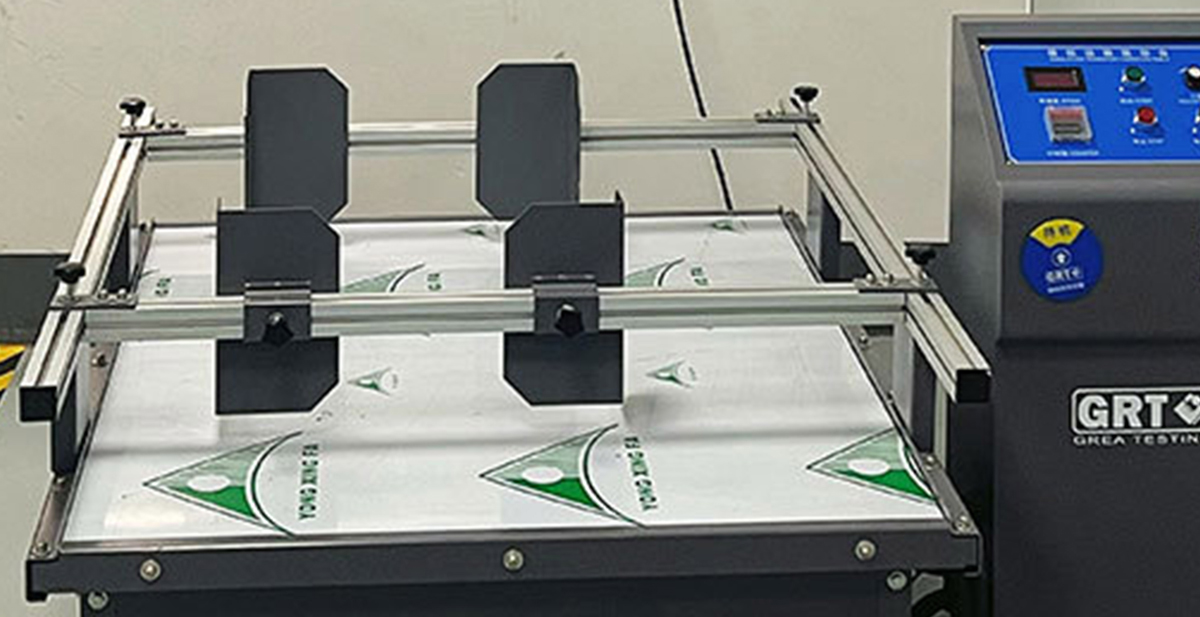
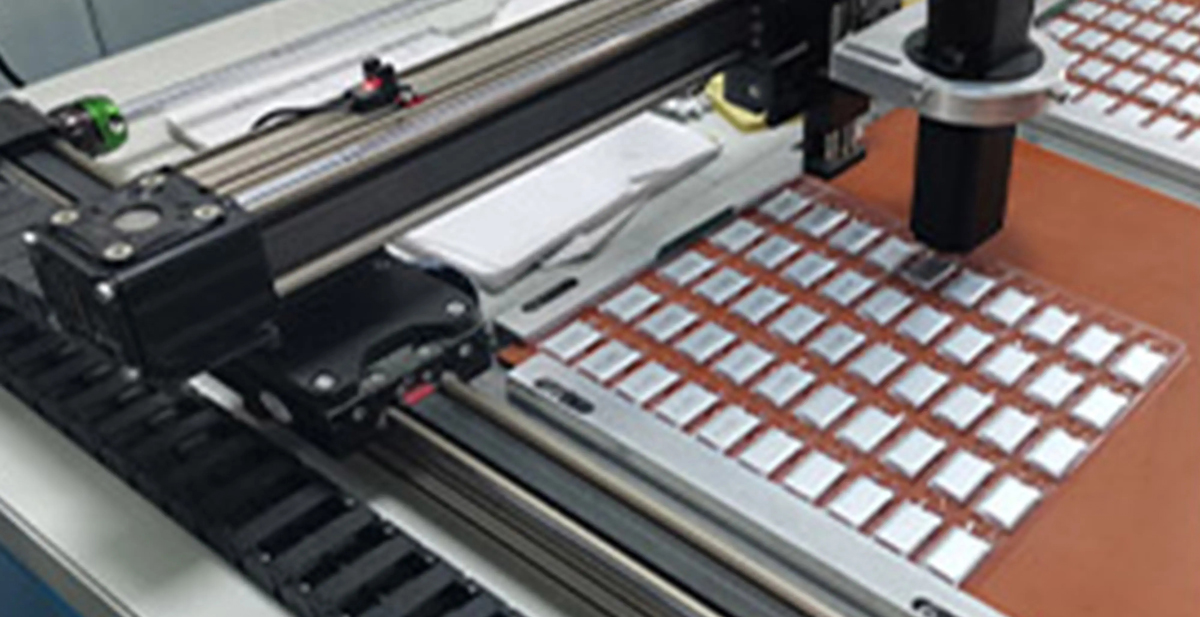
In terms of R&D and production, we have a team of senior engineers and technical experts with rich experience in battery technology research and product development. Equipped with advanced production equipment and strict quality control systems, we can independently complete the whole process from product design, technology research to mass production, ensuring stable product quality and high performance that meet market demands.
In marketing and after-sales service, we have a professional team with keen market insight and efficient execution. We have established a comprehensive marketing network to accurately grasp market trends and provide customized solutions for customers. Meanwhile, our after-sales team responds quickly to customer needs, providing timely technical support and service guarantee, winning wide recognition and trust from customers. With our all-round strength, we are committed to promoting the development of the battery industry and creating greater value for our partners.

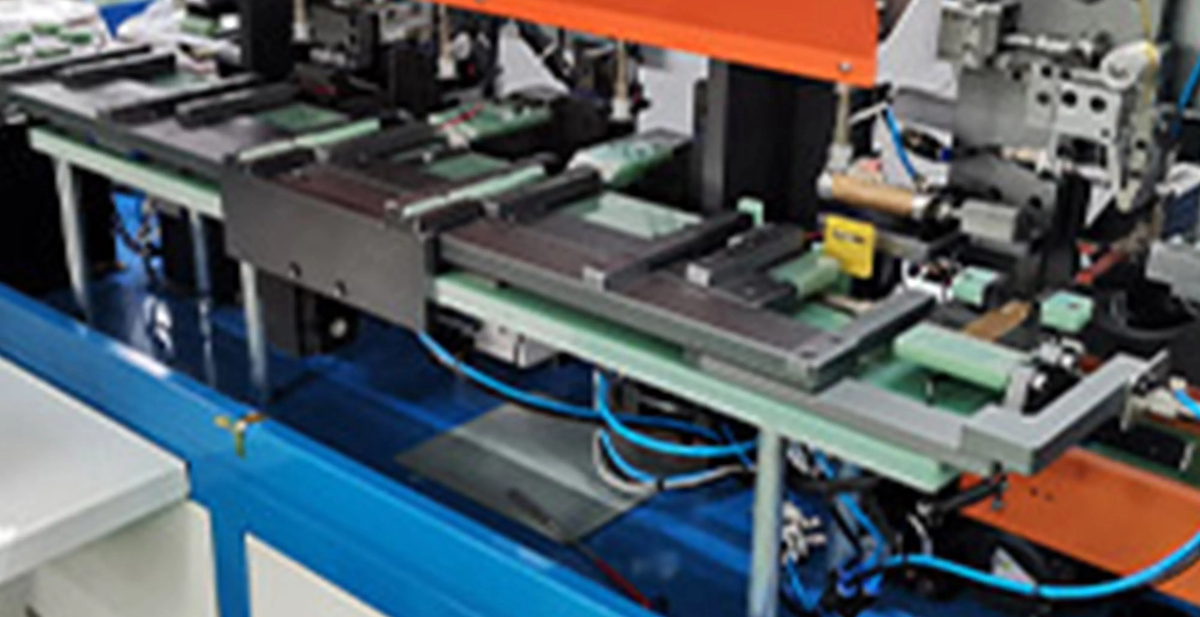
API 6D, API 607, CE, ISO9001, ISO14001, ISO18001, TS. (If you need our certificates, please contact us)
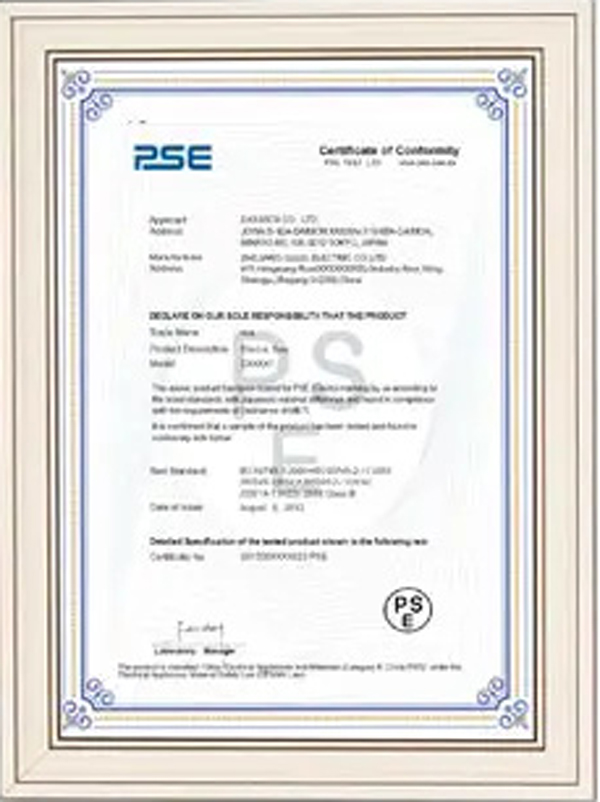
PSE
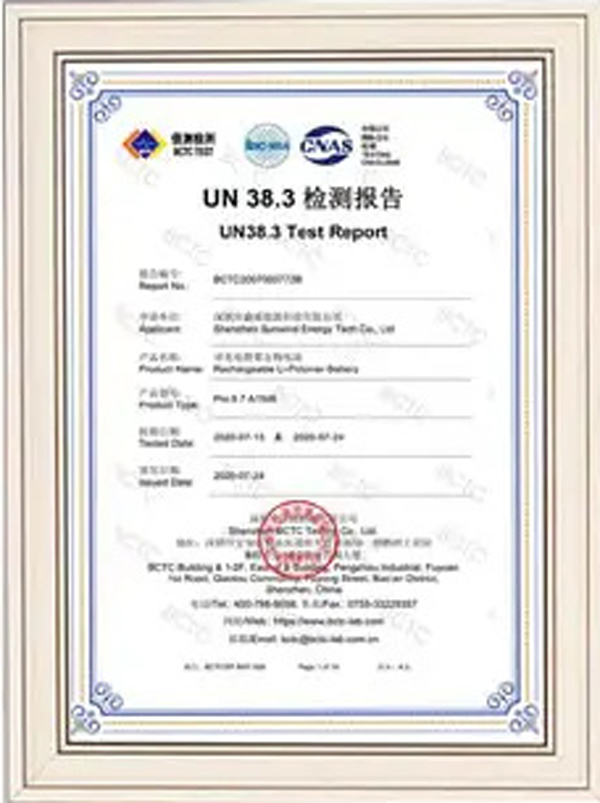
UN 38.3
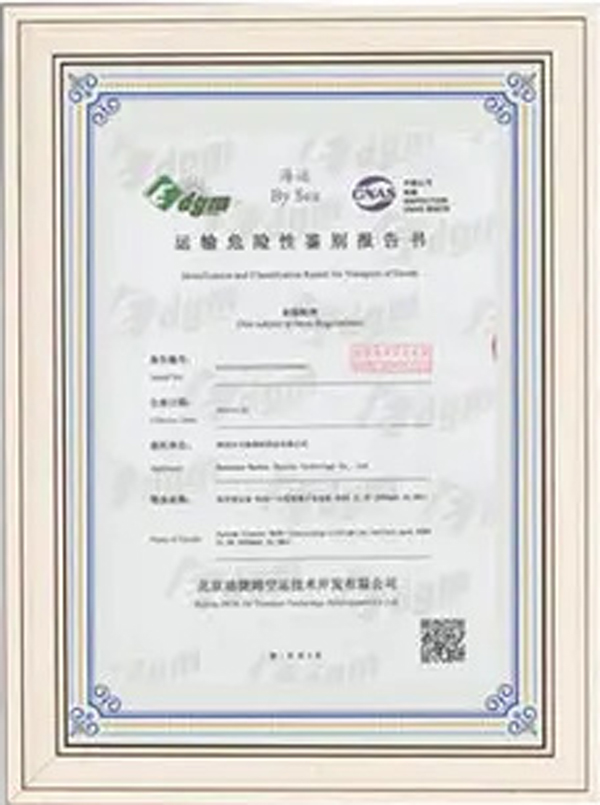
DGM
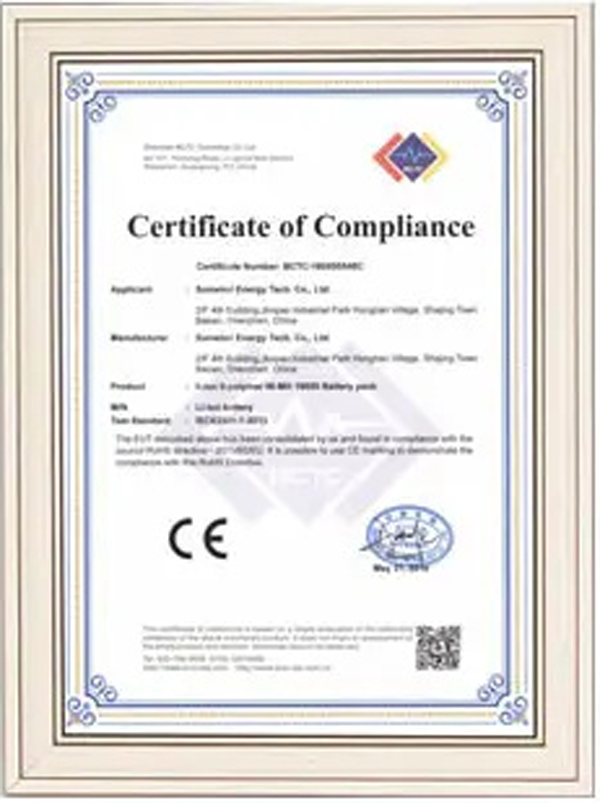
CE