

News
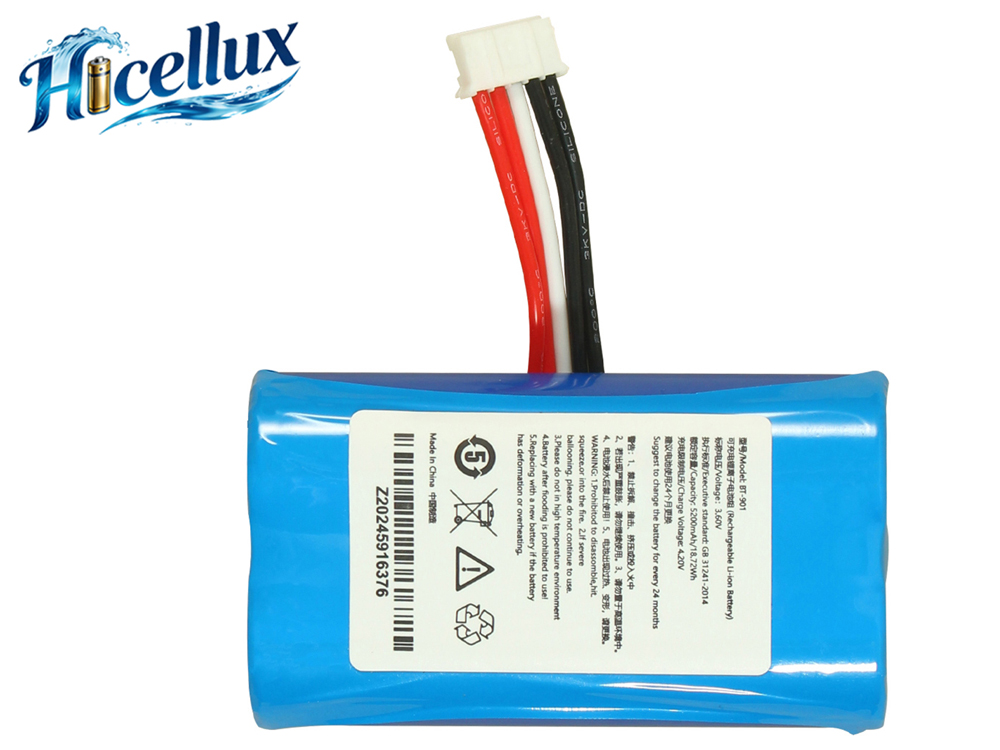
POS Battery Market Grows Steadily Amid Retail Digitalization Drive
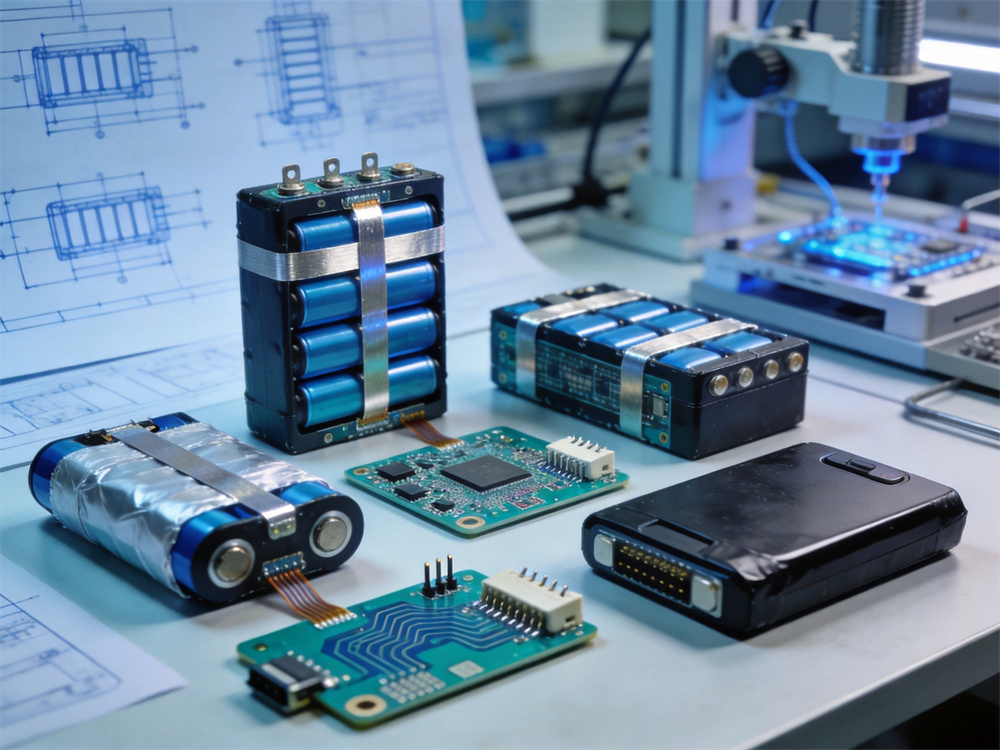
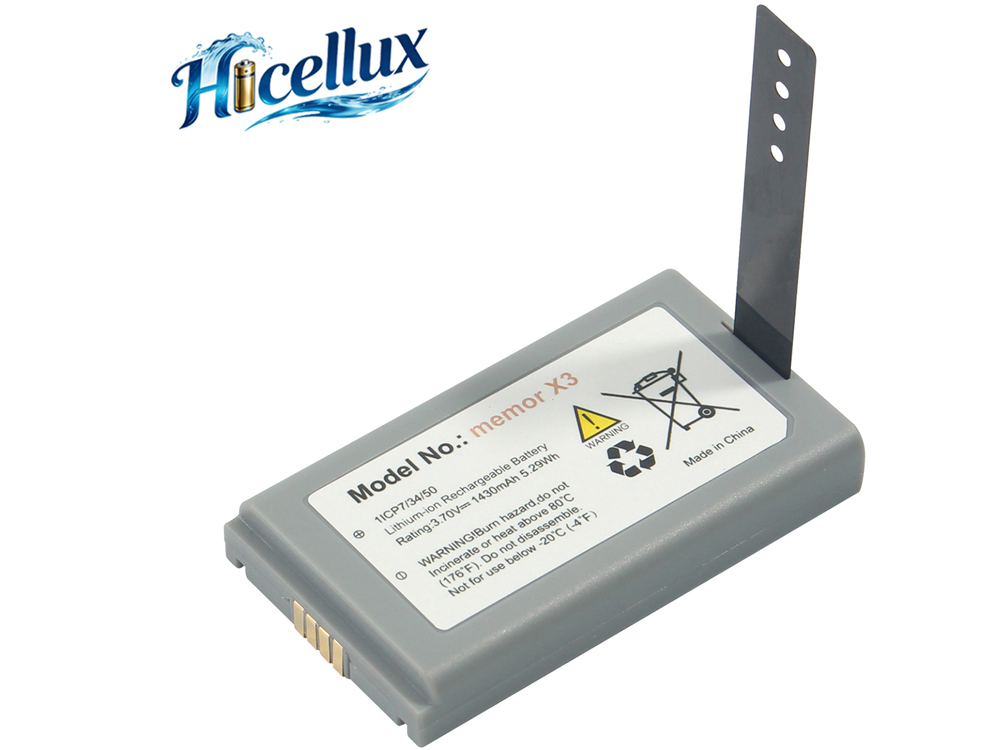
The POS battery industry is experiencing consistent expansion, fueled by the ongoing digital transformation of retail, catering, and hospitality sectors worldwide.
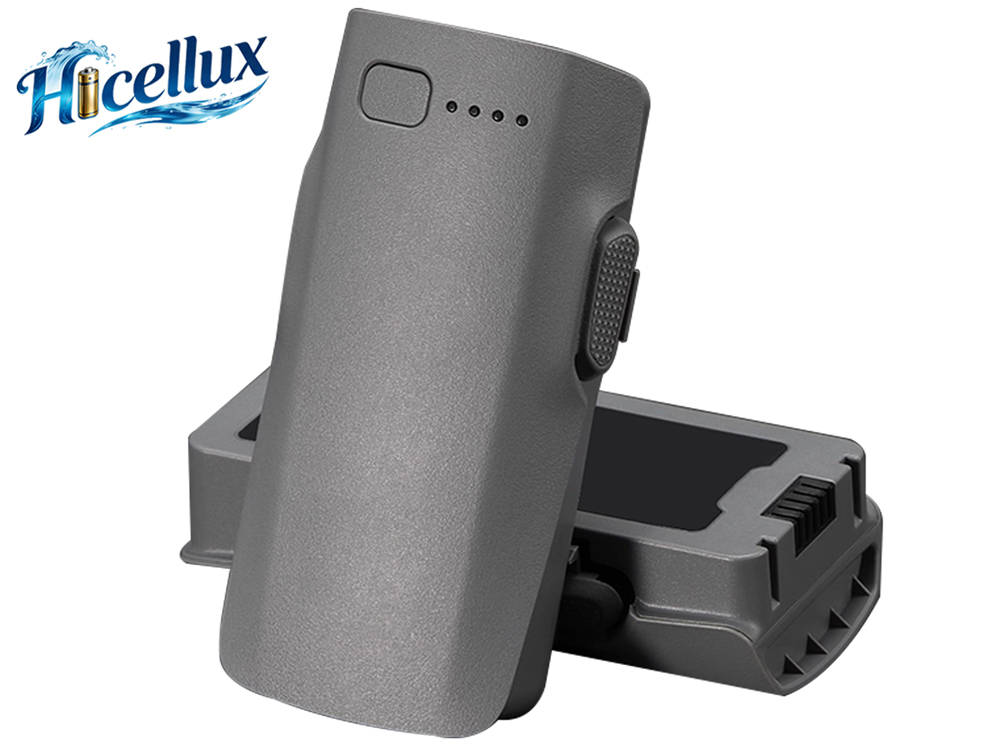
Drone Battery Industry Advances with Enhanced Performance and Eco-friendly Design
The drone battery sector is undergoing steady development, propelled by the expanding application scope of unmanned aerial vehicles (UAVs) across agriculture, logistics, surveying, and public safety industries.
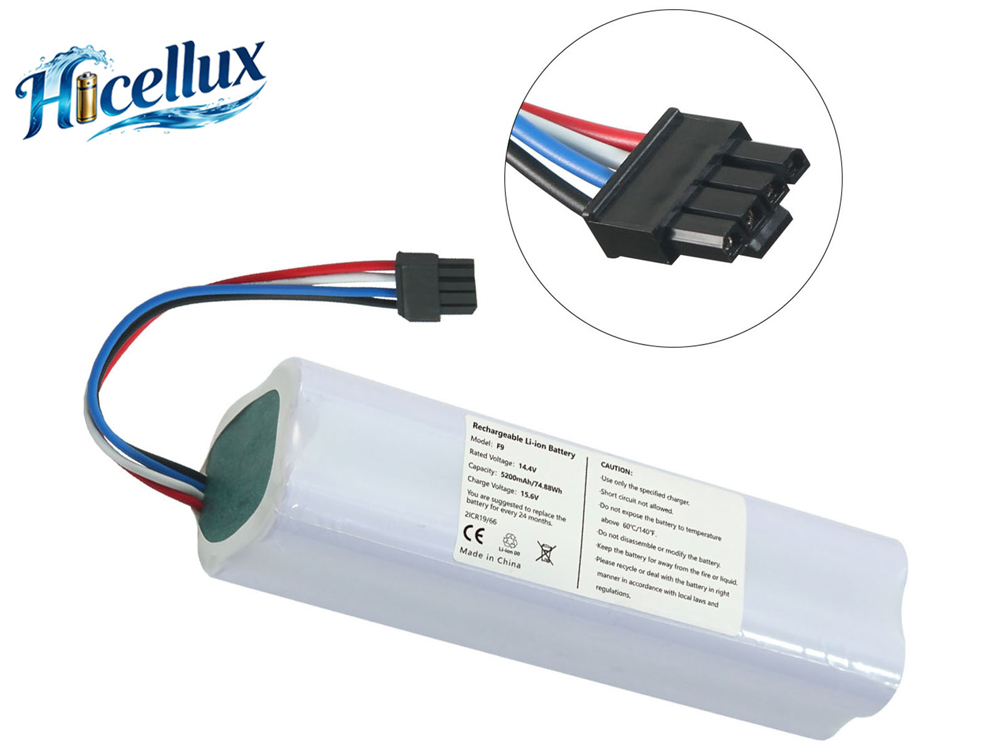
Robotic Vacuum Cleaner Battery Market Expands with Performance and Durability Upgrades
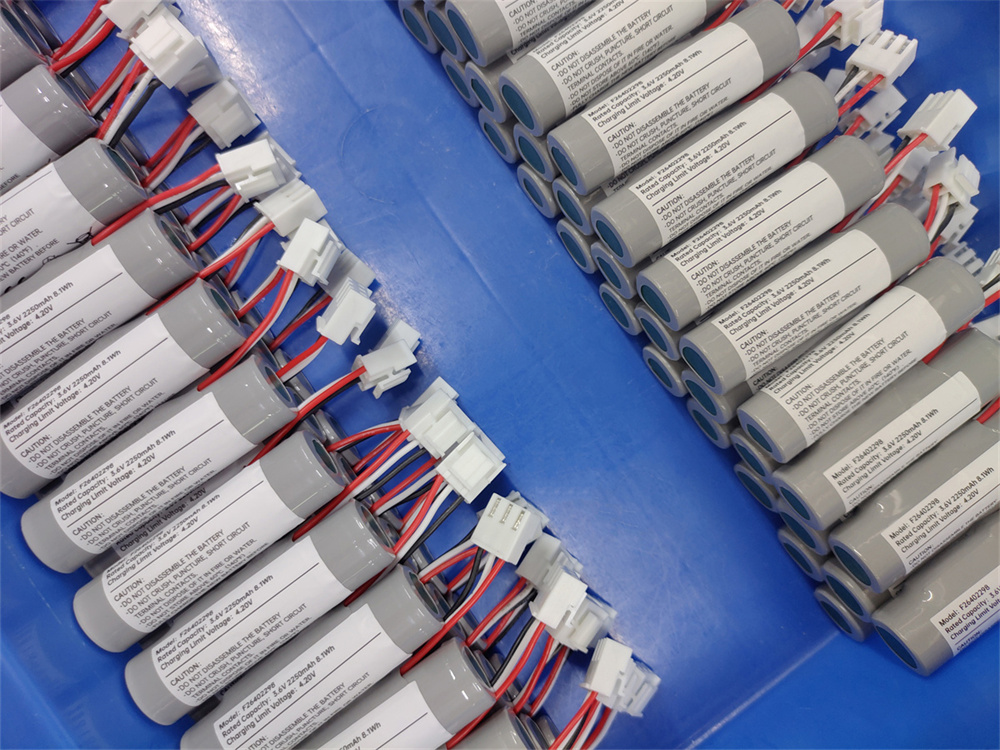
Lithium-ion batteries remain the mainstream power source for robotic vacuum cleaners, favored for their high energy density, low self-discharge rate, and stable discharge performance.
LiPo vs Li-ion for Drones: How Cell Chemistry Affects Flight Time
The choice between LiPo (lithium polymer) and Li-ion (lithium ion) for drone batteries is not purely academic—it directly impacts flight time, safety margins, and total cost of operation. While both chemistries fall under the broader lithium family, their discharge characteristics, form factors, and safety profiles differ significantly. Commercial drone fleet operators managing DJI Mini, Mavic, Air, and Avata aircraft need to understand these distinctions when sourcing replacement batteries.
Extend Lithium Battery Lifespan: Storage, Charging, and Maintenance
A lithium-ion battery's lifespan is measured in charge cycles, but how those cycles are executed dramatically affects total service life. Under optimal conditions, a quality Li-ion cell delivers 500 cycles to 80% capacity. Under poor conditions—high temperature storage, frequent full discharges, and fast charging—the same cell may reach 80% capacity in as few as 150 cycles. These best practices apply across all device categories: drone batteries, POS terminal packs, robot vacuum cells, and medical device batteries.
Li-ion vs NiMH vs LiFePO4: Choosing the Right Battery Chemistry
The replacement battery market spans three primary chemistries: lithium-ion (Li-ion), nickel-metal hydride (NiMH), and lithium iron phosphate (LiFePO4). Each chemistry offers distinct trade-offs in energy density, cycle life, safety, and cost. For B2B buyers managing multiple device types—from PAX payment terminals to iRobot Roomba vacuums—understanding these differences is essential for selecting the right replacement and avoiding compatibility issues.
Replacement Battery Not Charging? Fixes for POS and Drone Batteries
A replacement battery that refuses to charge is one of the most common post-installation complaints across all product categories. Before returning the battery, there are several diagnostic steps that resolve 80% of no-charge scenarios without requiring a replacement. These steps apply to PAX POS terminals, DJI drone batteries, robot vacuum packs, and medical device batteries.
Two-Way Radio Battery Replacement: Kenwood and Icom Guide
Two-way radios remain essential for security teams, event coordinators, construction crews, and public safety personnel. Unlike consumer electronics, these devices operate in mission-critical environments where a battery failure means losing communications entirely. For Kenwood TK-3207G and Icom F52D users, sourcing a compatible high-quality replacement battery requires understanding voltage requirements, form factor differences, and charging system compatibility.
CE, FCC, RoHS, UN38.3: B2B Guide to Battery Safety Certifications
Every replacement battery sold in international markets carries (or should carry) a set of certification marks that indicate compliance with safety, environmental, and performance standards. For B2B procurement professionals, understanding what each mark means, which ones apply to their market, and how to verify them is essential for regulatory compliance and liability protection. This guide provides a practical reference for evaluating battery certifications.
OEM Spec vs Generic Replacement Batteries: Quality Check Guide
The replacement battery market spans a wide spectrum from genuine OEM parts (expensive, guaranteed) to unbranded generics (cheap, uncertain). For B2B buyers managing fleet costs, the optimal position is "OEM-spec" replacements: batteries built to OEM tolerances using grade-A cells, but sold at 40-60% less than brand pricing. The challenge lies in distinguishing genuine OEM-spec products from low-grade alternatives. This article provides practical verification criteria for procurement teams.