

LiPo vs Li-ion for Drones: How Cell Chemistry Affects Flight Time
The choice between LiPo (lithium polymer) and Li-ion (lithium ion) for drone batteries is not purely academic—it directly impacts flight time, safety margins, and total cost of operation. While both chemistries fall under the broader lithium family, their discharge characteristics, form factors, and safety profiles differ significantly. Commercial drone fleet operators managing DJI Mini, Mavic, Air, and Avata aircraft need to understand these distinctions when sourcing replacement batteries.
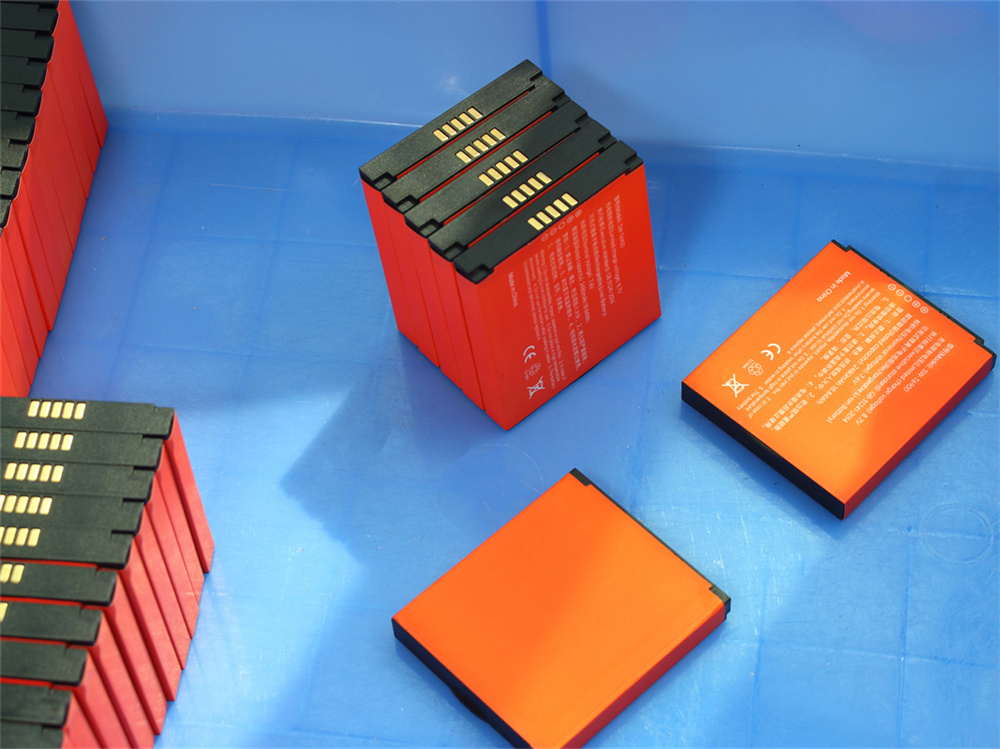
LiPo cells use a pouch format with a gel-like electrolyte encased in a flexible aluminized laminate. This design allows extremely high discharge rates—up to 20C continuous and 40C burst for high-performance FPV packs. The internal resistance of a LiPo cell is typically 2-5mOhm compared to 15-30mOhm for a cylindrical Li-ion cell. Lower resistance means less voltage sag under high current draw, which is critical during aggressive throttle changes and rapid climbs. DJI Avata and FPV-style drones benefit most from LiPo's high-discharge capability.
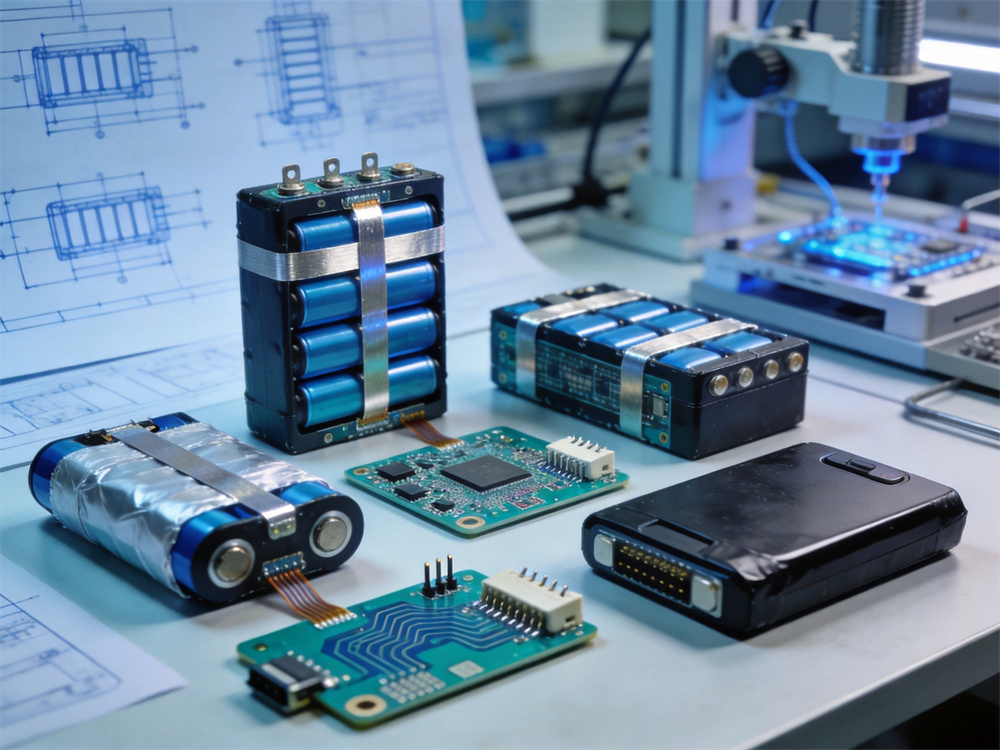
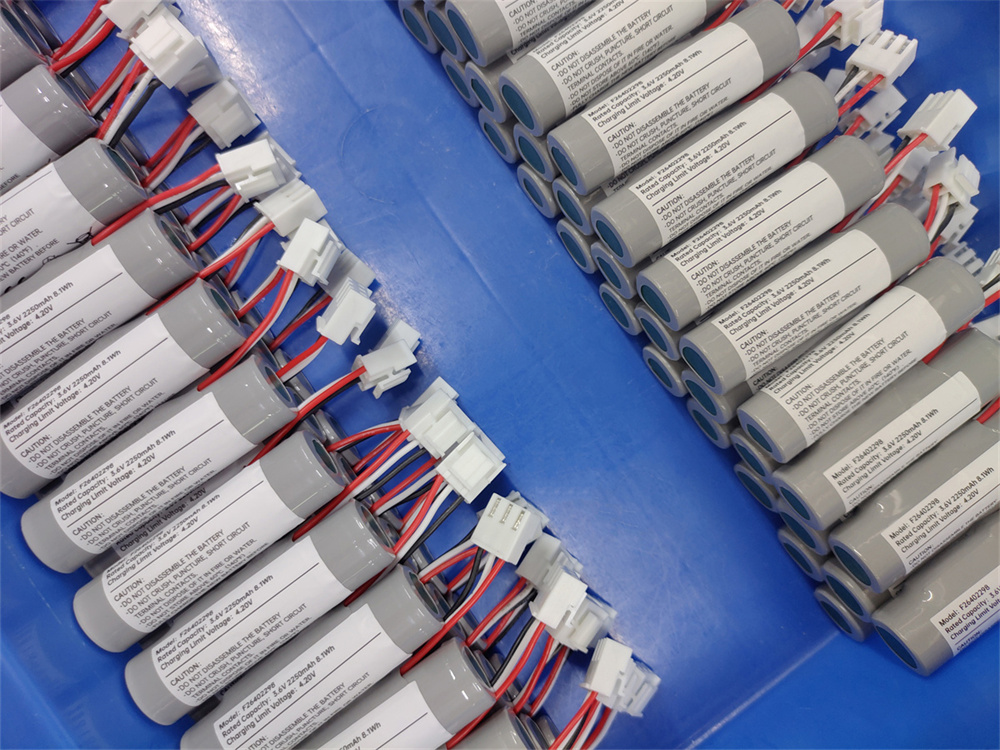
Li-ion cells use a cylindrical format (18650, 21700) with a liquid electrolyte encased in a rigid steel can. Energy density is higher: 260Wh/kg for premium Li-ion vs 200-220Wh/kg for LiPo. For a DJI Mini 4 Pro, this means a Li-ion pack of the same physical weight delivers approximately 15-20% more flight time under steady cruising conditions. Most DJI consumer drones (Mini, Mavic series) use Li-ion packs configured as 2S (7.4V) or 4S (14.8V) assemblies with integrated BMS for cell balancing.
Safety profiles diverge significantly. LiPo cells are mechanically fragile—a puncture from a crash can cause rapid chemical venting. Li-ion cells with steel casings withstand impact better but can still enter thermal runaway if the separator is damaged. DJI's intelligent battery design incorporates both: Li-ion cells for energy density and a protective steel frame. Aftermarket drone batteries using unprotected LiPo cells may be lighter but increase fire risk in impact scenarios. Always verify that a replacement drone battery carries UN38.3 certification for transport safety.
Practical recommendation: for sustained cruising flight (mapping, inspection, cinematography), Li-ion is the better choice due to higher energy density and longer cycle life (300-500 cycles). For aggressive FPV flying where burst discharge is needed, LiPo remains the standard. For mixed use, some manufacturers now offer hybrid packs combining Li-ion cells for cruise power with LiPo cells for burst. When sourcing replacements, request the cell data sheet showing continuous and burst current ratings, and verify that the BMS firmware is compatible with your specific drone model for proper capacity reporting and auto-discharge functionality.