


Lithium Battery Export Compliance 2025: UN38.3 and IEC 62133 Guide
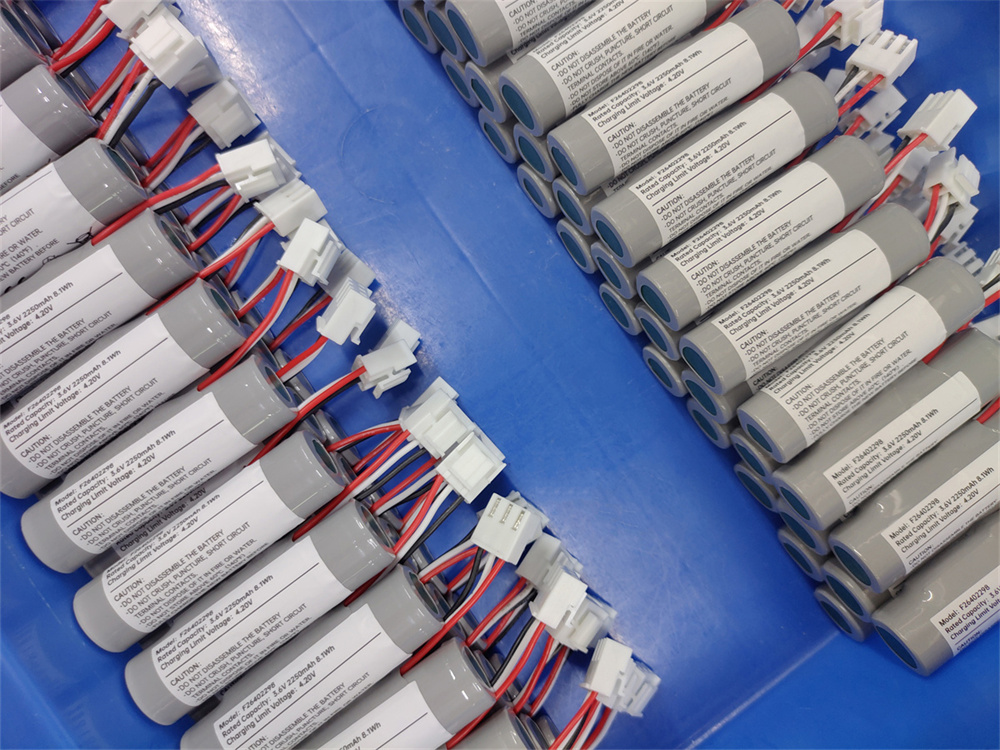
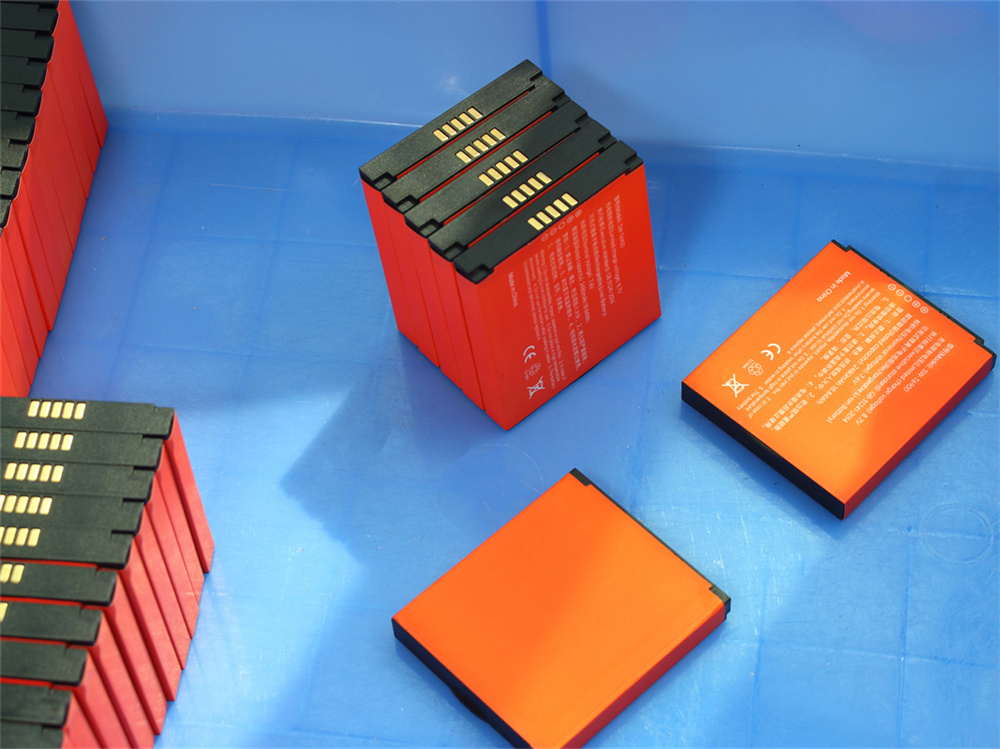
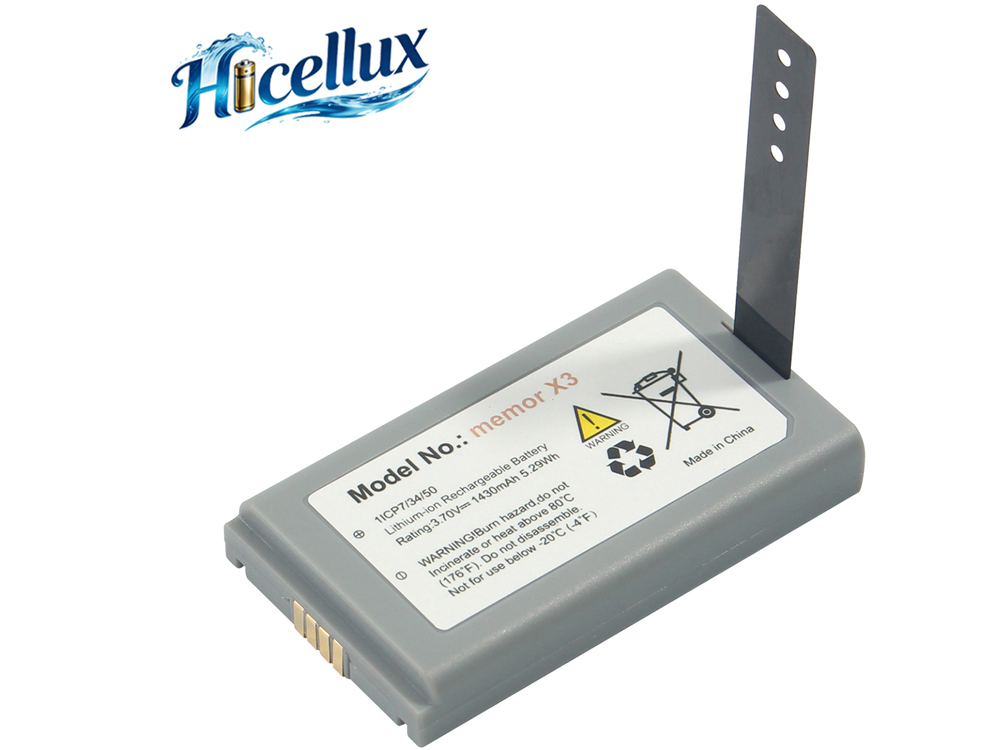
Shipping lithium batteries internationally requires navigating a complex framework of regulations that change annually. For B2B buyers and suppliers of replacement batteries, understanding the 2025 regulatory landscape is essential to avoid customs delays, fines, or shipment rejections. Three standards form the core compliance framework: UN38.3 (transport safety testing), IEC 62133 (product safety for portable batteries), and the IATA Dangerous Goods Regulations (air transport rules).
UN38.3 is the bedrock requirement for any lithium battery shipped by air, sea, or ground. It mandates passing eight tests: altitude simulation (low pressure), thermal cycling (rapid temperature changes), vibration, shock, external short circuit, impact/crush, overcharge, and forced discharge. Each battery pack must have a valid test summary document signed by the manufacturer. In 2024, IATA tightened enforcement, requiring the test summary to be physically included with shipments or accessible via a QR code on the package.
IEC 62133 is the product safety standard for portable lithium batteries used in consumer and commercial devices. It covers design requirements, cell-level testing, and system-level protection features. The 2022 edition (IEC 62133-2:2017+AMD1:2021) introduced stricter requirements for battery management system (BMS) reliability and creepage/clearance distances on the PCB. Batteries certified to the older 2012 edition are being phased out; verify your supplier's certification date.
For air shipments specifically, IATA Section II (PI967 and PI970) allows batteries shipped with or in equipment to travel under stricter but manageable conditions. Batteries must be at a state of charge not exceeding 30% for cargo aircraft (previously 30% for passenger aircraft only). Shipments exceeding certain weight thresholds require a Shipper's Declaration for Dangerous Goods and a trained Dangerous Goods Safety Advisor.
Practical steps for B2B buyers: request the manufacturer's UN38.3 test summary before placing the first order. Verify it is signed, dated within the past 12 months, and lists the exact battery model number. Confirm IEC 62133 certification is to the 2022 edition. Work with a freight forwarder experienced with lithium battery shipments. Improperly declared shipments risk fines of up to $50,000 per incident under US DOT regulations.