

Industry Information

Medical Device Battery Compliance: What B2B Buyers Must Check
2026-06-16
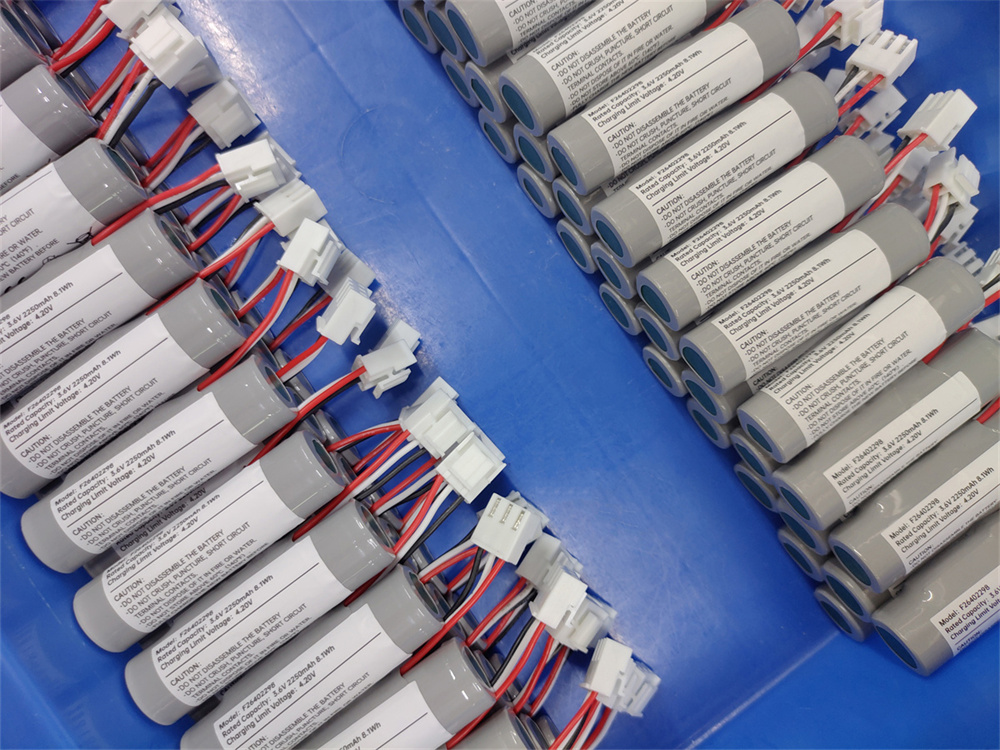
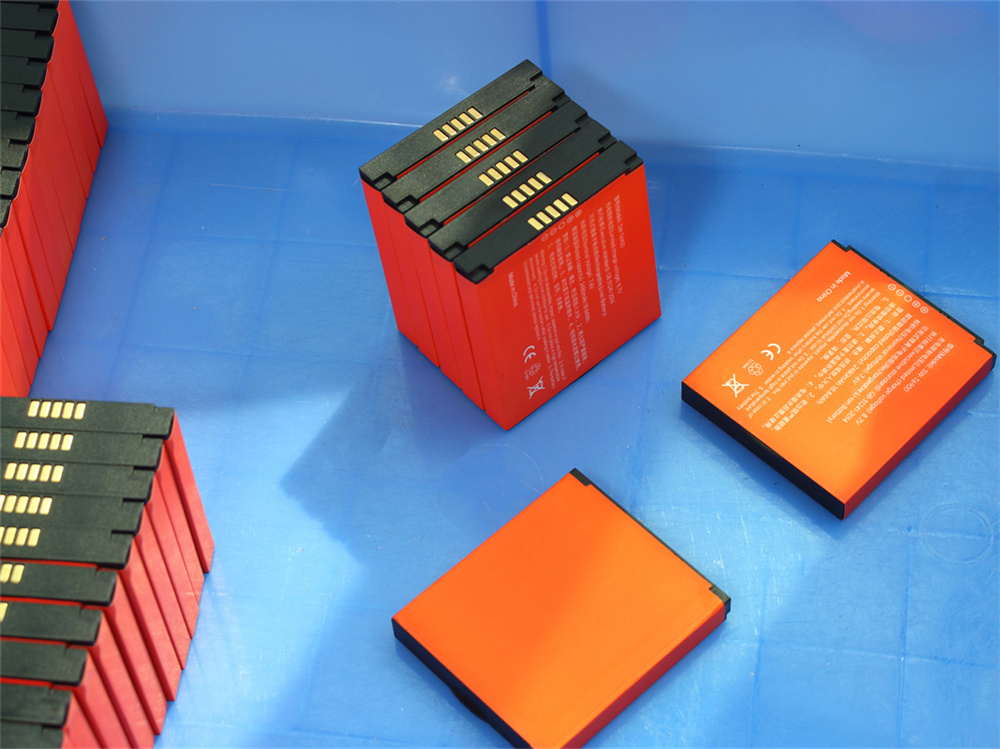
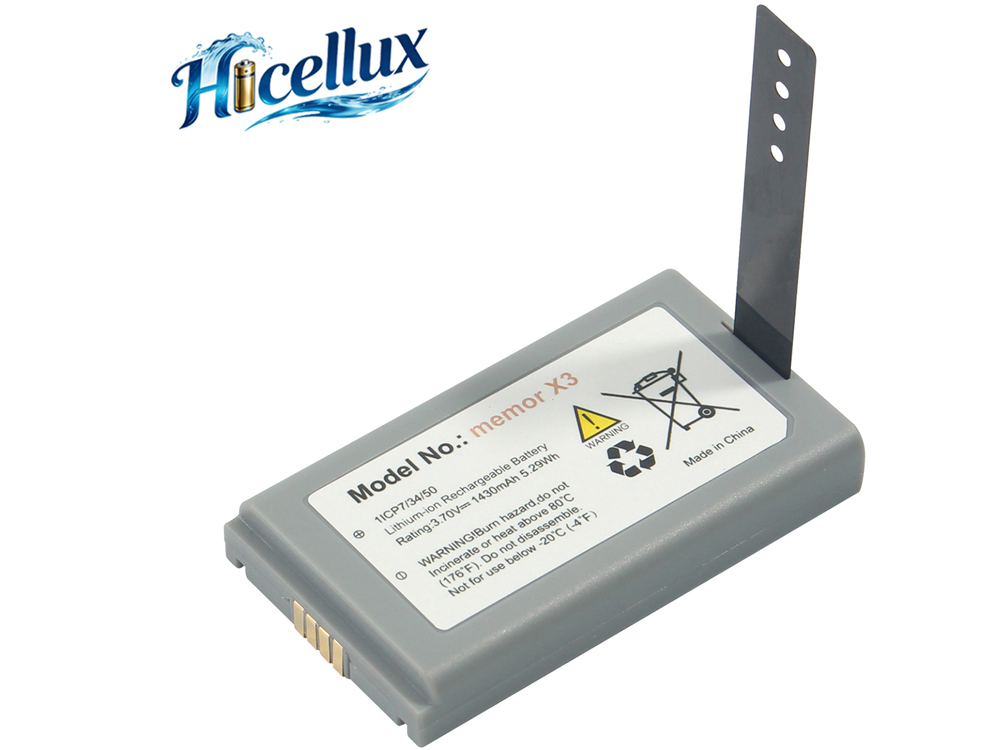
Replacement batteries for medical equipment, particularly Welch Allyn vital signs monitors and diagnostic devices, operate under stricter regulatory requirements than consumer electronics. The consequences of a battery failure in a clinical setting range from interrupted patient monitoring to equipment damage. B2B buyers in healthcare procurement must verify several compliance factors before approving replacement battery purchases.
First, the replacement battery must carry CE marking (Medical Device Regulation 2017/745 for EU markets) or equivalent certification. Welch Allyn devices are classified as Class II medical devices; using an uncertified replacement battery voids the device warranty and may trigger regulatory liability. Verify that the manufacturer provides a Declaration of Conformity and can produce test reports upon request.
Second, the electrical specifications must match within strict tolerances. Welch Allyn vital signs monitors typically use 11.1V (3S) Li-ion packs with explicit current ratings for continuous monitoring. A battery with insufficient discharge capacity causes voltage drop during measurement cycles, producing erratic SpO2 and NIBP readings. Always request the OEM specification sheet and cross-reference pin assignments.
Third, the replacement battery should include redundant protection features: over-voltage protection, under-voltage lockout, short-circuit protection, over-temperature cutoff, and cell balancing. Medical device batteries operate under continuous trickle charge conditions in many setups, which accelerates degradation in packs without proper balancing circuitry.
For healthcare facilities managing multiple Welch Allyn devices, standardize on a single replacement battery supplier. This simplifies inventory management, staff training, and supplier auditing. Request batch-level test data for each purchase order, including open-circuit voltage, internal resistance, and capacity at 0.2C discharge. Maintain a replacement log documenting installation date, device serial number, and battery lot number for traceability. A documented battery history is essential for Joint Commission accreditation audits.
Patient safety depends on reliable equipment power. Partner with a supplier that provides full compliance documentation, batch traceability, and medical-grade quality assurance for every replacement battery. Evaluation samples and compliance packages are available for hospital procurement teams.