

OEM Battery Pack Customization: How Fast-Response Manufacturing Is Reshaping the Battery Industry
In an era where devices are becoming increasingly specialized, off-the-shelf batteries often fall short of meeting unique power requirements. From industrial POS terminals operating in extreme temperatures to agricultural drones needing high-discharge-rate power sources, the demand for custom battery packs has never been higher.
OEM battery pack customization — the process of designing and manufacturing battery packs tailored to specific device requirements — is transforming how businesses source power solutions. And with advancements in manufacturing technology, what once took months can now be accomplished in days.
This guide explores the complete OEM battery customization process, key design considerations, quality standards, and how fast-response manufacturing is setting new industry benchmarks.
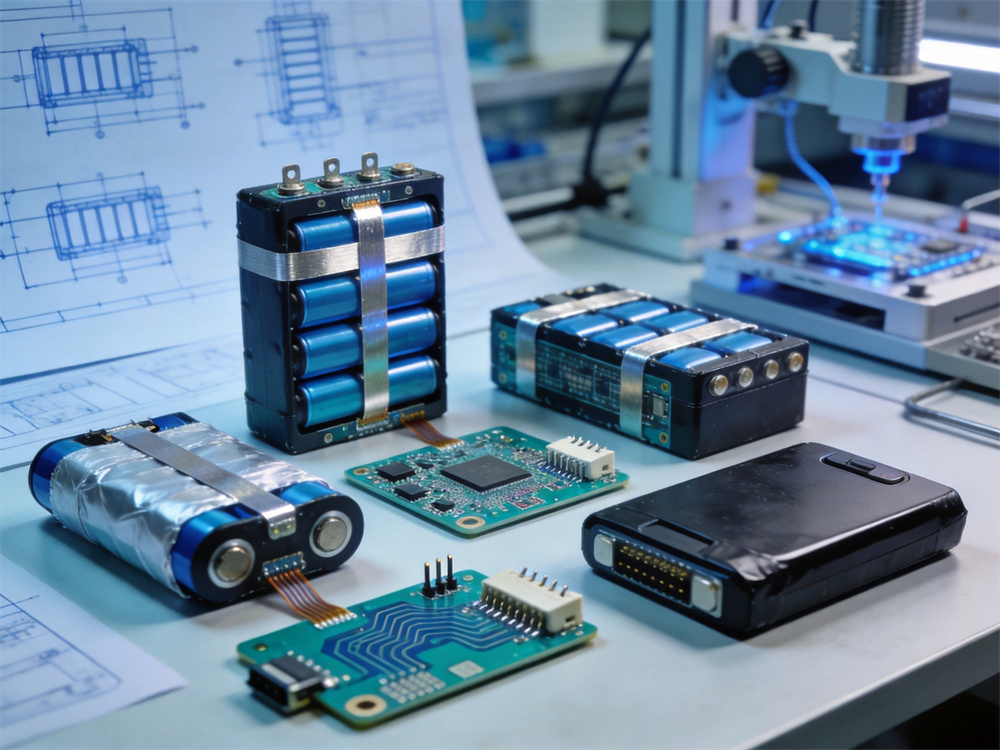
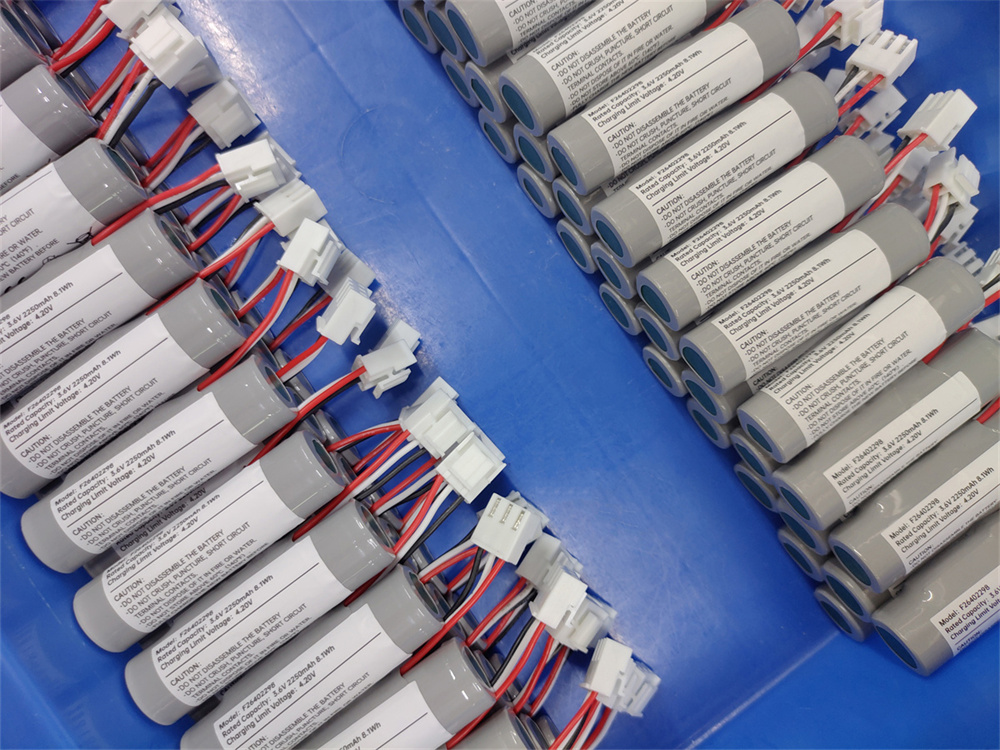
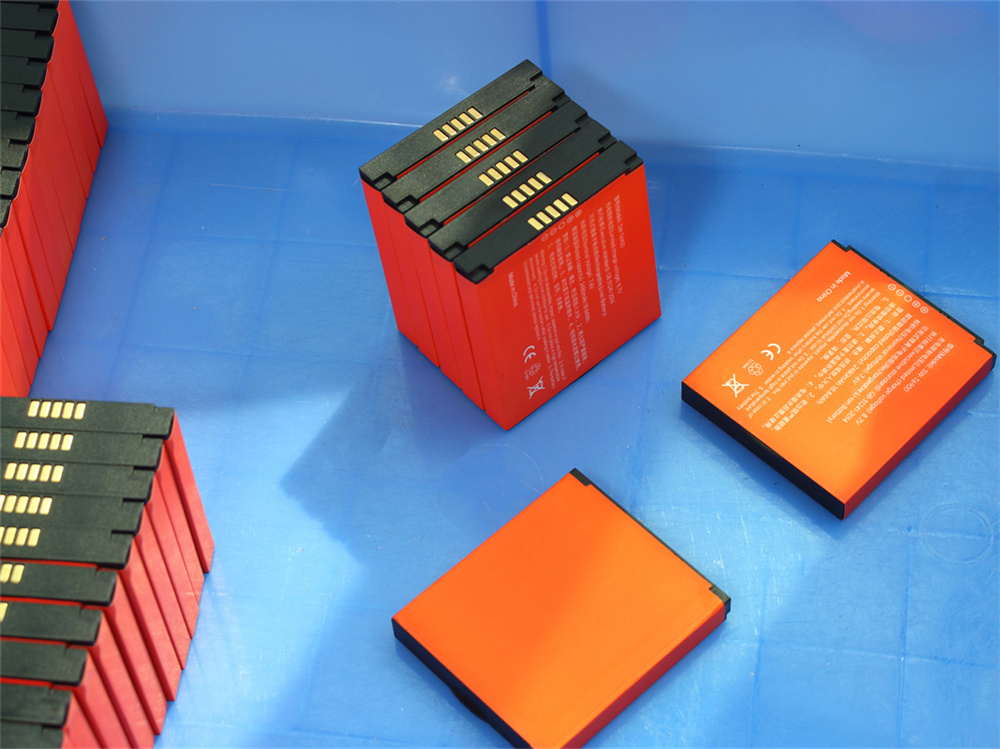
An OEM (Original Equipment Manufacturer) battery pack is a custom-designed battery assembly built to the exact specifications of a particular device or application. Unlike standard replacement batteries, OEM packs are engineered from the ground up — covering everything from cell selection and capacity design to form factor, connector type, and firmware integration.
| Feature | Standard Replacement Battery | OEM Custom Battery Pack |
| Design process | Based on existing OEM specifications | Custom-designed from scratch |
| Cell selection | Matches original specifications | Optimized for specific use case |
| Form factor | Must fit existing battery compartment | Can be any shape or size |
| Connector | Matches original device connector | Fully customizable |
| Capacity | Matches or slightly exceeds original | Can be significantly higher or lower |
| BMS programming | Generic protection parameters | Application-specific optimization |
| Lead time | Ready to ship | 1-day sampling, 1-week delivery (with fast-response manufacturers) |
| Best for | Replacing degraded batteries in common devices | New product development, unique applications, performance optimization |
1. Voltage and Capacity Specification
2. Cell Chemistry Selection
| Chemistry | Key Characteristics | Best Applications |
| Li-ion (18650/21700) | High energy density, proven reliability | Notebooks, POS terminals, power stations |
| Li-polymer (LiPo) | Flexible form factor, lightweight | Drones, slim devices, wearables |
| LiFePO4 (LFP) | Excellent safety, long cycle life | Industrial equipment, energy storage |
| High-voltage LiPo | Higher energy density per gram | Racing drones, high-performance devices |
3. Battery Management System (BMS) Design
4. Physical Design and Form Factor
5. Environmental and Regulatory Compliance
Detailed consultation on device specs, operating environment, and regulatory needs.
Engineers create cell configuration, BMS circuit design, and physical layout.
Functional prototype ready for electrical, dimensional, and safety testing.
Real-world testing and fine-tuning of capacity, fit, and parameters.
Small batch production (50–200 units) using full production tooling.
Full-scale manufacturing with 100% individual unit testing and certification.
| Test Category | Test Name | Purpose |
| Electrical | Capacity verification | Confirms actual capacity matches specification |
| Safety | 1500V withstand voltage test | Ensures insulation integrity |
| Environmental | High-temperature test (60°C+) | Validates thermal protection |
| Mechanical | Vibration testing | Simulates transportation stress |
| Compliance | UN38.3 transportation test | 8-test sequence for shipping certification |
No physical facility, expired certifications, missing testing equipment, or pricing significantly below market rate.
Emerging trends include Solid-state batteries, AI-optimized BMS, and Sustainable manufacturing. The ability to move from concept to delivery in one week represents a fundamental shift, enabling faster product development and reduced inventory costs.
Hicellux brings over 15 years of battery manufacturing experience, a 5,000+ m² production facility, and a 120+ professional team to every OEM project. With full CE/RoHS/FCC/PSE/UN38.3/MSDS certification, mature decoding technology, and a 12-month warranty, Hicellux delivers custom battery solutions you can trust.
Ready to start your OEM battery project? Contact our engineering team for a free consultation.