

OEM Spec vs Generic Replacement Batteries: Quality Check Guide
The replacement battery market spans a wide spectrum from genuine OEM parts (expensive, guaranteed) to unbranded generics (cheap, uncertain). For B2B buyers managing fleet costs, the optimal position is "OEM-spec" replacements: batteries built to OEM tolerances using grade-A cells, but sold at 40-60% less than brand pricing. The challenge lies in distinguishing genuine OEM-spec products from low-grade alternatives. This article provides practical verification criteria for procurement teams.
Start with the cell brand. A legitimate OEM-spec manufacturer discloses the cell supplier (LG, Samsung, Panasonic, Murata, or equivalent Tier-1 manufacturer). Generic batteries often use B-grade or factory-reject cells with no traceable source. Request the cell datasheet and verify the manufacturer's claimed cycle life against published specifications. A Li-ion cell rated for 300 cycles at 80% capacity retention is baseline; 500 cycles is premium.
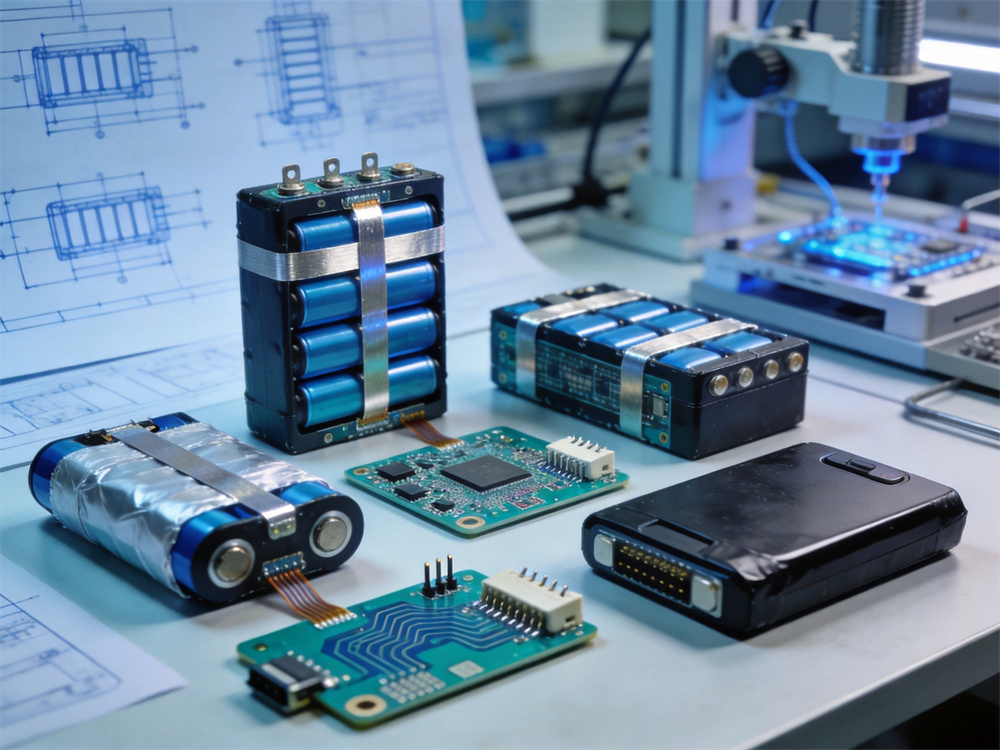
Next, examine the protection circuit board (PCB). OEM-spec batteries include a proper BMS with dedicated protection IC (such as Texas Instruments BQ series or Renesas ISL series), balancing resistors, thermistor monitoring, and a fuel gauge IC. A generic board typically uses a basic protection IC with no balancing or communication capability. Photograph the PCB through the shrink wrap (or request a sample unit for inspection).
Third, check documentation. A genuine OEM-spec supplier provides: UN38.3 test summary (with batch-specific testing, not just a generic certificate), CE Declaration of Conformity, RoHS test report, and a material safety data sheet (MSDS). Each document should reference the specific battery model number. Generic suppliers typically offer a single-page "certificate" with no model-specific data.
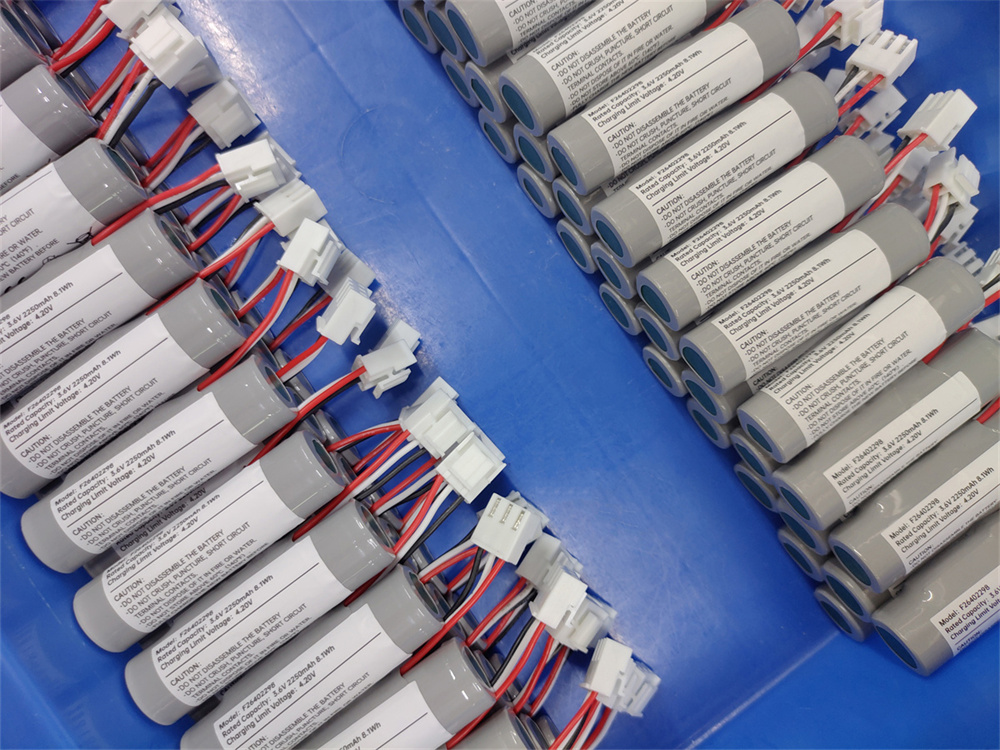
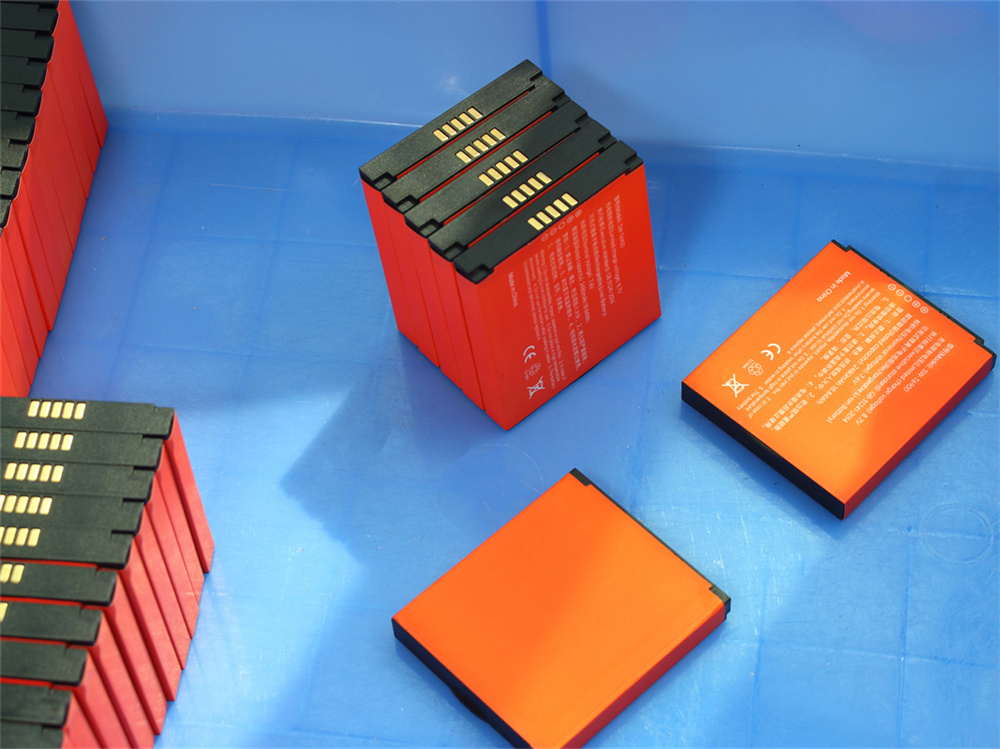
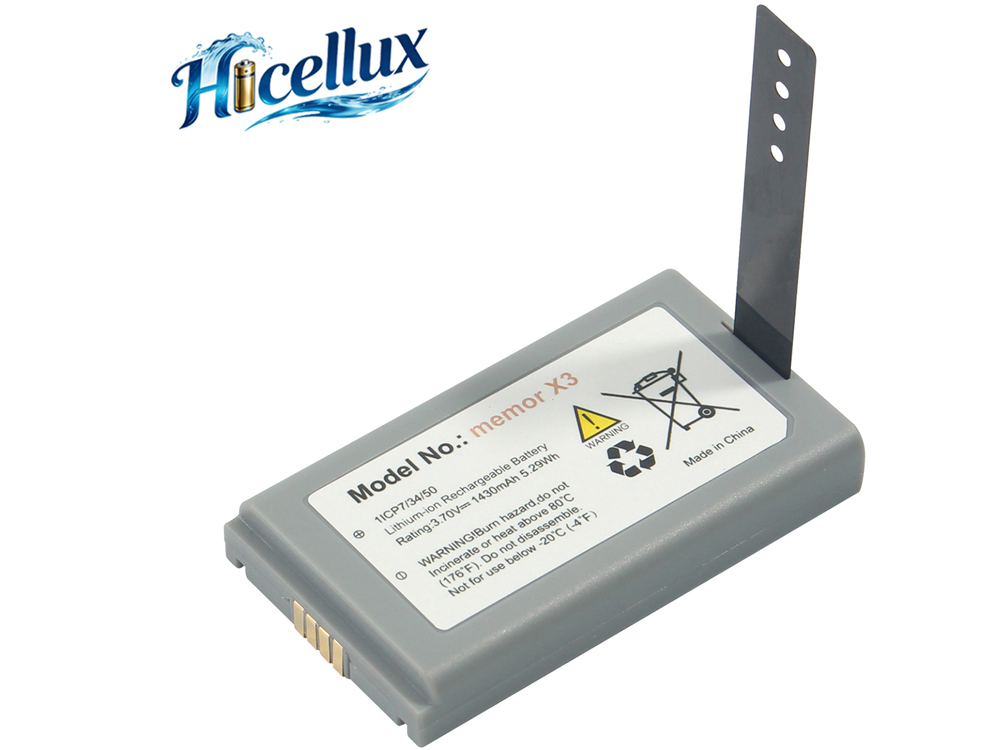
Finally, the packaging and labeling. OEM-spec batteries carry laser-etched or pad-printed labels with model number, nominal voltage, capacity, date code, and safety marks (CE, FCC, trash bin logo). Labels should be legible and securely bonded. Generic batteries often use paper stickers that peel off easily. Request samples before placing bulk orders and subject them to a 20-cycle charge/discharge test to verify capacity claims. A reputable supplier will provide test data without hesitation.
Due diligence on battery specifications and documentation pays for itself in reduced returns, longer equipment life, and compliance peace of mind.