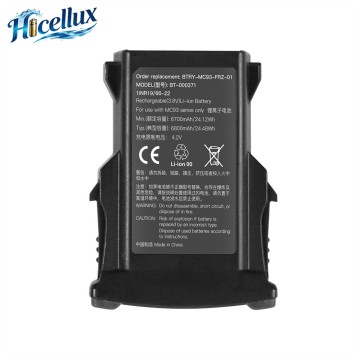
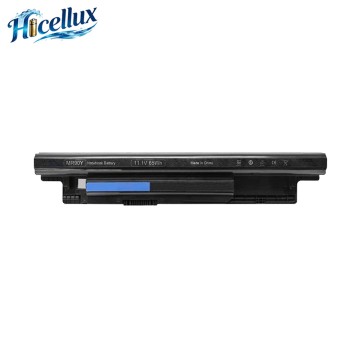
The Smart Home Revolution & Power Challenges
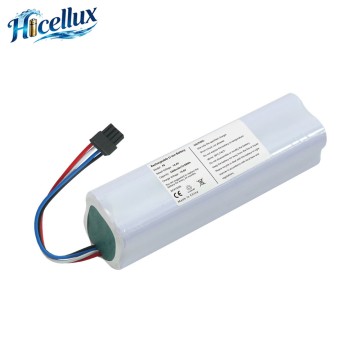
The global smart home cleaning industry has undergone an unprecedented paradigm shift over the past decade. The transition from heavy, corded canister vacuums to sleek, autonomous robotic cleaners and lightweight cordless stick vacuums has redefined domestic hygiene. At the heart of this sweeping revolution lies a critical, often understated component: the high-performance battery. As smart home cleaning appliances evolve to incorporate advanced artificial intelligence, real-time LiDAR mapping, wet-and-dry mopping systems, and ultra-high suction motors, their power demands have skyrocketed. Nexgo Battery, a pioneer in advanced portable energy solutions, stands at the forefront of this transformation. By delivering cutting-edge, high-energy-density, and highly reliable battery packs, Nexgo is empowering global manufacturers to push the boundaries of what smart cleaning devices can achieve.
The modern consumer demands convenience, efficiency, and longevity. A vacuum cleaner is no longer just a mechanical suction tube; it is an intelligent robot that navigates complex environments, detects floor types, adjusts suction power dynamically, and self-cleans its mop heads at a docking station. All these sophisticated features require a robust, stable, and long-lasting energy source. Nexgo batteries are meticulously engineered to satisfy these multi-faceted requirements, ensuring that the next generation of smart cleaning devices operates at peak performance without interruption.
Commercial & Industrial Status of Smart Cleaning Batteries
The commercial landscape for smart home cleaning and vacuum devices is experiencing explosive growth. Market research indicates that the global robotic vacuum cleaner market alone is projected to reach billions of dollars by 2030, driven by rising disposable incomes, urbanization, and a growing preference for automated household chores. In tandem with robotic sweepers, the market for cordless handstick vacuums and wet/dry floor washers has witnessed a parallel surge in demand.
From an industrial perspective, the transition to cordless technology has created a highly competitive arena where runtime, battery life cycle, and safety are the primary differentiators. Historically, early cordless cleaning devices suffered from short runtimes, rapid battery degradation, and long charging cycles. The integration of advanced lithium-ion and next-generation battery chemistries has resolved many of these pain points. Today, industrial players are demanding battery packs that not only offer high capacity but also maintain stable voltage discharge curves under extreme loads—such as when a vacuum enters "Max Suction" or "Turbo" mode to extract deep-seated dirt from thick carpets.