Leave Your Message
Engineered to support ground control stations, remote transmitters, and onboard electronics for industrial inspection workflows.
In the rapidly evolving landscape of commercial unmanned aerial vehicles (UAVs), the quadcopter battery stands as the single most critical component determining operational efficacy. Whether conducting high-voltage power line inspections, surveying vast agricultural tracts, or monitoring critical offshore infrastructure, the performance of commercial drones is directly tethered to the capabilities of their power source. Industrial drone operations demand high energy density, extreme reliability, and advanced safety architectures to protect sophisticated payloads and ensure mission completion.
Modern industrial inspections require drones to carry heavy payloads, including LiDAR sensors, thermal imaging cameras, and multispectral devices. These payloads put immense strain on the quadcopter's propulsion system, which in turn demands continuous, high-rate current discharge from the battery pack. Consequently, the commercial drone sector has transitioned from standard hobbyist lithium-polymer (LiPo) cells to advanced, high-voltage lithium-polymer (LiHV) and smart lithium-ion systems engineered specifically to withstand the rigors of industrial environments.
The commercial drone battery market is experiencing a paradigm shift. Historically, flight times were limited to 20-30 minutes, severely restricting the geographical coverage of inspection missions. Today, through advancements in silicon-anode technology, high-voltage chemistry, and optimized packaging, flight times are pushing past the 45-minute barrier even under operational payloads. The industry is also seeing a massive push toward standardization and intelligence, with Smart Battery Management Systems (BMS) becoming mandatory for enterprise fleets.
Increasing nominal energy density allows drones to stay airborne longer without adding prohibitive weight, directly translating to more acres surveyed per flight.
Industrial drones operate in extreme environments—from freezing wind turbines to scorching desert oil pipelines. Advanced thermal designs prevent runaway.
How specialized battery systems power the critical missions that keep modern infrastructure safe and operational.
Utility companies manage millions of miles of overhead power lines, often in rugged and inaccessible terrain. Drones equipped with high-capacity quadcopter batteries inspect conductors, insulators, and pylons for structural degradation or thermal anomalies.
The Battery Challenge: High electromagnetic interference (EMI) near power lines can disrupt battery telemetry. Furthermore, the drone must maintain steady hover positions for close-up imaging, requiring constant, reliable power outputs and a highly shielded BMS to prevent signal disruption.
Wind turbine blades must be inspected regularly for micro-cracks, lightning strikes, and erosion. Drones fly close to these massive structures, navigating turbulent wind currents created by the blades themselves.
The Battery Challenge: Countering sudden wind gusts requires rapid changes in motor speed, demanding instantaneous power spikes (high C-rate discharge capability) from the battery without causing voltage drops that could trigger emergency landing sequences.
Monitoring thousands of kilometers of pipelines for leaks, ground movement, and external threats requires long-range drone flights. These missions are typically carried out by heavy hybrid VTOLs or large quadcopters equipped with gas sensors and optical payloads.
The Battery Challenge: Operational range is the primary bottleneck. Batteries must offer the absolute highest capacity-to-weight ratio (LiHV chemistry) to ensure the drone can cover maximum distance before needing a battery hot-swap.
In emergency situations, time is measured in lives. First responders use quadcopters to locate missing persons, assess fire zones, and deliver emergency communication links.
The Battery Challenge: Drones must deploy instantly in sub-zero winter temperatures or intense summer heat. Batteries require integrated self-heating elements to warm the cells to operational temperatures before takeoff, ensuring full capacity is available immediately.
To meet the scaling demands of commercial drone logistics and industrial automated docking stations (drone-in-a-box solutions), battery technology is moving toward smarter, faster, and more durable energy storage systems.
Industrial inspection drones rely on real-time data telemetry. A smart BMS communicates cell temperature, voltage balance, cycle count, and State of Health (SOH) directly to the ground control station. This prevents catastrophic failures mid-flight and allows fleet managers to track battery degradation over time, optimizing replacement schedules and ensuring operational safety.
Solid-state batteries replace the volatile liquid electrolyte of traditional lithium cells with a solid conductive material. This breakthrough promises to increase energy density up to 500 Wh/kg (nearly double that of current LiPo cells) while eliminating the risk of thermal runaway and fire, making commercial drone flights safer over populated areas.
In industrial workflows, downtime is costly. Modern commercial quadcopter batteries are designed to support 3C to 5C fast-charging protocols, reducing charge times from hours to under 20 minutes. Additionally, structural battery designs are being developed to facilitate robotic arm hot-swapping inside automated drone hangars, enabling continuous 24/7 autonomous monitoring.
We provide one-on-one customized services and cost-effective solutions for our clients. Compared to our competitors, we offer faster shipping times and more flexible delivery options. Our company is committed to helping customers improve efficiency and increase profits.



Aligning advanced battery manufacturing with customer-centric innovation and global compliance standards.
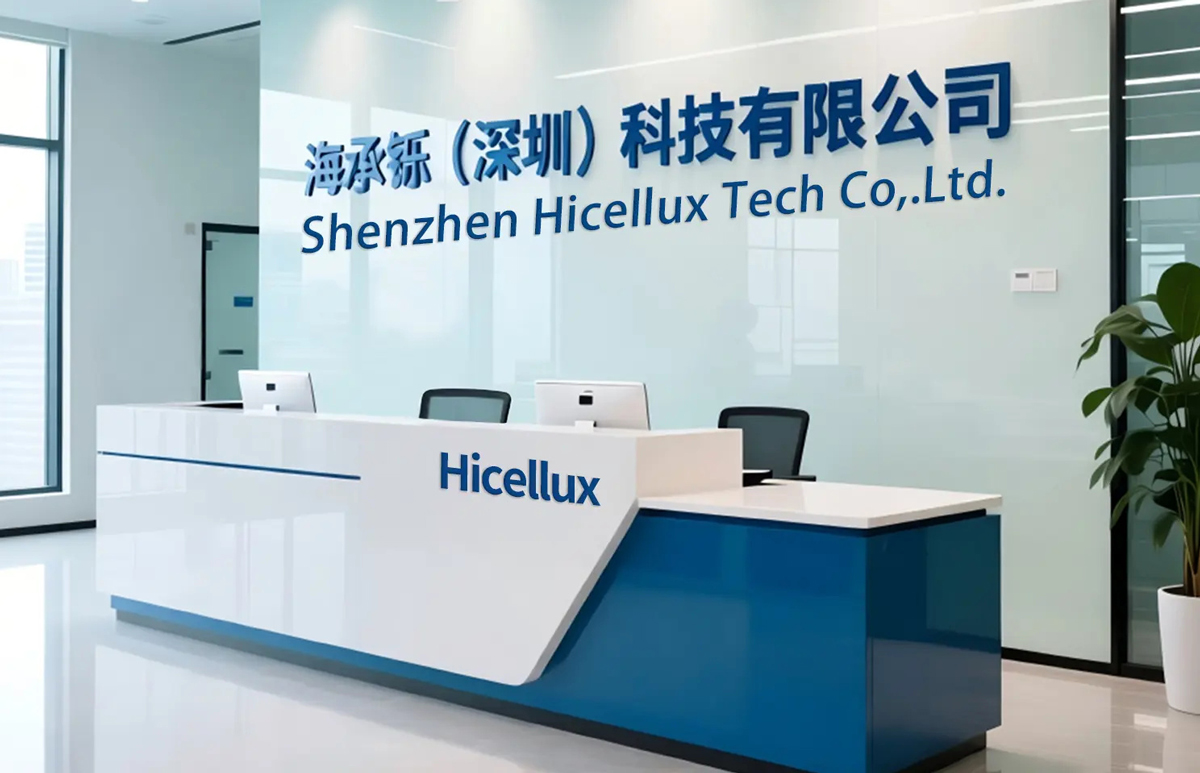
To be a global leader in customized industrial power systems, driving advancements in UAV, commercial, and enterprise battery technologies.
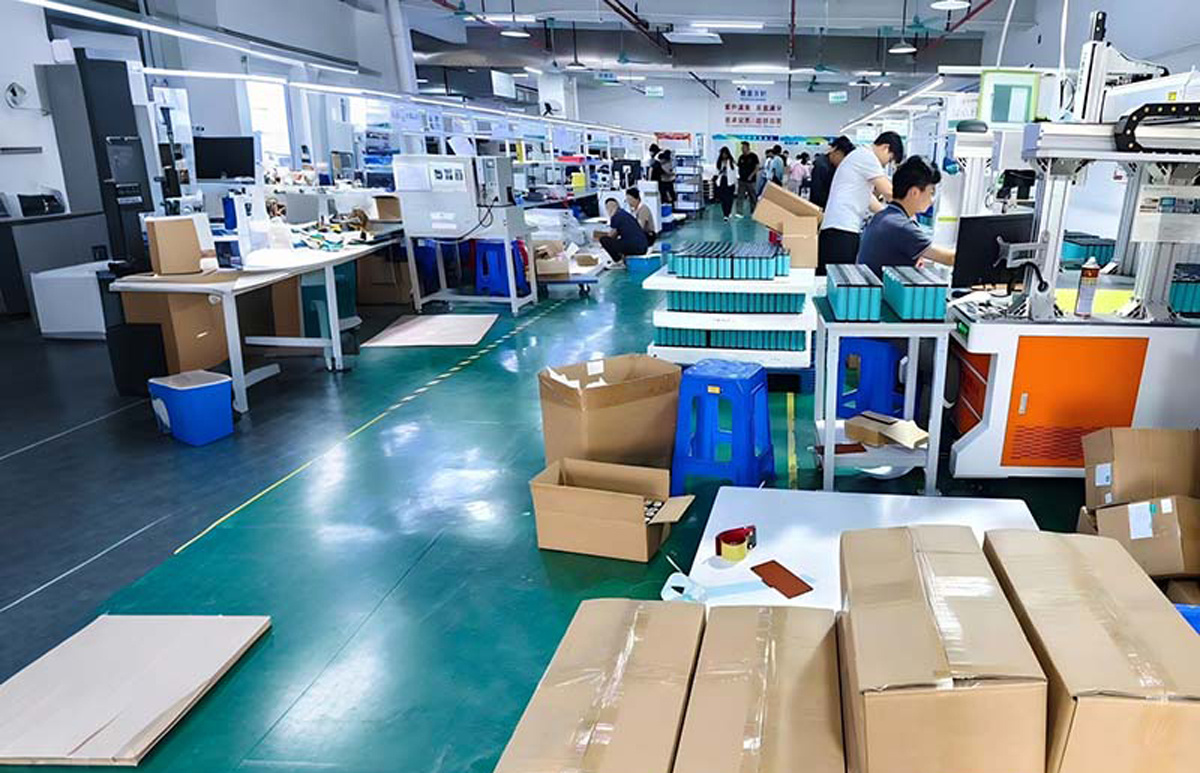
To engineer high-safety, high-efficiency, and cost-effective energy solutions that empower our clients to optimize operations and scale globally.
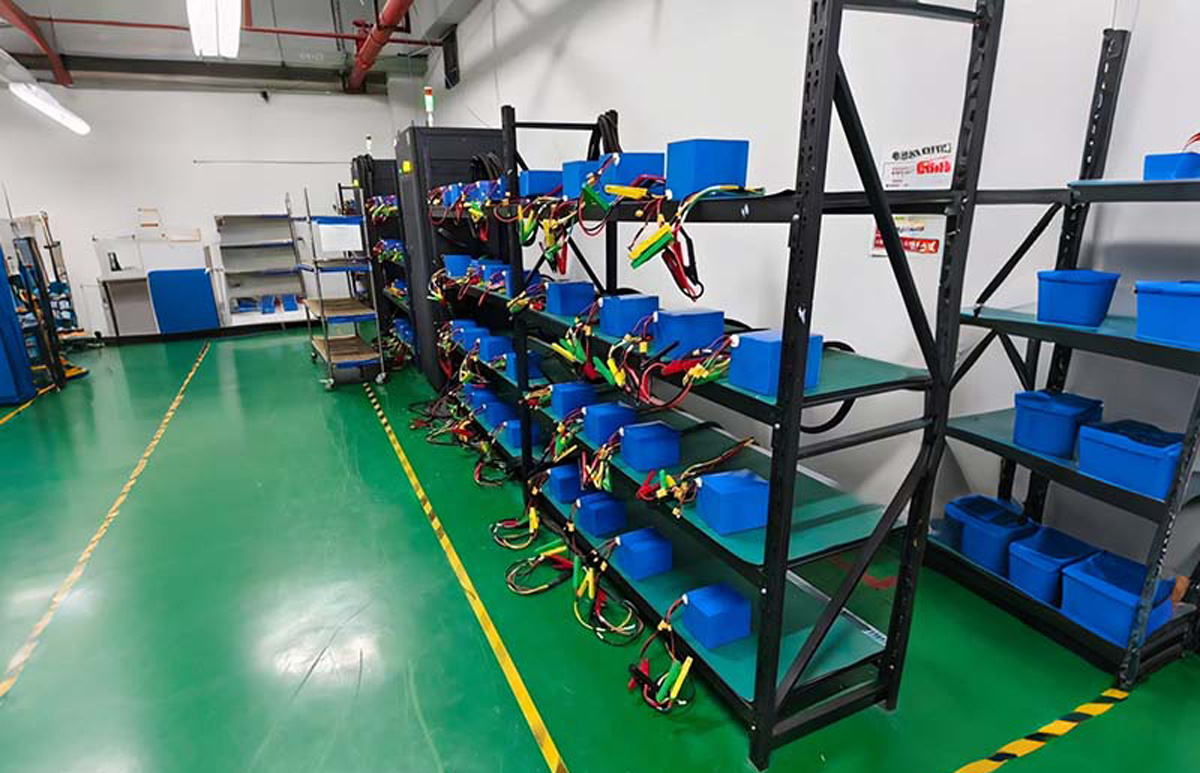
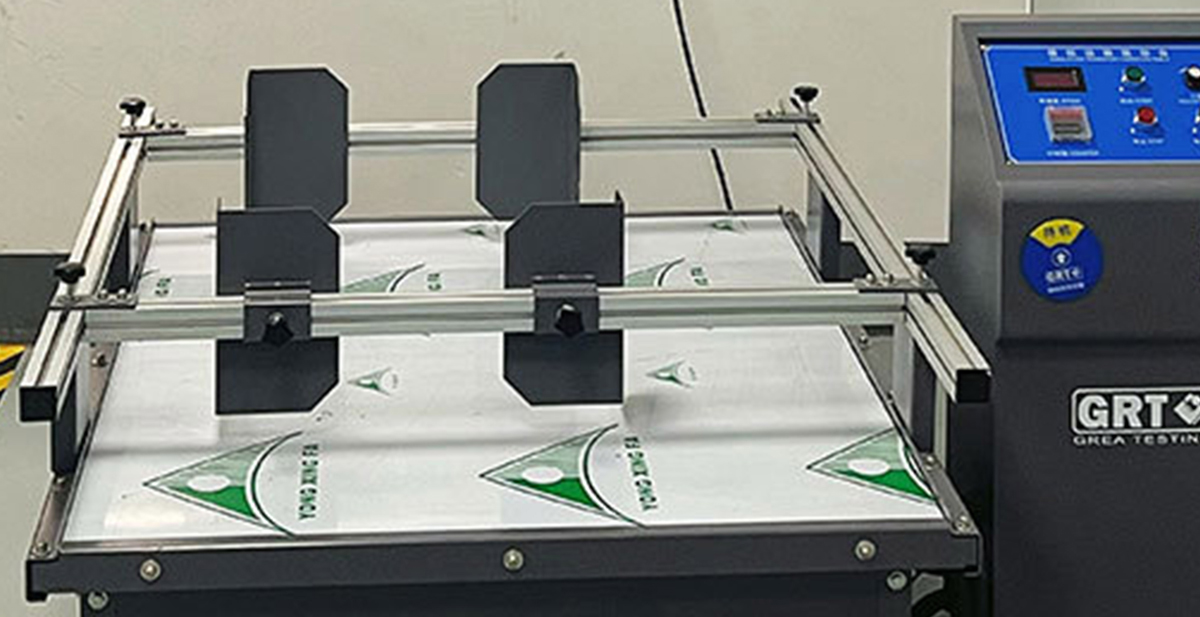
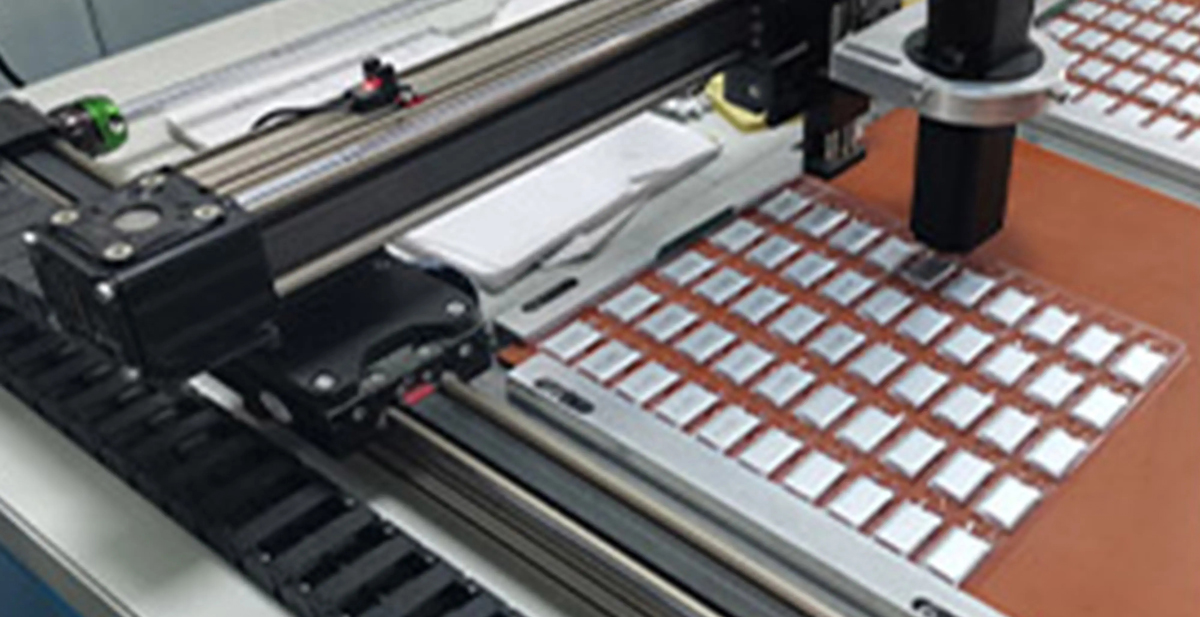
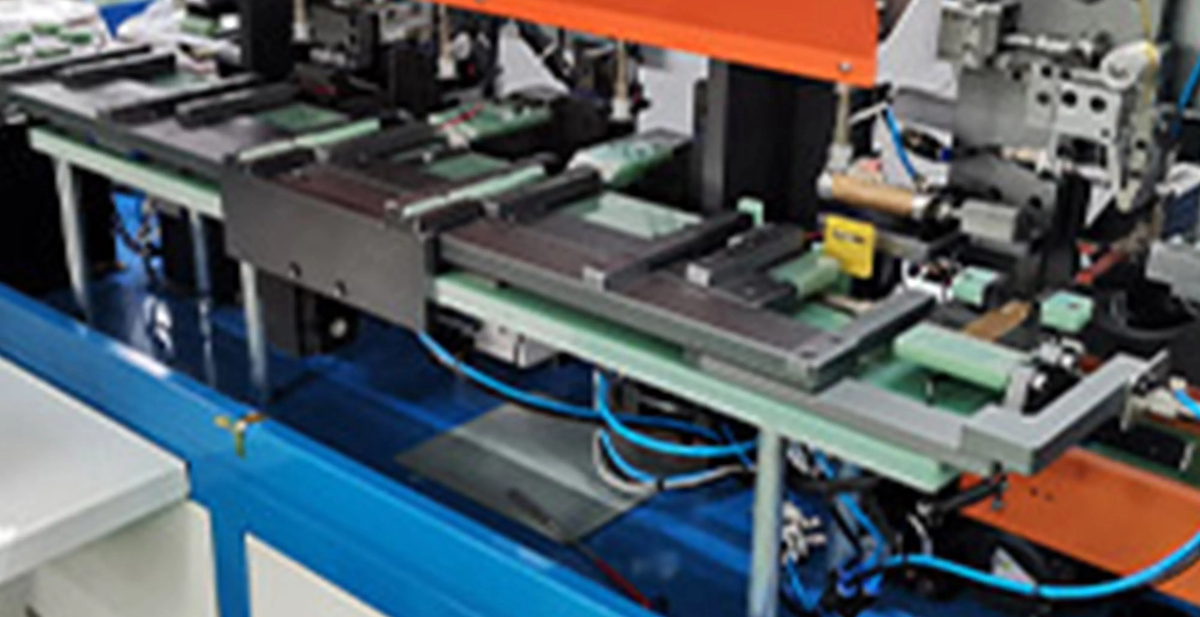
Inside our advanced manufacturing facility, where state-of-the-art automation meets rigorous quality control.
As a professional battery manufacturer, our factory has upgraded a fully automated production line tailored to battery manufacturing, covering the entire process from material input to finished product delivery.
We’re equipped with industry-leading intelligent equipment: automatic cell sorting machines, robotic spot-welding systems, and PCB precision processing workshops—these cut manual intervention by 80% while boosting production efficiency by 60%.
Our 70+ professional team (including automation engineers, quality inspectors, and logistics specialists) monitors every link: from incoming material verification, real-time tracking of cell sorting accuracy, to 100% coverage of aging tests and finished product performance detection.
Meet the engineering experts and service teams behind our market-leading power solutions.
Our team is a professional and experienced group that has been deeply involved in the battery industry for over a decade. We have accumulated profound industry knowledge and are always committed to technological innovation and quality improvement. We have built a strong and integrated capability covering R&D, production, marketing and after-sales service, making us a reliable partner in the battery field.
In terms of R&D and production, we have a team of senior engineers and technical experts with rich experience in battery technology research and product development. Equipped with advanced production equipment and strict quality control systems, we can independently complete the whole process from product design, technology research to mass production, ensuring stable product quality and high performance that meet market demands.
In marketing and after-sales service, we have a professional team with keen market insight and efficient execution. We have established a comprehensive marketing network to accurately grasp market trends and provide customized solutions for customers. Meanwhile, our after-sales team responds quickly to customer needs, providing timely technical support and service guarantee, winning wide recognition and trust from customers. With our all-round strength, we are committed to promoting the development of the battery industry and creating greater value for our partners.

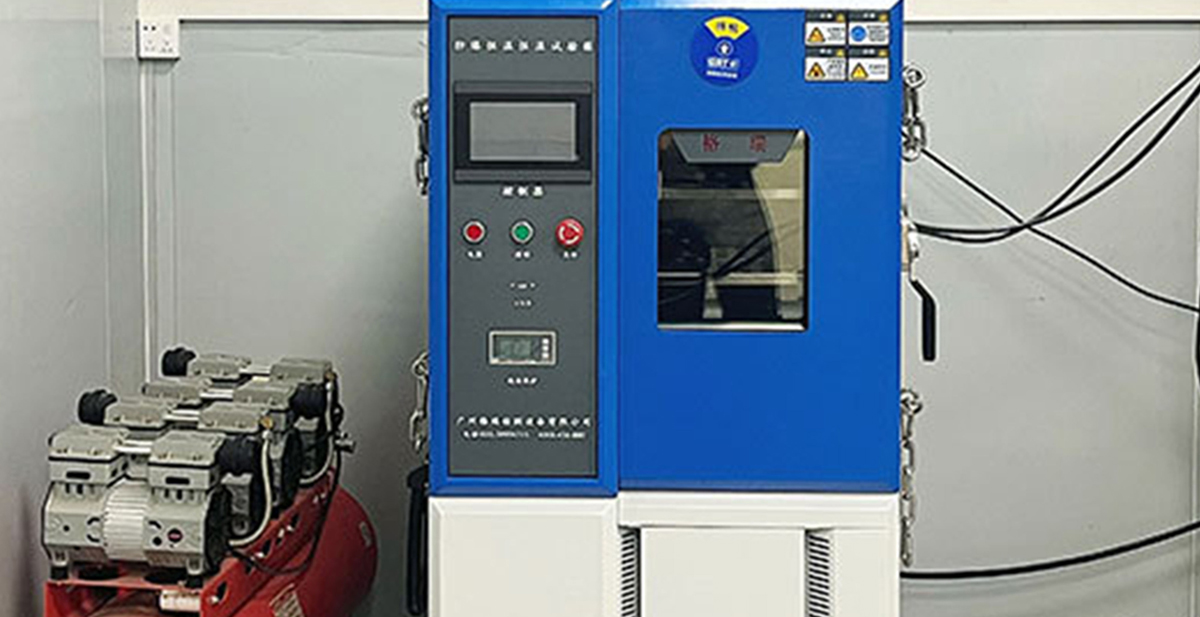
API 6D, API 607, CE, ISO9001, ISO14001, ISO18001, TS. (If you need our certificates, please contact us)
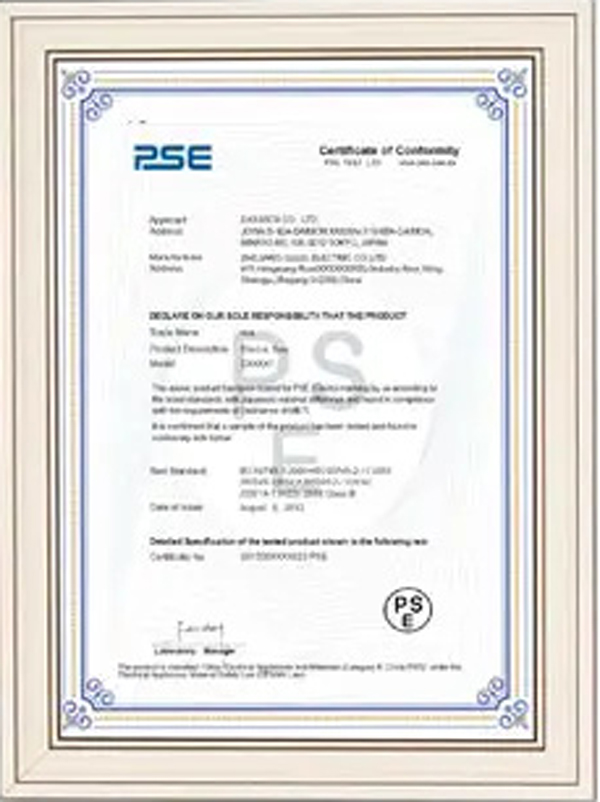
PSE
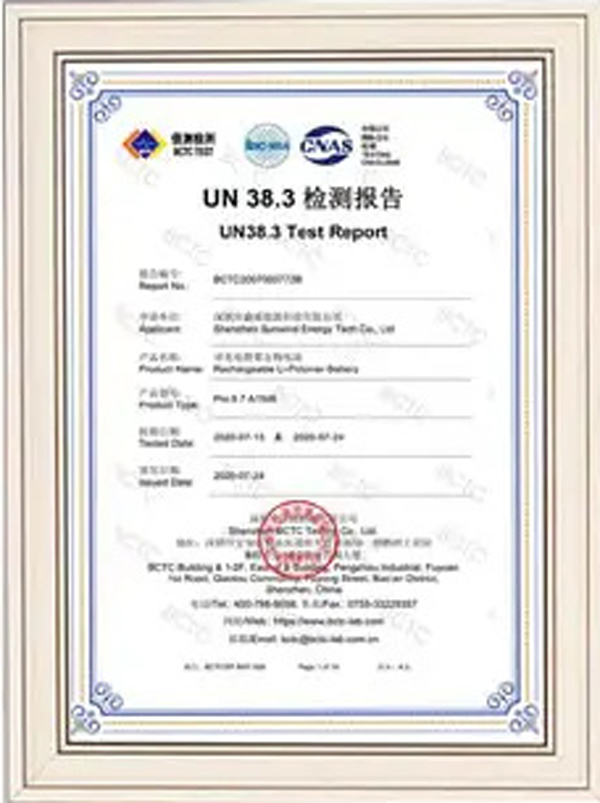
UN 38.3
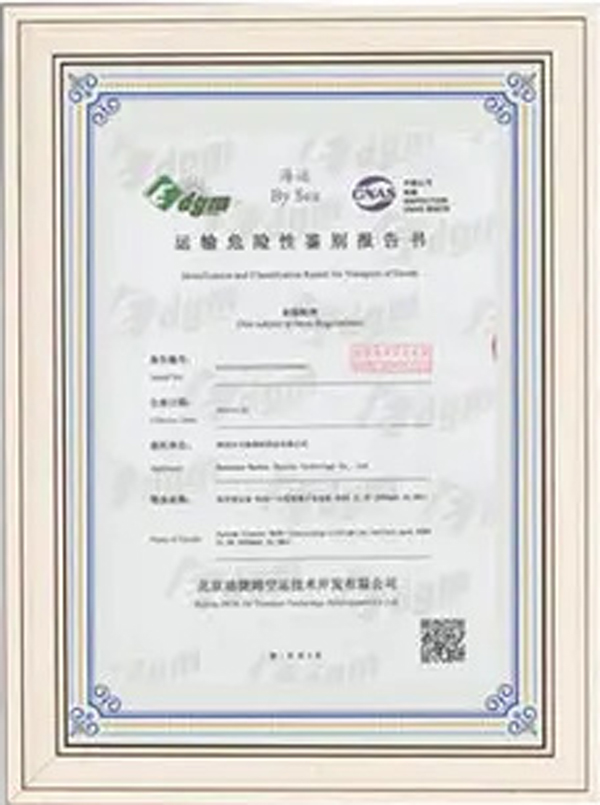
DGM
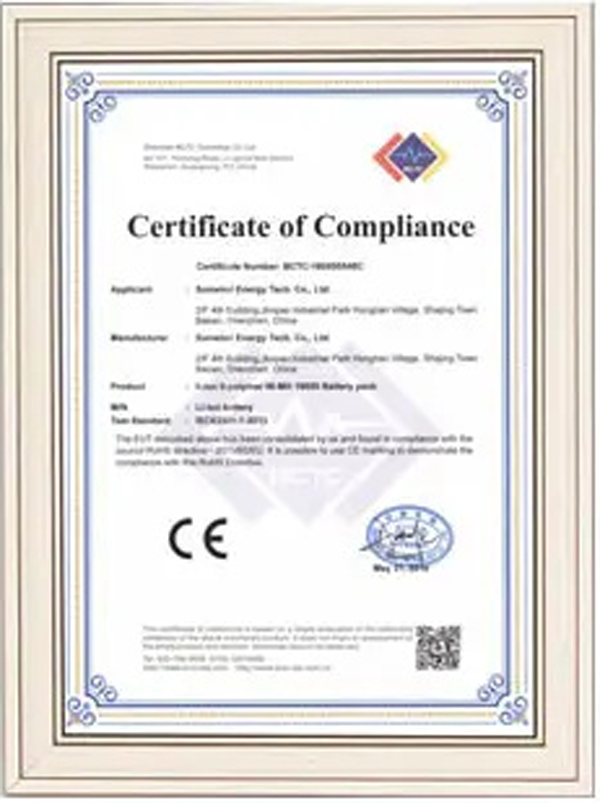
CE
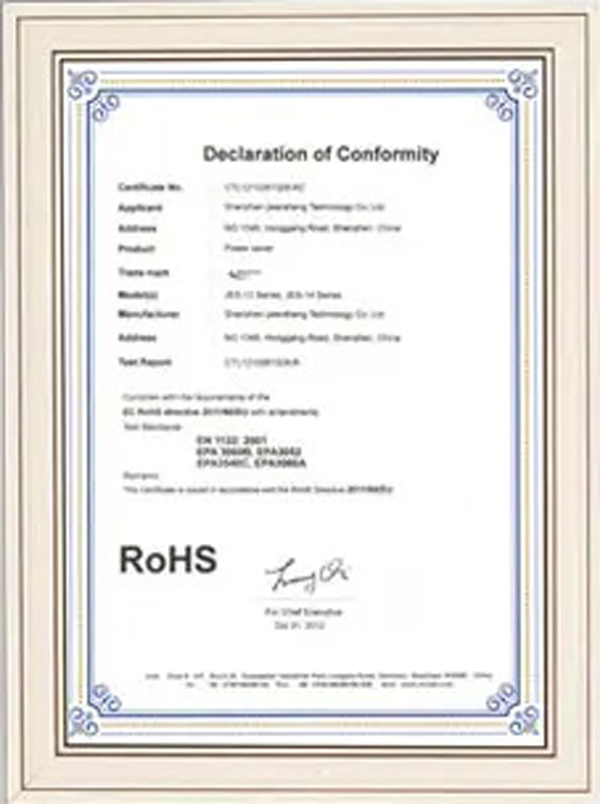
RoHS
MSDS
FCC
ISO Standard
Premium replacement and OEM batteries designed to keep your commercial operations running without interruption.