Leave Your Message
Explore our certified replacement battery cells tailored for rapid IT equipment maintenance, rugged data collectors, and mobile point-of-sale infrastructure.
Understanding how enterprise barcode terminals, handheld scanning systems, and reverse logistics rely on next-generation battery cell replacement to eliminate hardware downtime.
In the era of hyper-connected supply chains, smart warehousing, and omnichannel logistics, mobile data capture terminals serve as the frontline sensory organs of enterprise enterprise resource planning (ERP) systems. The legacy established by Symbol Technologies—later integrated into Motorola Solutions and Zebra Technologies—pioneered industrial barcode scanning, creating rugged handheld devices that remain operational across thousands of global fulfillment centers. However, while the mechanical chassis, scanning optics, and internal processing chipsets of these rugged enterprise units often boast lifespans exceeding seven to ten years, their electrochemical power sources inherently degrade after 400 to 700 charge-discharge cycles. This physical reality makes the Symbol replacement battery market a pivotal pillar of third-party maintenance (TPM), IT asset disposition (ITAD), and corporate IT repair workflows.
Third-party IT repair providers rely on premium OEM-equivalent battery cells to extend the operational lifetime of legacy Symbol and Zebra terminals without incurring exorbitant OEM upgrade costs.
Multi-shift warehouse workflows demand hot-swappable batteries that deliver sustained voltage under continuous laser scanning, Wi-Fi 6 handoffs, and Bluetooth peripheral communications.
Replacing high-density lithium-ion packs rather than discarding entire mobile computing units significantly curtails electronic waste (e-waste) and aligns with corporate ESG benchmarks.
Enterprise procurement directors face a recurring dilemma: OEMs routinely discontinue replacement accessories for legacy mobile computing units (such as the Symbol MC3000, MC9090, MC9190, MC9200, and early TC series) to drive new hardware adoption. Migrating an entire warehouse fleet from one architecture to another incurs massive capital expenditure, software reconfiguration fees, and operator retraining downtime. Sourcing high-caliber Symbol replacement batteries empowers IT managers to maintain existing fleets at optimal performance for a fraction of the cost, ensuring immediate ROI and consistent productivity.
Lithium-ion cells in industrial terminals undergo rigorous stress: rapid charging docks, extreme operating temperatures (ranging from ambient retail floors to sub-zero cold-storage freezer vaults), and continuous high-current discharge during decoding and RFID transmission. Over time, impedance rises, effective capacity contracts, and internal safety margins decrease. Timely intervention through structured IT repair schedules prevents cell swelling, structural enclosure cracks, and unexpected device shutdowns in middle-of-shift operations.
A granular analysis of how Symbol replacement batteries perform across demanding operational environments, retail floors, and automated sorting centers.
In distribution hubs processing millions of SKUs daily, handheld terminals like the Symbol MC92N0 or Zebra TC5X run non-stop across three consecutive eight-hour shifts. Operators execute thousands of laser scans per hour while transmitting real-time tracking data across complex warehouse meshes. Batteries deployed in these settings face dramatic thermal shocks when transitioning from ambient loading bays into cold-storage facilities at -20°C. Premium Symbol replacement batteries feature low-temperature electrolyte blends and reinforced internal nickel tab connections, ensuring the terminal does not trigger an under-voltage shutdown when ambient temperatures plummet.
Modern brick-and-mortar storefronts have transformed into miniature fulfillment hubs for click-and-collect orders. Handheld mobile computers equipped with integrated barcode imagers and contactless payment sleds (such as PAX, Aisino, and Zebra enterprise series) run high-brightness displays and background transaction software. Consistent voltage delivery prevents transaction drops and POS peripheral disconnects during checkout rushes, protecting customer satisfaction and transaction integrity.
Couriers and field service technicians operate outside the controlled temperatures of climate-controlled facilities. Their devices endure direct sunlight, engine heat from vehicle charging docks, and constant vibration. High-grade replacement battery modules incorporate robust polycarbonate-ABS ultrasonic welded housings that withstand the mechanical shock of drops onto asphalt, preventing internal short circuits and keeping route navigation and digital signature capture operational throughout the day.
The replacement battery sector is evolving from simple cell repackaging to intelligent, smart-calibrated hardware engineering that mirrors or exceeds OEM performance standards.
Modern Symbol-compatible replacement battery packs no longer rely on primitive protection boards. They incorporate sophisticated gas-gauge microcontrollers communicating via HDQ or I2C protocols. This architecture enables the host device's operating system to read exact state-of-charge (SoC), cycle counts, internal cell resistance, and health indices, allowing IT maintenance directors to deploy predictive replacements before sudden battery death occurs.
Through the integration of Tier-1 lithium nickel manganese cobalt (NMC) and lithium cobalt oxide (LCO) chemistries, replacement packs can achieve higher energy density within the exact original physical form factor. Paired with thermally conductive potting compounds and optimized copper traces, these batteries run cooler during rapid recharging, substantially mitigating thermal degradation and prolonging operational service life.
We provide one-on-one customized services and cost-effective solutions for our clients.
Compared to our competitors, we offer faster shipping times and more flexible delivery options.
Our company is committed to helping customers improve efficiency and increase profits.
We welcome your inquiries and look forward to building long-term, mutually beneficial partnerships with clients worldwide.



Driving technological innovation and manufacturing integrity to power the next generation of global IT and industrial mobility hardware.

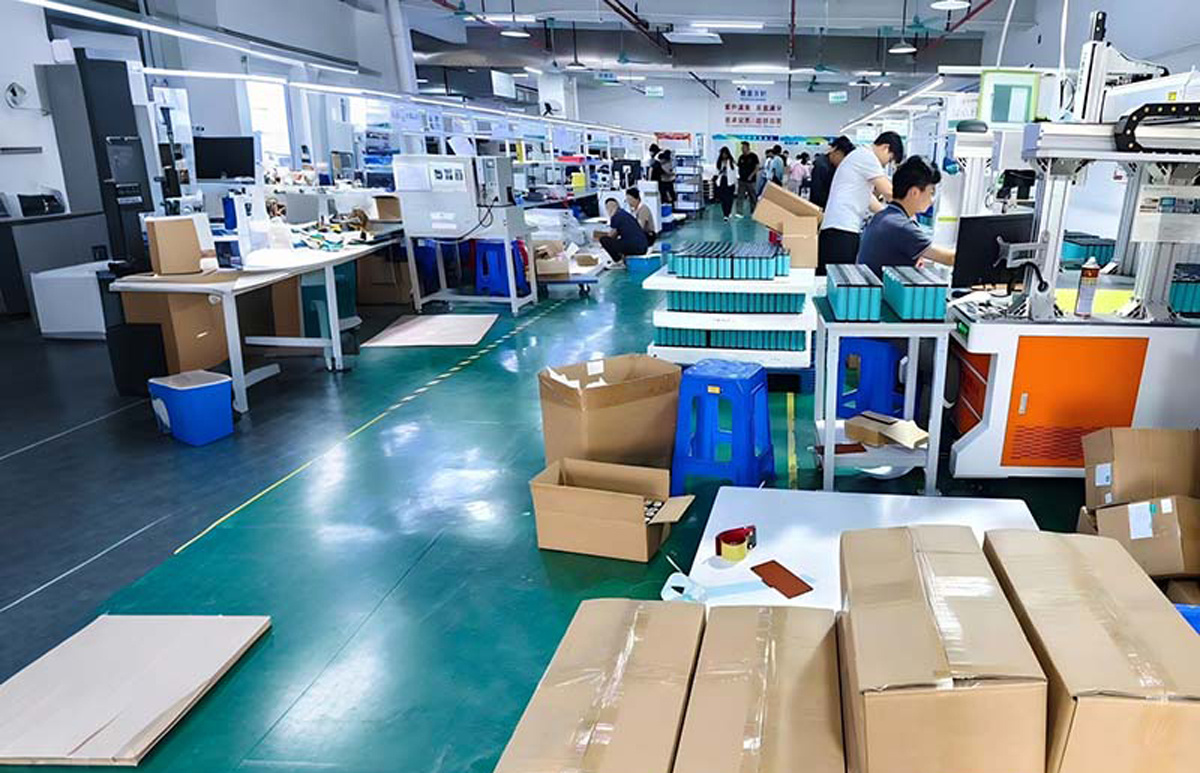
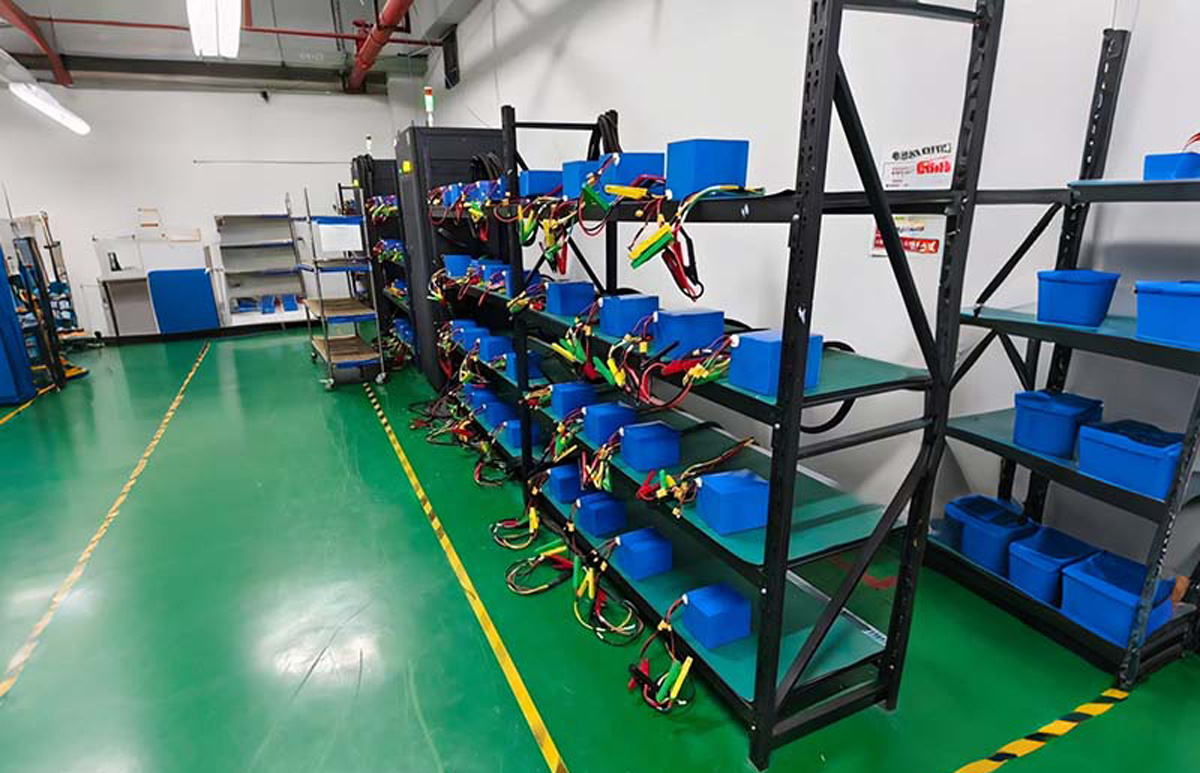
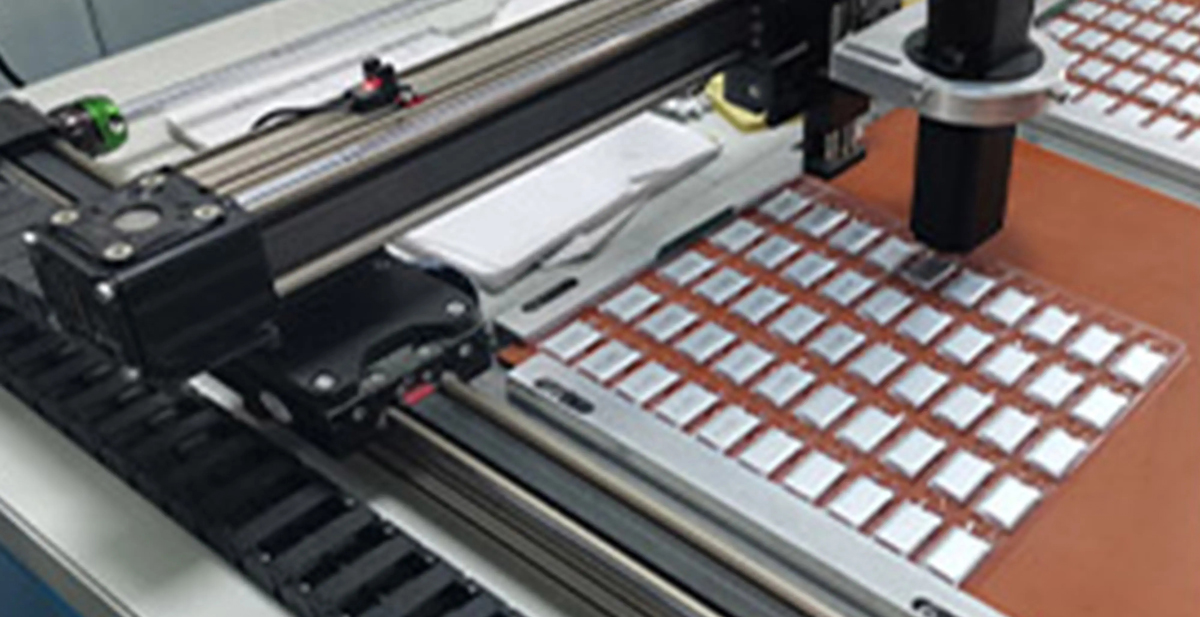
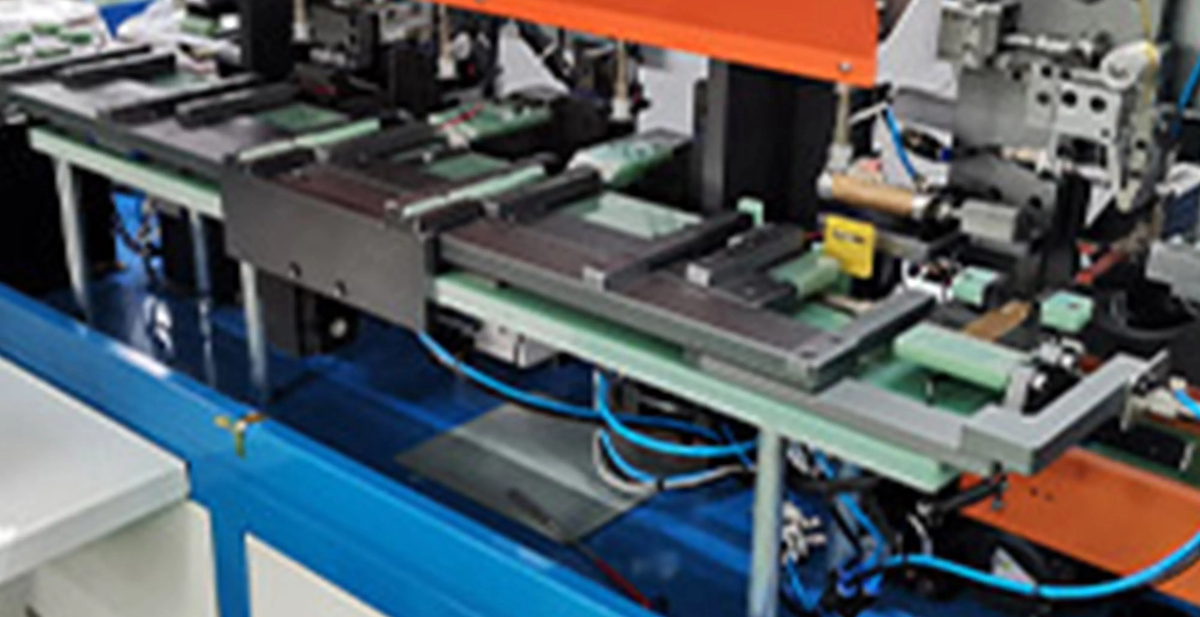
State-of-the-art facility equipped with precision robotics, computer-controlled assembly lines, and rigorous quality inspection protocols.
Decade-long technical leadership spanning electrochemistry R&D, mass industrial manufacturing, and cross-border after-sales logistics.

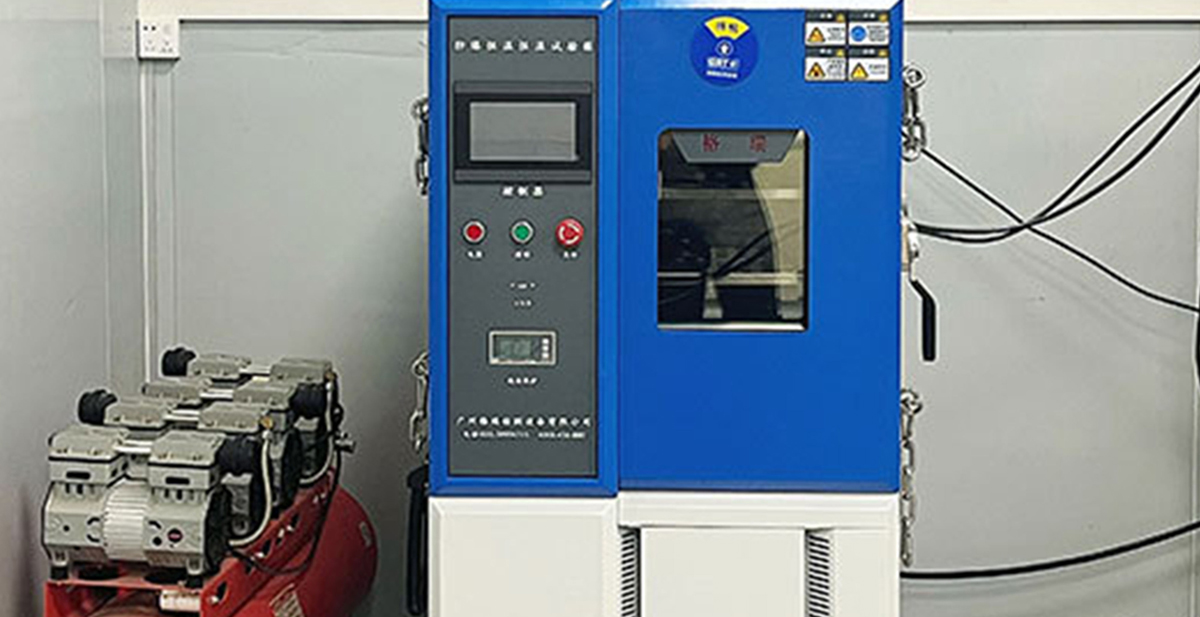
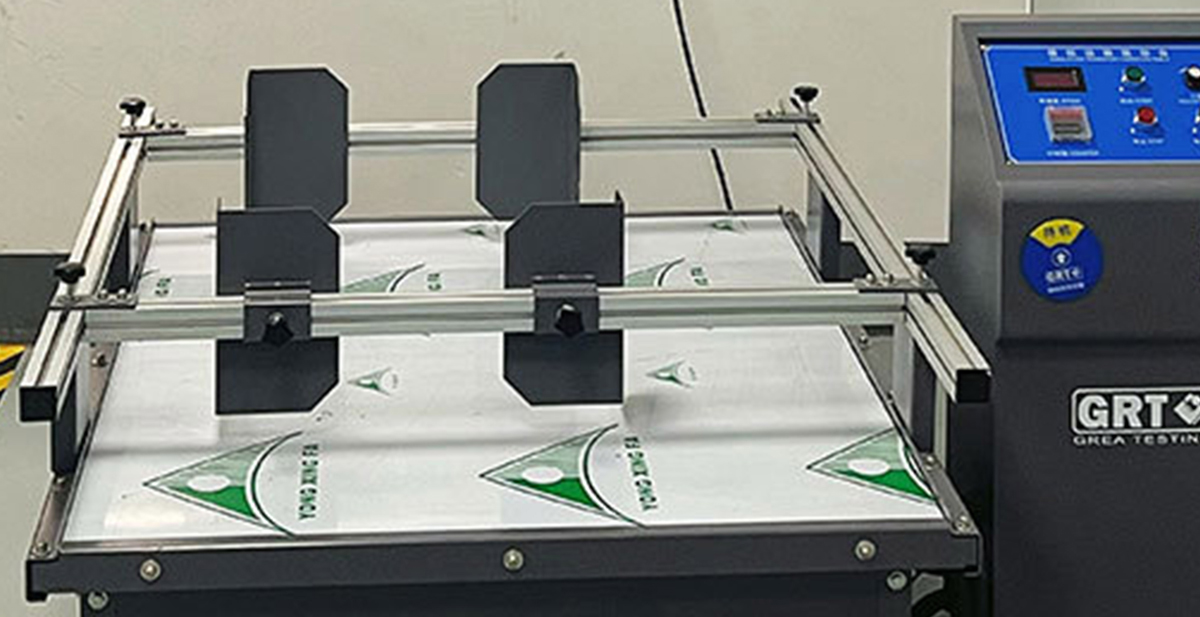
API 6D,API 607,CE, ISO9001, ISO14001,ISO18001, TS.(If you need our certificates, please contact)

PSE

UN 38.3

DGM

CE

RoHS

MSDS

FCC

ISO/TS
A systematic technical guide for hardware engineers, depot repair centers, and enterprise IT system integrators.
During routine maintenance schedules, repair technicians should first inspect the mechanical casing of barcode terminals. Any seam separation, latch resistance, or difficulty ejecting a battery pack from an MC9000-series cradle or TC25 chassis typically indicates pouch-level swelling due to electrolyte oxidation. In such cases, the pack must be decommissioned immediately using ESD-safe tools to prevent puncture.
Secondary verification involves multimeter or automated battery analyzer testing to measure internal DC resistance (IR). An IR increase exceeding 40% above OEM nominal specs (typically >180 mΩ in high-drain industrial lithium cells) correlates directly with sudden reboot symptoms when high-draw components—like long-range 2D zebra scan engines or thermal printer communication heads—fire simultaneously.
When installing a new Symbol replacement battery, field engineers must ensure the host operating system (whether legacy Windows CE / Windows Embedded Handheld or modern Android Enterprise) recalibrates its battery statistics. Because intelligent batteries communicate via built-in fuel gauge controllers, the terminal stores historical impedance profiles.
Executing a full charge cycle to 100% on a certified multi-slot gang charger, followed by a steady discharge down to the automated shutdown threshold, resets the gauge register tables. This vital procedure ensures the device displays an accurate percentage reading, avoiding false low-battery alerts that cause warehouse operators to swap batteries prematurely.
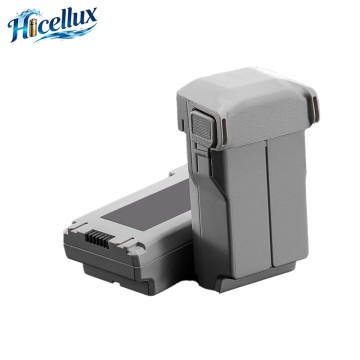
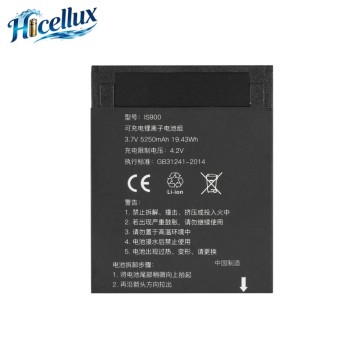
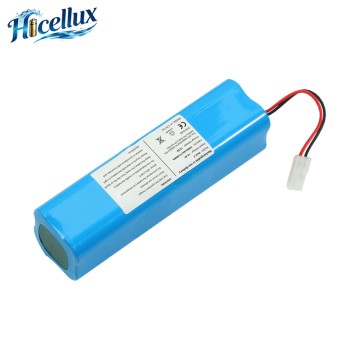
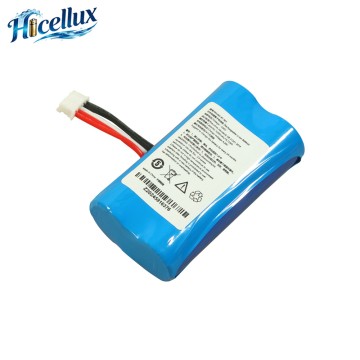
Explore our full lineup of OEM-grade replacement batteries for Symbol, Zebra, PAX, Aisino, Lenovo, robotic automation, and commercial drones.