inquiry
Leave Your Message

Blog

China Top 10 Lithium Battery Pack Manufacturers?

China Top 10 Lithium Battery Pack Manufacturers?

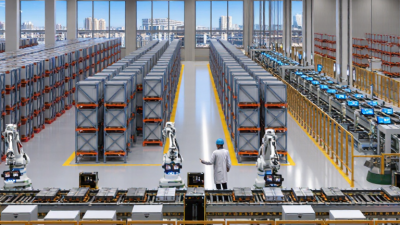
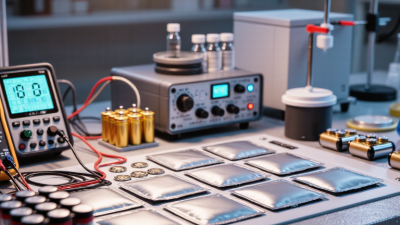
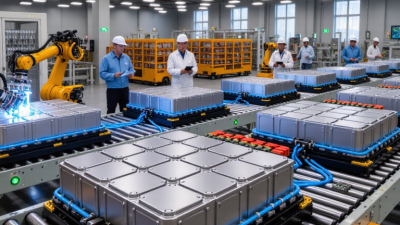
You know, China’s lithium battery game has come a long way—it’s not just about cranking out massive volumes anymore. Honestly, it’s now all about engineering smarts, keeping quality really tight, and actually delivering on time, every time. The International Energy Agency’s Global EV Outlook 2024 says global EV battery demand hit about 750 GWh in 2023, which is roughly 40% higher than the year before. And get this: they estimate China produced close to 80% of the world’s battery cells that year. So yeah, that pretty much explains why buyers are paying close attention to Chinese suppliers these days. So Fatih Birol from the International Energy Agency calls batteries 'a key technology for clean energy transitions' – sounds good, right? But what does that actually look like in practice? Well, if you crack open a battery pack, it's not just the cells. You've got cooling loops, wiring, a whole management system – they all have to play nice together. Just having a stellar cell spec doesn't mean the pack will hold up in the real world. The small stuff matters. Like, if a connector works itself loose from all the vibration, that's gonna sink an otherwise impressive product. So you're looking for the best lithium battery pack makers in China? I've put together a rundown of the top 10, but honestly, it's not just about who's big—it's about who actually delivers. I compared them on stuff like product range, how solid their tech is, real-world experience in different applications, and whether they've got proper quality systems in place. And here's a thing that trips people up: there's a big difference between companies that make the packs themselves and those that just slap together cells from somewhere else. That distinction often gets blurred in the marketing, so I made sure to call it out clearly. Hope this saves you some headaches! Industry reports can give you a good sense of what's out there, but honestly, they don't cover every single pack maker, and they're not exactly auditing each supplier's claims. That's a bit of a gap, don't you think? So take this list as a jumping-off point—not the final word. Go ahead and double-check certifications, test records, warranty terms, and production capacity directly with each company. Because at the end of the day, a pretty brochure doesn't prove anything.
Read more »
Charlotte By:Charlotte - November 9, 2026
2026 Top Power Station Battery Types for Buyers

2026 Top Power Station Battery Types for Buyers

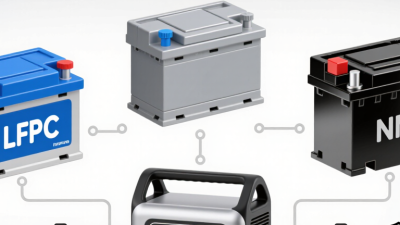
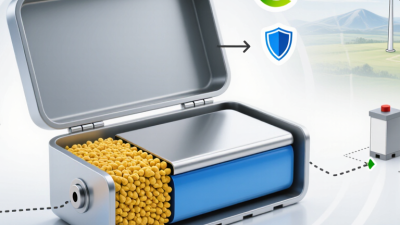
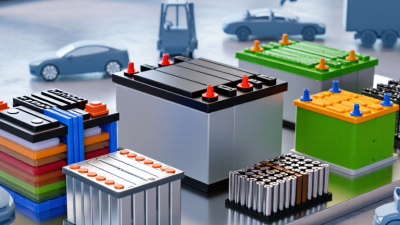
At first glance, a portable power station doesn't seem like much—just a handle, a screen, and a bunch of outlets sitting there on the shelf. But the battery inside? That's where the real story is. It determines how heavy the thing is, how long it'll last, how it charges, and honestly, whether it's worth the price. So when you're comparing power station batteries, you'll mostly run into three chemistries: lithium iron phosphate (LFP), nickel manganese cobalt (NMC), and, if you're looking at older or budget models, lead-acid. Each one has its own trade-offs, naturally. LFP tends to last longer in terms of charge cycles, while NMC gives you more energy in a smaller, lighter package. But honestly, the label alone doesn't tell you everything. So the IEA just put out this 2024 report, Batteries and Secure Energy Transitions, and the headline is pretty big: to hit net-zero, global battery storage capacity has to grow sixfold by 2030. Now, that's specifically about grid-scale storage—not your little portable power banks. Still, it really drives home why battery chemistry, durability, and supply chains are so important. Fatih Birol, the IEA's executive director, calls batteries a key technology for cleaning up energy, and honestly, this report backs that up. Honestly, when you're shopping for a battery, it's tempting to just focus on the chemistry—like, "oh, this one's LiFePO4, must be good." But the real buying lesson is more practical than that. You need to dig into the manufacturer's cycle-life conditions, usable watt-hours, warranty, and charging limits. Those numbers tell you way more than the chemistry name ever will. Let’s be honest—real-world usage doesn’t look like a spec sheet. You might have a station sitting around for weeks doing nothing, and then one outage hits and suddenly it’s powering a fridge around the clock. That’s why the little things matter. You want clear battery specs, test data you can actually trust, and maybe a raised eyebrow at any claim that just says “long life” without backing it up. So where do the main battery types fit? That’s what this guide digs into. One caveat though: cycle-life numbers aren’t always calculated the same way, so it’s worth digging into the fine print before you buy.
Read more »
Ethan By:Ethan - November 5, 2026
How to Choose the Right Terminal Battery in 2026

How to Choose the Right Terminal Battery in 2026

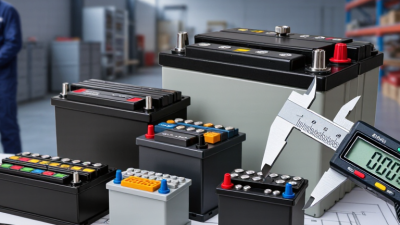
Honestly, picking the right Terminal Battery in 2026 comes down to what it’s actually going to do. A vehicle battery, a backup system, an industrial machine—those can put you in very different situations. So check things like voltage, capacity, peak current, and how long it needs to keep running. And don’t skip the manual: it’ll tell you the terminal type, position, and dimensions you need to match. When it comes to terminals, fit is everything. If the placement isn't right, you might have a tough time installing it—or worse, you could end up with a connection that just isn't secure. First, think about where the battery will actually be operating. Heat, cold, vibration, or even just poor airflow—any of those can mess with performance and how long the battery lasts. And don't just look at the capacity number. Compare the manufacturer’s specs, warranty terms, and maintenance guidance side by side. If it's rechargeable, check the chemistry and charging requirements, because a charger built for one battery type might not work for another. If you're unsure about the wiring or the application itself, ask a qualified technician—no shame in that. Little details really do count. Price isn’t everything, honestly. You’ve also got to think about whether replacements are easy to get, how often the thing needs inspecting, and what downtime could really cost you over the battery’s lifespan. And don’t just trust the ideal rating—look at the actual load your equipment handles. That first estimate might be off. So before you buy, double-check it against how things run in the real world. In this guide, I’ll walk you through comparing common specs, checking terminal compatibility, and weighing the practical trade-offs. Really, the whole point is to make a choice you can stand behind—one that’s grounded in what’s actually needed, not just whatever looks good on a label or sounds like a decent guess at the time.
Read more »
Ethan By:Ethan - November 2, 2026
How to Choose the Right Forklift Battery?

How to Choose the Right Forklift Battery?

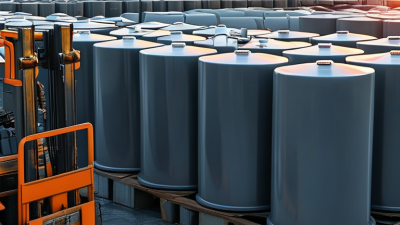
Picking the right Forklift Battery? Honestly, it’s way more than just matching the voltage. It can change how your lifts perform, how you plan shifts, when you charge, and what your operating costs look like down the road. You might find a battery that looks great on paper, but then it struggles with repeated lifting in a cold warehouse—or just can’t keep up in a busy multi-shift setup. So yeah, the little things really count. Honestly, it kind of comes down to a bunch of things—how heavy the pallets are, how far you're traveling, what the aisles are like, and how much time you've actually got to charge. All of that plays a role. First off, you’ll want to start with what the forklift manufacturer actually requires—voltage, battery size, connector type, and the approved weight range. Once you’ve got that down, it’s time to compare the main battery options: chemistry, usable capacity, charging needs, and how long they’re likely to last. Lead-acid batteries can be a solid fit if you have a set charging schedule and a maintenance routine you’re comfortable with. Lithium-ion, on the other hand, is great for opportunity charging, but you’ll need to double-check compatibility, charger settings, and battery management features before committing. Before you commit, dig into the exact model documentation—guessing here can get pricey. Think about ventilation, washdown exposure, temperature, and whether your team can realistically stick to the required care routines. Also, don't just look at the sticker price; the total cost is what really matters. Factor in energy use, maintenance, downtime, and how you'll handle replacement down the road when you're comparing options. Honestly, the right forklift battery isn't the one with the flashiest spec sheet—it’s the one that actually fits your day-to-day operation. You can't just rely on marketing. A quick trial, some real duty-cycle numbers, and talking to a supplier who knows their stuff will usually surface issues before you commit. And even then, no matter how carefully you calculate, something’s bound to slip through. So check back in when your shifts change, load patterns shift, or charging spots become harder to come by. A good battery isn’t just about the machine—it has to match the rhythm of your site, too.
Read more »
Charlotte By:Charlotte - October 29, 2026
China Top Terminal Battery Manufacturers and Suppliers

China Top Terminal Battery Manufacturers and Suppliers

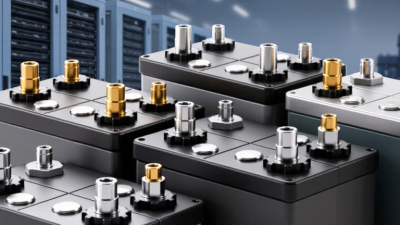
China's battery industry powers a pretty wide range of terminal applications — everything from telecom cabinets to backup power systems and industrial equipment. So in this guide, we'll walk you through the top Terminal Battery manufacturers and suppliers in China, using practical criteria you can actually verify for yourself. Honestly, a terminal battery has to do a few things well: deliver steady current, keep connections secure, and perform reliably when it's actually out there doing its job. When you're picking one, start with the basics—chemistry, rated voltage, capacity, terminal design, and how long it's expected to last. But site conditions matter, too. Heat, vibration, humidity, and charging that's all over the place can expose weak construction pretty fast. And a battery that looks great in the lab? It might act completely different once it's stuffed inside a crowded cabinet. Take companies like Narada, Leoch, Sacred Sun, Tianneng, and Chilwee - these are some of the bigger Chinese players. They each bring different product ranges and manufacturing strengths to the table, and honestly, which one fits comes down to your application, not just how large their production is. Buyers should really go through technical datasheets, factory quality procedures, test reports, warranty terms, and export experience. It's also worth checking sample consistency, because even small differences in terminal dimensions or sealing quality can end up causing installation headaches. A reliable supplier can walk you through capacity testing, plate technology, charging requirements, and traceability—without dodging the tough questions. They should also point you to the certifications that actually apply and give you clear, practical maintenance guidance. That said, let’s be real: no supplier is perfect. Marketing can make things sound better than what you see in the field, and that published cycle life? It may only hold up under ideal conditions. So independent testing and reference checks are still a must. This overview is meant to help you compare manufacturers and suppliers more carefully. At the same time, it’s worth keeping in mind that battery performance isn’t just about product quality—system design matters too.
Read more »
Lila By:Lila - October 24, 2026
How to Choose the Best Touch POS Display in 2026?

How to Choose the Best Touch POS Display in 2026?

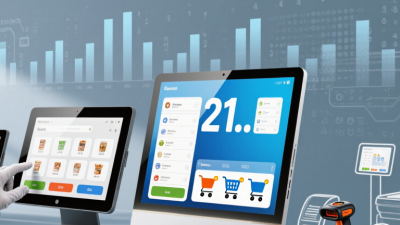
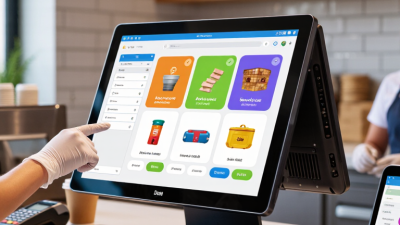
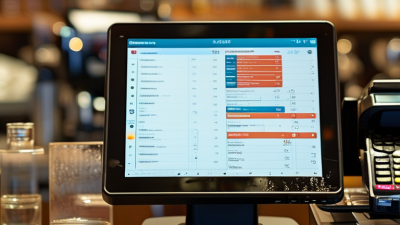
Choosing the best Touch Pos Display in 2026 requires more than comparing screen size or retail price. A checkout screen faces fingerprints, bright windows, rushed users, and constant tapping. It must remain readable and responsive during long shifts. Grand View Research reported that the global POS terminals market was valued at approximately USD 104.49 billion in 2023. The same report projects strong growth through 2030. That growth reflects wider digital payment adoption, but it does not guarantee that every display suits every store. Market estimates vary. They use different definitions, regions, and hardware categories. Mordor Intelligence also forecasts significant POS terminal expansion through 2029. These figures show momentum, not a buying decision. They should be treated carefully. A small café may need a compact 15-inch screen, while a supermarket may require a brighter 21.5-inch panel with wide viewing angles. Retail experience teaches a simple lesson: impressive specifications can fail at the counter. Look beyond resolution. Test touch accuracy with wet or gloved fingers, check response time, and inspect the viewing angle beside a window. Confirm compatibility with the payment software, operating system, receipt printer, and customer display. PCI Security Standards Council guidance also makes secure payment architecture essential, although the screen itself does not create compliance. Ask about warranty terms, replacement parts, firmware updates, and remote device management. Energy use matters across hundreds of terminals. So does accessibility. A practical 2026 choice balances durability, total ownership cost, security, and daily usability. Some assumptions will be wrong. Pilot testing remains wiser than trusting a product sheet alone.
Read more »
Lila By:Lila - October 20, 2026
10 Tips for Choosing the Best Touch POS Display?

10 Tips for Choosing the Best Touch POS Display?

Picking a Touch Pos Display isn't just about getting the biggest screen or the cheapest price. Think about a busy café: a cashier might be tapping through hundreds of orders with gloves on, wiping the counter, and trying to answer a customer all at once. The display has to stay responsive, readable, and stable through all that. Dr. Samuel Hurst, the inventor of resistive touchscreen tech, once put it well: “The best technology is the technology that serves the user.” That idea still matters for modern point-of-sale gear. A good Touch Pos Display should make input fast without pulling employees away from customers. Brightness, touch accuracy, viewing angles, screen size, mounting options, and spill resistance? All worth paying practical attention to. That matters. These ten tips dig into details that are easy to miss. We'll look at whether projected capacitive touch works well with bare fingers, styluses, or gloves. We'll also talk about cleaning routines, operating temperature, connectivity, software compatibility, warranty coverage, and long-term service support. A gorgeous panel can still flop if its ports are in awkward spots or its stand eats up precious counter space. Here's the less comfortable part: no display is perfect for every store. A premium model might have tougher glass but blow past a small retailer's budget. A budget model might seem great at first, then leave you with limited tech support later. Even experienced buyers can get too focused on specs and forget about the daily workflow. Details decide. By comparing real-world operating conditions with what suppliers claim, owners can make a more reliable choice. The goal isn't just impressive hardware. It's a Touch Pos Display that helps employees work faster, cuts down on errors, and stays dependable long after the opening-day excitement wears off.
Read more »
Ethan By:Ethan - October 12, 2026
How to Choose the Best China Notebook Battery Supplier?

How to Choose the Best China Notebook Battery Supplier?

Picking the right China Notebook Battery supplier isn’t just a price comparison anymore. It’s a risk call. IDC’s Worldwide Quarterly Personal Computing Device Tracker says global PC shipments hit about 262.5 million units in 2024. That rebound means more demand for dependable replacement and original-equipment batteries. At the same time, the International Energy Agency’s Global Critical Minerals Outlook 2024 warns that battery supply chains are still exposed to mineral concentration and processing risks. If you’re sourcing a Notebook Battery from China, those findings are hard to ignore. Quality has to be visible. A qualified supplier should be able to show you cell specs, battery-management-system details, cycle-life testing, traceable production records, and recent safety test reports. And before you talk big orders, ask for samples and test them. Check capacity at the rated discharge condition, not just what’s printed on the label. A “6,000 mAh” Battery Notebook can still underperform if its cells, firmware, or protection board aren’t consistent. Isidor Buchmann, founder of Cadex Electronics and author of Batteries in a Portable World, once wrote, “A battery is like a human being. It can undergo abuse, but not for long.” That still rings true for procurement teams. Heat, overcharging, deep discharge, and storage time can quietly eat into service life. Don’t trust polished certificates by themselves. Check the lab names, report numbers, production dates, and matching model codes. Visit the factory if you can, or bring in an independent inspection company. Also look at warranty handling, replacement speed, communication quality, and export experience. The cheapest supplier may end up being the expensive one later. A reliable China Notebook Battery partner should bring together engineering control, honest documentation, stable cells, and responsive after-sales support. No supplier is perfect. That’s exactly why a structured audit, realistic testing, and continuous review should guide your final choice.
Read more »
Charlotte By:Charlotte - October 7, 2026
Why Choose Lithium Sulphur Batteries for Energy Storage?

Why Choose Lithium Sulphur Batteries for Energy Storage?

Energy storage is really entering a quite challenging phase these days. The International Energy Agency reported that in 2023, over 40 gigawatts of new battery storage capacity was added—that's a pretty significant jump. Now, solar and wind projects need systems that can quickly respond, especially after sunset or during times when the weather's calm. BloombergNEF also mentioned that the average price for lithium-ion battery packs hit about $139 per kilowatt-hour last year. Prices are definitely dropping, which is great, but there's still the elephant in the room: our heavy reliance on materials like lithium, nickel, and cobalt, plus the complex supply chains that come with them. It’s not ideal, and it’s something we have to keep an eye on. Here's an interesting alternative— Lithium Sulphur Batteries. They offer a different kind of design path. Sulfur is pretty abundant and tends to be less expensive than nickel or cobalt. Plus, the theoretical energy capacity of these batteries can go up to about 2,600 Wh/kg—way above what regular lithium-ion batteries usually offer. That could mean lighter storage units, longer-lasting systems, and less weight during transport. The U.S. Department of Energy is actually pretty high on the potential of high-energy-density batteries—they see them as key for future mobility and making our grid more resilient. For remote microgrids, reducing weight can make installation way easier. Honestly, even the small details can make a big difference. But, let's not get carried away; there are definitely some risks involved. Sulfur tends to expand during charging cycles, and the soluble polysulfides inside the cell can migrate around, which might cut down on usable capacity and shorten how long the battery lasts. Lithium-metal anodes also need careful handling—thermal management and protection are a must. Industry experience shows that just because a battery has great lab results doesn't mean it'll perform reliably in the real world. We need to keep focusing on cycle life, efficiency during charge cycles, safety, and recyclability as key benchmarks. Companies like Sion Power, Lyten, and others are working on these issues, but we still don't have enough independent data from actual field tests. That’s an important gap to acknowledge. So, choosing this kind of chemistry should really depend on proven, real-world performance—not just some impressive numbers on paper.
Read more »
Charlotte By:Charlotte - October 2, 2026
Who Are the Top Traction Battery Manufacturers in China?

Who Are the Top Traction Battery Manufacturers in China?

China really plays a huge role in the global Traction Batteries market. According to the International Energy Agency’s Global EV Outlook 2024, China was responsible for nearly 85% of the world’s battery manufacturing capacity. In 2023, they also made up over 80% of the battery cell production. These numbers definitely show the scale of China's industrial power, but we should remember - size doesn’t automatically mean top-notch quality. Just because they produce a lot, doesn’t mean the batteries are necessarily better or more reliable. Fatih Birol, the Executive Director of the International Energy Agency, summed it up well in the 2023 outlook: “The clean energy economy is quickly becoming a reality – and electric cars are really leading the charge.” His words highlight how fast the EV market is growing, and how important battery performance is because it directly impacts things like driving range, charging times, safety, and operating costs. That’s a really crucial point — just because a factory churns out a lot of batteries, doesn’t tell you how those batteries will perform after a few years of daily use. Some of China's top manufacturers include CATL, BYD, CALB, Gotion High-Tech, EVE Energy, and Sunwoda. They all have different strengths — some are known mainly for passenger car batteries, while others also supply commercial trucks and industrial equipment. This guide breaks down these companies based on how much they produce, the latest cell technology they use, how far their products reach in the market, and what kinds of applications they’re best suited for. It also looks at things like customer support, reliability, and how long their batteries last — which are sometimes harder to compare than simple market share numbers. Rankings can be helpful, but they’re not perfect. Public data might measure things like installed capacity, shipments, or vehicle deployments differently, so it’s worth taking any ranking with a grain of salt. Ultimately, it’s important to match a manufacturer’s strengths with the specific vehicle, workload, and operating conditions you’re dealing with.
Read more »
Ethan By:Ethan - September 27, 2026
How to Choose a Symbol Battery for Your Device?

How to Choose a Symbol Battery for Your Device?

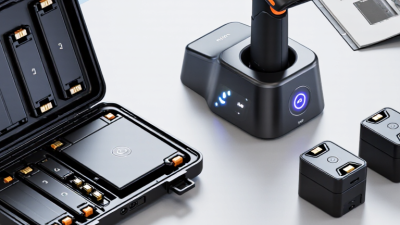
Picking out a Symbol Battery isn’t just about finding a pack that has the right shape. It’s more like a careful compatibility decision—stuff like voltage, capacity, chemistry, connector design, and how it handles charging. Even if a battery fits neatly into your scanner, it doesn’t mean it’ll perform well during long shifts in the warehouse. Dr. M. Stanley Whittingham, a renowned lithium-battery researcher, once said, “You have to match the battery to the application.” That advice still holds true for Symbol devices. For example, a retail worker needs consistent performance across lots of scans, while someone working in a warehouse might need a battery with higher capacity for those long days. So, the right Symbol Battery really depends on your device model, daily workload, charging setup, and operating conditions. Make sure to double-check the model number! Even if two scanners or mobile computers look alike, their batteries can be totally different. Compare the rated voltage and capacity with the original battery, and don’t forget about the connector, locking tabs, battery contacts, and charging instructions—tiny differences can make a big difference. And don’t just go for the biggest capacity; there's more to consider. A trustworthy supplier will provide clear specs you can trace, straightforward warranty terms, and documented safety tests. Genuine or well-made replacement batteries tend to be safer and more reliable—they help prevent overheating, overcharging, and early wear. But keep in mind, “higher capacity” doesn’t automatically mean better performance. It can add extra weight, slow down charging, or even lead to more heat. Personally, I always say: don’t just rely on product listings. Take a couple of extra minutes to check the device manual and the battery label before placing an order. It might seem like a small thing, but a bit of care upfront can save you from scanning hiccups, damage to your equipment, or costly replacements down the line.
Read more »
Charlotte By:Charlotte - September 23, 2026
How to Choose the Right Lithium Metal Battery?

How to Choose the Right Lithium Metal Battery?

Picking out the right Lithium Metal Battery isn’t just about specs—it really starts with understanding what you need in terms of performance, risks, and how you plan to use it. Lithium metal can pack a lot more capacity compared to graphite anodes, but let’s be honest—what works in the lab doesn’t always translate smoothly into a reliable product. That gap can trip you up. Did you know BloombergNEF said that in 2024, the average price for lithium-ion battery packs dropped to around US$115 per kilowatt-hour? That’s putting a lot of pressure on new chemistries to deliver more energy without hiking up the costs for users. Meanwhile, the U.S. Department of Energy’s National Blueprint for Lithium Batteries (2021–2030) has its eyes on boosting energy density, strengthening local supply chains, and making safety better—big priorities, but it doesn’t mean every Lithium Metal Battery on the market is ready to go. It’s more like a benchmark to compare against. Shirley Meng, a respected battery scientist from the University of Chicago and Argonne National Laboratory, calls lithium-metal tech “the holy grail of batteries.” I think that’s a great way to put it—there’s huge potential here. But let’s not forget, turning that potential into real-world tech isn’t simple. When shopping around, you really need to dig into the details: cycle life, fast-charging capabilities, thermal stability, how it performs over time during storage—get independent test results, not just a fancy headline from the lab. Pay attention to whether the tests were on pouch cells or coin cells—those details can totally influence your decision. Honestly, the most practical choice might not be the flashiest one. For instance, if you’re working with electric aircraft, weight is a huge deal. But for a grid storage system, things like how long it lasts and how easy it is to maintain can be more important. Manufacturing yield—how many good batteries you get from production—can be a tricky one, and don’t even get me started on the recycling part. This guide is here to help you weigh those trade-offs, based on solid technical data, transparent suppliers, and realistic operating scenarios—not just hype or promises. Sure, mistakes can happen—no one’s perfect. But asking the right questions and doing your homework goes a long way in avoiding those pitfalls.
Read more »
Charlotte By:Charlotte - September 20, 2026
What Are the Top Types of Traction Batteries?

What Are the Top Types of Traction Batteries?

Traction batteries aren’t just about storing energy—they’re really what makes things move. Think forklifts, electric cars, airport gear, automated guided vehicles, and warehouse trucks—they all rely on these batteries to do their thing. Picking the right chemistry isn’t just about tech specs; it actually impacts how quickly they lift, how fast they charge, safety, how long they last, and overall operating costs. According to the International Energy Agency, almost 14 million electric cars were sold globally in 2023, making up about 18% of new car sales. Meanwhile, BloombergNEF’s 2024 Battery Price Survey reports that the average cost for a lithium-ion pack hit around 115 dollars per kilowatt-hour—down about 20%. All these numbers? They’re part of why we’re seeing more interest in lithium-ion traction systems. That said, lead-acid batteries are still pretty popular for forklifts since they’re cheaper upfront and familiar to most maintenance crews. On the other hand, lithium iron phosphate batteries last longer through more charge cycles and handle heat better. Nickle-manganese-cobalt (NMC) batteries pack a punch with high energy density, but they come with higher material costs and some thermal management challenges. Here’s the thing—those details really matter. For example, a forklift used in cold storage might run out of usable range faster than one used on a factory floor. Or a delivery van might need batteries that promise higher energy density rather than just easy swaps. Basically, choosing a battery isn’t just about the chemistry—it’s about the *operation* itself. Fatih Birol, the head of the International Energy Agency, called batteries a “key technology for the clean energy transition,” and that totally makes sense. But, honestly, that doesn’t answer all the tough questions about which batteries to pick. Just because one looks cheaper doesn’t mean it’ll save you money over its entire lifetime. This guide aims to compare the top types based on their performance, charging habits, durability, safety, and overall costs of ownership. Of course, it’s not perfect—different manufacturers test and report data in their own ways, so some discrepancies are to be expected. And in real-world use, duty cycles can shake up the rankings a bit—that’s just part of the game.
Read more »
Charlotte By:Charlotte - September 16, 2026
2026 Best Li Phosphate Battery Type for Global Buyers?

2026 Best Li Phosphate Battery Type for Global Buyers?

When it comes to global buyers picking the top Li Phosphate Battery in 2026, it's really more than just a chemistry call. It’s about considering supply chains, safety, and how long the battery will last. Lithium iron phosphate cells keep catching people’s eyes because they’re known for good thermal stability, a long cycle life, and less reliance on tricky metals like nickel and cobalt. But honestly, what’s “best” really depends on what you’re using it for. A battery for a warehouse forklift? That’s different from one installed in a solar setup near the coast. Different demands, different priorities, you know? Battery expert Dr. Jeff Dahn once said, “There is no free lunch in battery technology.” That’s a pretty solid point. Sure, a large prismatic Li Phosphate battery might be easier to assemble and pack a decent punch in energy, but if one cell goes bad, you could end up paying more to replace it. Cylindrical cells? They handle heat better and can be more flexible in design, but they do mean more connections to keep track of. Pouch cells? They can be lighter and save weight, but might need sturdier support so they don’t get damaged. And here’s the thing — real-world buying experiences tend to reveal the stuff you don’t see in ads. Sure, a supplier might boast about 6,000 cycles, but what about the temperature conditions, how deeply you’re discharging the battery, or the charging speed? Always ask for third-party test reports, check if their cell batches are traceable, and look into warranty details and how their BMS communicates. Also, don’t forget to check how they perform at 0°C — not just comfy room temp. Little details like that really make a difference. There’s no one perfect format or solution either. Big names like CATL, EVE Energy, BYD, and CALB are pretty reputable for cell solutions, but even the biggest brands need project-specific validation. When you’re buying globally, it’s smart to compare the total costs, shipping options, after-sales service, recycling plans, and whether the product meets regional certification standards. Honestly, sometimes the final choice might seem less flashy than you hoped, and that’s okay. What truly matters is that the Li Phosphate Battery works steady, safe, and predictable long after that shiny brochure is tucked away in a drawer.
Read more »
Lila By:Lila - September 11, 2026
How to Choose the Best Touch POS Display in 2026?

How to Choose the Best Touch POS Display in 2026?

Picking out the best Touch Pos Display in 2026 isn't just about comparing screen sizes or prices. It’s really about what matches your environment. For example, if you're running a busy café, you'll probably want a bright 15-inch screen with quick touch response and a surface that can handle small spills without a fuss. On the other hand, a retail counter might need something with adjustable viewing angles, a sturdy stand, and an easy way for customers to interact. Little details like these matter more than you might think. Start by considering things like touch accuracy, brightness, viewing comfort, and durability—stuff you'll use every day. Capacitive touchscreens usually feel smooth, but they can respond differently if you're wearing gloves or if your fingers are wet. Make sure to look into the operating system, processor speed, memory, ports, mounting options, and whether it plays nicely with your network. Something that looks super slick in a showroom might feel painfully slow when things get busy during lunchtime. Whenever possible, test the display with real stuff—menus, barcode scanners, receipt printers, payment devices—to see how it all works together. And don’t forget about longevity and support! Check out the warranty, how easy it is to get replacements, software updates, and find out if the supplier offers installation help or reliable after-sales support. Remember, no one’s perfect—sometimes staff feedback might reveal issues like glare near windows or awkward cable setups that specs don’t mention. The key is balancing performance, comfort, security, and total costs of ownership. Going for the cheapest option might end up costing more if it causes frequent downtime and disrupts sales. So, in 2026, pick the Touch Pos Display that’s right for your workflow—don’t just go for the one with the flashiest features.
Read more »
Charlotte By:Charlotte - September 7, 2026