Leave Your Message
In today's hyper-connected industrial landscape, enterprise mobility is no longer a luxury—it is the backbone of operational efficiency. From warehousing logistics and retail point-of-sale (POS) systems to healthcare patient tracking and field services, handheld mobile computers, barcode scanners, and thermal printers are indispensable. Zebra Technologies stands as a global leader in this hardware space. However, the operational continuity of these high-duty devices is entirely dependent on one critical component: the battery.
Over time, all rechargeable lithium-ion batteries degrade. In industrial environments where devices are subjected to back-to-back shifts, extreme temperatures, and constant rapid charging, battery degradation occurs at an accelerated rate. When a Zebra device's battery loses its capacity, it leads to unexpected shutdowns, decreased worker productivity, and increased hardware maintenance costs. This is where strategic Zebra replacement battery procurement and structured IT equipment repair workflows become vital for enterprise IT managers.
"A degraded battery does not just limit mobility; it introduces systemic vulnerabilities. Unplanned downtime due to battery failure cost enterprises an average of $2,300 per hour in lost operational capacity. Proactive battery replacement cycles mitigate this risk entirely."
The commercial landscape for IT equipment repair has shifted dramatically from reactive maintenance to predictive, lifecycle-managed service models. Large-scale logistics hubs, fulfillment centers, and supermarkets cannot afford to wait for a device to completely fail. Third-party maintenance organizations (TPMs) and internal IT departments are increasingly adopting scheduled replacement programs.
Furthermore, global supply chain pressures have made sourcing high-quality, OEM-compatible batteries a top priority. While original OEM batteries offer guaranteed compatibility, they often come with premium price tags and extended lead times. High-quality aftermarket alternatives that match or exceed OEM specifications—engineered with top-tier Japanese or Korean cells and advanced protection circuit modules (PCMs)—have gained massive traction. These batteries provide the same reliability and smart data reporting features (such as state-of-health tracking) at a fraction of the cost, enabling businesses to scale their repair budgets efficiently.
Several key trends are driving development in the Zebra replacement battery market:
Modern IT managers utilize Mobile Device Management (MDM) software to monitor battery health metrics in real-time, anticipating failures before they disrupt operations.
Regulatory frameworks are pushing manufacturers to design batteries that are easier to recycle and have lower carbon footprints during production.
Advancements in silicon-anode technology are allowing replacement batteries to offer 10-15% more capacity within the same physical dimensions.
We provide one-on-one customized services and cost-effective solutions for our clients. Compared to our competitors, we offer faster shipping times and more flexible delivery options. Our company is committed to helping customers improve efficiency and increase profits.



Understanding how Zebra replacement batteries function across different demanding environments is critical for selecting the right specifications for your fleet.
Standard batteries lose up to 50% of their charge in sub-zero environments. Specialized replacement batteries designed for low-temperature logistics (such as cold-storage warehouses using Zebra MC9300 devices) feature specialized electrolytes and thermal heaters to maintain steady power delivery and prevent sudden voltage drops.
In hospitals, mobile terminals like the Zebra TC51-HC are constantly wiped down with harsh chemical disinfectants. Replacement batteries for healthcare IT hardware must feature sealed, chemically-resistant housings that prevent liquid ingress, ensuring safe operation during 24/7 patient care cycles.
Retail environments, especially during peak seasons, demand continuous operation from mobile checkout terminals. High-capacity replacement batteries with low internal resistance ensure rapid transaction processing times and prevent terminal lag during peak customer checkout hours.
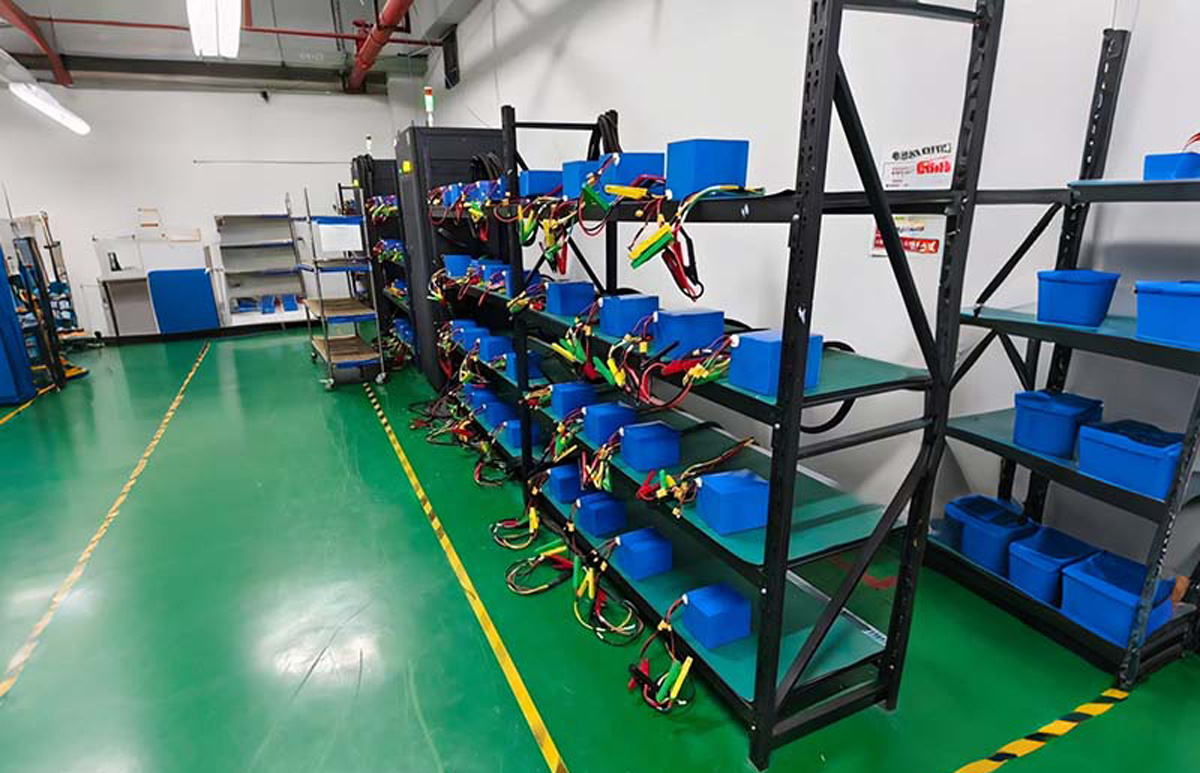
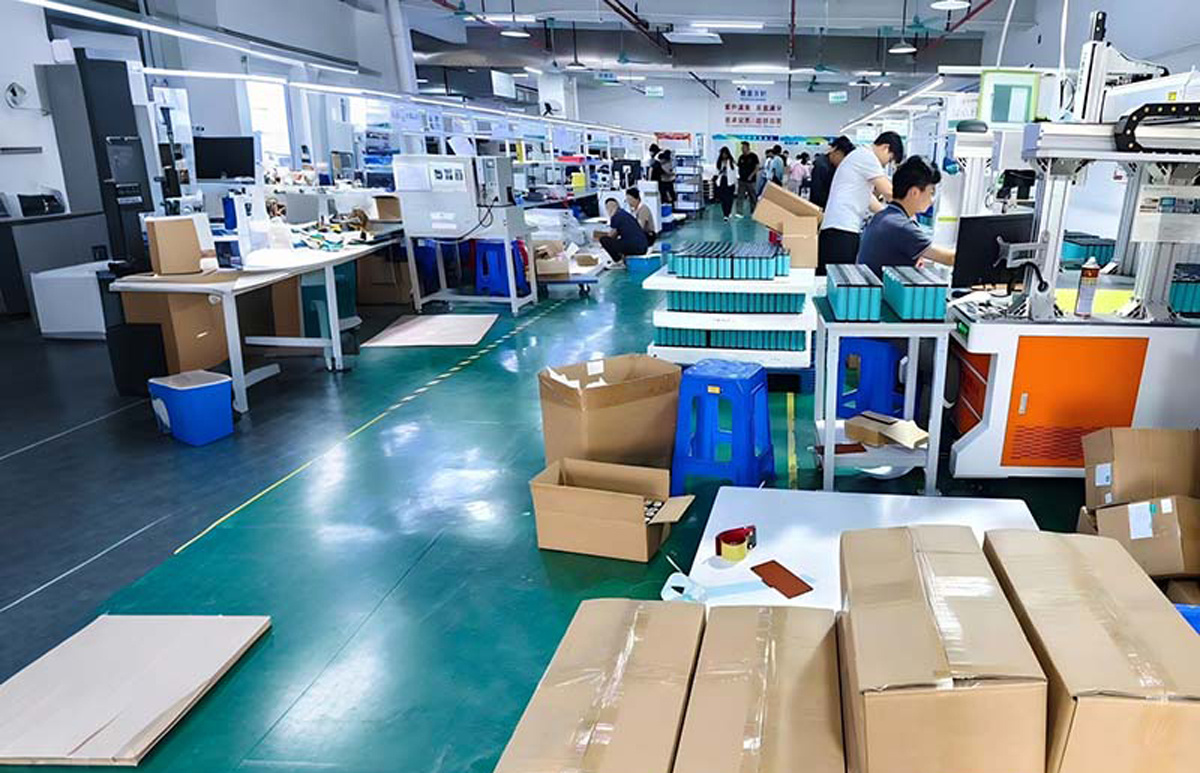
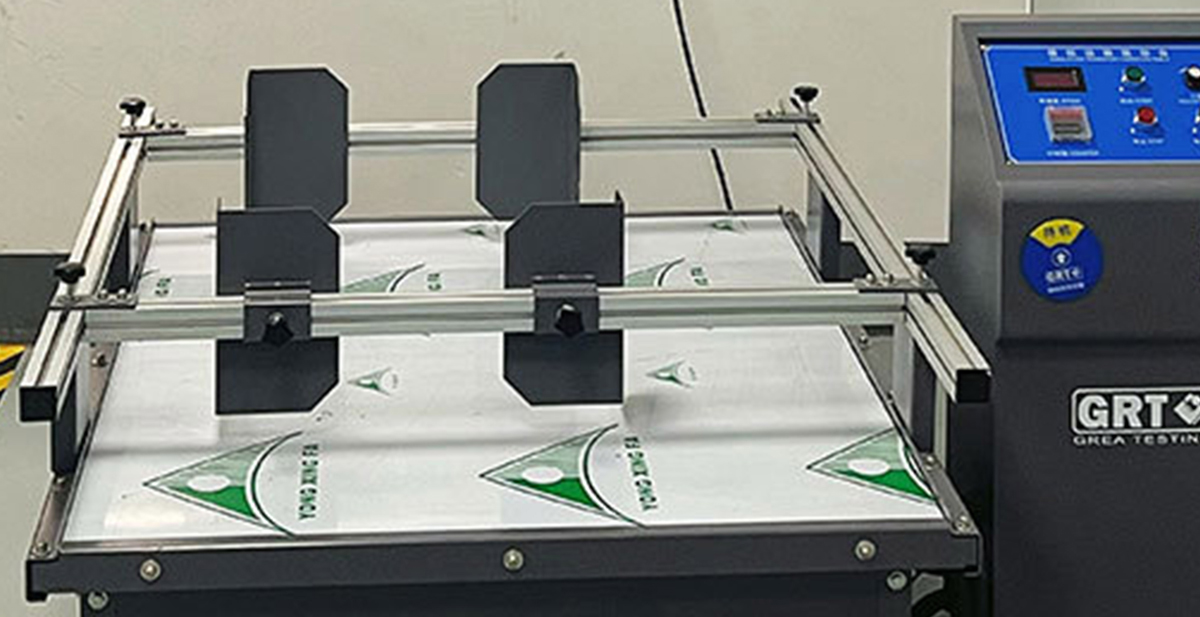
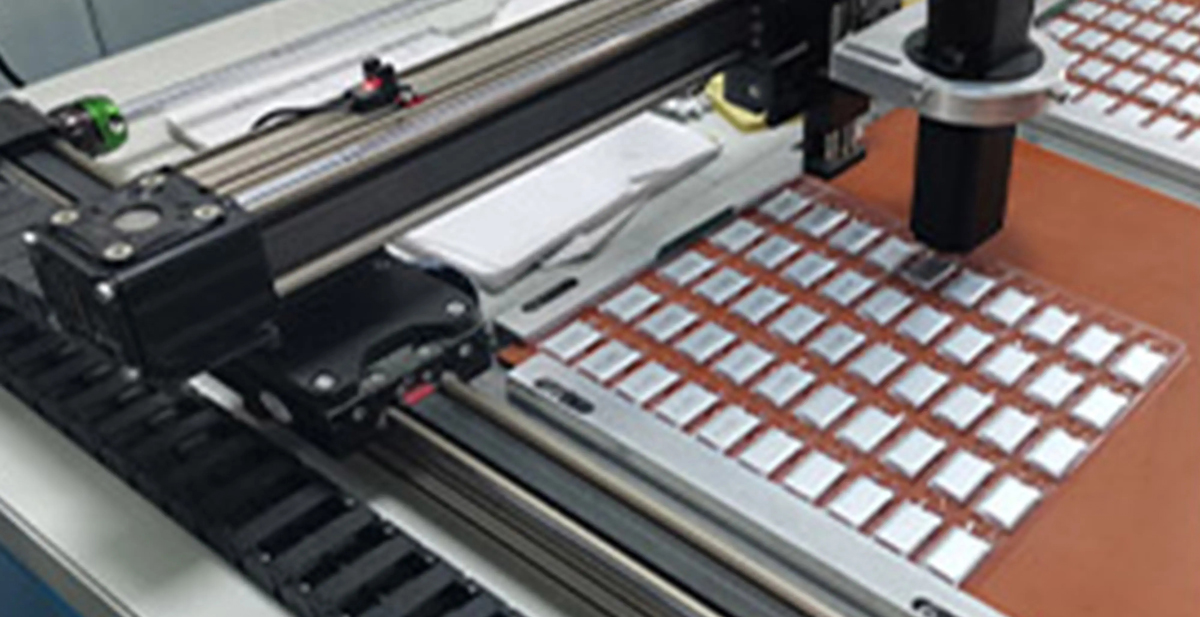
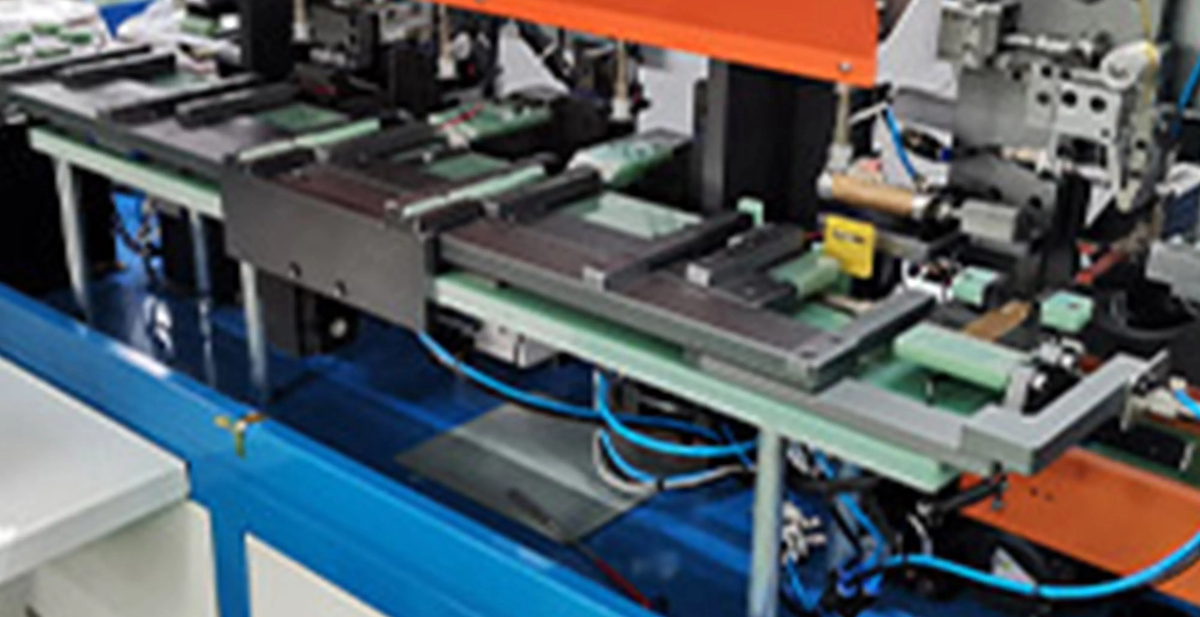
As a professional battery manufacturer, our factory has upgraded a fully automated production line tailored to battery manufacturing, covering the entire process from material input to finished product delivery.
We’re equipped with industry-leading intelligent equipment: automatic cell sorting machines, robotic spot-welding systems, and PCB precision processing workshops—these cut manual intervention by 80% while boosting production efficiency by 60%.
Our 70+ professional team (including automation engineers, quality inspectors, and logistics specialists) monitors every link: from incoming material verification, real-time tracking of cell sorting accuracy, to 100% coverage of aging tests and finished product performance detection.
Our team is a professional and experienced group that has been deeply involved in the battery industry for over a decade. We have accumulated profound industry knowledge and are always committed to technological innovation and quality improvement. We have built a strong and integrated capability covering R&D, production, marketing and after-sales service, making us a reliable partner in the battery field.
In terms of R&D and production, we have a team of senior engineers and technical experts with rich experience in battery technology research and product development. Equipped with advanced production equipment and strict quality control systems, we can independently complete the whole process from product design, technology research to mass production, ensuring stable product quality and high performance that meet market demands.
In marketing and after-sales service, we have a professional team with keen market insight and efficient execution. We have established a comprehensive marketing network to accurately grasp market trends and provide customized solutions for customers. Meanwhile, our after-sales team responds quickly to customer needs, providing timely technical support and service guarantee, winning wide recognition and trust from customers. With our all-round strength, we are committed to promoting the development of the battery industry and creating greater value for our partners.

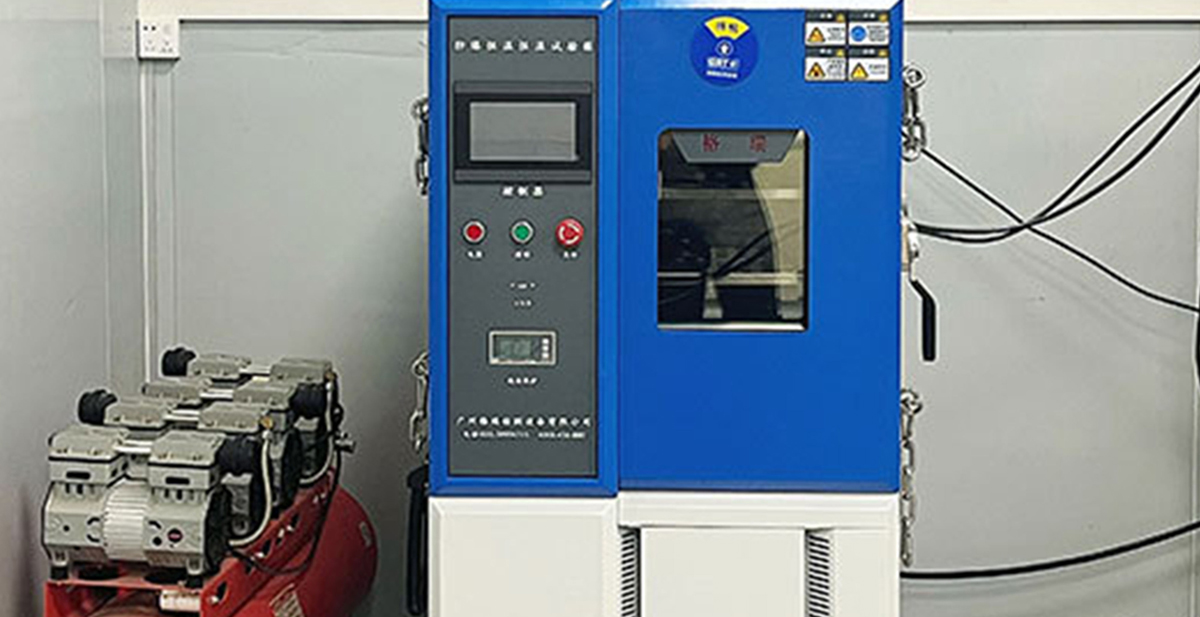
When sourcing replacement batteries for Zebra mobile computers and printers, technical specifications must align with strict operational requirements. A sub-standard battery can cause physical damage (due to swelling), data loss, or even safety hazards. Here are the key technical elements that define a premium-grade replacement battery:
Only Grade-A cells should be used. These cells ensure low internal impedance, high energy density, and minimal self-discharge rates. This ensures that the battery retains its charge even during long periods of storage in IT repair depots.
Zebra devices rely on advanced battery management systems (BMS) to communicate state-of-charge (SoC) and state-of-health (SoH) metrics to the device OS. Premium replacement batteries feature compatible microcontrollers (such as Texas Instruments ICs) that communicate seamlessly via SMBus or I2C protocols.
Safety is paramount in industrial environments. High-quality replacement batteries feature integrated protection circuits that shield the cell from over-charging, over-discharging, short circuits, and thermal runaway.
Handheld devices are frequently dropped. The battery housing must be constructed from high-impact polycarbonate-ABS blends, ultrasonically welded to resist physical shocks and prevent cell puncture.
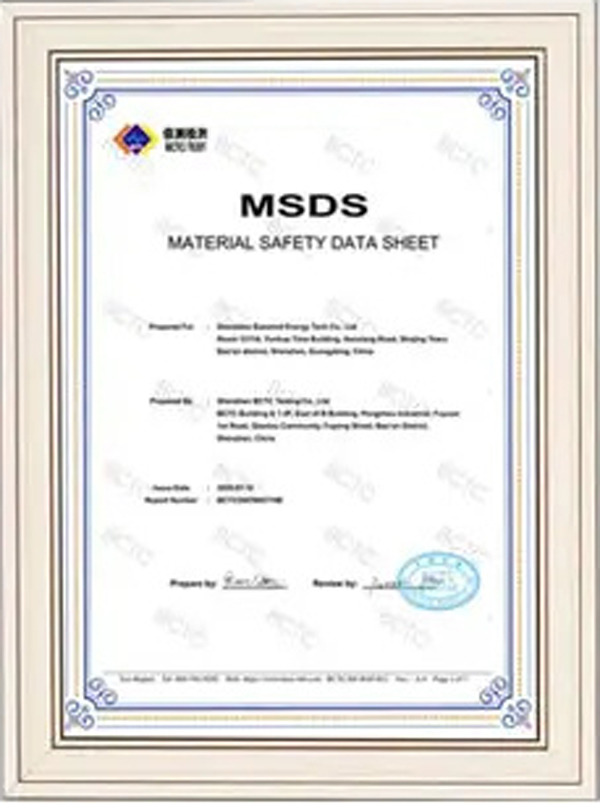
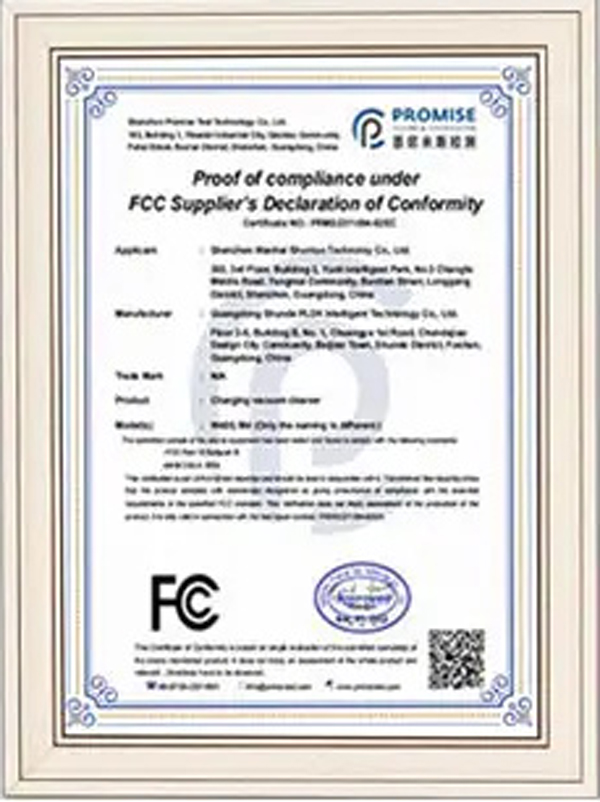
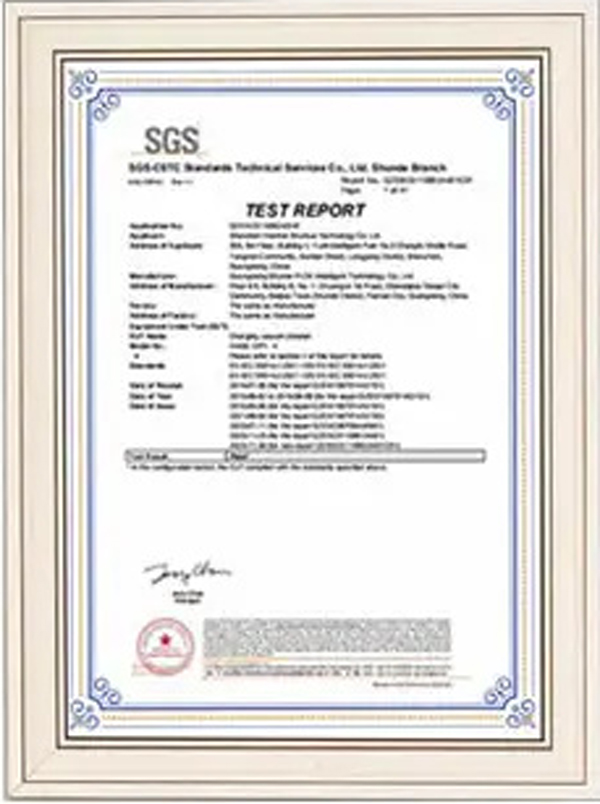
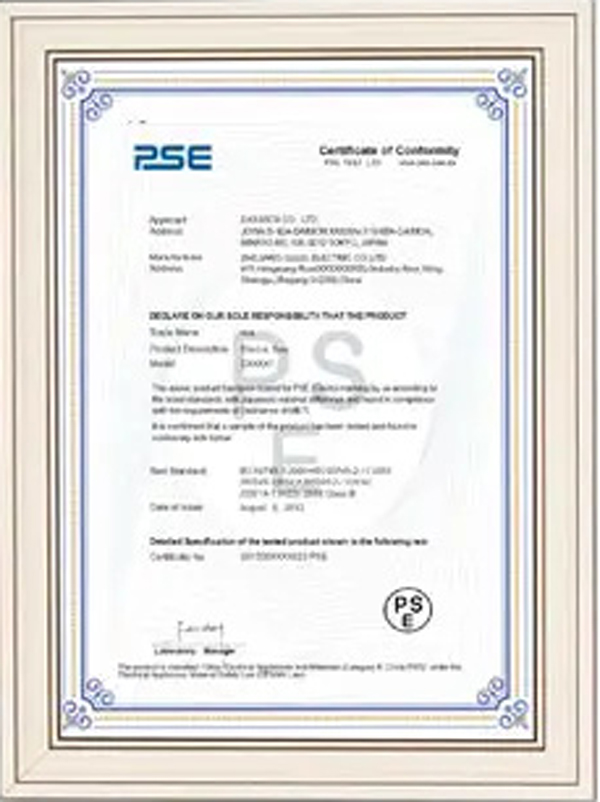
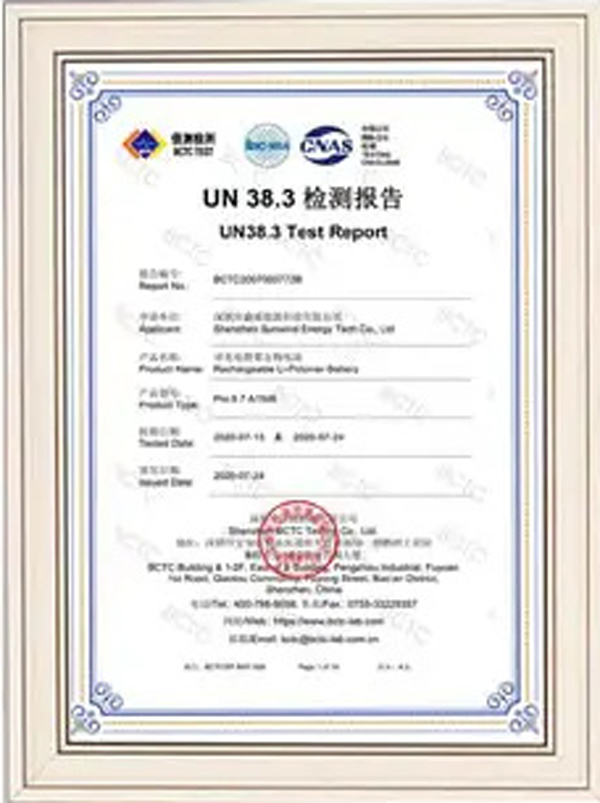
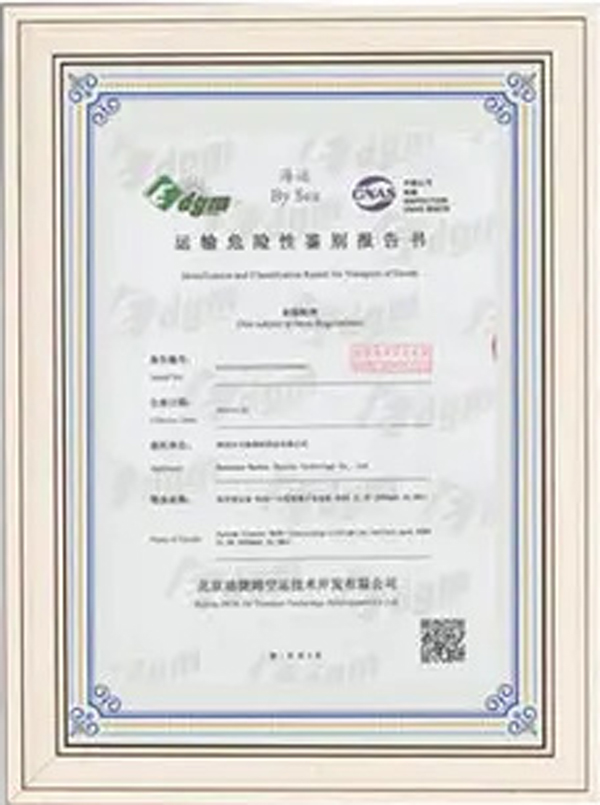
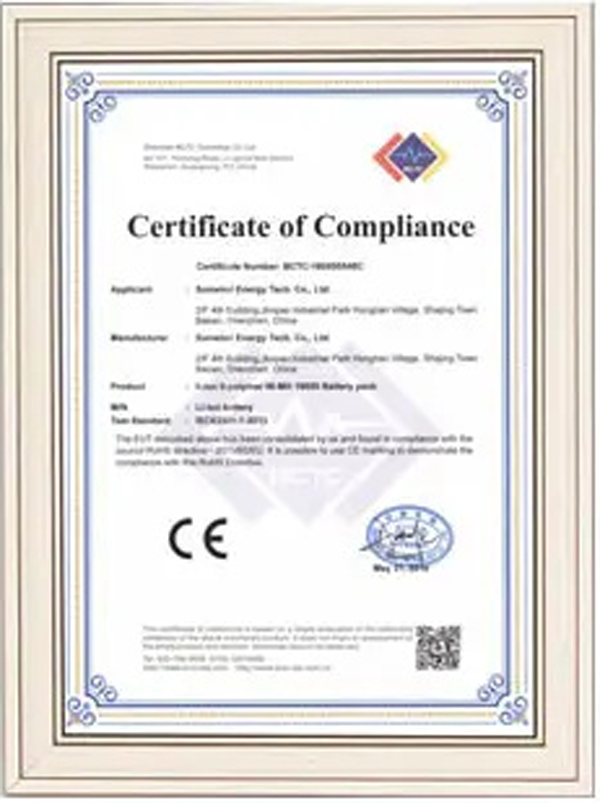
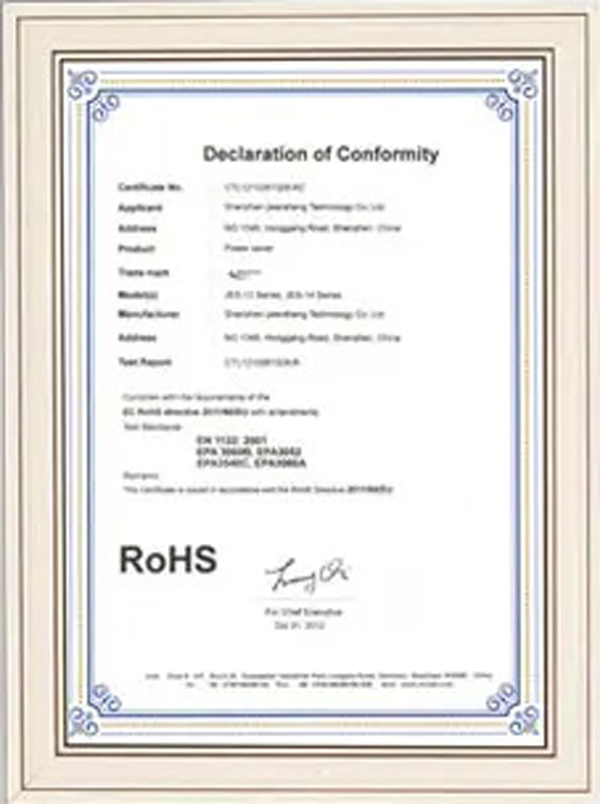
API 6D, API 607, CE, ISO9001, ISO14001, ISO18001, TS. (If you need our certificates, please contact us directly.)
The future of enterprise mobile power is evolving fast. As logistics networks grow and fulfillment times shrink, the pressure on handheld hardware increases. To meet these challenges, several next-generation battery technologies and management practices are emerging:
Modern workflows cannot afford multi-hour charging windows. Future replacement batteries are designed to support higher current inputs safely, reducing charging times from 4 hours down to under 45 minutes without compromising overall cycle life.
Integrating IoT-based monitoring into battery packs allows IT departments to track charge cycles, operating temperatures, and internal resistance trends. This data enables predictive replacement programs, ensuring batteries are replaced before they fail on the field.